

By the Global Health & Nutrition Desk
For decades, nutritionists and researchers have puzzled over the "French Paradox"—the phenomenon where French populations maintain remarkably low rates of cardiovascular disease and obesity despite consuming diets rich in saturated fats, cheeses, and rich pastries. While red wine and portion control have historically taken the spotlight, a new body of research points to a much more microscopic culprit: live microbes.
According to a landmark study published in the Nutrition Bulletin, the secret to French longevity may lie in their daily, habitual consumption of foods naturally brimming with live microorganisms. As modern diets increasingly lean toward ultra-processed, hyper-pasteurized convenience foods, experts are sounding the alarm that Western populations—particularly in the United States—are suffering from a severe "microbial deficit."
This deep dive explores the science of live-microbe consumption, the stark dietary divide between France and the U.S., expert insights from leading gastroenterologists, and actionable steps to safely integrate fermented foods into your daily routine.

Main Facts: The Microbial Divide Between France and the U.S.
The core finding of the recent Nutrition Bulletin research reveals a striking cultural disparity in dietary habits. In France, the intake of live microbes is exceptionally high across all age demographics:
- 97.7% of French children and 98.4% of adults consume between 100 to 200 grams of foods naturally rich in live microbes every single day.
- In stark contrast, data from American nutritional studies shows that only 59% of children and 67% of adults in the U.S. consume microbe-rich foods—and typically at roughly half the volume consumed by their French counterparts.
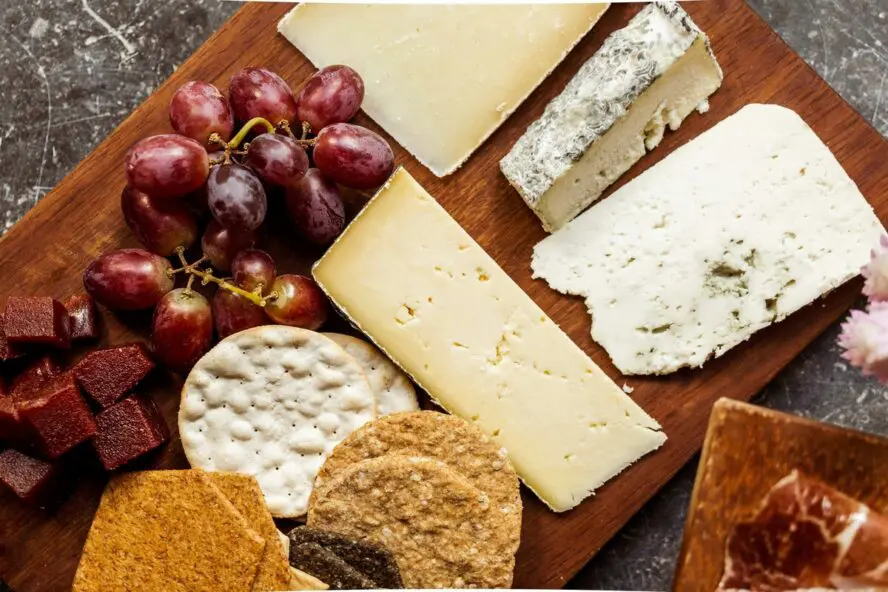
Unlike the American culinary landscape, which is heavily dominated by ultra-processed items designed for indefinite shelf stability, traditional French meals frequently incorporate unpasteurized cheeses and naturally fermented dairy. Rather than concluding every lunch and dinner with heavy, sugar-laden pâtisserie, the French routinely finish savory courses with raw milk cheeses and gut-friendly yogurts.
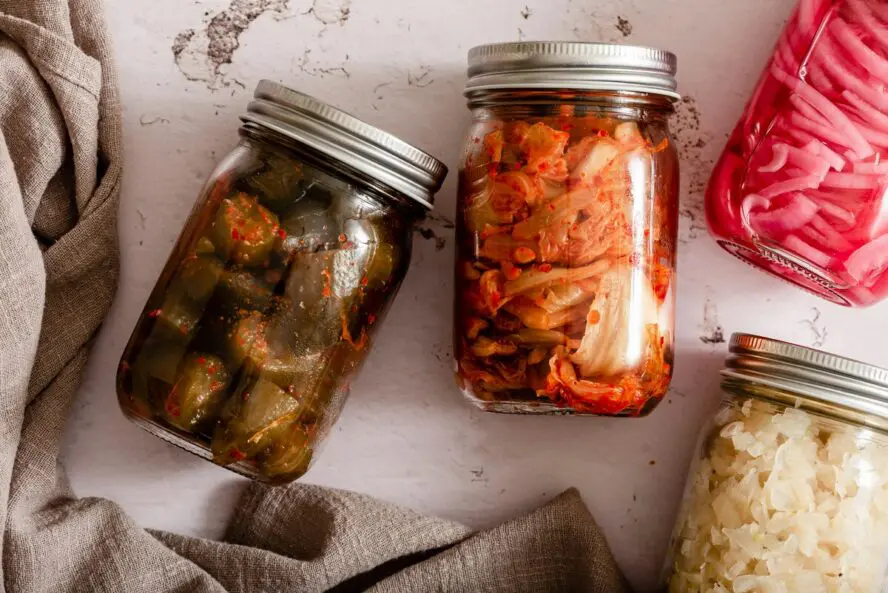
While the American wellness market has seen a surge in trendy fermented products like kimchi, kombucha, and sauerkraut, experts note that consumer understanding remains heavily clouded by aggressive marketing, added sugars, and pasteurization processes that strip foods of their living benefits.
Chronology: How Gut Health Science Reached This Tipping Point
To understand how we arrived at the current understanding of live microbes, it helps to look at the historical timeline of food processing, public health milestones, and recent scientific breakthroughs:

- The Early-to-Mid 20th Century (The Era of Sanitation): The widespread commercial adoption of pasteurization and chemical preservation revolutionized food safety, successfully eradicating deadly foodborne pathogens such as E. coli and Salmonella. However, this industrial safety net had an unforeseen evolutionary cost: it systematically scrubbed beneficial environmental microbes out of the human food supply.
- The Late 20th Century (The Fiber Monopolization): For decades, standard medical and nutritional advice for improving digestive health boiled down to a singular directive: "Eat more fiber." While fiber remains vital, researchers recognized that fiber alone could not fully explain the rapid rise in chronic inflammatory and autoimmune diseases.
- July 2021 (The Stanford Paradigm Shift): Landmark research published out of Stanford University radically altered the microbiome landscape. Scientists discovered that a diet rich in live fermented foods reliably and rapidly increases gut microbial diversity while simultaneously slashing 19 distinct inflammatory markers, including Interleukin-6 (IL-6).
- 2022–2024 (Global Recognition and Mental Health Links): Subsequent studies linked live microbe consumption not only to improved digestion and reduced bloating, but also to mental health benefits via the gut-brain axis. Notably, a 2024 study in Environmental Health and Prevention established a clear inverse relationship between high dietary intake of live microbes and a reduced risk of depression.
- 2025–2026 (Cardiovascular and Longevity Validation): Recent studies published in The Journal of Nutrition and clinical journals throughout 2025 and 2026 demonstrated that microbe-rich diets significantly improve plasma glucose, insulin, and cholesterol levels, while correlating with a measurable reduction in all-cause mortality for individuals with coronary heart disease.
Supporting Data: What the Science Says About Live Microbes
The accumulation of clinical data over the past five years has shifted fermented foods from a niche health trend to an essential component of preventive medicine.
1. Microbial Diversity Equals Longevity
In study after study, the diversity of the gut microbiome serves as a biological fingerprint of health, resilience, and vitality. When we consume live microbes (probiotics) alongside fermentable plant fibers (prebiotics), we create a synergistic ecosystem. The microbes remodel the gut environment, while prebiotics feed them, prompting the production of short-chain fatty acids (SCFAs) like butyrate, which fortify the gut barrier and suppress systemic inflammation.
2. Broad Systemic Benefits
The health implications of a microbe-rich diet extend far beyond the gastrointestinal tract:
- Digestive Function: Clinical trials confirm reductions in chronic constipation, excessive flatulence, and uncomfortable abdominal bloating.
- Cardiovascular Support: Regular intake of fermented dairy and vegetables helps regulate blood lipid profiles and maintain healthy insulin sensitivity.
- Mental Well-Being: Because the gut produces the vast majority of the body’s serotonin, altering the microbiome via live microbes directly influences mood regulation, anxiety levels, and cognitive resilience.
Official Responses: What the Experts and Regulators Say
The disconnect between ancient dietary traditions and modern regulatory frameworks is a point of mounting frustration for medical professionals.
"As a gastroenterologist and microbiome specialist, this doesn’t surprise me at all, but it deeply concerns me," states Dr. Savita Srivastava, a Yale-trained gastroenterologist, microbiome specialist, and author of First 1000 Days: How Your Baby’s Gut Microbes Shape Lifelong Health.
Dr. Srivastava points out that centuries of hyper-pasteurization and chemical preservation have severed humanity’s daily connection with harmless, beneficial environmental microbes. “The result? Less resilience, lowered immunity, and more chronic disease. Live microbes are not a wellness trend; they are essential to human health.”
The Regulatory Lag in the United States
While global bodies and forward-thinking nations—such as South Korea, which actively integrates traditional fermented foods like kimchi into national dietary policies—recognize the profound value of live cultures, Western regulators lag behind. Currently, the U.S. Food and Drug Administration (FDA) does not recognize probiotics or live-culture fermented foods as a distinct regulatory category.
This absence of official daily intake guidelines leaves American consumers navigating a minefield of misleading marketing. Dietitians warn that well-intentioned shoppers are frequently misled by commercial packaging.
"There is a massive disconnect between marketing and microbiology," notes Sophia Guillot, a Registered Dietitian with TeamNutrition. “In my practice, I often see people purchase products marketed as ‘gut-friendly’ that actually contain massive amounts of added sugars or have been thoroughly pasteurized, failing to realize they won’t deliver the health benefits they expect.”
Serena Pratt, MS, RDN, a Columbia University-trained dietitian, echoes this sentiment, warning against the American habit of looking for a "magic potion." “Many people are trying to ‘hack’ gut health with one trendy product or supplement instead of looking at how gastrointestinally supportive the overall pattern of the diet is.”
Implications: How to Navigate and Reclaim Your Gut Health
Given the lack of unified U.S. dietary guidelines for live microbes, consumers must act as their own advocates. Incorporating these foods effectively requires moving past clever branding and focusing on functional science. Experts recommend the following strategies to optimize your microbiome:
1. Embrace Variety Over Monoculture
Relying on a single bottle of kombucha or a single brand of yogurt is rarely enough. Nutritionist Kristy Thomas of Prowise Healthcare emphasizes that inclusion of diverse fermented foods provides a wider array of microbial strains. Rotate through plain yogurt, kefir, unpasteurized sauerkraut, kimchi, miso, tempeh, and raw milk cheeses to maximize microbial diversity.
2. Start Slowly and Maintain Consistency
For individuals unaccustomed to fermented foods—or those managing irritable bowel syndrome (IBS), reflux, or food sensitivities—jumping straight into large servings can trigger temporary bloating or discomfort. Serena Pratt advises starting with baby steps: “A few bites of fermented vegetables or a small serving of kefir is far more realistic than adding several new fermented foods at once.” Consistency over time allows the gut ecosystem to adapt safely.
3. Read Labels Carefully to Avoid Sugar Traps
Yogurt was an early pioneer of the probiotic movement in America, but commercial varieties are frequently undermined by excess sweetness. Dr. Srivastava cautions that a yogurt packed with 20 grams of refined sugar completely neutralizes the benefits of its live cultures.
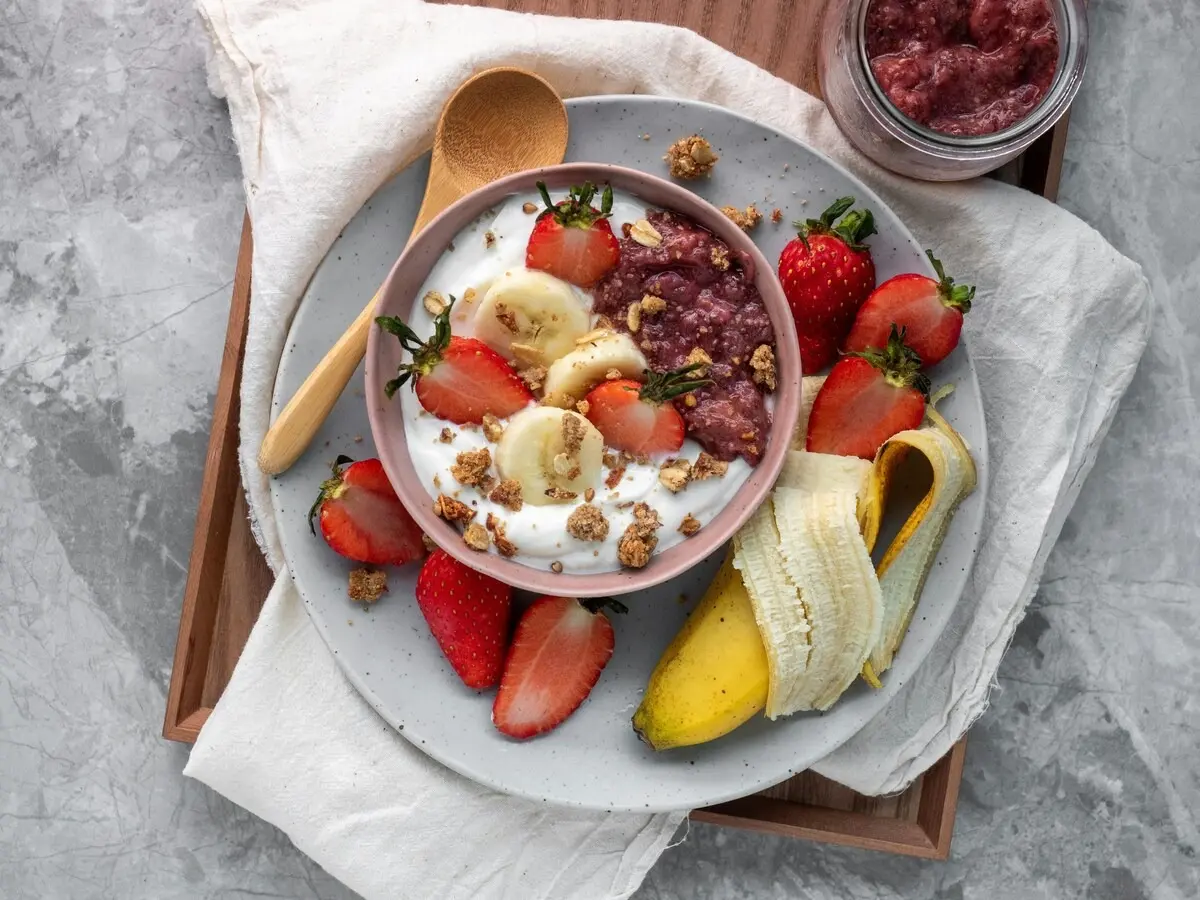
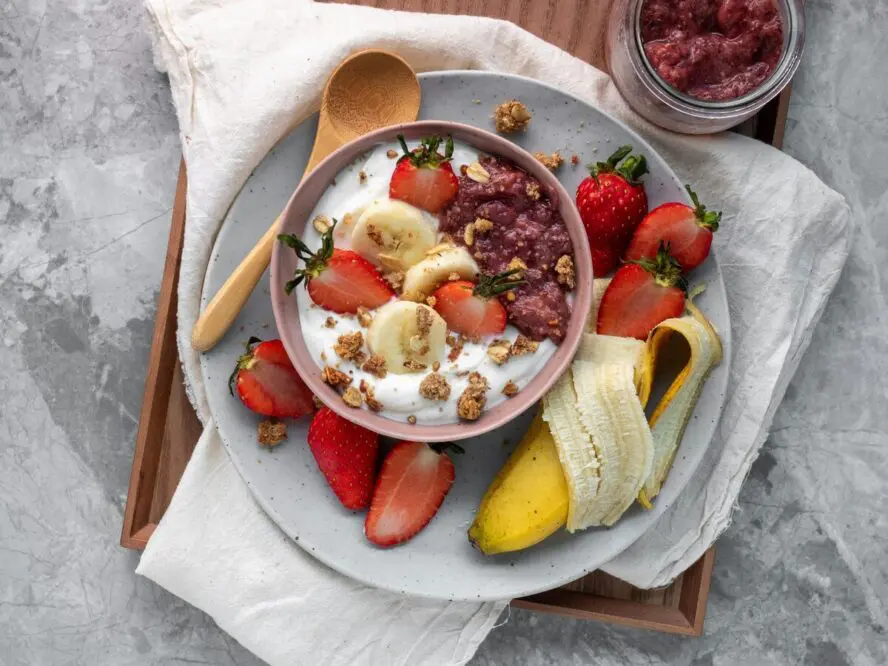
- The Fix: Opt for plain, unsweetened Greek yogurt, traditional labneh, or kefir. Sweeten them naturally at home using antioxidant- and fiber-rich berries or a drizzle of local honey.
4. Check for "Live and Active Cultures"
Pasteurization destroys pathogens, but it also destroys beneficial microbes. Shelf-stable kombuchas sitting on warm grocery store shelves or pickles processed with heat are nutritionally dead by the time they reach your plate.
- The Fix: Always shop from the refrigerated section of the grocery store. Look explicitly for labels stating "Contains Live and Active Cultures" or "Traditionally Fermented, Unpasteurized."
Conclusion
The new research comparing French and American dietary habits serves as a vital wake-up call. Healing the modern gut does not require expensive, highly engineered synthetic supplements or complicated bio-hacks. Instead, it invites us to look backward—reclaiming the traditional wisdom of our ancestors by welcoming real, living, naturally fermented foods back to the dinner table. By prioritizing unpasteurized, low-sugar, microbe-rich foods alongside diverse plant fibers, we can rebuild our internal ecosystems, lower systemic inflammation, and pave the way for lifelong vitality.
