


By Investigative Health Desk
For decades, nutritionists and researchers have marveled at the paradox of the French diet. Despite a culinary culture globally celebrated for rich butter, decadent pastries, and an abundance of fine cheeses, French populations consistently display lower rates of obesity, improved cardiovascular health, and greater overall longevity compared to many of their Western counterparts.
While much of the cultural conversation has historically fixated on portion control or the romanticized notion of the "French Paradox"—frequently attributed solely to moderate red wine consumption—recent scientific revelations are pointing toward a much more microscopic explanation.
According to landmark research published in the Nutrition Bulletin, the secret to French vitality may lie in what is happening deep within their digestive tracts. The study reveals that dietary intake of live microbes is remarkably high across France, with nearly all children (97.7%) and adults (98.4%) consuming between 100 to 200 grams of foods naturally rich in microbes every single day.

By contrast, parallel data from the United States paints a starkly different picture. A comprehensive 2022 study revealed that a mere 59% of American children and 67% of adults consume foods rich in live microbes—and typically at roughly half the total volume observed in France.
As mounting clinical evidence continues to link live microbe consumption to everything from enhanced digestive function to reduced risks of depression and systemic inflammation, public health experts are asking a critical question: Has the modern American food supply engineered away the very bacteria humans need to survive and thrive?
Main Facts: The Microscopic Divide Between France and the U.S.
The core finding of the recent Nutrition Bulletin publication centers on the pervasive presence of fermented, unpasteurized, and microbe-dense foods in the daily French diet. Far from being relegated to trendy health-food stores or gourmet specialty shops, live-microbe foods are deeply woven into the traditional culinary fabric of France.
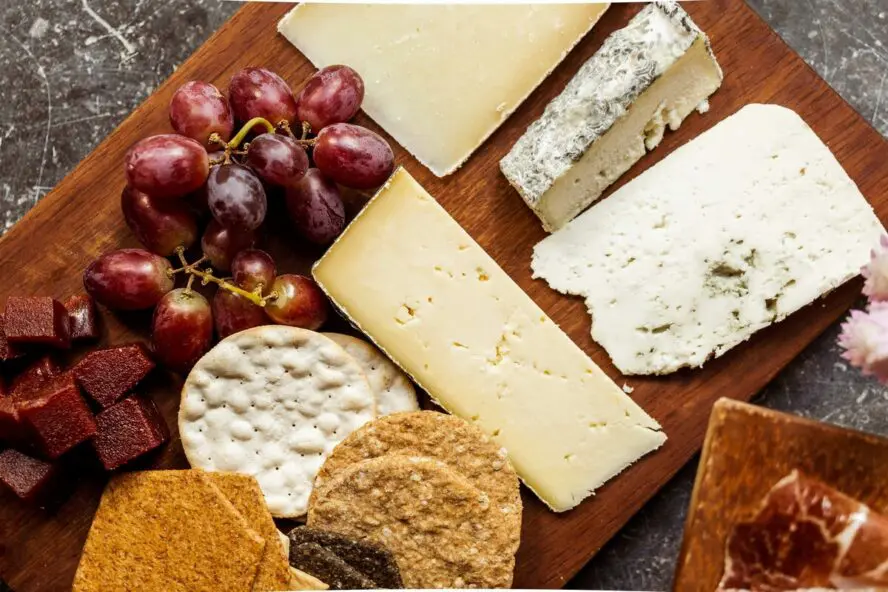
Unlike the standard American diet (SAD), which is heavily dominated by ultra-processed foods, hyper-pasteurized shelf-stable items, and chemical preservatives, the traditional French meal often concludes with gut-friendly dairy products. Rather than finishing every meal exclusively with heavy sugar-laden pastries, the French frequently transition from savory courses to an array of naturally aged raw milk cheeses, followed by fresh, live-culture yogurts.

This everyday culinary routine ensures a steady, uninterrupted inoculation of beneficial environmental microbes into the human gastrointestinal tract. In the United States, however, the landscape is defined by extensive food processing designed to maximize shelf life rather than biological utility. While American interest in fermented foods like kimchi, kombucha, and sauerkraut has undeniably surged in recent years, experts caution that consumers are frequently falling short of true clinical thresholds—both in the variety of microbes consumed and the frequency of their intake.
Chronology: How Modern Processing Erased Beneficial Microbes
To understand how the American diet lost its microbial richness, it is necessary to examine a century of agricultural and industrial evolution.
- The Early 20th Century: Driven by public health crises and the need to curb rampant foodborne illnesses such as tuberculosis and cholera, food scientists widely implemented pasteurization and rigorous chemical preservation techniques. These measures were undeniably successful in eradicating dangerous pathogens from the commercial food supply.
- The Late 20th Century: As industrial agriculture scaled up to feed booming urban populations, convenience and extended shelf life became paramount. Whole foods were increasingly replaced by ultra-processed formulations. Hyper-pasteurization, irradiation, and advanced chemical preservatives became standard industry practices.
- The 2021 Paradigm Shift: For years, conventional dietary advice for gut health was boiled down to a simple mandate: "eat more fiber." However, a landmark clinical trial published out of Stanford University in July 2021 shattered this reductionist view. Researchers demonstrated that a diet rich in live fermented foods reliably and rapidly increases gut microbial diversity while systematically lowering 19 distinct inflammatory markers, including Interleukin-6 (IL-6).
- The 2026 Horizon: Current epidemiological data, including studies published in early 2026, continue to solidify the correlation between high dietary indices of gut microbiota and a reduction in all-cause mortality, particularly concerning coronary heart disease and chronic metabolic disorders.
Supporting Data: What the Science Says About Live Microbes
The scientific literature supporting the inclusion of live microbes in the human diet has evolved from niche gastroenterology to mainstream nutritional consensus. The data underscores several profound physiological impacts:
- Microbial Diversity and Inflammation: The 2021 Stanford study proved that introducing live fermented foods actively remodels the gut ecosystem. Unlike probiotics taken in isolated supplement form, fermented foods deliver complex microbial communities that actively suppress systemic inflammation.
- Mental Health and the Gut-Brain Axis: Emerging research published in 2024 in Environmental Health and Prevention established a direct inverse association between a high dietary intake of live microbes and a reduced risk of depression. This is largely mediated by the gut-brain axis, wherein gut bacteria synthesize neurotransmitters such as serotonin and GABA that directly influence neurological function.
- Cardiovascular and Metabolic Markers: Data from The Journal of Nutrition highlights that regular consumption of microbe-rich foods positively regulates plasma levels of glucose, insulin, and circulating cholesterol. Furthermore, 2026 data links these dietary patterns directly to lower rates of mortality in patients suffering from coronary heart disease.
- Symptom Alleviation: Clinical reviews in journals such as Frontiers in Nutrition confirm that individuals incorporating live microbes experience significant reductions in gastrointestinal distress, including chronic bloating, flatulence, and constipation.
Official Responses and Expert Perspectives
The widening chasm between ancient dietary wisdom and modern American industrial food policy has drawn sharp criticism from medical professionals and clinical researchers alike.
"As a gastroenterologist and microbiome specialist, this doesn’t surprise me at all, but it deeply concerns me," says Dr. Savita Srivastava, a Yale-trained gastroenterologist, microbiome specialist, and author of First 1000 Days: How Your Baby’s Gut Microbes Shape Lifelong Health.
Dr. Srivastava points directly to the unintended consequences of industrial food manufacturing: "The modern American diet is low in wholesome ingredients and high in ultra-processed ones. We have spent the last century leveraging hyper-pasteurization, chemical preservatives, and extreme food processing to extend shelf life. But this has its own downstream consequences: the decline in human health."
While acknowledging that pasteurization successfully eliminated historic foodborne pathogens, Dr. Srivastava notes that these practices "inadvertently got rid of the harmless, beneficial environmental microbes our ancestors consumed daily." The result of this sterile environment is a population with lowered immune resilience and heightened vulnerability to chronic disease.
Furthermore, medical experts emphasize a dangerous disconnect between commercial marketing and actual microbiology. Sophia Guillot, a Registered Dietitian at TeamNutrition, warns that consumers are frequently misled by slick corporate labeling.

"In my practice, I often see people purchase products marketed as ‘gut-friendly’ but that contain added sugars or are pasteurized, without realizing they won’t bring the same health benefits as expected," Guillot explains.
Serena Pratt, MS, RDN, a Columbia University-trained dietitian, echoes these concerns, noting a cultural tendency to seek silver bullets: "Many people are trying to ‘hack’ gut health with one trendy product or supplement instead of looking at how gastrointestinally supportive the overall pattern of the diet is."
From a regulatory standpoint, the U.S. framework lags significantly behind international standards. While countries like South Korea have actively integrated fermented foods into national dietary policies and public health initiatives, the U.S. Food and Drug Administration (FDA) does not currently recognize probiotics or fermented foods as a distinct regulatory category. Experts like Dr. Srivastava hope that mounting data will soon prompt the establishment of a recommended daily intake for live microbes in America.
Implications: Navigating the Market and Building a Gut-Healthy Future
As consumers are left to navigate a supermarket landscape rife with nutritional misinformation, healthcare practitioners offer clear, actionable strategies to reap the true benefits of live-microbe foods.
1. Focus on Synergy: Probiotics Meet Prebiotics
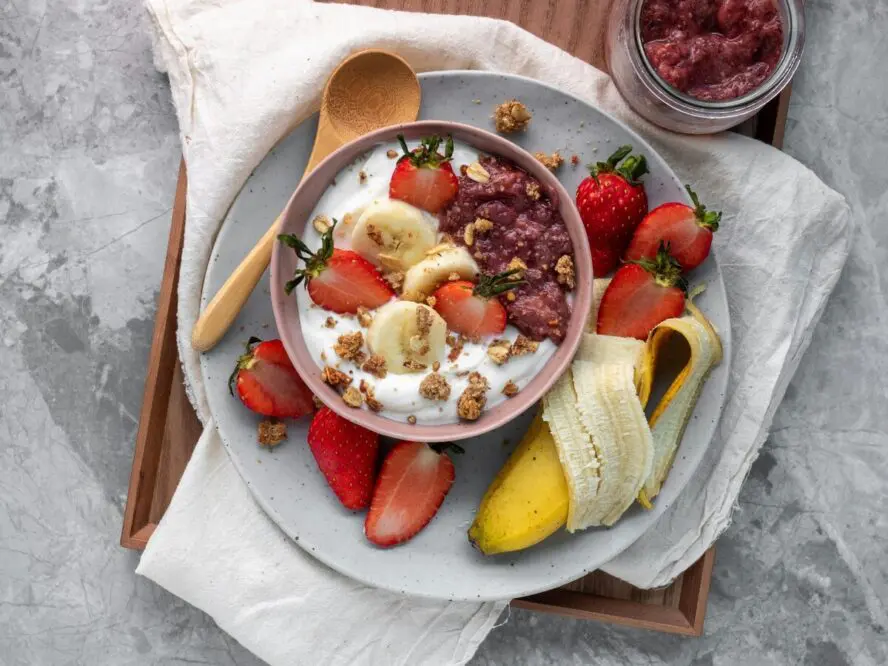
Improving gut health requires more than grabbing a single trendy item off the shelf. Experts emphasize the symbiotic relationship between probiotics (the live microbes found in fermented foods) and prebiotics (the non-digestible fiber that feeds them). When consumed together, microbes ferment prebiotic fibers to produce short-chain fatty acids (SCFAs) such as butyrate, which nourish the intestinal lining and systematically heal the gut wall.
2. Prioritize Variety and Consistency
Relying on a single source of fermented food is rarely sufficient. Clinical nutritionists recommend incorporating a wide rotation of items—such as plain live-culture yogurt, traditional kefir, authentic kimchi, sauerkraut, miso, tempeh, and raw milk cheeses. Introducing these foods in small, consistent amounts prevents digestive shock, particularly for individuals managing irritable bowel syndrome (IBS) or food sensitivities.
3. Read Labels Carefully to Avoid the "Sugar Trap"
Many commercial yogurts and fermented beverages are loaded with upwards of 20 grams of refined sugar per serving. Dr. Srivastava warns that high sugar content directly undermines the utility of the food: "That sugar fuels the exact pro-inflammatory, opportunistic bacteria you are trying to crowd out of the gut microbiome." Consumers should opt for plain, unsweetened Greek yogurt, labneh, or kefir, adding their own fiber-rich berries or local honey at home.
4. Beware the Pasteurized "Impostor"
Heat is the enemy of live microbes. Many commercial kombuchas, pickles, and sauerkraut varieties sitting on warm, ambient grocery store shelves have been heat-treated or pasteurized to ensure prolonged shelf stability. While pasteurized products may contain beneficial "postbiotics," they lack active living cultures. Shoppers must scour the refrigerated aisles, explicitly seeking labels that read "Contains Live and Active Cultures" or "Traditionally Fermented, Unpasteurized."

Conclusion
The modern obsession with total sterility in the food supply has come at a steep biological cost. As science continues to validate what traditional cultures have known for millennia, the path forward is clear. By looking to global models like France—where live microbes are a daily, unbroken dietary fixture—and embracing a diverse, unpasteurized, fiber-rich lifestyle, Americans can begin to rebuild their microbial resilience from the inside out.
