

By In5D Editorial Staff
Published by Special Arrangement
Main Facts: The Global Phenomenon of Existential Alienation
For millions of people across the globe, waking up each day is accompanied by a persistent, quiet, and often distressing question: "What am I doing here?"
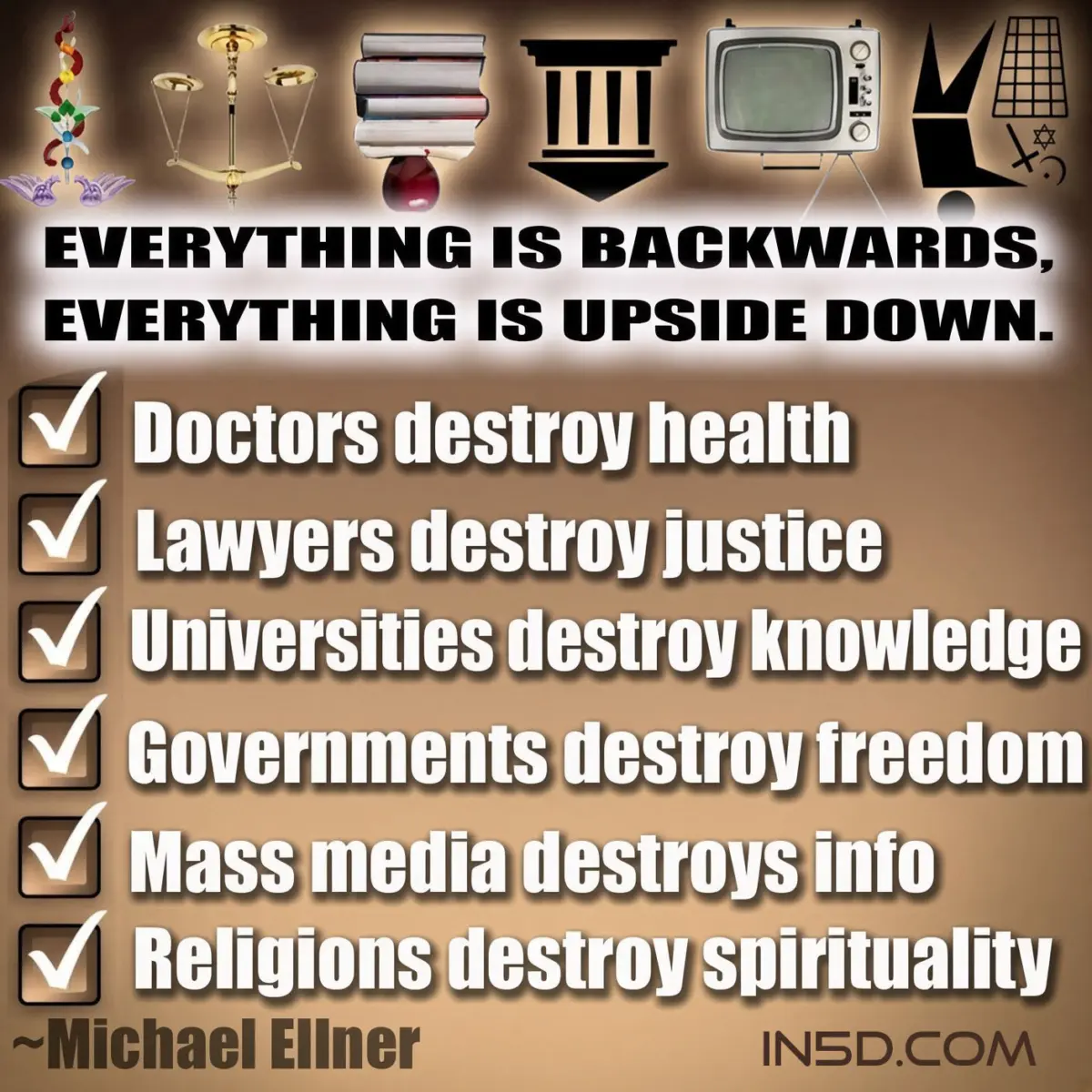
This inquiry transcends geographical location, cultural background, or socioeconomic status. It is not a temporary bout of homesickness for a hometown or country, but a deep-seated, ontological dissonance—a pervasive feeling that Earth is not one’s true home, and that human civilization operates on a logic that is fundamentally upside down and backwards.
According to cultural researchers, metaphysical commentators, and long-term observers of the global spiritual community, this sense of profound alienation is reaching unprecedented levels. Sociologists note that modern life subjects individuals to a rigid blueprint: children are institutionalized primarily to prepare for workforce entry, adults spend the majority of their lives laboring simply to afford survival, and billions of people navigate hyper-connected digital landscapes while experiencing unprecedented levels of isolation.
Yet, beneath the surface of accepted societal norms, a growing demographic is asking fundamental questions:
- Why is human existence centered entirely around labor and capital accumulation?
- Why do societal institutions—ranging from organized religion to partisan politics—consistently divide rather than unite populations?
- Why does the foundational architecture of modern education reward conformity and penalize critical thinking and authenticity?
Far from being isolated incidents of psychological maladjustment, these questions point to a collective awakening. Observers suggest that feeling like an outsider in contemporary society is not a malfunction of the individual, but rather a rational response to an irrational world.
Chronology: From Childhood Disillusionment to the Awakening Journey
The trajectory of this existential awakening typically follows a recognizable timeline, shared by millions who identify as non-conformists, old souls, or starseeds.
Phase 1: Early Disconnection (Childhood)
For many who experience this deep-seated sense of not belonging, the realization begins in early childhood. Unlike peers who seamlessly absorb societal expectations, future seekers often experience immediate resistance to institutional settings.

- The Sunday School Effect: Many recount their earliest memories of structured environments—such as religious Sunday schools—triggering an immediate internal alarm bell. Questioning dogma, challenging authority figures, or pointing out logical inconsistencies in cultural narratives often led to disciplinary action or social isolation at an early age.
- The Silent Observer: As children, these individuals frequently observe their peers with quiet bewilderment, wondering how others accept the rigid rules, social hierarchies, and competitive frameworks governing daily life.
Phase 2: The Search for Context (Adolescence and Early Adulthood)
As individuals enter adulthood, the friction between personal authenticity and societal expectations intensifies.
- The Inversion Discovery: Individuals realize that societal structures often reward compliance over truth. Career paths, consumerism, and traditional milestones (marriage, mortgage, retirement) fail to provide the promised fulfillment, leading to a profound crisis of meaning.
- Exploration of Alternative Paradigms: Many turn to introspective tools, including philosophy, meditation, psychology, and past-life regression. Through self-hypnosis and meditative frameworks, individuals attempt to map their internal memories to historical or metaphysical contexts, seeking an explanation for why their internal compass points away from modern materialism.
Phase 3: Finding the "Tribe" (Mid-Life and Beyond)
The final stage of this chronology involves the realization that isolation was an illusion.
- The Catalyst Connection: After years of feeling like the sole dissident in their immediate social circle, seekers frequently experience a synchronistic encounter with like-minded individuals. Conversations that bypass small talk immediately launch into deep, foundational topics, confirming that they were never truly alone—just geographically scattered.
- Integration and Acceptance: Ultimately, the individual transitions from trying to "fit in" to embracing their role as an independent thinker, creative catalyst, or quiet revolutionary within their community.
Supporting Data: Psychological, Metaphysical, and Sociological Perspectives
To understand why millions feel alienated from modern life, researchers examine the phenomenon through three distinct lenses: sociological conditioning, psychological typology, and metaphysical frameworks popularized by researchers like Dolores Cannon.
1. Sociological and Institutional Conditioning
Modern institutions are historically optimized for predictability, compliance, and economic output. From the Prussian-model educational systems designed to produce obedient industrial workers to consumer-driven economies that tie human worth to purchasing power, society actively discourages radical authenticity.
When individuals possess high levels of innate critical thinking or divergent cognitive styles, they inevitably clash with these frameworks. Anthropologists note that societies throughout history have often marginalized individuals who question consensus reality, viewing non-conformity as a threat to social cohesion.
2. Psychological Typology and Introversion
From a strictly psychological standpoint, feelings of alienation correlate strongly with specific personality frameworks, such as the Myers-Briggs Type Indicator (MBTI) profiles associated with introverted, intuitive, and feeling types (e.g., INFP, INFJ).
- Highly sensitive persons (HSPs) and deep introverts process sensory input and existential concepts with heightened intensity.
- Because mainstream culture often prioritizes extroverted validation, materialism, and fast-paced socialization, introverted and introspective thinkers frequently feel culturally displaced, leading to chronic feelings of not fitting in.
3. Metaphysical Frameworks: Starseeds and Volunteer Souls
Within metaphysical and esoteric traditions, explanations for terrestrial alienation take on a cosmic dimension. Pioneered extensively by hypnotherapists and researchers studying past-life regression, concepts such as Starseeds, Lightworkers, and Volunteer Souls have gained significant traction.
- The "Volunteer" Hypothesis: Proponents argue that millions of souls incarnated on Earth during this transitional era to help anchor higher frequencies of consciousness, assist in global transformation, and anchor environmental or humanitarian balance.
- The Homesick Paradox: Many individuals report experiencing an inexplicable yearning for "home" while sitting inside their own homes. This longing is not tied to a physical country, but rather to an intuitive memory of cosmic connection, unity, and a state of being devoid of the dense duality experienced on Earth.
- Past-Life Echoes: Regression subjects frequently uncover memories of historical persecution, suppression of indigenous wisdom (such as ancient earth-based traditions and spiritual autonomy), and a pre-birth choice to enter into terrestrial chaos to preserve foundational truths.
Official Responses and Institutional Reactions
Mainstream scientific, psychological, and religious institutions maintain distinct perspectives regarding the phenomenon of existential alienation.

The Psychological Establishment
Mainstream psychology generally classifies intense feelings of alienation under broader clinical frameworks, such as existential dread, depersonalization, or adjustment disorders.
- Licensed therapists often view chronic feelings of "not belonging" as symptoms of developmental trauma, neurodivergence (such as autism spectrum conditions or ADHD), or social anxiety.
- While acknowledging the validity of an individual’s discomfort with modern society, clinical practitioners focus on cognitive-behavioral strategies to help patients integrate into functional daily routines, manage isolation, and build healthy interpersonal boundaries without leaning into metaphysical explanations.
Organized Religion
Traditional religious institutions often view questioning of dogma through the lens of spiritual crisis or temptation.
- Institutional authorities emphasize adherence to established scriptures, communal worship, and hierarchical structures as the primary remedies for existential doubt.
- Mystics and heterodox spiritual groups, however, have historically recognized the "dark night of the soul" as a necessary precursor to spiritual maturation, suggesting that institutional rigidity often fails to address the deeply personal, unmediated spiritual experiences of seekers.
Implications: Re-framing Non-Conformity as a Catalyst for Change
The growing recognition of global alienation carries profound implications for the future of human culture, mental health, and collective evolution.
Redefining Success and Authenticity
When individuals stop viewing their lack of conformity as a personal failure and instead recognize it as a structural mismatch with an unbalanced society, psychological healing can begin.
- From Assimilation to Authenticity: Rather than expending vital energy attempting to mimic societal expectations, awakening individuals are increasingly building micro-communities, creative collectives, and alternative economic models based on mutual aid, ecological sustainability, and transparent communication.
- The Power of Discomfort: Societal progress has rarely been driven by those who comfortably conformed to the status quo. Cultural paradigm shifts—from scientific revolutions to civil rights movements—were spearheaded by individuals who looked at consensus reality and demanded something better.
The Formation of Decentralized Global Networks
The digital age has catalyzed a historic shift in how isolated thinkers connect. Platforms dedicated to metaphysics, alternative philosophy, and personal growth have allowed millions to locate their "soul tribe" across international borders.
This connectivity transforms individual isolation into collective resilience. As more people share their experiences of navigating institutional disillusionment, the cultural stigma surrounding non-conformity diminishes.
Conclusion: Shifting the Core Question
Ultimately, the journey of the modern seeker moves from a reactive place of pain to an active place of purpose.
- The Old Question: "Why am I stuck here?" (Implies victimhood and helplessness within a chaotic matrix).
- The New Question: "Why did I come here?" (Implies intention, agency, and an active mission to introduce compassion, clarity, and authenticity into a world that desperately needs it).
For those who have spent a lifetime looking at the stars, questioning institutional authority, or feeling like strangers in a strange land, the message from the broader community of seekers is clear: You were never meant to fit into a broken system. You were here to help build a new one.
