

As mid-summer rolls around, a familiar piece of health anxiety has returned to dinner tables across America: the dread of the tainted salad. This season, however, the threat is more than just a routine seasonal food safety warning. A sprawling, fast-moving outbreak of Cyclospora—often dubbed "the diarrhea parasite"—has health officials racing to trace contaminants and warn consumers.
According to data released by the Centers for Disease Control and Prevention (CDC), confirmed cases of cyclosporiasis have skyrocketed past 1,600 across more than 34 states, with thousands of additional suspected cases currently under investigation. To put this into perspective, health authorities were tracking roughly 250 cases by this exact point last year.
While public health messaging has historically focused solely on washing produce or avoiding raw greens altogether, functional health experts argue that a vital piece of the puzzle is missing. Beyond food sanitation, your body’s internal landscape—specifically your gut health, stomach acidity, and microbiome resilience—plays a massive role in whether exposure to this microscopic parasite results in severe illness or passes without incident.
Main Facts: Understanding the 2026 Outbreak
The current outbreak of cyclosporiasis is unprecedented in its speed and geographic reach, leaving public health agencies scrambling to identify vectors and mitigate further exposure.
- The Pathogen: Cyclospora cayetanensis is a microscopic, single-celled parasite. It is fundamentally different from the intestinal worms typically targeted by trendy commercial "parasite cleanses." It is not transmitted from person to person; rather, it spreads exclusively through food or water contaminated with microscopic oocysts (parasitic spores), usually originating from agricultural water systems or runoff.
- The Scale: The CDC has logged over 1,600 confirmed cases nationwide, though health experts believe the true number is exponentially higher due to underreporting and misdiagnosis. Michigan, Ohio, and New York are currently bearing the brunt of the highest case clusters.
- The Vectors: Federal and state investigators have traced a significant portion of the outbreak to Mexican lettuce suppliers linked to California-based agricultural giant Taylor Farms. Contaminated iceberg lettuce from these supply chains reportedly made its way into select commercial food service chains, including Taco Bell locations.
- The Symptoms: Unlike typical food poisoning that strikes within hours, symptoms of cyclosporiasis usually take about a week to appear (ranging from two to fourteen days). The hallmark signs include watery, explosive diarrhea, severe abdominal cramping, bloating, nausea, low-grade fever, and profound fatigue. Uniquely, symptoms often wax and wane—easing up for a few days before returning aggressively. Left untreated, the infection can linger for a month or longer.
Chronology of the Spread: How the Outbreak Unfolded
Tracking a Cyclospora outbreak is notoriously difficult due to the long incubation period between ingestion and the onset of symptoms. By the time a patient feels sick, the food they ate days or weeks prior is long gone from their refrigerator.
- Late Spring: Initial clusters of gastrointestinal illness begin surfacing in the Midwest, specifically drawing the attention of public health departments in Michigan and Ohio. Early local data points heavily toward lettuce and fresh salad greens as the common denominator.
- Early July: Case numbers surge past the 1,000-mark nationwide, vastly outpacing historical tracking data from previous years. The CDC issues formal Health Alert Network (HAN) notices as numbers climb past 1,600 across 34+ states.
- Mid-July: Food and Drug Administration (FDA) investigators narrow down specific supply chains. Investigations reveal that imported Mexican iceberg lettuce tied to Taylor Farms and distributed to prominent food outlets is a major contributor to the cluster.
- Present Day: Health agencies continue to investigate thousands of pending cases. While warnings to wash produce remain standard, federal agencies acknowledge that conventional washing techniques are falling short against the resilient parasite.
Supporting Data and the Limits of Produce Washing
When news of a foodborne outbreak breaks, the collective public instinct is immediate: swear off salads. While avoiding raw greens offers temporary peace of mind, health experts caution against completely eliminating fresh produce, which provides vital fiber, antioxidants, and micronutrients essential for long-term health.
However, standard kitchen habits may not be enough to protect consumers.
[Contaminated Water / Soil]
          │
          ▼
[Produce (Lettuce, Berries, Herbs)] ──► (Sticky Oocysts Resist Rinsing)
          │
          ▼
[Ingestion] ──► [Low Stomach Acid / Weak Gut Terrain] ──► [Severe Cyclosporiasis]
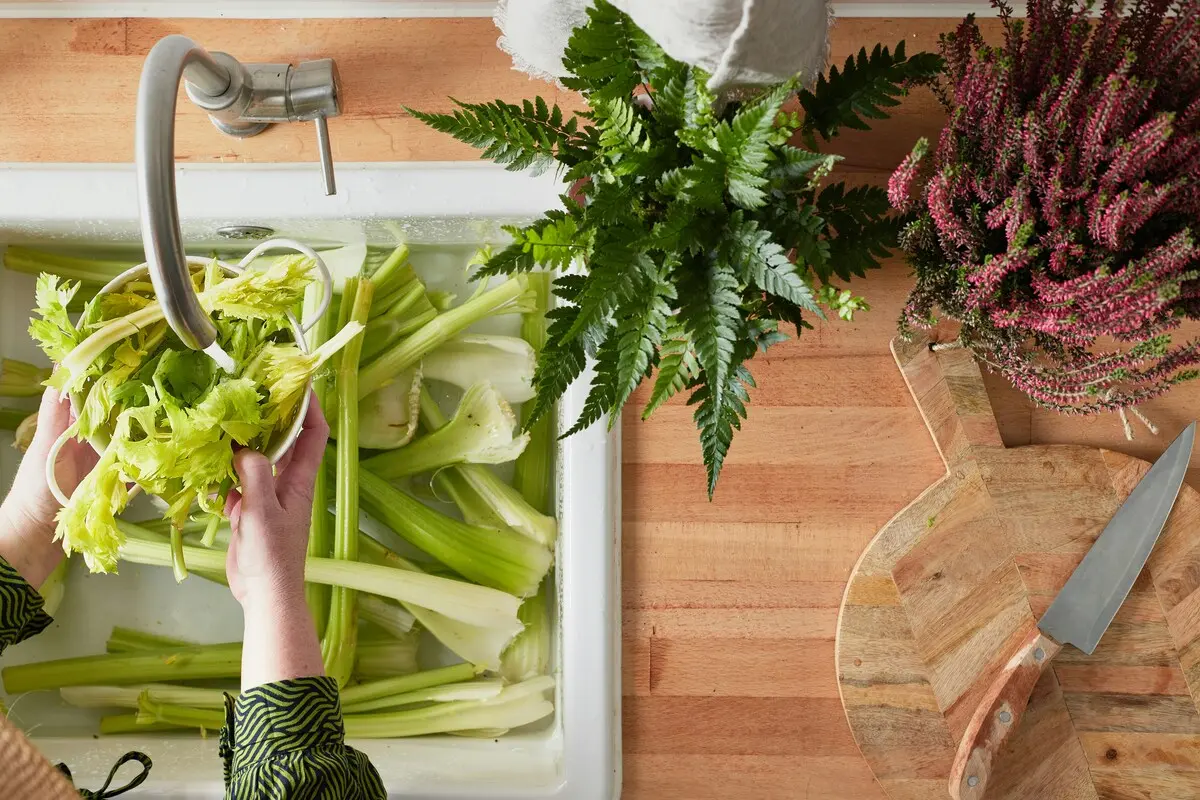
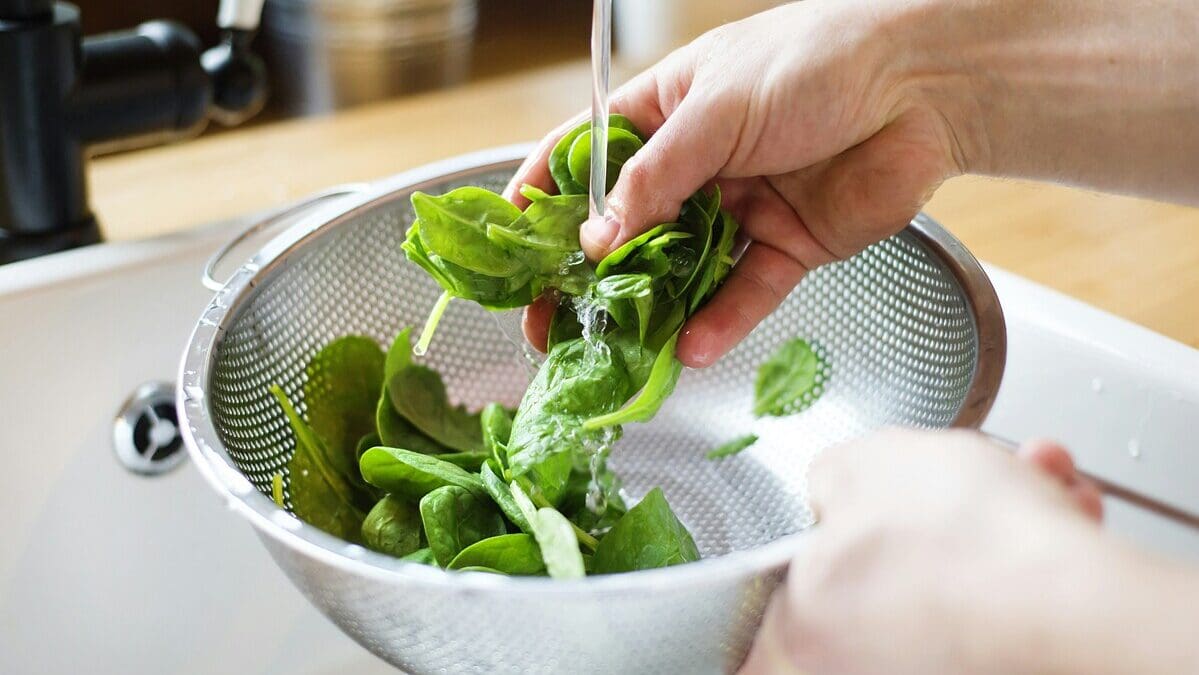
Rinsing greens under running water or soaking them in vinegar and baking soda solutions is a vital practice for reducing pesticide loads and general bacteria. Unfortunately, Cyclospora oocysts possess sticky outer shells. No commercial produce wash, chemical disinfectant, or simple rinse has been proven to reliably eradicate the parasite once it has adhered to leaves or stems. Even produce labeled "pre-washed" carries risks, prompting the CDC to advise consumers to wash greens again—while openly admitting it is not a foolproof defense.
The Power of Heat
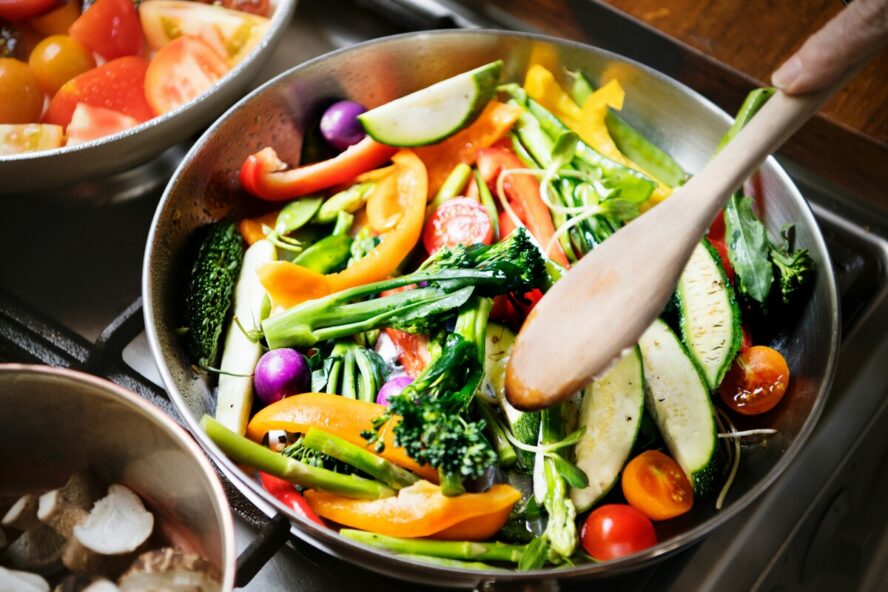
During an active outbreak, temperature is a far more reliable safeguard than water. Cyclospora cannot survive high heat. Cooking food to an internal temperature of 158°F or higher destroys the parasite entirely. For high-risk individuals or areas heavily impacted by outbreaks, pivoting temporarily toward soups, stews, sautées, and thoroughly grilled vegetables offers a much safer culinary route.
Official Responses and Medical Protocols
Public health authorities have mobilized resources to curb the spread, yet diagnosing cyclosporiasis requires specific medical vigilance.
The Diagnostic Hurdle
Standard stool cultures ordered during a routine doctor’s visit often completely miss Cyclospora because standard labs do not screen for parasites unless explicitly requested. Patients experiencing lingering, watery diarrhea that waxes and wanes must explicitly ask their healthcare provider for a Cyclospora-specific stool test (often utilizing molecular testing or modified acid-fast staining).
Treatment and Hydration
Once diagnosed, cyclosporiasis is typically treated with a targeted course of prescription antibiotics, usually a combination of trimethoprim and sulfamethoxazole (TMP-SMZ).
Simultaneously, severe dehydration remains the most dangerous complication of the infection. Frequent, watery diarrhea depletes essential minerals like sodium and potassium far faster than plain water can replenish them. Medical professionals advise incorporating clinical electrolyte solutions, coconut water, or mineral-rich bone broth during the acute phase. Emergency medical attention is warranted if patients exhibit dark urine, an inability to urinate, severe dizziness, confusion, or blood in the stool.
Implications: Why Your Internal Gut Terrain Matters
While exposure to the parasite is the primary catalyst for illness, public health data reveals a glaring truth: not everyone exposed to Cyclospora gets equally sick. Outbreak outcomes vary wildly from person to person. While infectious dose, age, and access to prompt medical treatment matter, functional health practitioners emphasize that your body’s internal "terrain" dictates your vulnerability.
The gut is not a passive pipe through which food travels; it is a sophisticated, highly active ecosystem designed to intercept pathogens before they take root. Several foundational defense layers protect this terrain:
1. Stomach Acid (Hypochlorhydria)
Stomach acid is the body’s ultimate chemical firewall. A properly acidic stomach environment (low pH) destroys the vast majority of ingested pathogens, bacteria, and parasites before they can enter the small intestine. Anything that compromises stomach acid—such as chronic stress, aging, Helicobacter pylori infections, or long-term use of acid-suppressing medications (like proton pump inhibitors)—significantly raises the risk of contracting foodborne illnesses like cyclosporiasis.
2. Bile Acids
Beyond their role in digesting fats, bile acids secreted by the liver carry powerful natural antimicrobial properties, helping regulate and suppress unwanted microbial overgrowth as chyme moves into the small intestine.
3. Gut Motility
Peristalsis—the wave-like muscular contraction of the digestive tract—keeps food and waste moving at a healthy pace. Consistent transit times limit the window of opportunity for opportunistic pathogens to colonize the gut wall.
4. Secretory IgA (sIgA)
As the primary antibody of the mucosal immune system, sIgA coats the lining of the digestive tract, actively binding to and neutralizing foreign invaders and parasites before they can breach the intestinal wall.
5. Microbiome Diversity and Barrier Integrity
A robust, diverse population of beneficial bacteria creates what researchers call colonization resistance. Good bacteria crowd out opportunistic invaders by competing aggressively for space and nutrients while producing their own antimicrobial compounds. Meanwhile, tight junctions maintain the physical integrity of the gut barrier, preventing pathogens from slipping into the bloodstream.

Post-Infection Recovery: Rebuilding the Gut
For those who contract cyclosporiasis and complete their antibiotic regimen, the battle is often only half-won. Parasitic infections cause acute inflammation, and aggressive antibiotic treatments can severely deplete beneficial microbiome populations. It is entirely normal for patients to feel fatigued, bloated, or "off" for weeks after the diarrhea resolves.
Restoring gut resilience requires a thoughtful, phased approach:
- Go Slow with Food: Initially favor easy-to-digest, well-cooked foods (such as broths and stewed meats) over raw, fibrous vegetables.
- Support the Gut Lining: Utilize amino acids like L-glutamine, collagen, and mineral-rich bone broth to repair the mucosal barrier.
- Reintroduce Fiber Gradually: Slowly bring back a diverse array of prebiotic fibers and fermented foods to rebuild microbiome diversity. Targeted spore-based probiotics may also assist in restoring microbial balance under the guidance of a functional practitioner.
- Prioritize Rest: The profound fatigue following a parasitic infection can outlast digestive symptoms by weeks. Giving the body adequate rest is non-negotiable for full cellular repair.
The Bottom Line
The 2026 cyclosporiasis outbreak is a serious public health event that demands caution, awareness, and respect for food safety guidelines. However, fear is not an effective strategy, nor is permanently banishing fresh produce from your diet.
By practicing smart kitchen hygiene—skipping bagged salads of uncertain origin, cooking vegetables when outbreaks peak, and washing what you do eat—you can dramatically lower your external risk. Simultaneously, supporting the foundational pillars of your internal gut health, from optimizing stomach acid to nurturing a diverse microbiome, gives your body its best biological defense against inevitable environmental exposures.
If you develop persistent, watery, cyclical gastrointestinal symptoms, skip the guesswork, call your healthcare provider, and request targeted testing. Combined with timely medical intervention, a resilient, well-supported gut is your strongest ally through outbreak season and beyond.
Disclaimer: This article is for informational and educational purposes only and does not constitute medical advice. If you suspect you have contracted cyclosporiasis or any other gastrointestinal infection, consult a licensed healthcare professional immediately.
