

By CleanTechnica Reporting Team
Metropolitan Manila, Philippines
Main Facts
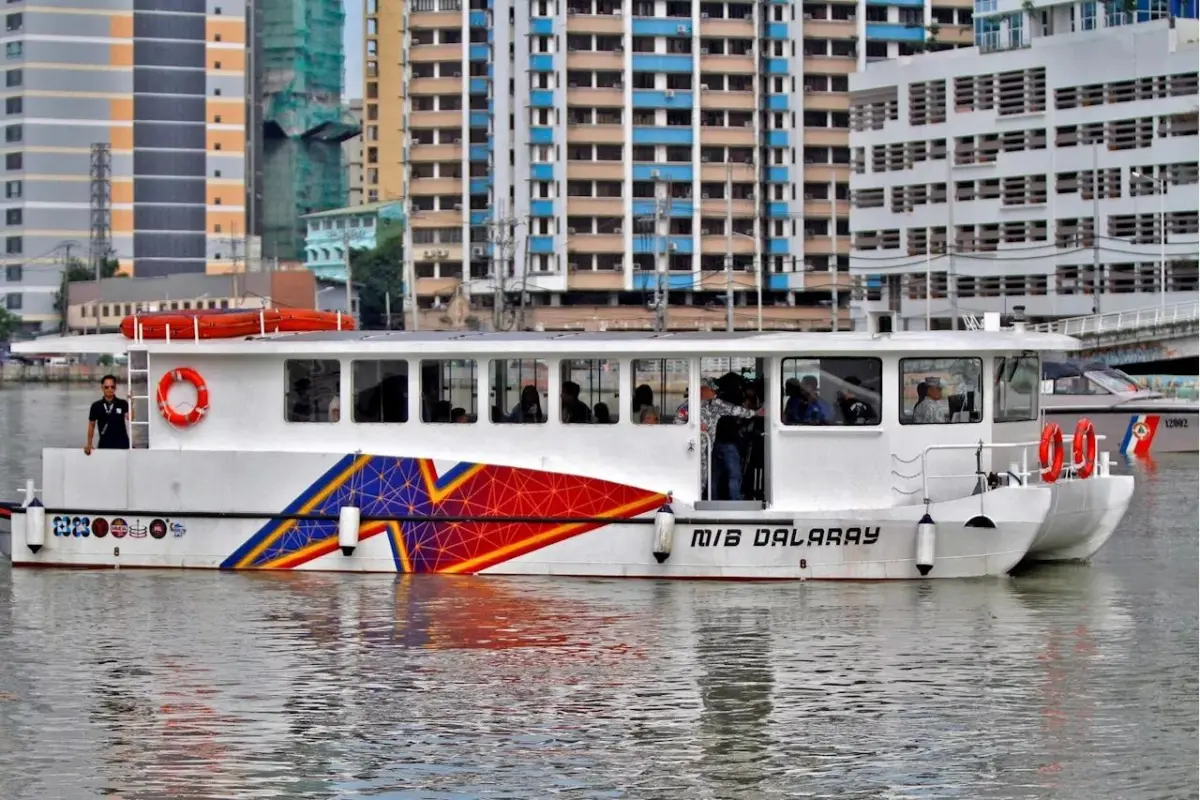
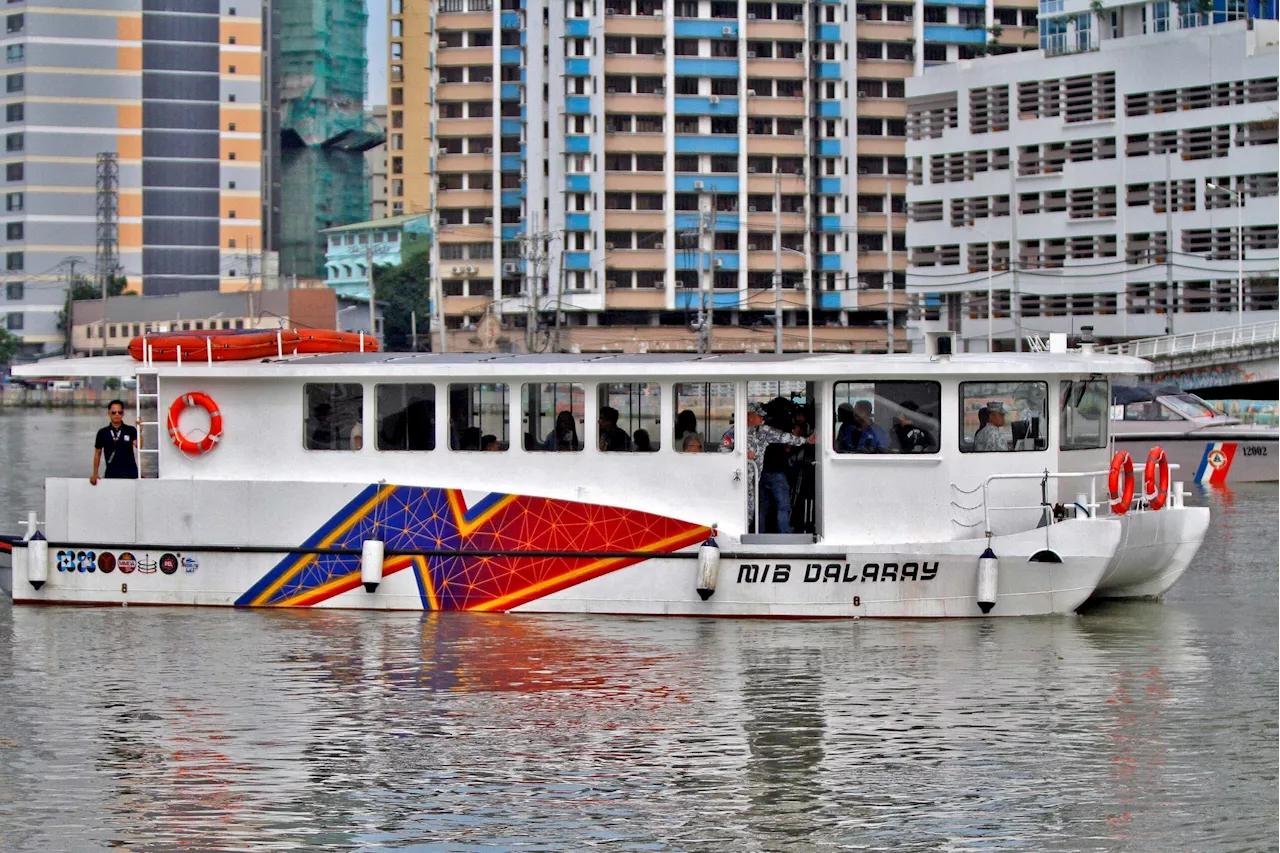
The landscape of urban public transit in Southeast Asia is undergoing a quiet, electric evolution. In the heart of Metro Manila, the Philippines has officially transitioned its first locally designed and manufactured battery-electric passenger ferry from a conceptual prototype into active commercial service. Named the M/B Dalaray, this pioneering vessel is now navigating the historic and heavily congested waters of the Pasig River, marking a significant milestone in the nation’s ongoing quest to decarbonize its transportation networks.
Developed by visionary engineers at the University of the Philippines Diliman (UP Diliman) with critical backing from the Philippine Department of Science and Technology (DOST), the M/B Dalaray represents a homegrown triumph. Rather than relying on imported maritime technology, the 13-meter (43-foot) aluminum catamaran was fabricated entirely at a local shipyard in Navotas, a coastal city within the metropolitan area.
Designed specifically for inland waterways, the ferry is capable of carrying up to 40 passengers alongside a three-person crew. It draws its primary power from a robust 160-kilowatt-hour lithium-ion battery bank, which feeds two 50-kilowatt electric motors. This configuration allows the vessel to achieve a comfortable cruising speed of 8 knots and a maximum range of over 45 kilometers (28 miles) on a single charge—more than enough capacity for its predictable urban route.
Crucially, the vessel also features auxiliary solar panels integrated into its superstructure. While the M/B Dalaray is fundamentally a battery-electric vessel rather than a solar-powered boat, these photovoltaic cells harvest clean energy to power onboard auxiliary loads, including interior lighting and climate-control air conditioning, thereby reducing parasitic draws on the main propulsion battery.
Shore-based charging infrastructure has been strategically deployed along the Pasig River to support the vessel’s daily rotations. Terminals outfitted with dedicated chargers have been established at Escolta in Manila, Guadalupe in Makati, and Napindan in Pasig. These hubs ensure the ferry can seamlessly plug in, top off its batteries, and maintain a rigorous commuter schedule.
Chronology
The realization of the M/B Dalaray is the culmination of years of targeted research, inter-agency collaboration, and rigorous maritime engineering.
- Early 2024: The project officially breaks ground under the auspices of the UP Diliman Electrical and Electronics Engineering Institute (EEEI). Researchers are given a clear mandate: design, prototype, and deploy an electric passenger ferry tailored explicitly to the unique environmental and navigational conditions of Philippine inland waterways.
- Mid-2024 to Mid-2025: Collaboration expands rapidly. The initiative brings together UP Diliman, the DOST, the Metropolitan Manila Development Authority (MMDA), and the Maritime Industry Authority (MARINA). Concurrently, construction of the aluminum catamaran hull commences at a specialized shipyard in Navotas.
- October 2025: The M/B Dalaray is officially launched in a high-profile public ceremony, generating widespread enthusiasm across the country’s burgeoning clean technology sector and setting expectations for an imminent entry into commercial service.
- November 2025: Initial operational trials and crew familiarizations are scheduled, setting the stage for passenger onboarding before the end of the year.
- March 2026: The DOST’s Philippine Council for Industry, Energy and Emerging Technology Research and Development (PCIEERD) officially confirms that the M/B Dalaray has successfully transitioned into active passenger service. The vessel begins operating scheduled commuter runs between the Guadalupe and Escolta ferry stations six days a week, operating from Mondays through Saturdays.
Supporting Data
While the environmental merits of electric propulsion are widely celebrated, the commercial viability of projects like the M/B Dalaray ultimately hinges on hard economic realities. Early operational data released by the project team provides an encouraging glimpse into the financial dynamics of electric inland water transport.
At the vessel’s launch, project developers highlighted a dramatic disparity in energy operating costs when compared to traditional fossil-fueled alternatives:
- Electric Operation: The M/B Dalaray incurs energy operating costs of approximately 45 Philippine pesos per kilometer (roughly $0.80 USD per mile at current exchange rates).
- Diesel Operation: By contrast, a conventional diesel-powered ferry operating along similar urban routes incurs energy costs ranging from 130 to 135 Philippine pesos per kilometer (roughly $2.25 to $2.40 USD per mile).
Note: These figures strictly reflect direct energy operating costs (electricity versus diesel fuel) and do not represent a comprehensive total cost of ownership (TCO) calculation, which must account for capital expenditures, battery degradation, maintenance, and insurance.
Nevertheless, for a vessel making frequent short transits throughout the day, the potential energy savings are substantial.
From a technical standpoint, the ferry’s operational parameters are tightly calibrated to urban demands:
- Vessel Length: 13 meters (43 feet)
- Hull Material: Marine-grade aluminum catamaran
- Passenger Capacity: 40 passengers + 3 crew members
- Battery Capacity: 160 kilowatt-hours (kWh) lithium-ion
- Propulsion Motors: Twin 50-kilowatt electric motors
- Cruising Speed: 8 knots
- Operational Range: >45 kilometers (>28 miles)
- Recharge Time: Approximately 2 to 3 hours from a depleted state using dedicated shore-side infrastructure
Official Responses
Government officials and academic leaders have heavily championed the M/B Dalaray project, viewing it not merely as a localized transit experiment, but as a strategic blueprint for national infrastructure modernization.
Secretary Renato Solidum of the Philippine Department of Science and Technology has been a vocal proponent of expanding the country’s reliance on inland waterways. Beyond routine daily commuting, Secretary Solidum has emphasized that the Pasig River and interconnected water bodies—such as Laguna Lake—serve as vital, underutilized alternative transportation corridors. In the event of a major seismic event or natural disaster that severely disrupts Metro Manila’s notoriously congested road networks, an operational river transit fleet could prove indispensable for emergency evacuations, search-and-rescue logistics, and the movement of essential relief supplies.
Engineers and academic leaders at UP Diliman have similarly underscored the importance of indigenous research and development. By building the vessel locally, Filipino engineers have retained critical intellectual property, fostered local shipyard capabilities, and demonstrated that domestic talent can successfully navigate the complexities of modern clean-tech manufacturing.
Representatives from the Maritime Industry Authority (MARINA) and the Metropolitan Manila Development Authority (MMDA) have also praised the cooperative framework of the project, noting that public-private and inter-agency synergy was essential in cutting through bureaucratic red tape to secure docking space, electrical grid connections, and passenger safety certifications.

Implications
The deployment of the M/B Dalaray carries profound implications for the future of Philippine mobility, urban planning, and environmental stewardship.
Alleviating Urban Gridlock
Metro Manila is globally renowned for its severe traffic congestion, which costs the regional economy billions of pesos annually in lost productivity and burns countless gallons of fossil fuels in stationary gridlock. By activating the Pasig River as a viable, zero-tailpipe-emission transit corridor, the city gains an alternative commuting artery that bypasses road traffic entirely. Passengers traveling between Guadalupe and Escolta can now bypass choked avenues, enjoying a quieter, smoother, and completely emission-free journey across the metropolis.
Blueprint for an Archipelago
As an archipelagic nation comprising more than 7,000 islands, the Philippines relies heavily on water transport. Millions of citizens in coastal and riverine communities depend on boats as their primary—or sole—connection to commerce, education, and healthcare. If the operational data gathered from the M/B Dalaray proves favorable throughout 2026, the underlying design principles can be scaled, standardized, and deployed across inter-island routes, tourism corridors, and provincial lake systems.
The Road Ahead: Overcoming Scalability Hurdles
Despite the undeniable successes of the launch and early service, industry analysts emphasize that turning a successful research prototype into a widespread commercial fleet will require rigorous scrutiny.
The M/B Dalaray was developed under a research and development framework, meaning its initial price tag absorbed engineering, testing, and custom fabrication costs that would be prohibitive for private commercial operators seeking mass production. Moving forward, stakeholders must closely monitor several critical performance metrics:
- Energy Consumption & Efficiency: Verifying real-world kilowatt-hour consumption figures against theoretical computer models during varying tidal and weather conditions.
- Battery Longevity: Assessing how the 160 kWh lithium-ion battery pack degrades over hundreds of rigorous daily charge-discharge cycles.
- Infrastructure Reliability: Ensuring that the shore-based charging stations in Escolta, Guadalupe, and Napindan maintain high uptime and stable grid connectivity.
- Maintenance Costs: Quantifying the long-term upkeep requirements of the electric drivetrain compared to conventional internal combustion diesel engines.
Conclusion
The M/B Dalaray stands as a powerful proof of concept. It demonstrates conclusively that Filipino engineers can design, fabricate, and operate a modern battery-electric vessel tailored to local waterways. However, as transportation experts often note, one working ferry is merely a proof of concept; a thriving, self-sustaining fleet will be the ultimate proof that the electric revolution on water is here to stay. As the data rolls in from its daily voyages along the Pasig River, the M/B Dalaray may well be writing the first chapter of a cleaner, greener maritime future for the entire Philippines.
