

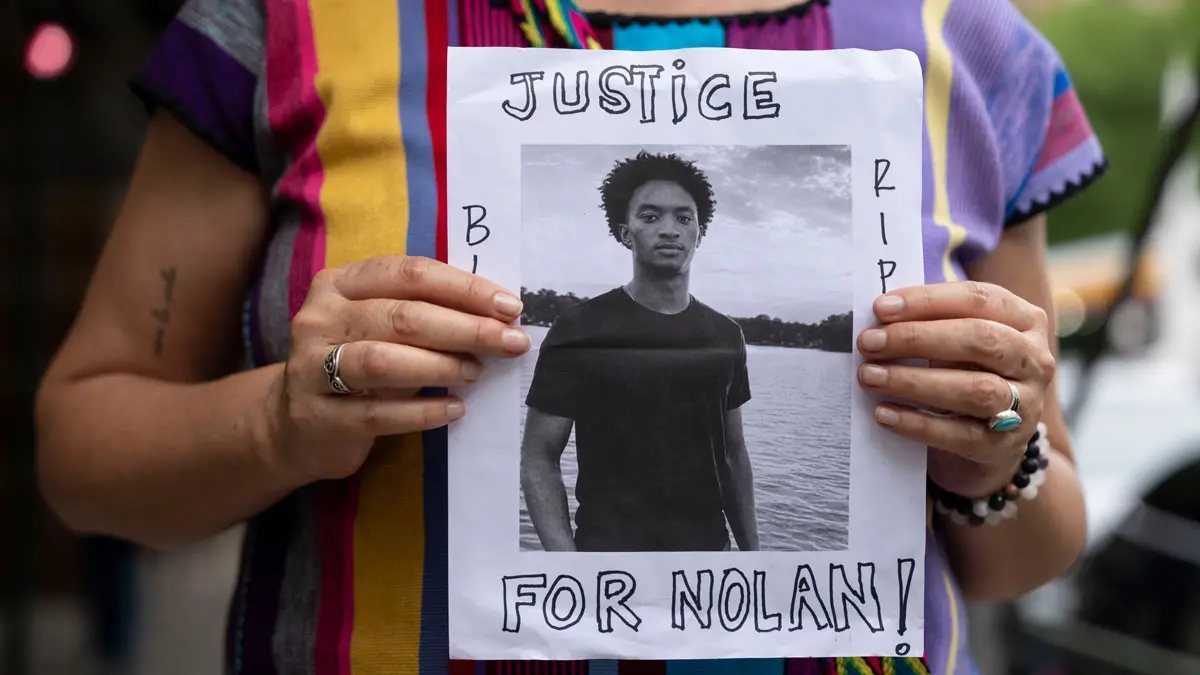
This investigative essay examines systemic racial violence, the emotional toll of Black parenting in the United States, and the intersection of social justice and spiritual practice. Written in the wake of high-profile tragedies, it reflects a growing movement of faith-based advocates confronting state-sponsored and vigilante violence.
Main Facts
The ongoing crisis of racial violence in the United States continues to exact a devastating toll on Black families and communities. The killings of teenagers Nolan Xavier Wells and Daniel Erving have reignited national conversations about the systemic dangers faced by Black youth. These tragedies are part of a continuous, distressing timeline of extrajudicial killings and police violence, underscored by the subsequent police killings of Corey Ruiz in Madison, Wisconsin, and unarmed Anthoneil Williams II in Austin, Texas.
For Black parents in the United States, raising children requires a deeply conscious, often agonizing balancing act. It demands constant observation of a child’s developmental stages while simultaneously recognizing the omnipresent threat of state and vigilante violence. Renowned civil rights attorney Ben Crump was retained by the Wells family on July 7, and subsequently by the Erving family on July 13, to secure accountability and justice—highlighting a recurring reliance on legal representation to combat institutional impunity.
This environment of pervasive risk forces parents to weigh the preservation of their children’s psychological well-being against the urgent necessity of preparing them for a society structured by racial hostility. Grounded in perspectives from the Buddhist Justice Reporter—an organization founded by Black, Indigenous, and People of Color (BIPOC) Buddhists in response to the murder of George Floyd and inspired by the anti-lynching legacy of Ida B. Wells-Barnett—this crisis challenges spiritual practitioners to reconcile philosophies of inner peace with the righteous, clarifying fire of public anger.
Chronology of Escalating Tragedies
To understand the profound grief rippling through Black communities, one must examine the compressed and relentless timeline of violence that defines contemporary American life:
- Early July: The families of Nolan Xavier Wells and Daniel Erving suffer catastrophic losses, prompting national mourning and demands for independent investigations.
- July 7: Civil rights attorney Ben Crump is officially retained by the Wells family to represent them in their pursuit of accountability.
- July 13: Attorney Ben Crump is retained by the Erving family, further consolidating national legal advocacy around these two distinct communities seeking justice.
- Mid-July: Five days following the initial composition of foundational essays addressing these deaths, police in Madison, Wisconsin, kill Corey Ruiz.
- Late July: Just one week after the Madison incident, police in Austin, Texas, shoot and kill unarmed Anthoneil Williams II.
This accelerated sequence demonstrates that these tragedies are not isolated incidents but systemic failures deeply embedded in the American law enforcement and social fabric.
Supporting Data and Historical Context
The psychological and physical dangers faced by Black youth do not emerge in a vacuum; they are the legacy of centuries of structural oppression.
- Historical Roots: The modern paranoia surrounding the "actualized and realized Black person" is a direct residue of colonialist history, centuries of chattel slavery, persistent racial degradation, and ongoing socioeconomic marginalization.
- Political Exploitation: Cultural anxieties and racial stereotypes are routinely weaponized for political gain, manufactured to justify human rights abuses, mass incarcerations, and the systemic targeting of communities of color.
- The Prison Industrial Complex: Black children are introduced prematurely to a lexicon of criminalization—words like arrest, jail, prison, sentence, mob, and public defender. This vocabulary reflects the reality that marginalized bodies are disproportionately absorbed by the prison-industrial complex and racial profiling quotas.
- Linguistic Profiling: Beyond physical safety, systemic bias manifests in language and accent profiling, which gatekeeps due process and determines who is deemed legitimately "American" under the law.
Official Responses and Legal Representation
The institutional response to these frequent tragedies has long relied on the tireless efforts of civil rights legal teams rather than proactive governmental reform.
Prominent attorney Ben Crump has repeatedly stepped into the vacuum left by institutional accountability. By representing the Wells and Erving families, Crump’s legal interventions bring national media attention and structural pressure to bear on local jurisdictions that might otherwise obscure the details of police misconduct and wrongful deaths.
However, the necessity of such intervention underscores a grim reality: the relentless reliance on legal crusaders to fight for basic human rights highlights systemic indifference. As advocates note, while figures like Crump are indispensable, the ultimate tragedy is that their specialized labor remains perpetually in demand. Simultaneously, faith communities and spiritual leaders are increasingly breaking their silence, refusing to let doctrines of spiritual detachment or political neutrality mask the urgent human suffering caused by systemic racial violence.
Implications: Raising Black Children in an Unaffirming Culture
The implications of this ongoing crisis extend far beyond the courtroom, penetrating the most intimate spaces of family life, psychological development, and spiritual practice.
The Burden of Vigilance
Black parents must navigate a profound paradox: they must cultivate joy and resilience in their children while simultaneously instilling a protective dread. This is not driven by pessimism, but by survival. Parents must discern the precise developmental inflection point when a child can comprehend that their physical body is viewed as a threat by the state, without fracturing their ego-strength or self-worth.
Spiritual Resistance and Anger
For spiritual practitioners, particularly within Buddhist traditions, encountering state-sanctioned violence challenges foundational concepts of equanimity. Rather than employing meditation to douse the flames of anger with "dharma-softening deep breathing," advocates argue that righteous anger must be embraced. This anger serves as a clarifying heat—a catalyst that forces practitioners to look unblinkingly at the structural triad of greed, delusion, and ignorance. True spiritual awakening in the face of systemic injustice requires dismantling the chaos, naming the causes of suffering, and demanding structural transformation.
Practical Protective Measures
The urgency of this moment has forced parents to adopt stark, realistic precautions for daily life. Conversations once considered radical are now essential for physical survival. For example, parental guidance now frequently includes explicit public safety directives, such as advising Black youth to navigate public spaces exclusively in the company of protective Black adults to mitigate the risks of racial profiling and potential violence—even from peers.
Ultimately, the confluence of these events signals that the United States remains at a critical moral crossroads. Until systemic racism, colonialist paranoia, and institutional impunity are actively dismantled, Black families will continue to walk the razor’s edge between profound joy and existential dread, sustained only by an unwavering commitment to community, accountability, and justice.
