


Embarking on a weight loss journey often feels like managing a complex logistical operation. Between maintaining a daily caloric deficit, monitoring protein macro-splits, hitting step goals, and ensuring adequate micronutrient intake, the cognitive load can quickly lead to burnout. For millions seeking a structured support system, digital interventions have become the go-to solution. But with hundreds of options crowding app stores, determining which platforms deliver meaningful results—and which are merely digital fads—requires a closer look.
To cut through the marketing noise, Organic Authority product testing teams, alongside registered dietitians, evaluated the top weight loss apps on the market. Using rigorous criteria ranging from clinical backing and food database accuracy to human support and cost transparency, this guide breaks down the best tools available to help you achieve sustainable health outcomes.

Main Facts: What Recent Research Tells Us About Weight Loss Apps
The digital health landscape is shifting rapidly, backed by a growing body of clinical literature. A landmark 2026 meta-analysis published in Scientific Reports analyzed 23 studies encompassing 30 health app-based trials. The findings revealed a clear advantage for app users: after six months, individuals utilizing mobile health applications as part of their regimen lost an average of 2.07 kg (approx. 4.5 lbs) more than waitlist control groups, and 1.64 kg more than those in non-app intervention groups.
However, the analysis uncovered a surprising reality. No single isolated feature—whether a prescribed menu, structured social support, or direct medical staff involvement—acted as the primary driver of success. Instead, researchers theorize that the act of consistently using an app keeps weight loss at the forefront of the user’s mind, fostering behavioral awareness that naturally improves overall outcomes.

To help consumers navigate this space, experts evaluated platforms across six vital metrics:
- Evidence and Clinical Grounding: Scientific backing and integration of credentialed health professionals.
- Food Logging Quality: The reliability, vetting process, and source of database entries.
- Human Support: Access to registered dietitians or trained health coaches for accountability.
- Cost and Access: Upfront pricing, hidden fees, and potential insurance or FSA/HSA reimbursement options.
- Personalization: Adaptability to changing weight goals, dietary preferences, and metabolic shifts.
- Continuity of Care: The availability of functional free tiers or transition pathways once premium subscriptions end.
Chronology and Industry Evolution: How Weight Loss Tech Got Here
The evolution of weight loss technology mirrors broader shifts in consumer tech and healthcare reimbursement.

- The Early Trackers (Late 2000s): Platforms like Lose It! (launched in 2008) and MyFitnessPal pioneered the digital calorie-counting movement, shifting the paradigm from paper food journals to crowd-sourced smartphone databases.
- The Psychology Shift (2010s): Recognizing that calorie counting alone often failed to address the root causes of overeating, apps like Noom introduced cognitive behavioral therapy (CBT) frameworks, gamifying weight loss through psychological mini-lessons and color-coded food densities.
- The Rise of Clinical Integration (2020–2025): The integration of wearable fitness technology (such as smartwatches and rings) transformed passive step-counters into holistic health dashboards. Simultaneously, platforms like Weight Watchers restructured their points ecosystems (introducing flexible "Modes" and GLP-1 companion programs) to adapt to shifting pharmacological landscapes.
- The Era of Insurance-Covered Tele-Nutrition (2026): Today, the market has pivoted toward specialized, insurance-backed nutrition care. Services like Nourish bridge the gap between technology and clinical medicine, allowing 94% of users to access registered dietitians with zero out-of-pocket costs through major health insurance carriers.
Supporting Data: Comparative Overview of Top Weight Loss Apps
| App | Best For | Starting Price | Free Tier Available? | Human Support | Insurance Accepted? |
|---|---|---|---|---|---|
| Nourish | Insurance-covered dietitian care | $145/session (uninsured) | No | Registered Dietitian (Telehealth & Messaging) | Yes (94% pay $0 via insurance) |
| Noom Weight | Behavior change psychology | $17.42/mo (annual) / $39+ (clinical) | 7-day trial only | Texting support via health coaches | No (possible via Noom Med tiers) |
| MyFitnessPal | Food database breadth | $19.99/mo or $79.99/yr (Ad-free) | Yes (basic tracking & syncing) | None | No |
| Lose It! | Beginner-friendly tracking | $79.99/yr; $229–$299 (lifetime) | Yes (logging & basic tracking) | None | No (requires Letter of Medical Necessity) |
| Weight Watchers | Structured points system | $12+/mo (Core); $22+/mo (Premium) | None | Workshops & coaches (non-medical) | Sometimes via employer benefits |
| MacroFactor | Adaptive macro targets | $11.99/mo; $71.99/yr | 7- or 14-day trial | None | No |
| Cronometer | Micronutrient detail | $10.99/mo or $59.99/yr (Gold) | Yes (database, targets, basic syncing) | None | No |
| Google Health | Movement and steps | $9.99/mo or $99.99/yr | Yes (basic exercise tracking & syncing) | None | No |
Deep Dive: The 8 Best Weight Loss Apps Reviewed
1. Nourish: Best for Insurance-Covered Dietitian Care
While technically a dietitian telehealth service rather than a standard self-guided tracking app, Nourish stands out as a premier platform for gaining professional, insurance-backed nutritional guidance. Operating across all 50 U.S. states, Nourish partners with major providers including Aetna, Cigna, UnitedHealthcare, and Blue Cross Blue Shield.
- The RD Verdict: Clinical research indicates that medical nutrition therapy paired with registered dietitian oversight significantly aids weight management in overweight and obese populations. Because clients are matched with credentialed professionals based on personal health profiles, the advice is scientifically grounded, highly personalized, and adaptable.
2. Noom Weight: Best for Behavior Change Psychology
Noom moves away from strict calorie counting, employing a psychology-first curriculum rooted in cognitive behavioral therapy (CBT). Through daily quizzes, short articles, and bite-sized lessons, it helps users untangle emotional eating triggers. Its food tracker utilizes a simplified green, yellow, and orange color-coding system based on calorie density.

- The RD Verdict: Studies show Noom is effective for sustained weight loss compared to traditional education materials. However, its food database is heavily crowd-sourced and lacks the granular macronutrient detail needed for specialized nutritional goals.
3. MyFitnessPal: Best Food Database Breadth
Boasting over 20 million food entries, MyFitnessPal remains a household name in calorie tracking. Premium features include barcode scanning, AI-powered meal logging, intermittent fasting tracking, and robust wearable device integration.
- The RD Verdict: While its global database is expansive, it is largely crowd-sourced, meaning entries can occasionally lack accuracy. It is highly reliable for tracking core macronutrients (calories, protein, fats, carbs) but lacks direct clinical coaching.
4. Lose It!: Best Beginner-Friendly Tracking
Launched in 2008, Lose It! features a streamlined interface, quick onboarding, and an active community forum where users share recipes and motivation. Premium tiers offer barcode scanning, photo food logging ("Snap It"), and automated wearable syncing.

- The RD Verdict: Excellent for beginners looking for a low-friction entry point into macro-tracking. While its free tier offers basic logging, users looking for custom macro targets will need to upgrade to a paid or lifetime subscription.
5. Weight Watchers (WW): Best Structured Points System
Weight Watchers relies on its proprietary Points® system, which factors in calories, protein, fiber, added sugars, and fats. Its modern "Modes" feature lets users toggle between "Lose," "All-In" (accelerated thresholds), and "Maintain" modes.
- The RD Verdict: WW is backed by robust clinical data showing consistent weight loss efficacy. However, users seeking deep macro/micronutrient tracking may find the points system overly generalized unless they upgrade to higher tiers that include clinical support.
6. MacroFactor: Best Adaptive Targets
MacroFactor uses a data-driven approach featuring a Total Daily Energy Expenditure (TDEE) calculator. By pairing food logs with a "Trend Weight" metric that filters out daily water fluctuations, the app automatically adjusts your calorie and macro targets weekly based on metabolic adaptation.
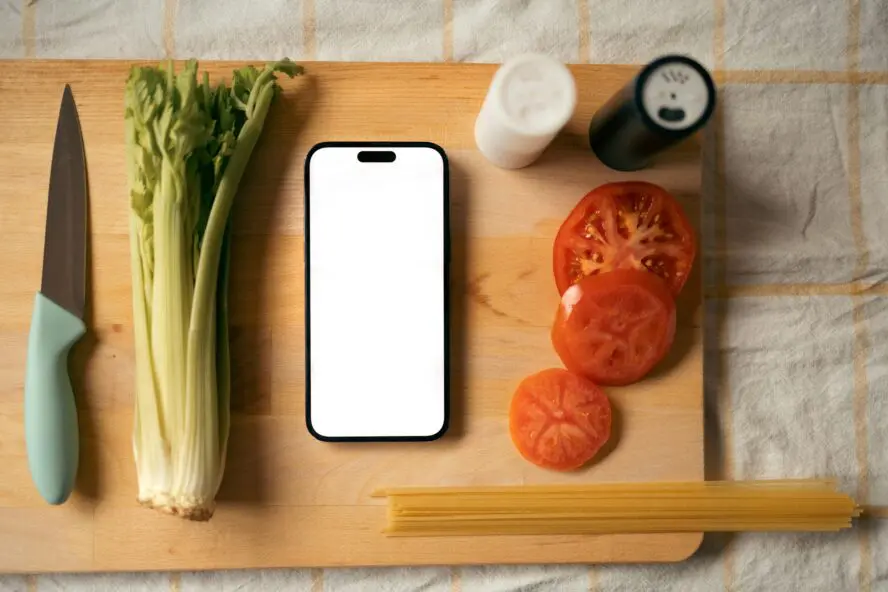
- The RD Verdict: Ideal for data-driven users. It utilizes 100% lab-grade, verified databases (like the USDA) and features a compliance-neutral interface that avoids punitive feedback for overeating days.
7. Cronometer: Best Micronutrient Detail
For those who want to track down to the last vitamin and mineral, Cronometer offers lab-verified data pulled from strict databases like the NCCFD and USDA. Every submitted food entry is vetted by in-house health professionals.
- The RD Verdict: The gold standard for precision tracking. While it functions primarily as a self-directed diary on its free tier, the Gold plan unlocks advanced multi-day nutritional reporting and AI-assisted oracle search tools.
8. Google Health (Formerly Fitbit): Best for Movement and Steps
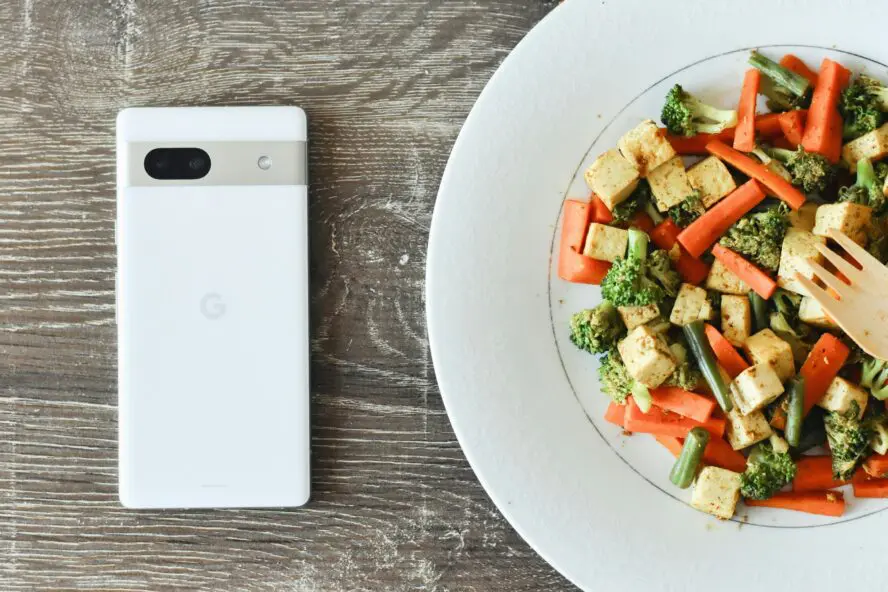
Following its rebrand, Google Health focuses on holistic wellness metrics—tracking sleep, step counts, heart rate, and active calories burned. While it does not feature a native food logger, it syncs seamlessly with nutrition apps like MyFitnessPal.
- The RD Verdict: Best utilized as an overarching activity dashboard. While it lacks native meal-planning tools, its integration capabilities make it a strong secondary companion for physical activity tracking.
Official Responses and Industry Trends
As the digital health sector matures, regulatory bodies and healthcare providers are increasingly emphasizing the distinction between passive software and clinical intervention. Industry leaders note that while apps are powerful tools for self-awareness, they cannot replace individualized medical advice—particularly as the adoption of GLP-1 receptor agonist medications accelerates.
Platforms like Weight Watchers and Noom have responded by expanding their clinical tiers (Noom Med and WW Clinic) to offer integrated pharmacological support alongside behavioral coaching. Conversely, clinical nutrition platforms like Nourish advocate for a hybrid model where technology facilitates direct, insurance-reimbursed care between patients and licensed dietitians.
Implications for Consumers
Choosing the right weight loss app ultimately depends on individual psychology, lifestyle constraints, and personal health objectives.
- Financial Considerations: While baseline apps range from free to roughly $130 annually, consumers should verify whether their health insurance plans or Flexible Spending Accounts (FSAs/HSAs)—often accompanied by a Letter of Medical Necessity—might cover premium app memberships or telehealth nutrition services.
- Behavioral Sustainability: The most effective app is not necessarily the one with the most features, but the one you will consistently use without experiencing logging fatigue. Experts recommend utilizing free trials to test interface compatibility before committing to long-term subscriptions.
Summary Takeaways from Registered Dietitians
- Consistency Trumps Perfection: App-based tracking works primarily by keeping dietary mindfulness front-and-center.
- Human Support Enhances Outcomes: Platforms integrating real-time human accountability (such as registered dietitians or health coaches) generally produce superior long-term results compared to purely automated algorithms.
- Data Accuracy Varies: Crowd-sourced databases (like MyFitnessPal and Lose It!) offer massive breadth but potential inaccuracies, whereas lab-verified databases (like Cronometer and MacroFactor) offer scientific precision.
