

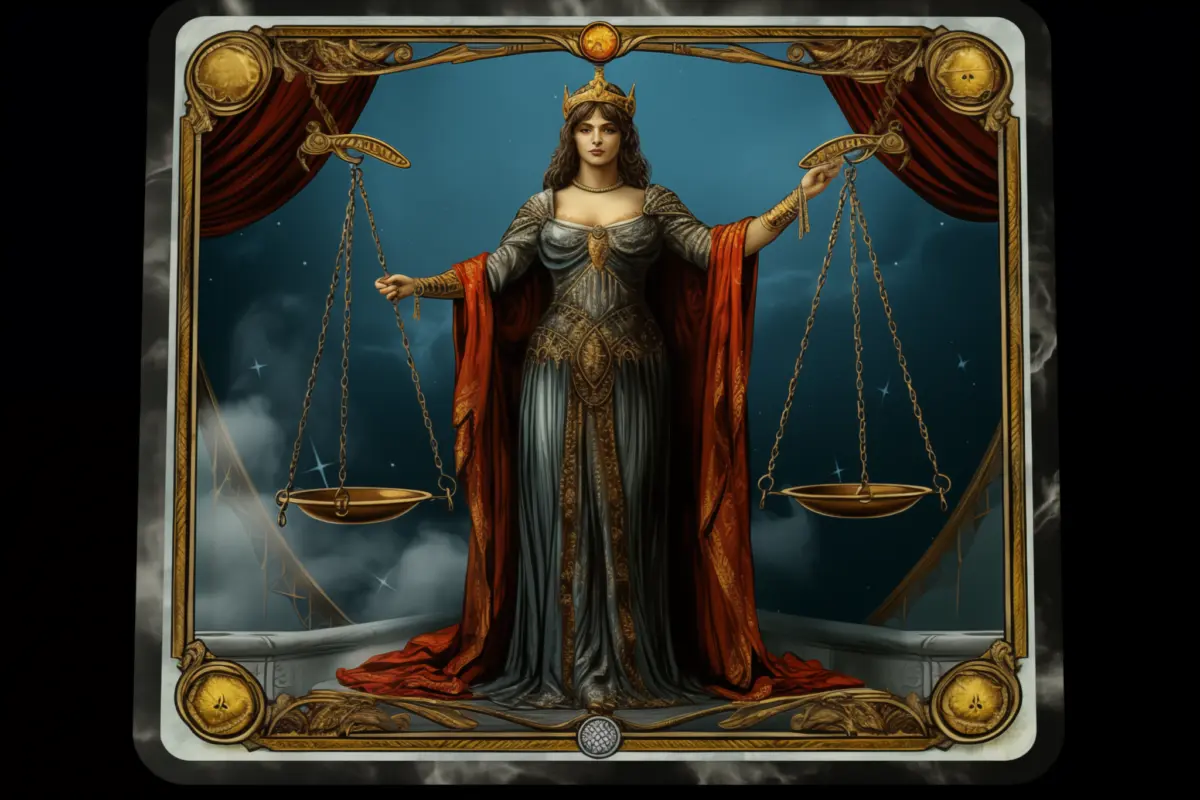
By Tarosophy Archives
Originally published in Tarosophy (2011) by Marcus Katz | Updated for the Modern Practitioner
Main Facts: The Modern Legal Reality for UK Tarot Readers
For decades, practitioners of tarot, divination, and esoteric arts in the United Kingdom have navigated a labyrinth of public perception, media sensationalism, and misunderstood legislation. Despite persistent urban legends and sensationalist tabloid headlines claiming that spiritual services, mediumship, and fortune-telling have been outlawed, the reality is far more grounded.
Today, there are no specific laws in the United Kingdom that explicitly target, ban, or regulate tarot reading, witchcraft, or divination. Instead, professional tarot readers and esoteric practitioners are governed by the exact same overarching consumer protection and trade legislation that applies to every other small business, freelancer, and service provider in the country.
The primary regulatory framework governing commercial tarot reading is the Consumer Protection from Unfair Trading Regulations 2008 (CPRs). Stemming from European Union directives designed to stamp out rogue traders and deceptive sales tactics, these regulations focus entirely on commercial fairness, honesty, and transparency. They do not evaluate the metaphysical accuracy of a reading, nor do they mandate that readers include disclaimers such as "for entertainment purposes only."
As long as a practitioner operates transparently, avoids aggressive high-pressure sales techniques, does not make fraudulent medical claims, and ensures that clients fully understand what they are purchasing, commercial tarot reading is entirely legal and legitimate under British law.
Chronology: The Evolution of UK Law Regarding Witchcraft and Divination
To understand how the legal landscape has shifted for modern practitioners, it is essential to look back at the historical framework that previously governed esoteric services in the UK. For centuries, the law viewed divination through a lens of suspicion, criminalizing spiritual practices under archaic statutes.
1. The Witchcraft Act (1542)
Enacted during the reign of King Henry VIII, the original Witchcraft Act made the invocation of spirits, witchcraft, and sorcery a felony punishable by death and the forfeiture of goods. This set a harsh legislative precedent criminalizing esoteric traditions, though it was subsequently repealed in 1736 and replaced with laws targeting fraudulent claims of magical powers.
2. The Vagrancy Act (1824)
For nearly two centuries, fortune-tellers and esoteric practitioners were primarily prosecuted under the sweeping umbrella of the Vagrancy Act 1824. Section 4 of this act famously penalized “every person pretending or professing to tell fortunes, or using any subtle craft, means, or device, by palmistry or otherwise, to deceive and impose on any of his Majesty’s subjects.” Originally designed to target vagrants and traveling con artists, this statute was frequently utilized by authorities to crack down on public psychic readings and spiritualist mediums.
3. The Fraudulent Mediums Act (1951)
In an effort to modernize the law and protect genuine spiritualist religious practices from the sweeping penalties of the Vagrancy Act, Parliament passed the Fraudulent Mediums Act 1951. This legislation repealed the older fortune-telling laws, requiring prosecutors to prove that a person claiming to act as a medium or practicing purporting to divine events was acting with fraudulent intent for monetary gain.
4. The Consumer Protection from Unfair Trading Regulations (2008)
The legal landscape shifted dramatically on May 26, 2008, when the Fraudulent Mediums Act 1951 was officially repealed and replaced by the Consumer Protection from Unfair Trading Regulations 2008. Implemented to harmonize UK consumer law with European standards, this modern framework abolished archaic, industry-specific criminal statutes. It replaced them with a broad, market-wide standard of fair trading that applies equally to plumbers, accountants, and tarot readers alike.
Supporting Data: Understanding the Consumer Protection Regulations 2008
When the CPRs were introduced in 2008, they triggered a wave of media panic. Major news outlets, including the BBC, The Times, and The Daily Telegraph, published sensationalized reports warning that mediums, spiritualists, and fortune-tellers were being forced to brand their work as "entertainment only" to avoid criminal prosecution.
According to legal analysis by qualified solicitor Anne Davies, these reports were largely the result of scaremongering and media amplification. A careful examination of the legislation reveals that the regulations focus strictly on commercial fairness, categorized into four primary enforcement areas:
- The General Ban on Unfair Trading: Acting as a regulatory safety net, this rule bans commercial practices that fall below the professional diligence and good faith expected in an honest marketplace.
- Misleading Practices: Prohibits deceptive messages, false claims, or the omission of vital information required for a consumer to make an informed purchasing decision.
- Aggressive Sales Techniques: Outlaws harassment, coercion, or the exertion of undue influence to force a consumer into a transaction.
- 31 Banned Practices: A specific list of outlawed commercial behaviors.
Key Provisions Relevant to Esoteric Practices
Out of the 31 explicitly banned practices within the 2008 regulations, two carry specific relevance for service-based businesses like tarot reading:
- Provision 17: Falsely claiming that a product is able to cure illnesses, dysfunction, or malformations. (Aimed at fraudulent actors claiming to remove curses or cure physical ailments through metaphysical products).
- Provision 20: Describing a product as gratis, free, or without charge if the consumer has to pay anything other than unavoidable delivery costs. (Targeting direct-mail scams charging exorbitant "processing fees" for supposedly free blessed items).
Crucially, the regulations define a "product" to include professional services. However, an honest, transparent tarot reader who treats clients with respect and emphasizes personal accountability cannot reasonably be penalized under these provisions.
Official Responses and Government Clarifications
To clear up widespread confusion among practitioners, government bodies and regulatory agencies issued clarifying statements regarding how the new laws applied to psychic and spiritual services.
The Department for Business, Enterprise and Regulatory Reform (BERR) addressed inquiries from the tarot community directly, confirming that the regulations are primarily concerned with how traders market their services:
"For a practice to be unfair under the first three categories it must harm, or be likely to harm, the economic interests of consumers. Where a person pays to have a tarot reading knowing full well what he is buying we think this is unlikely to be unfair… Provided this is not misleading we do not believe tarot readers will need to give disclaimers saying that the reading is for ‘entertainment purposes only’."
The official guidance emphasized that the regulations do not police the subjective quality, accuracy, or metaphysical validity of a service. Instead, enforcement agencies—namely the Office of Fair Trading (OFT) and local authority Trading Standards Services—focus their limited resources exclusively on egregious, predatory practices that cause significant consumer financial detriment.
Implications and Best Practices for Modern Tarot Professionals
While the legal framework confirms that professional tarot reading is entirely permissible under UK law, practitioners are wise to adopt proactive measures to protect their businesses, maintain professional credibility, and ensure complete compliance with consumer and tax legislation.
Practical Steps for Legal and Professional Security
- Align with Professional Standards: Joining reputable industry bodies, such as the Tarosophy Tarot Association, demonstrates a commitment to ethical standards and ongoing professional education.
- Pursue Relevant Training: While formal certification in tarot is not legally required, undertaking structured training courses, counseling qualifications, or certifications in neuro-linguistic programming (NLP) enhances professional competence and client communication.
- Assess Client Readiness: Maintain professional boundaries by discerning between clients seeking constructive insight versus those looking for absolute life directives. If a client exhibits vulnerability or expects the cards to make life-altering decisions for them, provide a verbal disclaimer emphasizing personal agency, or gently decline the reading.
- Maintain Transparent Records: Keep basic administrative records of professional readings, including dates, times, client names, and general session details. This establishes a clear, verifiable paper trail demonstrating a legitimate business operation.
- Secure Proper Insurance: Protect your practice by acquiring appropriate business insurance. Ensure you hold public liability and professional indemnity insurance. If clients visit your home for readings, notify your homeowner’s insurance provider to maintain full policy validity.
- Comply with Tax Obligations: Register your business correctly with HM Revenue & Customs (HMRC), keep accurate financial records, and submit regular self-assessment tax returns. Anecdotal evidence suggests that a disgruntled client is far more likely to report a reader to HMRC for tax irregularities than to Trading Standards over the nature of a reading.
- Utilize Disclaimers and Flyers: Provide clear promotional materials and post-reading disclaimers reminding clients that tarot offers insight rather than definitive mandates, and that individuals retain full responsibility for their own life choices.
- Exercise Professional Discretion: Be mindful of public venues and event organizers. If an event or community space is resistant to esoteric services, avoid forcing your presence. Respect local sensitivities to prevent unnecessary friction or hostile receptions.
By combining common sense, ethical business practices, and a clear understanding of modern consumer regulations, tarot professionals in the United Kingdom can practice with confidence, security, and absolute peace of mind.
