


WASHINGTON — In a policy pivot that has alarmed public health advocates, environmental attorneys, and agricultural communities alike, the U.S. Environmental Protection Agency (EPA) has officially scrapped a scheduled, comprehensive risk assessment regarding the use of PFAS-contaminated sewage sludge as agricultural fertilizer.
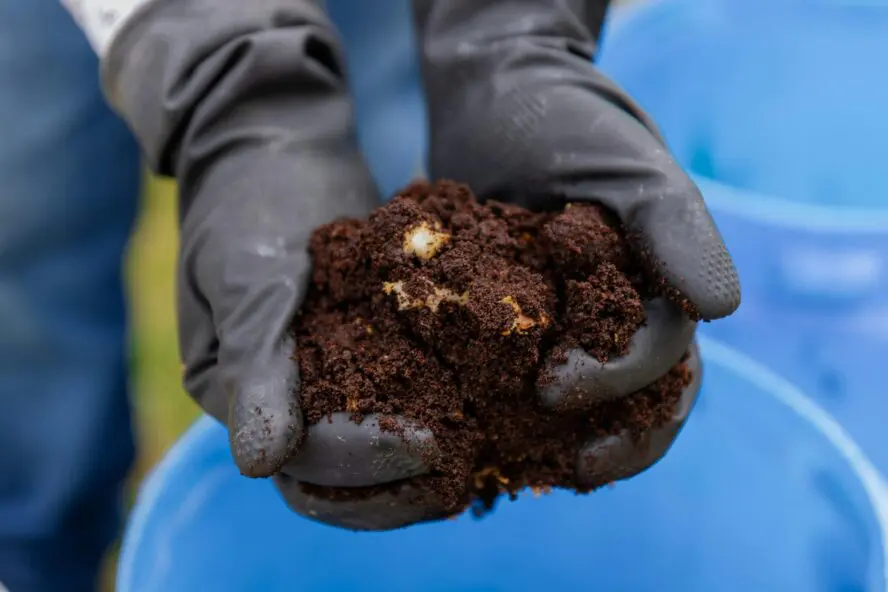
The decision discards a robust, 272-page scientific body of work initiated under the Biden administration less than two years ago. By walking back this regulatory review, the agency has effectively greenlit the continuation of a widespread practice: the spreading of industrial and municipal waste, known commonly as "biosolids," across approximately 60% of all agricultural land in the United States.
Instead of moving forward with federal oversight or potential bans, the current administration has replaced the extensive scientific assessment with a brief, nine-page guidance document that shifts the burden of risk management entirely onto the shoulders of farmers and everyday consumers.
Main Facts
The core of the controversy centers on the practice of land-applying biosolids—a mixture of treated human waste and industrial effluents—onto American soil. Since the early 1990s, the EPA has permitted this method as a cost-effective way to dispose of sewage sludge while returning organic matter and nutrients to the earth.

However, because wastewater treatment plants are largely unequipped to filter out synthetic pollutants, this sludge frequently serves as a toxic sponge for per- and polyfluoroalkyl substances (PFAS), commonly referred to as "forever chemicals."
- The Scope of Contamination: Approximately 60% of all U.S. biosolids are currently applied to agricultural fields. Independent studies, including notable 2022 research highlighted by The Guardian, estimate that roughly 20 million acres of U.S. cropland may be contaminated with PFAS as a direct result.
- The Scrapped Assessment: Published as a draft in January 2025 after decades of cumulative research, the abandoned EPA assessment signaled a potential federal reckoning for the practice, which could have led to strict nationwide limitations or prohibitions.
- The New Policy: Released on June 29, the EPA’s new guidance halts the risk assessment process. It claims the previous draft exhibited "serious flaws that have caused confusion among the public" and asserts that biosolids do not present a widespread threat. Rather than enacting restrictions, the agency has opted to issue voluntary recommendations, advising consumers and growers to navigate potential exposure risks independently.
Chronology of Events
To understand how the federal government arrived at its current stance on sewage sludge and PFAS, it is necessary to examine the timeline of regulatory actions, scientific discoveries, and grassroots resistance over the past several decades:
- Early 1990s: The EPA officially sanctions the application of treated municipal sewage sludge (biosolids) to agricultural lands, promoting it as a sustainable recycling initiative for organic waste.
- June 2003: Early warning signs emerge as reports surface regarding livestock illness and death linked to animal feed grown on sludge-treated fields, initiating decades of localized legal battles.
- May 2022: Investigative reporting and academic studies reveal that an estimated 20 million acres of American farmland are tainted with detectable levels of PFAS linked to biosolids application. Around this same time, the state of Maine takes decisive legislative action, passing the nation’s first total ban on spreading biosolids to protect its local food supply and water tables.
- January 2025: Following years of mounting pressure from environmental groups and scientific bodies, the EPA under the Biden administration releases a comprehensive 272-page draft risk assessment. The document synthesizes decades of data and outlines the systemic dangers posed by PFAS-laden fertilizers.
- 2024–2025: Legal pressure escalates. Organizations like Public Employees for Environmental Responsibility (PEER) file notices to sue federal regulators on behalf of impacted farmers (such as those in Texas) demanding an end to the practice. Meanwhile, Maryland follows Maine’s lead by enacting its own state-level ban on biosolids spreading in 2024.
- June 29, 2026: In a sudden reversal, the EPA publishes a nine-page guidance document formally terminating the scheduled risk assessment. The agency claims the previous administration’s draft was misleading and announces a shift away from federal restrictions toward voluntary consumer-level guidance.
Supporting Data and the Science of PFAS
The debate over biosolids is fundamentally rooted in the unique, indestructible chemistry of PFAS. Comprising a family of roughly 15,000 synthetic chemicals engineered since the mid-20th century for their water-, grease-, and heat-resistant properties, PFAS earned the moniker "forever chemicals" because they do not break down naturally in the environment.
Accumulation and Health Impacts
PFAS bioaccumulate, meaning they build up in concentration within the tissues of living organisms over time. Scientific consensus links chronic exposure to a alarming array of adverse health outcomes, including:

- Cancers: Particularly kidney and testicular cancers.
- Endocrine Disruption: Interference with normal hormonal functions, leading to reproductive and developmental complications.
- Immunotoxicity: Decreased vaccine response and weakened immune systems, particularly in children.
- Organ Damage: Elevated cholesterol levels, liver disease, and thyroid dysfunction.
Agricultural Integration
When industrial wastewater and household sewage converge in municipal treatment facilities, synthetic chemicals from everyday items—ranging from non-stick cookware and waterproof apparel to cosmetics and firefighting foams—flow into the sludge.
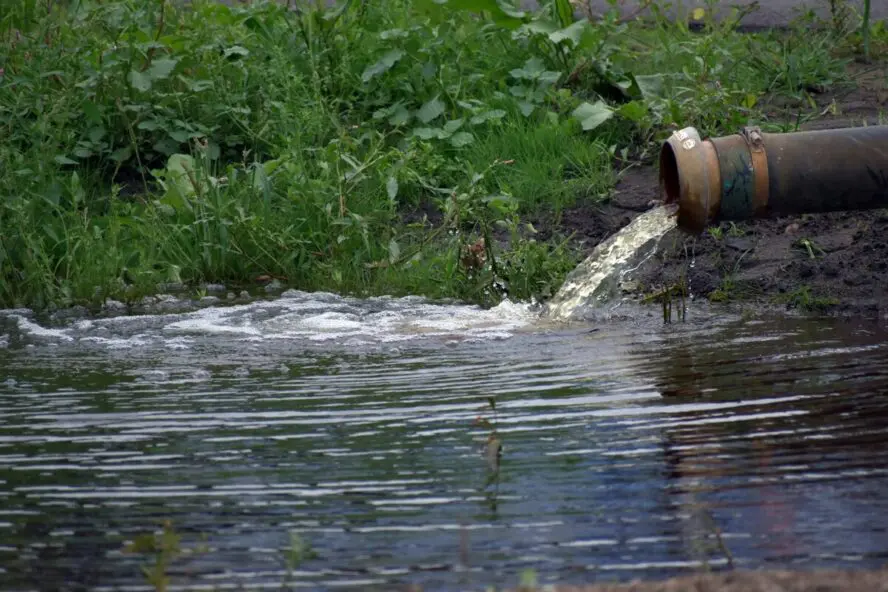
When this sludge is dried, processed, and sold or given away as agricultural fertilizer, these persistent compounds are deliberately introduced into the soil microbiome. From there, PFAS are readily absorbed by crops, wash into surface water bodies, percolate down into local groundwater aquifers, and bioaccumulate in livestock that feed on contaminated forage.
Official Responses and Criticisms
The EPA’s decision to shelve the risk assessment has drawn swift, severe condemnation from legal experts, environmental justice advocates, and state-level regulators who view the move as a dereliction of duty.
The EPA’s Defense
In its June 29 guidance, the agency defended its about-face by arguing that the previous administration’s draft assessment relied on conservative modeling assumptions that exaggerated real-world exposure risks. The EPA emphasized that the term "potential risks" had been misinterpreted by the public as definitive harm, creating unwarranted panic within the agricultural sector. By retracting the review, the agency maintains it is preventing regulatory overreach and economic disruption for farmers who rely on affordable fertilizer alternatives.
Voices from the Legal and Environmental Front
Critics, however, view the justifications as a smokescreen designed to protect industry interests at the expense of public health.
-
Laura Dumais, PEER Attorney:
"It’s shocking for the EPA to take a scientific assessment and simply throw it out. The EPA’s solution here is ‘do your own research — we’re not going to regulate anything, so if you think it’s dangerous then figure it out for yourself.’"
-
Jean Zhuang, Senior Attorney at the Southern Environmental Law Center:
"The draft risk assessment developed two years ago synthesized decades of scientific research and crucially would have allowed states to act to protect their local communities. By abandoning that assessment, this administration is getting in the way of protecting people from toxic chemical contamination. Instead of engaging with that science, EPA is trying to downplay the problem."
Implications for Public Health, Agriculture, and State Sovereignty
The termination of the EPA’s risk assessment carries profound, long-term consequences across multiple sectors of American society:
1. A Shift to a Patchwork Regulatory Landscape
With the federal government abdicating its role in establishing nationwide safety thresholds for PFAS in biosolids, the responsibility falls entirely upon state legislatures and local municipalities. States like Maine and Maryland have already demonstrated that local bans are viable, but farmers in states without such protections remain vulnerable. This creates a fragmented regulatory map where the safety of a food product may depend entirely on geographic boundaries rather than uniform federal standards.
2. Deepening Economic and Agricultural Crises
Farmers caught in the crossfire face an impossible dilemma. Many agricultural producers accepted biosolids under the impression that the material was safely vetted and approved by the federal government. Once soil and livestock are contaminated with PFAS, remediation is extraordinarily difficult, if not impossible. Entire herds have been culled, and farms rendered economically unviable due to eternal chemical persistence in the soil. The EPA’s refusal to regulate cuts off federal accountability, leaving farmers to shoulder the financial ruin of contamination.

3. Broad Deregulatory Trends
Environmental analysts note that the reversal on biosolids is not an isolated incident. It aligns with a broader, aggressive deregulatory push by the current administration regarding PFAS oversight. Earlier in the year, the EPA similarly moved to roll back or weaken strict drinking water limits for foundational PFAS compounds like PFOA and PFOS.
4. Consumer Self-Reliance
Ultimately, the agency’s reliance on "voluntary recommendations" signals a fundamental retreat from the EPA’s core mission to protect human health and the environment. By telling the public to mitigate their own risks, the federal government has left consumers to navigate complex grocery aisles, water purification technologies, and dietary choices without the backing of mandatory industrial disclosures or federal safety floors.
As legal challenges from environmental nonprofits and affected agricultural workers mount, the future of America’s food chain remains clouded by the enduring legacy of industrial chemistry—now officially left unchecked by the nation’s top environmental watchdog.
