

By The Wellness & Holistic Health Desk
Published as Part 2 of the Comprehensive Chakra Series
Main Facts
In the ever-expanding world of holistic wellness and energy healing, understanding the body’s subtle energy system has become a cornerstone of self-care. Following the foundational exploration of the science behind crystal chakra healing, holistic practitioners and crystal enthusiasts are now turning their attention to the next logical step in energetic hygiene: How to accurately identify which chakra is in need of balancing.
According to leading crystal healing educators, chakra imbalances do not manifest out of nowhere. They typically present through distinct patterns of physical ailments, emotional roadblocks, or energetic blockages. Rather than relying on guesswork, practitioners utilize a structured multi-faceted approach to pinpoint precisely where energy is stagnant, deficient, or overactive.
The primary mechanisms for assessing chakra health include:
- Chakra Self-Assessment Tests: Standardized digital or written evaluations that map behavioral and emotional symptoms to specific energy centers.
- Symptom Analysis (Physical and Emotional Syndromes): Evaluating clusters of recurring physical discomforts or emotional hurdles linked anatomically and metaphorically to the seven primary chakras.
- Energy Sensing and Dowsing: Utilizing tactile awareness, kinetic tools like pendulums, or specialized training to read the vibrational output of an energy vortex.
- Intuitive Development: Tapping into innate "clair-senses" and deep-seated inner knowing to perceive energetic shifts.
Experts emphasize that energy sensing is not an exclusive, genetically inherited "gift" reserved for the spiritually elite. Instead, it is framed as a learnable skill—comparable to a muscle that strengthens with consistent exercise, mindfulness, and dedicated practice.
Chronology
The formalization and popularization of modern chakra diagnostics have evolved over several decades, merging ancient Eastern metaphysical traditions with contemporary Western holistic practices.
- Ancient Roots & Traditional Frameworks: For millennia, the chakra system (originating in ancient Vedic texts from India) was understood primarily through meditation, yoga, and Ayurvedic medicine. Practitioners traditionally diagnosed imbalances through pulse reading, spiritual observation, and lifestyle assessments.
- The Late 20th Century Metaphysical Revival: As holistic health gained traction in the West during the 1970s and 1980s, authors and researchers began translating complex energetic concepts into accessible frameworks. Literature such as Vibrational Healing Through the Chakras and The Crystal Healer emerged as definitive guidebooks, establishing correlations between specific crystals, physical maladies, and energetic centers.
- Digital Integration (2000s–Present): With the advent of the internet, chakra assessments transitioned into accessible digital formats. Online quizzes and interactive questionnaires allowed everyday wellness seekers to run preliminary self-diagnoses from home.
- Structured Certification and Modern Training (Present Day): Specialized academic and practical curricula—such as Certified Crystal Practitioner courses—have stepped in to bridge the gap between casual reading and professional-grade energy sensing. Today, practitioners utilize structured combination methods (cross-referencing tests, pendulums, and intuition) to achieve precise energetic "consensus."
Supporting Data and Diagnostic Methods
To successfully restore energetic harmony, practitioners rely on a triad of evidentiary methods to confirm a chakra imbalance before introducing balancing tools like crystals.
1. Utilizing Chakra Questionnaires and Tests
The modern digital landscape offers numerous chakra diagnostic tests. While quality varies, a well-designed assessment maps specific behavioral patterns, fears, and strengths to individual energy centers. Once a vulnerable chakra is identified through a high-scoring test result, practitioners select corresponding mineral specimens—such as a root-chakra-aligned red jasper or a crown-chakra-aligned amethyst—to help restore natural vibrational flow.
2. Identifying Syndromes of Physical and Emotional Issues
A cornerstone of chakra evaluation is recognizing clusters of symptoms rather than isolated incidents. A single headache, for instance, does not automatically signify a third-eye chakra imbalance. However, a persistent cluster of symptoms—such as chronic digestive sluggishness coupled with low self-worth—often points directly to an imbalanced Solar Plexus (Manipura) chakra.
- Root Chakra (Muladhara): Issues often manifest as lower back pain, survival anxieties, or financial insecurity.
- Heart Chakra (Anahata): May present as cardiovascular complaints, feelings of isolation, or an inability to forgive.
- Throat Chakra (Vishuddha): Often tied to chronic sore throats, thyroid imbalances, or fear of public speaking and self-expression.
Recommended foundational texts for deeper study include:
- Vibrational Healing Through the Chakras
- The Crystal Healer
3. The Mechanics of Energy Sensing and Pendulums
For those moving beyond basic quizzes, energy sensing provides a tangible metric for chakra health. Practitioners learn to detect whether a chakra is underactive (sluggish and closed), overactive (hyper-vibrational and chaotic), or balanced.
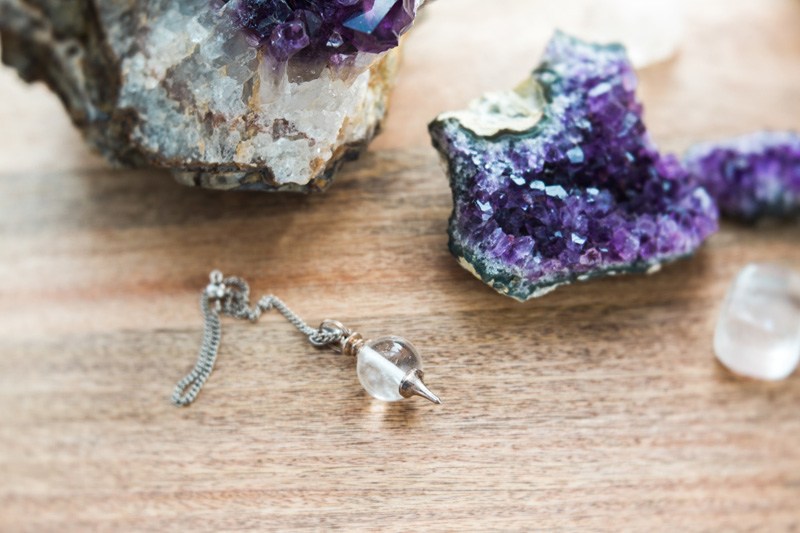
Because advanced kinetic sensing requires rigorous background knowledge, safety precautions, and supervised practice, it is often taught in structured certification environments. However, beginners frequently start with a accessible tool: the pendulum. By suspending a crystal or metal pendulum over each chakra point, users can observe directional swings and rotations to gauge the energetic output of the underlying vortex. (For detailed instructions on initializing and interpreting a pendulum, practitioners frequently reference specialized guides on dowsing mechanics).
4. Cultivating Intuition and the "Clair-Senses"
Intuition serves as an internal radar system for detecting energetic discrepancies. Holistic educators note that individuals process intuitive hits through various subtle channels, often referred to as the "clair" senses (such as clear-knowing, clear-feeling, or clear-seeing). Through regular meditation, these latent abilities are reactivated. Much like physical exercise, ignoring intuitive signals causes them to atrophy, while active engagement sharpens an individual’s capacity to "just know" when their energy is out of alignment without needing external verification.
Official Responses and Expert Perspectives
Holistic educators and certified master practitioners maintain a unified stance on the accessibility of energy work: Self-diagnosis and chakra balancing are inclusive practices open to anyone willing to put in the time.
"These chakra balancing and sensing techniques are not limited to ‘energetically gifted people,’" notes prominent crystal educator Hibiscus Moon. "They’re available to anyone willing to make a commitment to learning, spending the time to practice, and listening to the signs."
Experts caution against relying on a single diagnostic method, particularly when dealing with complex emotional or physical states. Instead, official pedagogical frameworks advocate for a Chakra Consensus Model.
- The Consensus Protocol: If a wellness seeker receives ambiguous or contradictory results from an online test, they are advised to introduce a secondary method—such as pendulum dowsing or an intuitive body scan. If the first two results conflict, a third diagnostic technique is introduced, with the practitioner leaning toward the majority finding.
Over time, educators report that students transition from mechanical checking to an intuitive mastery, effortlessly recognizing shifts in their energetic field in real-time.
Implications
The growing popularity of structured chakra identification carries profound implications for the modern self-care and alternative wellness industries.

1. Shift Toward Preventive Energetic Hygiene
By learning to identify minor energy blocks before they escalate into major emotional burnout or chronic physical discomforts, individuals are empowered to take a proactive role in their mental and physical health. Chakra diagnostics encourage a holistic view of the body, where emotional stress is treated as vital data rather than an isolated inconvenience.
2. The Professionalization of Holistic Modalities
As more people seek empirical ways to validate esoteric practices—such as combining pendulum dowsing with symptom tracking—the demand for rigorous education has skyrocketed. Structured training programs, professional certifications, and evidence-informed crystal healing courses are replacing haphazard internet research, lending greater credibility to the holistic wellness sector.
3. Empowerment Through Self-Knowledge
Ultimately, the journey of decoding one’s chakras fosters deep self-awareness. By treating intuition as a trainable muscle and utilizing multi-step consensus models, individuals build self-trust. As practitioners graduate from basic quizzes to advanced energy sensing, they unlock a lifelong toolkit for maintaining personal equilibrium in an increasingly chaotic world.
Stay tuned for Part 3 of the Chakra Series, where we explore the practical application of crystals and mineral specimens to actively balance and restore your body’s vital energy centers.
