

By CleanTechnica Special Report
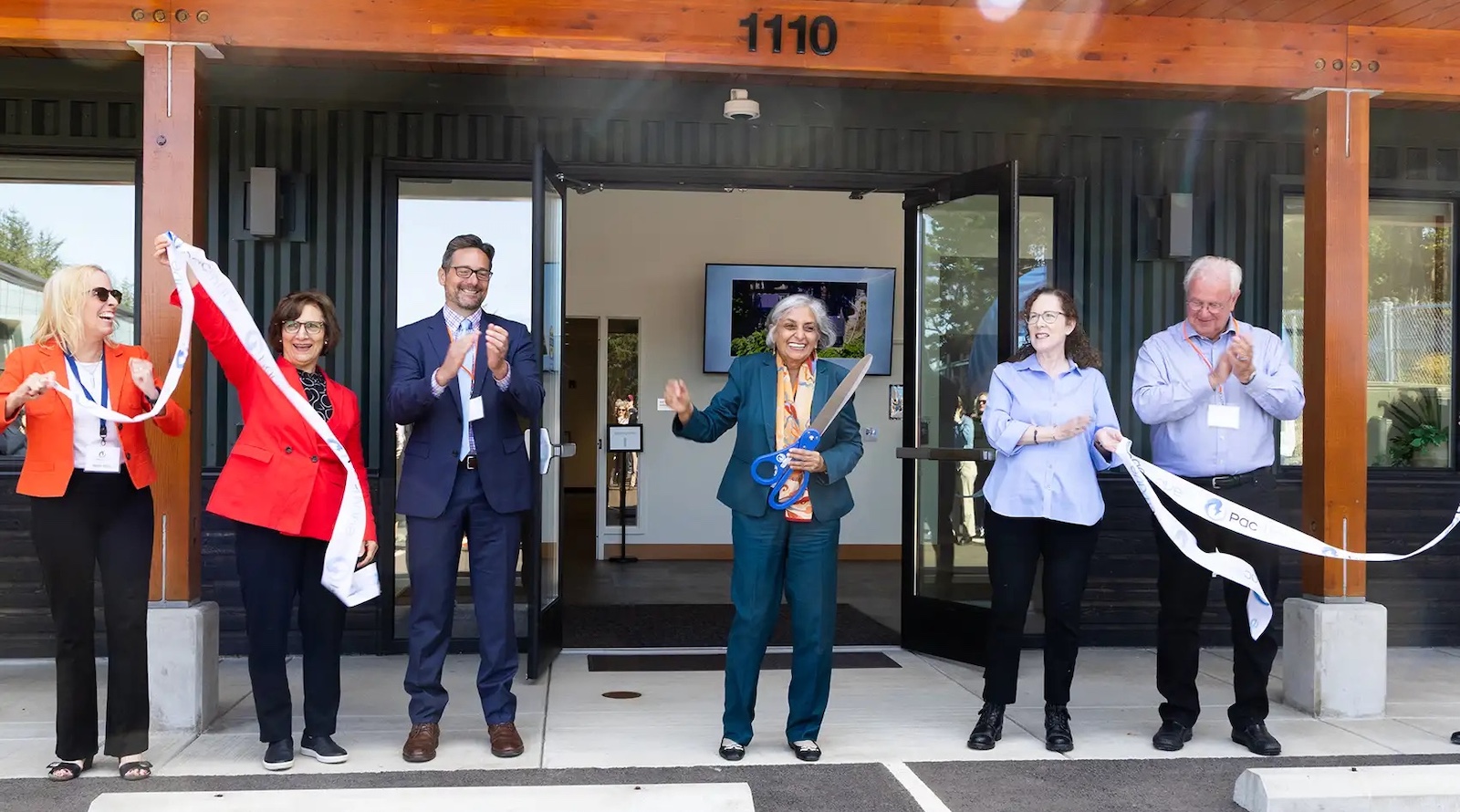
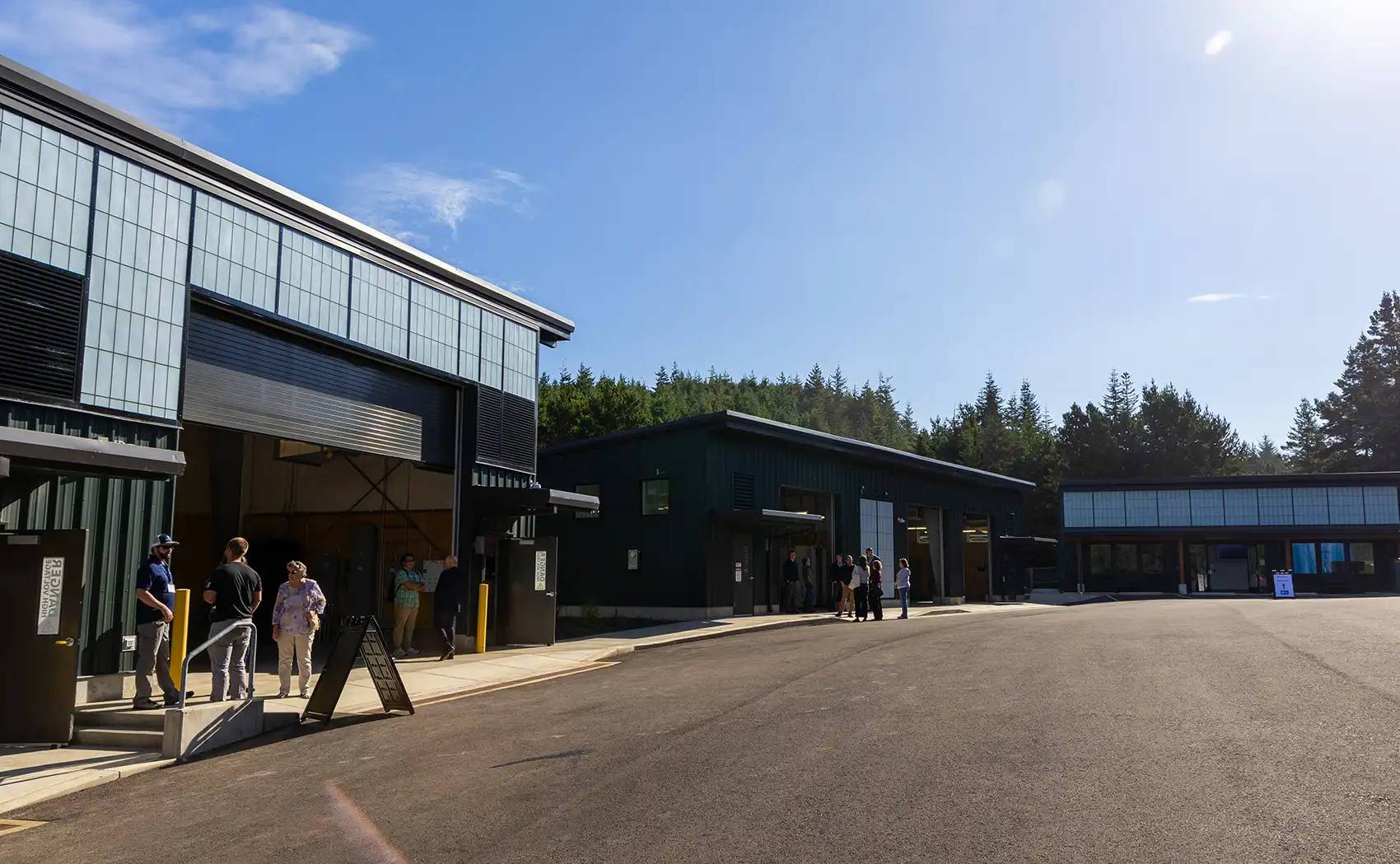
The push to diversify the renewable energy portfolio of the United States reached a monumental milestone on August 27, when leaders from Oregon State University (OSU), the U.S. Department of Energy (DOE), Congress, and the Oregon Legislature gathered near Seal Rock for a ribbon-cutting ceremony. The event marked the official opening of PacWave South, the nation’s first grid-connected, internationally accredited, open-ocean wave energy test facility.
Representing the culmination of 15 years of collaborative planning, design, and engineering, PacWave South provides a vital new proving ground for the marine energy sector. Operated by OSU and supported extensively by the National Laboratory of the Rockies (NLR) and the U.S. Department of Energy’s Hydropower and Hydrokinetic Office (H2O), the facility is designed to help commercial-scale wave energy converters (WECs) bridge the notoriously difficult transition from laboratory prototypes to market-ready power generators.
Main Facts: What is PacWave South?
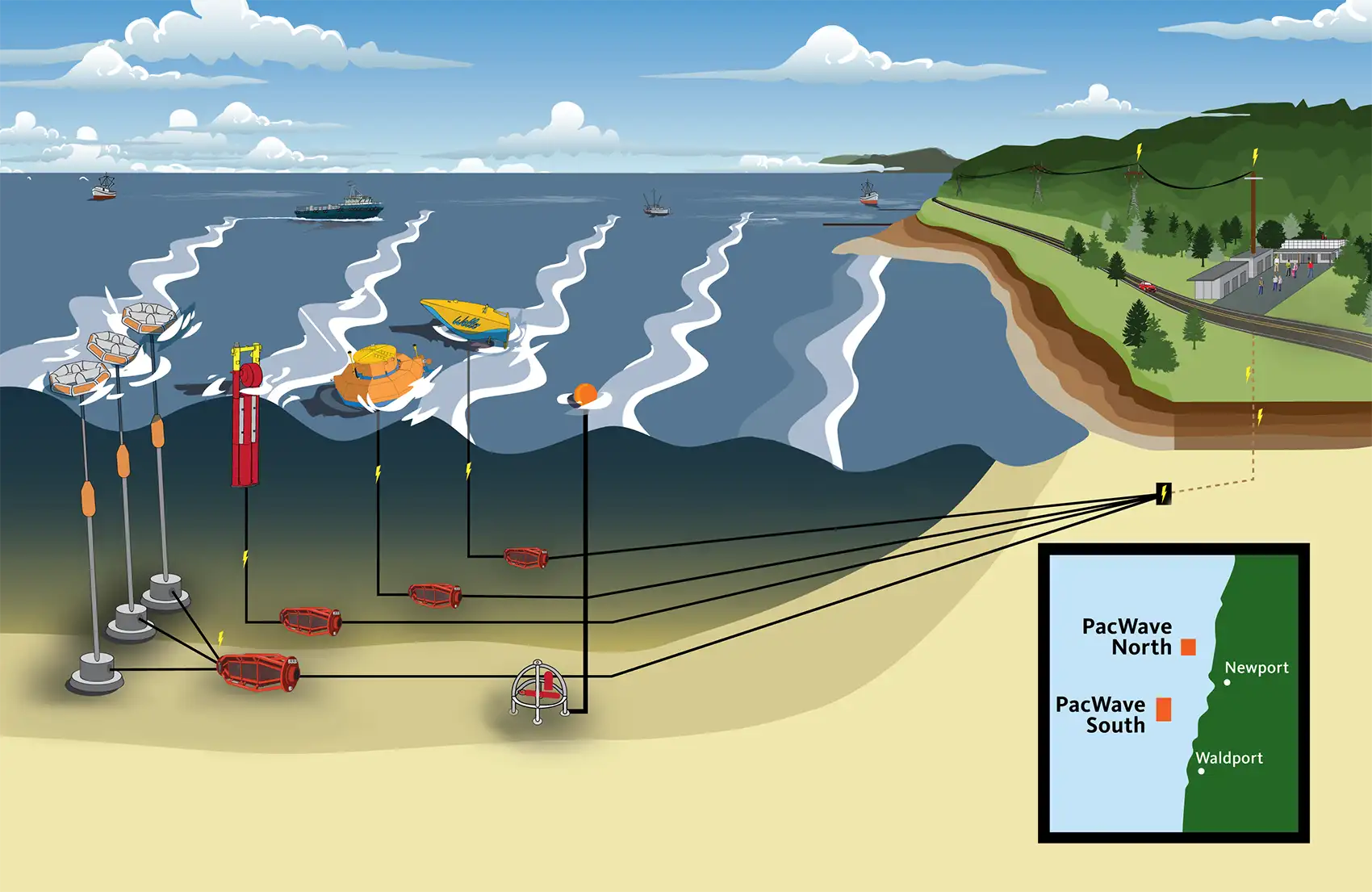
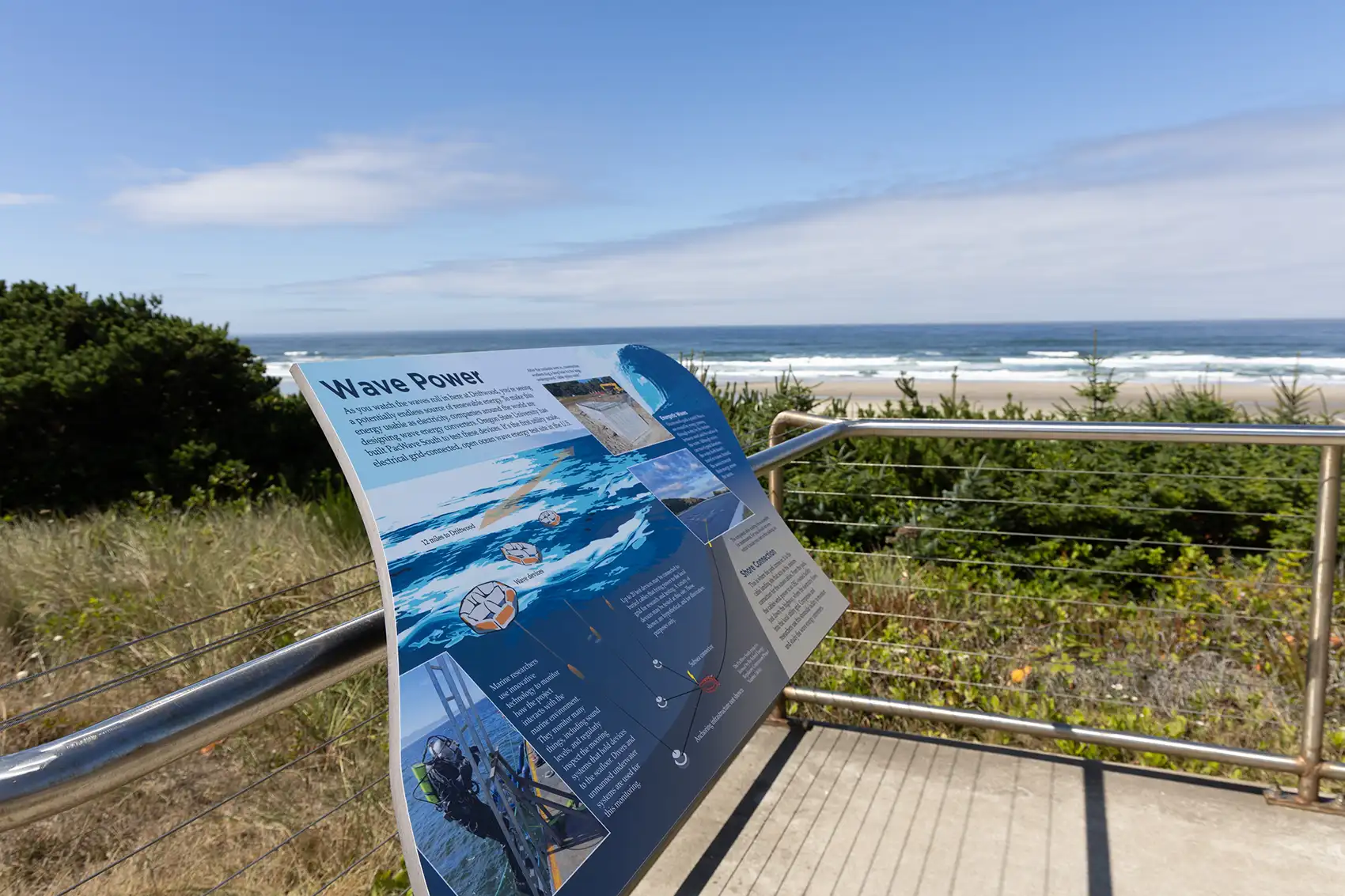
PacWave South is an advanced, open-ocean testing facility situated off the coast of Newport, Oregon, designed specifically for commercial-scale wave energy technologies.
- Location and Depth: Located approximately 7 miles offshore on the Outer Continental Shelf, the site rests at depths ranging from 213 to 256 feet. This places the infrastructure in an aggressive, high-energy open-ocean environment capable of rigorously testing device durability, resilience, and endurance.
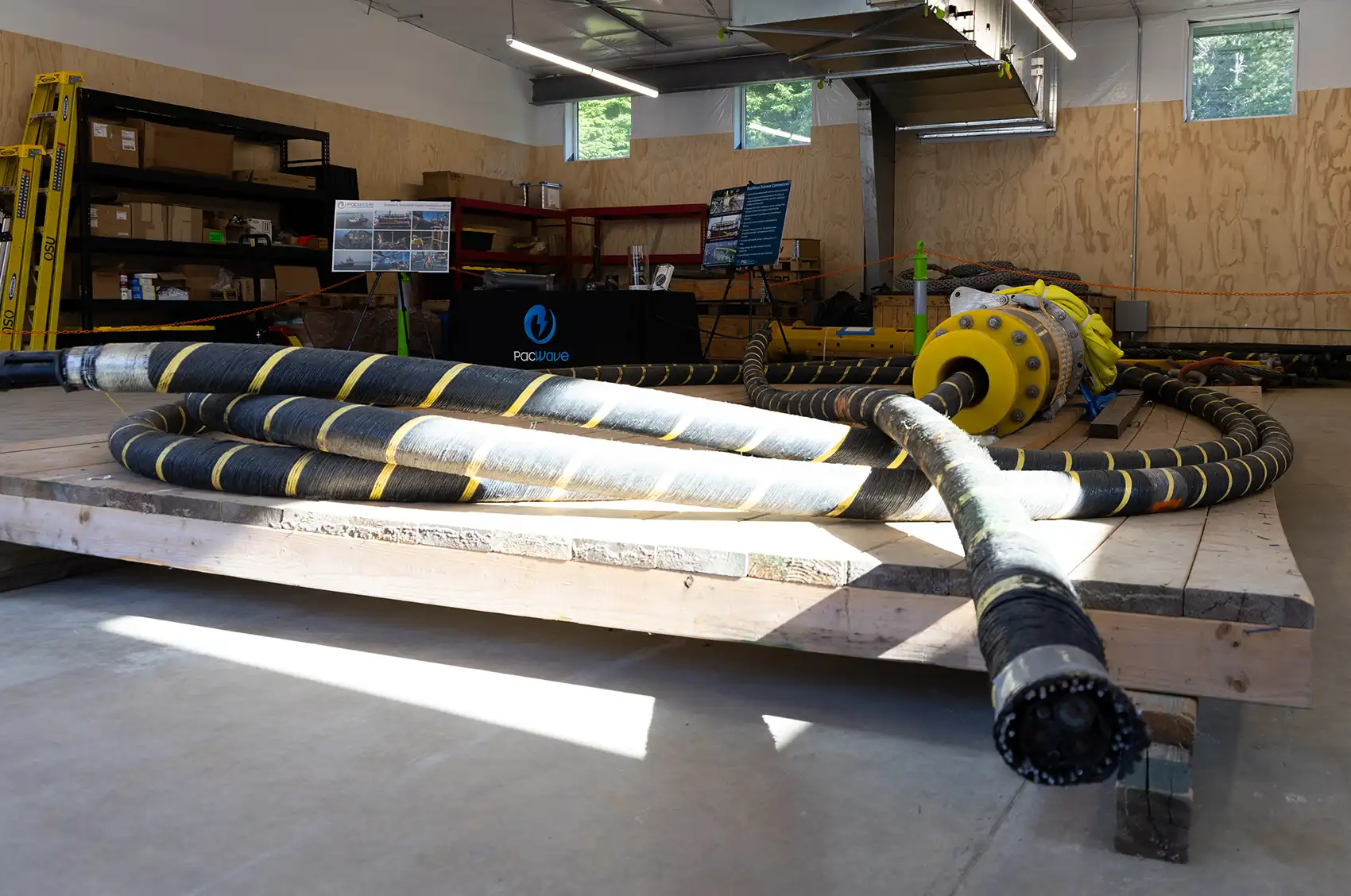
- Capacity and Infrastructure: The facility features four distinct test berths. Each berth is linked to a heavy-duty, 5-megawatt subsea transmission cable that brings power nearly 50 miles in total wiring back to OSU’s onshore Utility Connection and Monitoring Facility near Driftwood Beach State Park. When operating at peak capacity, the site can transmit up to 20 megawatts of clean wave energy into the local power grid.
- Regulatory Breakthrough: PacWave South operates under a comprehensive 25-year Federal Energy Regulatory Commission (FERC) operating license. It is fully pre-permitted to host up to 20 wave energy converters simultaneously. This pre-permitted status removes a massive administrative and financial hurdle for developers, who can test their systems without independently navigating complex federal environmental assessments and permitting frameworks.
Chronology: A 15-Year Journey to the Open Ocean
The realization of PacWave South was far from instantaneous. It represents a decade and a half of sustained commitment from academic institutions, federal agencies, and national laboratories.
Phase 1: Conceptualization and Site Selection (Early 2010s)
Recognizing the untapped potential of marine hydrokinetic energy along the Pacific Rim, researchers at Oregon State University began conceptualizing a dedicated grid-connected wave energy test site. Partnering with the U.S. Department of Energy and national laboratories like NLR, the team evaluated various coastal locations for wave energy density, grid proximity, and minimal environmental conflict.
Phase 2: Engineering Framework and Regulatory Approval (Mid-to-Late 2010s)
As the physical design of the subsea cables and onshore monitoring facility took shape, the project faced its most formidable challenge: regulatory compliance. Securing a 25-year FERC operating license required extensive environmental impact studies, stakeholder consultations, and interagency cooperation. Concurrently, NLR worked alongside European partners to establish rigorous testing protocols that met international standards.
Phase 3: Construction and Subsea Installation (2020–2025)
The heavy civil engineering phase involved laying nearly 50 miles of complex subsea data and power cables, constructing the onshore Utility Connection and Monitoring Facility, and anchoring the offshore berths on the Outer Continental Shelf.
Phase 4: Ribbon-Cutting and Commercial Launch (August 27, 2026)
With infrastructure fully commissioned and the testing framework accredited, the ribbon-cutting ceremony officially opened the facility to commercial developers, signaling a new chapter for American marine energy.
Supporting Data & The Mechanics of Validation
To survive the commercialization "valley of death"—the treacherous financial and technical chasm between initial invention and scalable market viability—wave energy technologies must undergo intense validation.
The Role of NLR and ISO Accreditation
While OSU manages the physical ocean site, the National Laboratory of the Rockies has provided critical engineering, technical, and regulatory support for over a decade. A key component of NLR’s recent contribution has been anchoring PacWave South to an internationally recognized testing framework.
Leveraging its ISO/IEC 17025 accreditation—which covers wave and tidal power performance testing, mechanical load measurements, electrical power quality requirements, and acoustic characterizations performed in tandem with the Pacific Northwest National Laboratory (PNNL)—NLR ensured PacWave possessed the necessary quality control, calibrated equipment, and technical rigor.
Furthermore, NLR utilized guidelines from the European Marine Energy Centre to train PacWave staff on ISO/IEC 17020, establishing the facility as an independent, impartial, and competent inspection body.
"In the marine energy sector, accreditation is the holy grail on the path to commercialization," notes NLR Emeritus Researcher Bob Thresher. "For developers looking to secure the backing of private investors and insurance underwriters, self-reported test numbers don’t cut it. NLR’s work to anchor PacWave South to an accredited testing framework has empowered the facility to provide developers with third-party validation that global commercial markets trust."
Funding and Pre-Deployment Testing
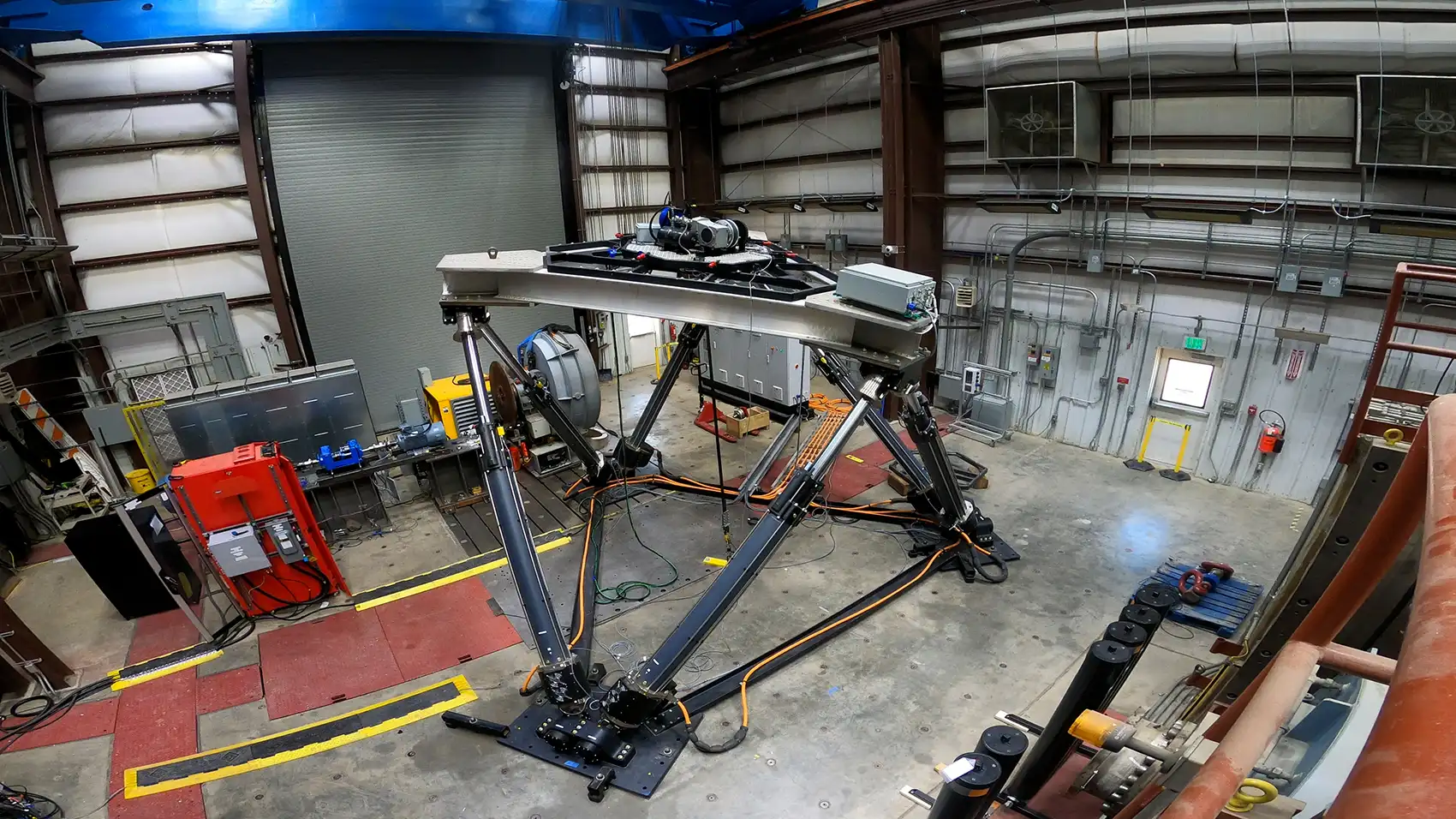
Before ever deploying a multi-tonne device into the churning waters off the Oregon coast, developers often utilize DOE funding mechanisms to conduct preliminary in-lab testing at NLR’s Flatirons Campus in Colorado. For instance, NLR water power researchers recently tested new hydraulic and electric reverse osmosis wave energy converter belts on large-amplitude motion platforms in Colorado, mitigating design flaws long before ocean deployment.
Official Responses: What Leaders Are Saying
The inauguration of PacWave South drew high praise from political, academic, and scientific leaders who view marine energy as a crucial frontier in the global energy transition.
-
Arlinda Huskey, NLR PacWave Lead:
"This milestone highlights the collective engineering and operational achievements that have delivered a world-class test facility poised to accelerate innovation and advance the marine energy industry."
-
Kelly Gjestvang, NLR PacWave Project Manager:
"The systems tested at PacWave will be able to test—and prove—their technologies on the way to commercialization. Not only will they be testing their devices’ ability to perform in the open ocean off the coast of Oregon, but they will also be proving their devices’ ability to safely send power to the grid."
Lawmakers from the Oregon Legislature and the U.S. Congress echoed these sentiments during the August 27 ceremony, emphasizing that investments in marine energy will not only diversify the nation’s clean energy supply but also stimulate local coastal economies through high-tech manufacturing, marine operations, and ongoing maintenance jobs.
Broader Implications for the Clean Energy Transition
The opening of PacWave South carries profound implications for the future of renewable energy generation both in the United States and globally.
1. Diversifying Beyond Wind and Solar
While wind and solar photovoltaic systems have seen exponential growth and cost reductions over the past two decades, they remain intermittent resources subject to weather patterns and diurnal cycles. Ocean waves, by contrast, offer a remarkably predictable, dense, and continuous energy profile. Wave energy resources along the U.S. West Coast possess immense energy density, making them an ideal complement to existing wind and solar installations.
2. Streamlining the Regulatory Path
One of the most persistent bottlenecks in ocean energy development has been the sheer cost and time required to secure environmental permits and licenses. By front-loading these responsibilities through a blanket 25-year FERC license and comprehensive environmental monitoring programs, PacWave South has effectively removed a primary barrier to entry for early-stage startups and independent researchers.

3. Investor Confidence Through Standardization
Historically, private equity and venture capital firms have been hesitant to fund marine energy projects due to the high risk of catastrophic equipment failure in harsh marine environments and a lack of standardized performance data. By establishing an internationally accredited testing facility backed by national laboratories and academic institutions, PacWave South provides the gold standard of validation. Institutional investors and insurance underwriters can now review third-party, standardized data rather than relying on unverified developer claims.
Looking Ahead
As the first wave energy converters prepare to hook into PacWave South’s subsea transmission cables, the facility stands ready to launch a modern marine energy moonshot. Through continuous data collection, expert field audits, and rigorous adherence to international benchmarks, PacWave South and its partners at NLR and Oregon State University are laying the groundwork for a robust, reliable, and commercially viable ocean energy industry.
