

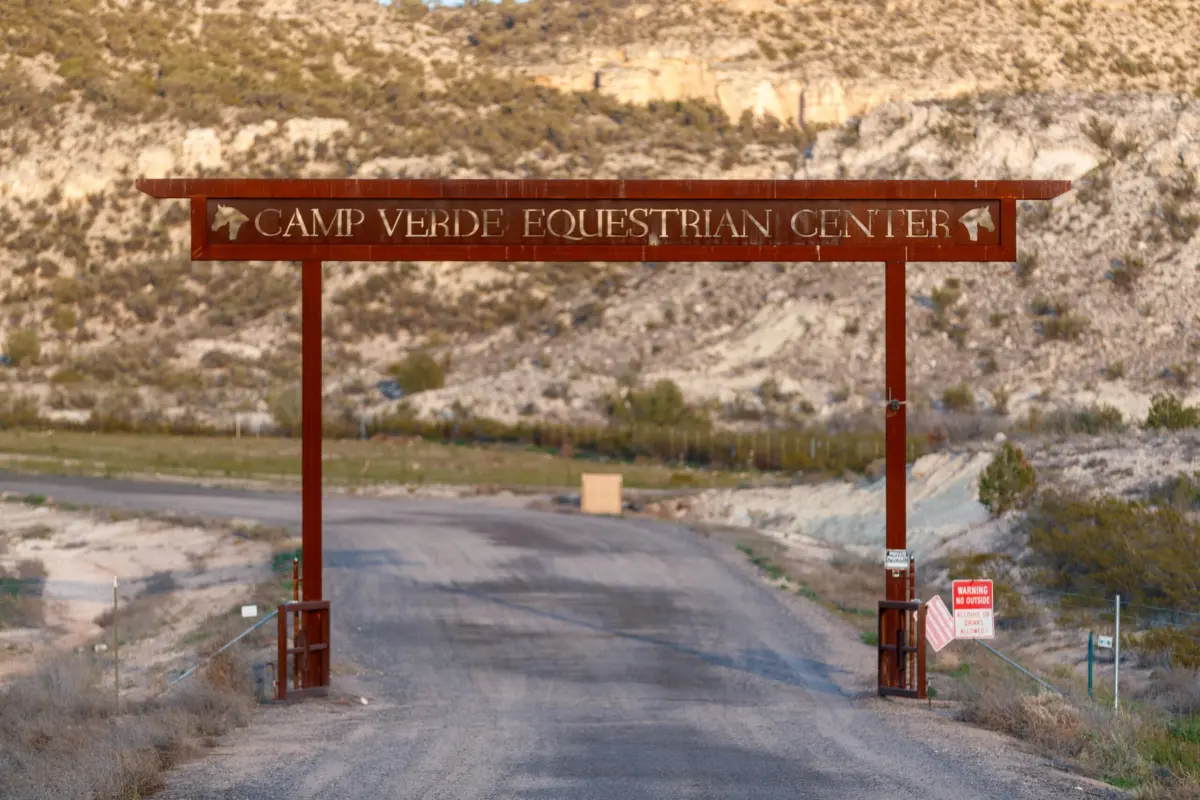
CAMP VERDE, AZ — In a decisive move to shape the future of its public recreational infrastructure, the Camp Verde Town Council has unanimously approved the creation of the Camp Verde Equestrian Center Commission. The decision, finalized during a special legislative session on Wednesday, August 26, marks the formal launch of a structured civic effort to transform a key 35-acre parcel of town-owned land into a premier regional multi-use venue.
The newly established advisory body will shoulder the responsibility of guiding the development, programming, and financial sustainability of the site. While the facility retains "equestrian" in its title—honoring the deep-seated ranching and agricultural heritage of the Verde Valley—town officials have emphasized that the commission’s mandate extends far beyond horse-related events, aiming instead to cultivate a versatile, multi-use hub capable of hosting a wide array of public and private gatherings.
Main Facts: The Commission and Its Scope
The resolution passed by the Town Council officially designates a 35-acre tract of municipal property for development under the new commission’s oversight. Geographically, this designated zone spans from the prominent entrance signage of the complex to the existing public restroom facilities. To ensure administrative clarity and prevent overlap with other municipal utility operations, the council explicitly excluded the adjacent active sports fields and the nearby wastewater treatment facilities from the commission’s jurisdiction.
+-------------------------------------------------------------------------+
|                  CAMP VERDE EQUESTRIAN CENTER AREA                      |
|                                                                         |
|  [ Entrance Sign ] ==================================> [ Restrooms ]     |
|  |                                                                   |  |
|  | <-------------- Under Commission Jurisdiction (35 Acres) -------> |  |
|                                                                         |
|  Excluded Areas:                                                        |
|  - Active Sports Fields                                                 |
|  - Wastewater Treatment Facilities                                      |
+-------------------------------------------------------------------------+
The commission itself will operate as a seven-member advisory board appointed by the Town Council. Its core objectives include:
- Formulating a comprehensive facilities master plan.
- Identifying and prioritizing capital improvement projects.
- Evaluating regional programming, tournament, and event opportunities.
- Establishing strategic public-private partnerships.
- Developing a formal mission statement and code of regulations for the venue.
- Analyzing operational budgets to enhance the facility’s long-term financial self-sufficiency.
Chronology of Municipal Action
The establishment of the Equestrian Center Commission is the culmination of several months of municipal debate, public input, and strategic planning.
February 2026: The Competitive Bidding Phase
The conversation surrounding the optimal management structure for the 35-acre site intensified in early 2026. In late February, the town received three distinct competitive bids from private entities and non-profit organizations seeking to lease and operate the equestrian center. The variance in these proposals highlighted the need for a standardized municipal vision before handing operations over to an outside manager.
July 2026: The Advisory Body Concept Takes Shape
Recognizing the complexity of balancing community access with commercial viability, the Town Council convened in mid-July. On July 25, 2026, the council reached a consensus to reject pure privatization in the immediate term, choosing instead to establish an internal advisory body. This group would be tasked with conducting the necessary groundwork, master planning, and policy formulation before any long-term lease agreements were executed.
August 26, 2026: Formal Approval
During its special session, the Town Council voted unanimously to pass the resolution formally creating the Camp Verde Equestrian Center Commission, defining its physical jurisdiction and operational parameters.
August 27, 2026: Public Application Window Opens
The day after the vote, the town’s administration opened the formal application process for residents wishing to serve as commissioners. The application portal remained open for a 30-day window, closing in late September, to allow a diverse pool of local stakeholders, equine experts, business owners, and civic organizers to apply.
2026 CHRONOLOGY OF MUNICIPAL ACTION
================================================================================
[Feb 26] ----------------> [Jul 25] --------------> [Aug 26] ----------> [Aug 27]
Three competitive          Council agrees to       Council votes        30-day public
bids submitted by          establish internal      unanimously to       application
private operators.         advisory body.          create commission.   window opens.
Structural and Operational Blueprint of the Commission
To ensure continuity of leadership and prevent complete board turnover in a single election cycle, the seven commissioners will serve staggered terms of either two or three years, with specific seat durations assigned by the Town Council during the initial appointment phase.
The commission’s operational roll-out follows a two-step legislative process designed to give the board autonomy while maintaining strict council oversight:
Phase 1: Internal Organization
During its inaugural public meeting, the newly appointed commissioners will vote to select a Chairperson and a Vice-Chairperson from among their ranks. The group will also debate and establish their regular meeting calendar, determining both the frequency (e.g., monthly or bi-monthly) and the specific weekdays for their public sessions.
Phase 2: Council Ratification
Once these internal organizational logistics are finalized, the details will be sent back to the Town Council. The council will then draft and pass a secondary, finalizing resolution incorporating the meeting schedules and leadership structure into the town’s official civic calendar, formally cementing the commission’s operational framework.
Supporting Data: The Case for a Multipurpose Regional Facility
The decision to expand the scope of the 35-acre facility beyond traditional equestrian activities is grounded in regional economic data and municipal planning trends.

While equestrian tourism remains a powerful economic driver in Arizona—supported by a robust statewide horse industry that contributes significantly to agricultural and tourism revenues—relying solely on equestrian events can leave public facilities vulnerable to seasonal fluctuations and underutilization.
| Event Type | Projected Annual Frequency | Target Audience | Primary Infrastructure Requirements |
|---|---|---|---|
| Equestrian / Rodeos | 6–8 events | Regional / Statewide | Arena, holding pens, specialized footing, trailer parking |
| Youth & Recreational Sports | Ongoing seasonal | Local / County-wide | Multi-use turf, open staging fields, lighting |
| Concerts & Festivals | 4–6 events | Southwest Regional | Main stage area, high-capacity parking, vendor utility hookups |
| Farmers Markets & Expos | Weekly / Monthly | Local Community | Pavilions, accessible pathways, public restrooms |
By master-planning the site as a flexible, multi-use venue, Camp Verde positions itself to capture a larger share of the Verde Valley’s tourism market.
According to regional tourism reports, the Verde Valley—which includes nearby destinations like Sedona, Cottonwood, and Jerome—draws millions of visitors annually. A versatile outdoor event center in Camp Verde, located strategically off the Interstate 17 corridor, can serve as an ideal host site for regional music festivals, trade shows, farmers markets, and athletic tournaments that currently lack adequate venue space in the red rock region.
Official Perspectives and Administrative Vision
The transition from a single-focus equestrian arena to a diversified civic asset was a central theme of the council’s deliberations. Interim Town Manager Charlie Cassens addressed the branding challenges and opportunities associated with the project, emphasizing the need to educate the public on the venue’s broad potential.
"The term ‘equestrian’ kind of leads one to believe that it’s all about rodeos and horses," Cassens noted during the special session. "It’s a great venue and the possibilities are endless out there with respect to events, but it does need to be master planned initially and have a commission to head up that master planning effort and guide the future of that center."
Town Council members echoed Cassens’ sentiments, noting that a dedicated commission ensures that development decisions are made transparently and with direct community input. By utilizing an advisory commission, the town can leverage the specialized expertise of local volunteers—such as event coordinators, civil engineers, and business leaders—without incurring the high overhead costs associated with hiring outside consulting firms in the early stages of project development.
Economic and Civic Implications for Camp Verde
The formalization of the commission carries significant long-term implications for Camp Verde’s economic development strategy, public infrastructure, and community identity.
1. Capital Improvement and Financial Self-Sufficiency
One of the most critical tasks facing the new commission is addressing the financial model of the 35-acre facility. Historically, public arenas and equestrian centers can become financial liabilities for small municipalities if they are not programmed aggressively.
The commission is mandated to explore diverse revenue streams, including:
- Commercial facility rentals and vendor fees.
- Ticket surcharges on major regional events.
- Corporate sponsorships and naming rights for arenas or pavilions.
- Federal and state recreation grants aimed at rural economic development.
By prioritizing capital improvements that appeal to both equestrian and non-equestrian event organizers—such as upgrading electrical grids, improving parking configurations, and installing modern waste management systems—the commission can ensure the facility operates on a self-sustaining basis, minimizing the impact on local taxpayers.
2. Preserving Heritage While Embracing Growth
Camp Verde occupies a unique cultural space in Yavapai County, maintaining a distinct rural, agricultural identity even as the region experiences steady population growth. The equestrian center project represents a delicate balancing act.
By preserving the arena infrastructure for rodeos, gymkhanas, and agricultural youth programs (such as 4-H and FFA), the town honors its historic roots. Simultaneously, by opening the remaining acreage to modern festival programming and community gatherings, Camp Verde adapts to the demands of a changing demographic and a tourism-driven regional economy.
3. Next Steps in the Master Planning Process
With the application window closed, the Town Council will soon convene a subsequent special session dedicated to interviewing candidates and selecting the final seven commissioners. Once seated, the commission’s immediate priority will be drafting the requests for proposals (RFPs) for the site’s comprehensive master plan.
This planning process will involve environmental impact assessments, traffic flow analyses for the I-17 corridor, and public town halls to ensure that the final design aligns with the needs and desires of Camp Verde’s residents. Through deliberate planning and structured civic oversight, the 35-acre site is poised to evolve from an underutilized municipal asset into a vibrant engine of community life and economic prosperity.
