

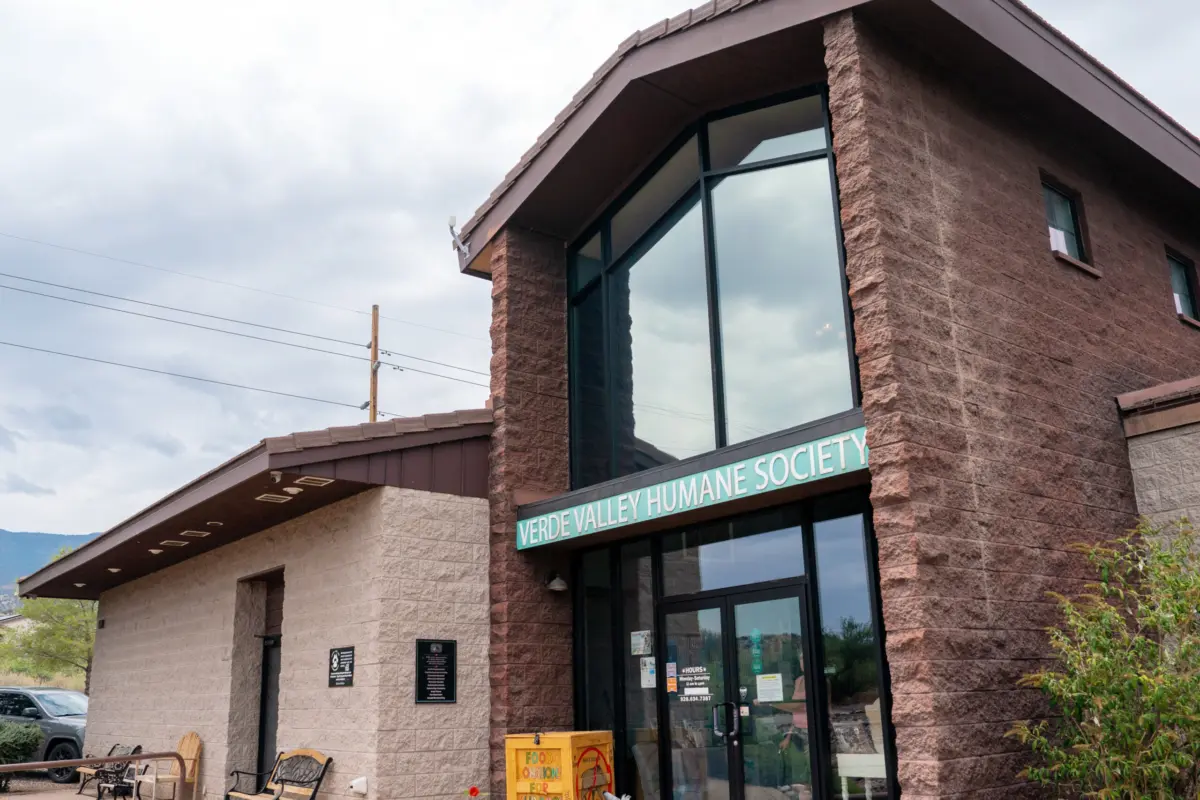
COTTONWOOD, AZ — In a move highlighting the growing pressures of municipal expansion on local animal welfare infrastructure, the Yavapai County Board of Supervisors has formalized an agreement with the Verde Valley Humane Society (VVHS). Approved as a consent agenda item during the board’s July 15 meeting, the annual $84,369 contract establishes VVHS as the primary sheltering partner for dogs and cats taken into custody by the Yavapai County Sheriff’s Office (YCSO).
The agreement comes at a critical juncture for both the county and the shelter. As Yavapai County experiences sustained population growth, local infrastructure—including animal control and sheltering services—is being stretched to its limits. The partnership highlights the essential role that non-profit animal welfare organizations play in supporting municipal services, while also shedding light on the severe capacity constraints currently facing regional shelters.
Main Facts of the Intergovernmental Agreement
The newly approved contract allocates $84,369 in county funds to the Verde Valley Humane Society for the fiscal year. In exchange, VVHS will provide essential sheltering, medical care, and rehoming services for domestic animals retrieved by YCSO deputies and animal control officers within the county’s jurisdiction.
Historically, municipal contracts of this nature serve as the backbone of rural and semi-rural animal control systems. Rather than operating a costly, government-run animal shelter, Yavapai County leverages the existing infrastructure and expertise of VVHS. Under the terms of the agreement, the shelter handles:
- Stray and Abandoned Animals: Domestic dogs and cats found wandering or reported by the public within unincorporated county areas.
- Protective Custody Holds: Animals seized or held due to the arrest, hospitalization, or incarceration of their owners.
- Quarantine Cases: Animals held for observation following potential rabies exposure or bite incidents.
- Cruelty and Neglect Seizures: Animals removed from environments of abuse under court order or during active criminal investigations.
- Emergency Assist Intakes: Temporary sheltering during natural disasters, fires, or acute domestic crises.
While the contract provides a reliable revenue stream for the shelter, representatives from VVHS emphasize that municipal funding covers only a portion of the actual cost of long-term animal care, veterinary treatment, and facility maintenance.
Chronology of Recent Events and Seasonal Trends
The formalization of the county contract on July 15 occurred against a backdrop of high intake numbers and seasonal pressures that have characterized the first half of the year.
January 1 – July 1: The First-Half Influx
Throughout the first six months of the year, VVHS experienced a steady stream of canine and feline intakes originating from county operations. During this period, the shelter managed dozens of complex cases, ranging from standard stray pickups to sensitive protective custody holds resulting from law enforcement actions.
The Spring-Summer Transition: The Onset of "Kitten Season"
Compounding the steady flow of canine intakes was the arrival of the annual "kitten season." Spanning roughly from April through September, this seasonal phenomenon occurs when warmer weather triggers feline breeding cycles, leading to an exponential increase in pregnant cats and neonatal kittens entering shelters nationwide.
By late spring, regional shelters—including VVHS and the neighboring Humane Society of Sedona—reported overwhelming numbers of feline intakes, severely taxing local foster networks and veterinary staff.
Mid-July: Critical Capacity Reached
By the time the Board of Supervisors approved the contract in mid-July, VVHS was operating significantly over its designated capacity. The physical footprint of the shelter was pushed to its limits, necessitating an increased reliance on temporary foster homes and accelerated adoption campaigns to prevent overcrowding. It was during this high-pressure period that the shelter took in several high-profile rescues, including a mother dog and her six puppies discovered abandoned in a wash behind a local commercial district.
Supporting Data and Analytical Breakdown
An analysis of VVHS’s intake and outcome data from January 1 to July 1 illustrates the operational demands placed on the facility by its partnership with Yavapai County.
Canine Intake and Outcome Metrics
During the six-month reporting period, VVHS received 78 dogs directly through YCSO operations. The intake data reveals a diverse range of circumstances under which these animals entered the shelter’s care:
| Intake Category | Number of Dogs | Percentage of Total |
|---|---|---|
| Strays Picked Up by Animal Control | 38 | 48.7% |
| Owner Arrest/Protective Custody | 17 | 21.8% |
| Strays Turned in by the Public | 8 | 10.3% |
| Quarantine Holds | 7 | 9.0% |
| Emergency Assists | 6 | 7.7% |
| Owner Surrenders | 2 | 2.5% |
| Total YCSO Canine Intakes | 78 | 100% |
In addition to the county-contracted dogs, the shelter received four separate canine drop-offs from the municipality of Cottonwood.
The outcomes for these canine intakes during the same period demonstrate a high rate of successful resolution, though they also reflect the intensive labor required for animal reclamation and adoption:
- Reclaimed by Owners: 40 dogs (representing a vital reunification rate, particularly for stray pickups and owner-arrest holds).
- Adopted: 41 dogs (including animals whose holding periods expired or who were legally surrendered).
- Transferred: 2 dogs (moved to partner organizations to optimize adoption opportunities).
Canine Outcomes (Jan 1 - Jul 1)
[█████████████████████░░░░░░░░░░░░░░░░░░░░░] Reclaimed: 40
[██████████████████████░░░░░░░░░░░░░░░░░░░░] Adopted: 41
[█░░░░░░░░░░░░░░░░░░░░░░░░░░░░░░░░░░░░░░░░░] Transferred: 2
Feline Trends and the ‘Kitten Season’ Surge
Feline metrics for the same six-month period show that the county brought in 30 cats. The breakdown of these feline intakes highlights the unique challenges of stray cat management:
- Strays from the Public: 18 cats
- Owner Arrest Holds: 5 cats
- Owner Surrenders: 4 cats
- Inability to Care: 2 cats
- Quarantine Holds: 1 cat
Feline outcomes were overwhelmingly positive, with 27 cats successfully adopted and 2 returned to their original owners.
However, these numbers do not fully capture the mid-summer feline surge. The regional impact of "kitten season" is highlighted by comparative data from the nearby Humane Society of Sedona, which took in 48 kittens in a single 29-day window this spring—a figure exceeding its total kitten intake for the first four months of the year combined. VVHS experienced a similar surge, with Shelter Manager Melanie Lucas noting the arrival of approximately 12 young cats and kittens within a single 48-hour period in July.
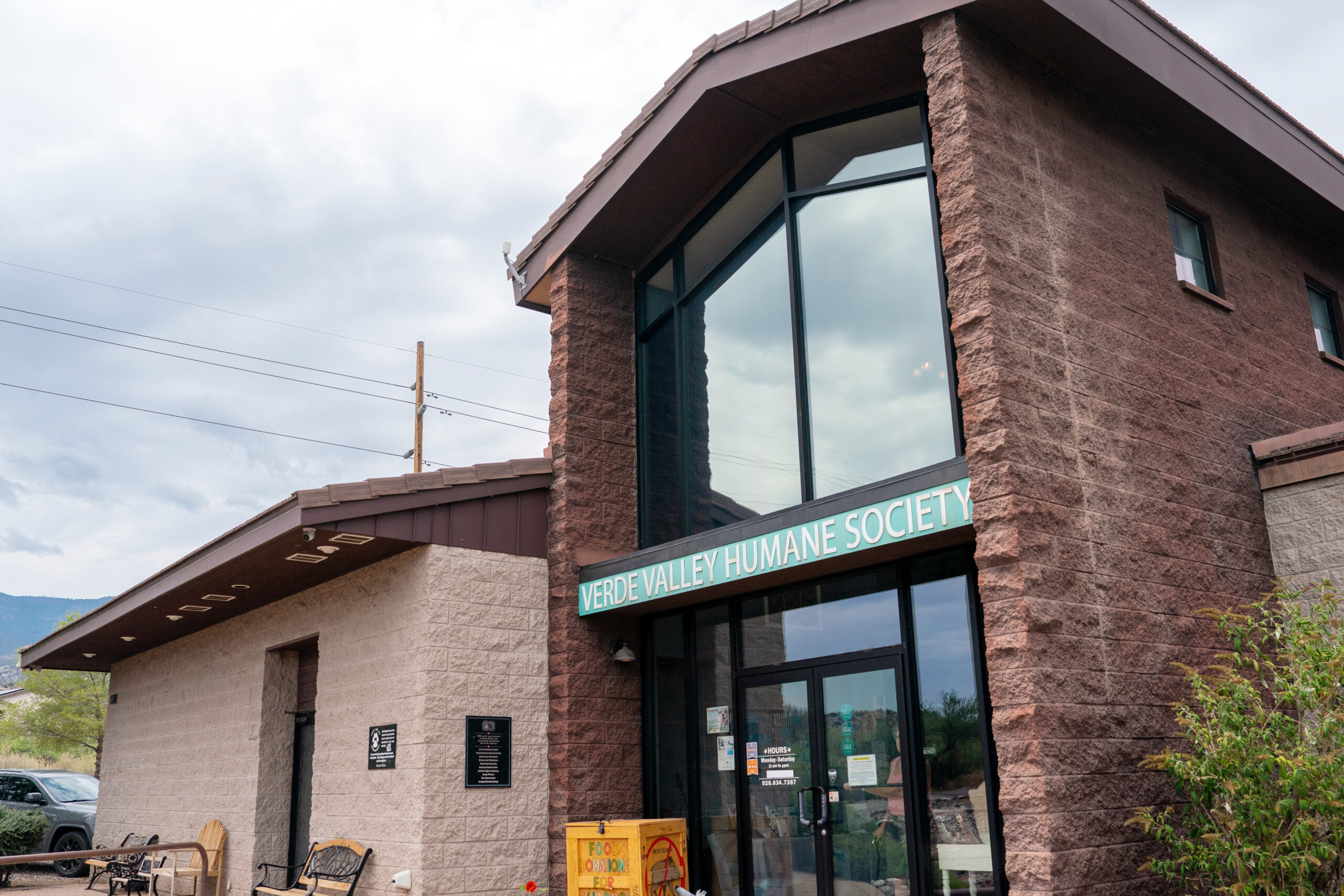
Shelter data indicates that while kittens between six weeks and three months of age are adopted rapidly, felines older than three months face longer lengths of stay, compounding space shortages.
Capacity Constraints and Facility Footprint
The physical infrastructure of VVHS consists of two primary residential buildings:
- Building A: 28 kennels
- Building B: 16 kennels
- Total Physical Canine Capacity: 44 kennels
In July, VVHS was consistently operating at 10 dogs over its physical capacity, a deficit managed only through the utilization of temporary foster homes and creative space-sharing arrangements. This over-capacity status does not account for the dozens of cats and kittens also housed in foster care or off-site habitats.
Official Responses and Stakeholder Perspectives
Leadership Gratitude and Financial Realities
Maxine Belcher, the President of the VVHS Board of Directors, expressed gratitude for the renewed county agreement while emphasizing the financial tightrope the shelter walks.
"We’re Yavapai County’s shelter for strays in the county, and we’re very grateful to them because we get paid a fee for animals with the contract," Belcher stated. "Every dollar helps us keep our shelter going, as well as donations from people too."
Belcher pointed out that while the $84,369 contract provides a critical baseline of predictable funding, the actual cost of operating a modern shelter—including veterinary diagnostics, high-quality nutrition, behavioral rehabilitation, and facility utilities—far exceeds municipal allocations. The gap must be bridged continually through private philanthropy, community fundraisers, and estate bequests.
Operational Insights from the Frontlines
VVHS Shelter Manager Melanie Lucas highlighted the unpredictable and often emotional nature of shelter operations, sharing a recent rescue story that illustrates the vital safety net the shelter provides.
"We just got the six puppies and the mom that were abandoned in a crate in the wash behind Planet Fitness," Lucas said. "The puppies just got altered today. They’re up for adoption, and they’re just dolls."
Lucas noted that cases of abandonment place sudden, acute demands on shelter resources, requiring immediate veterinary triage, isolation, and eventual surgical sterilization before the animals can be cleared for public adoption.
Implications for Yavapai County’s Future
The current operational landscape has driven VVHS leadership to look toward long-term systemic solutions, culminating in plans for a major capital expansion and community-outreach campaign.
Current vs. Proposed VVHS Services
┌──────────────────────────────────────┐     ┌──────────────────────────────────────┐
│           CURRENT SERVICES           │     │          PROPOSED EXPANSION          │
├──────────────────────────────────────┤     ├──────────────────────────────────────┤
│ • 44 Canine Kennels (Often Overcap)  │     │ • 88+ Canine Kennels (Double Cap)    │
│ • Small Surgery Center (Internal)    │ ──> │ • Expanded State-of-the-Art Clinic   │
│ • Private Adoption & Surrender       │     │ • Public Low-Cost Spay/Neuter        │
│ • Limited Foster Network             │     │ • Enhanced Volunteer/Community Space │
└──────────────────────────────────────┘     └──────────────────────────────────────┘
The Capital Campaign and Strategic Expansion
As Yavapai County’s human population continues to grow, VVHS is launching a capital campaign aimed at doubling its physical capacity. The proposed expansion aims to address both the immediate kennel shortage and the long-term medical needs of the region’s animal population.
"We would really love to have an extension on our building, so that we would be able to take in more animals, provide them better kennels," Belcher explained. "We do have a surgery center, but it would be lovely if we could double the size of that, as it is fairly small, and also perhaps offer the public where we could actually do spay and neuter for the community. We aren’t able to do that at present, and that would be a lovely thing if we could do that too."
By expanding the on-site surgical suite, VVHS hopes to transition from a reactive sheltering model to a proactive preventative model. Offering low-cost spay and neuter services directly to the public is widely recognized by animal welfare experts as the single most effective method for reducing shelter intake rates and mitigating the seasonal kitten crises that strain municipal budgets.
Community Integration and the Need for Support
With a lean professional staff, VVHS relies heavily on public involvement to maintain its daily operations and ensure the emotional well-being of the animals in its care. The shelter is actively recruiting both volunteers and new board members to guide the organization through its upcoming capital campaign.
Belcher emphasized that volunteering offers mutual benefits for both the animals and the community members involved. "It helps the animals that come into us because, of course, many are strays. It gives you that feel-good," she said. "We run on a very small amount of staffing, and so any little bit helps. Doing laundry, walking a dog, reading to a dog, and also our cats."
Behavioral enrichment—such as volunteers reading quietly to anxious shelter dogs or socializing shy kittens—has been shown to significantly reduce stress hormones in sheltered animals, making them more resilient and ultimately more appealing to prospective adopters.
Public Information and Resources
For those interested in adopting, fostering, volunteering, or contributing to the upcoming capital campaign, the Verde Valley Humane Society can be reached through the following channels:
- Website: verdevalleyhumane.org
- Phone: 928-634-7387
- Physical Address: 1520 W. Mingus Avenue, Cottonwood, AZ 86326
