By the Wellness & Alternative Therapies Desk Published: October 2023
Main Facts
The Core Concept: Crystal chakra healing utilizes the vibrational frequencies and atomic structures of natural crystals to clear, balance, and align the human body’s seven primary energy hubs, known as chakras.
The Scientific Foundation: Rooted in principles of physics—specifically the electromagnetic (EM) spectrum and the law of entrainment—practitioners argue that high-amplitude, stable crystalline structures can influence and elevate fluctuating human energetic fields.
The Color Spectrum Correspondence: The seven primary chakras align directly with the visible light spectrum (ROY G BIV), allowing practitioners to match specific crystal color families to individual energy centers for targeted healing.
A Multi-Part Exploration: This article serves as Part One of an exhaustive three-part investigative series examining the intersection of holistic wellness, mineralogy, and biofield physics.
Chronology: The Evolution of Energetic Healing
The practice of chakra balancing is far from a modern novelty, though its integration with mineralogy and modern physics represents a contemporary evolution in holistic health.
Ancient Roots (Pre-20th Century): The concept of chakras originated in ancient Vedic texts of India between 1500 and 500 BCE. These traditions mapped the subtle energy body, identifying major vortexes of spiritual and physical vitality. Concurrently, ancient civilizations across Egypt, China, and Mesoamerica utilized gemstones and crystals for amulets, medicinal elixirs, and spiritual alignment.
The Metaphysical Renaissance (1970s–1990s): The late 20th century saw a resurgence of interest in alternative therapies, merging Eastern spiritual frameworks with Western holistic practices. Seminal literature, such as Joy Gardner’s Vibrational Healing Through the Chakras, began framing energy work through the lens of color, light, and sound.
The Scientific Bridge (2000s–Present): In recent decades, educators and holistic practitioners—particularly those with backgrounds in traditional sciences—have sought to demystify crystal healing. By applying established laws of physics, such as electromagnetic wavelengths and harmonic resonance, modern instructors have repositioned crystal healing not merely as a belief system, but as an applied study in vibrational physics.
Supporting Data: The Physics of Light, Sound, and Mineral Structure
To understand how crystals interact with the human energy field, one must examine the foundational physics governing both light and matter.
The Electromagnetic Spectrum and Visible Light
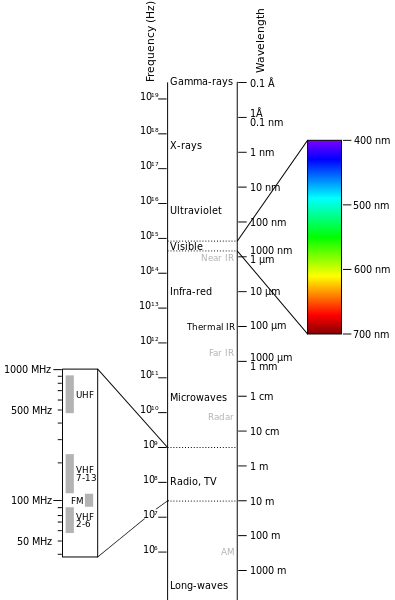
Human perception of color is limited to a very narrow band of the electromagnetic (EM) spectrum known as visible light. Within this spectrum, light frequencies arrange themselves in order of decreasing wavelengths:
Red: Longest wavelength, lowest frequency (associated with the Root Chakra).
Violet: Shortest wavelength, highest frequency (associated with the Crown Chakra).
The seven primary chakras correspond precisely to this natural sequence. Each chakra vibrates at a distinct frequency that mirrors specific bands of light, emotional states, and physiological functions.
The Principle of Entrainment
A cornerstone of advanced crystal healing education is the principle of entrainment. In physics, entrainment describes the synchronization of two vibrating objects. When a higher-amplitude energy source encounters a similar frequency of lower amplitude, the higher-amplitude energy dominates, causing the lower-amplitude system to rise and match its rhythm.
The Tuning Fork Analogy: If two tuning forks are tuned to the same frequency, striking the first with high force (high amplitude) and the second gently (low amplitude) will cause the second fork to amplify and match the energy of the first.
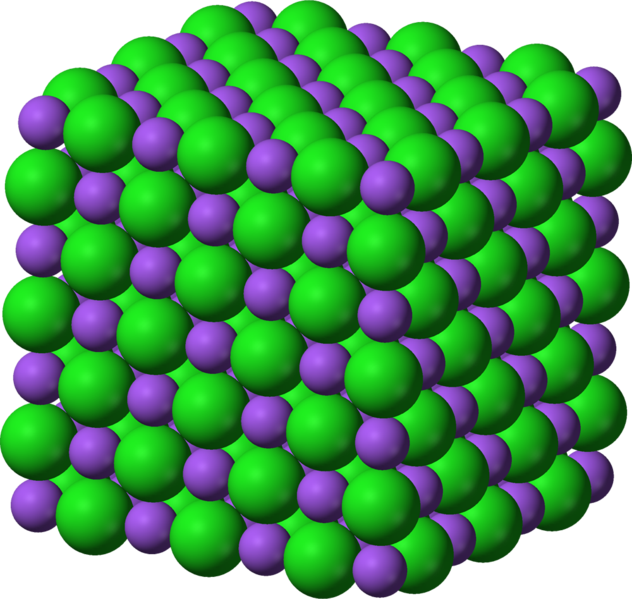
Human vs. Crystalline Structures: While the human body possesses a biofield and contains trace crystalline structures (such as bone and pineal gland micro-crystals), our atomic arrangement is not entirely uniform. Crystals, conversely, possess a flawless, unwavering geometric lattice (such as the sodium chloride ionic lattice or quartz silicon-dioxide structure).
Because of this geometric perfection, crystals maintain a highly stable, higher-amplitude energy field. When placed within proximity of the human body, they act as a tuning fork, encouraging unbalanced chakras to entrain with their stable, precise frequency.
Official Responses and Holistic Perspectives
While conventional Western medicine often views crystal healing through the psychological lens of the placebo effect, integrative wellness practitioners and certified crystal therapists report consistent, measurable shifts in patient well-being.
The Synergy of Therapy and Energetic Alignment
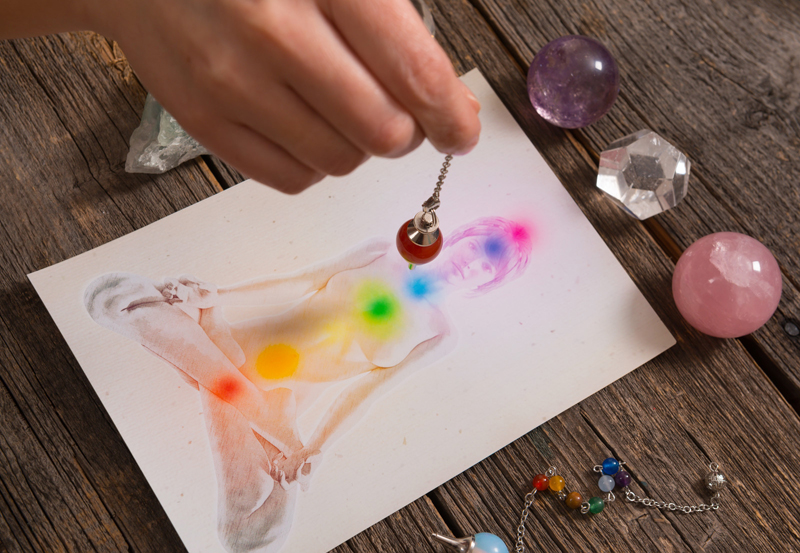
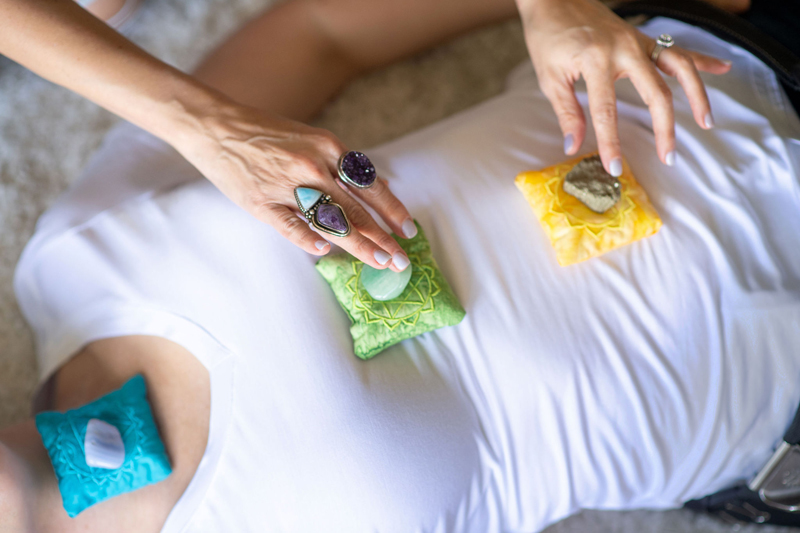
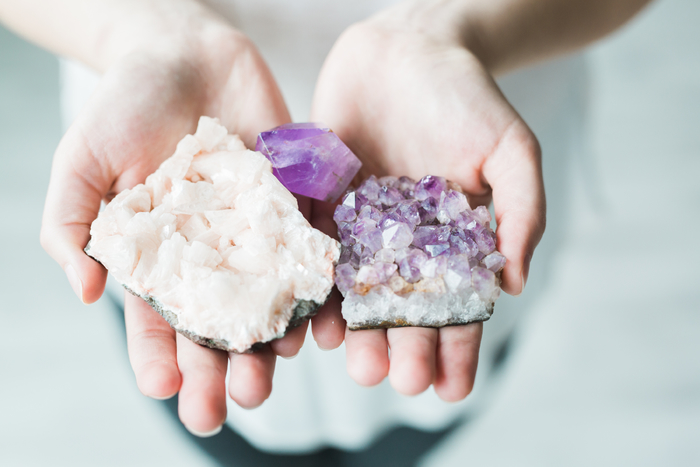
Many practitioners emphasize that crystal healing is not intended to replace conventional psychological care, but rather to complement it. Individuals undergoing long-term therapy for trauma, anxiety, or fear often report stagnant progress. Anecdotal case studies from holistic clinics suggest that introducing targeted chakra work—such as placing an amethyst point on the Third Eye chakra or green aventurine on the Heart chakra—can accelerate emotional breakthroughs.
"Therapy is a powerful healing resource for many," notes holistic educator and former science department chair Hibiscus Moon. "However… working on balancing and clearing your chakras can also have a tremendous positive impact. In most instances, the issue clears itself up much quicker when the associated chakra is addressed."
The Optics Debate: Reflection vs. Absorption
A common debate within mineralogy circles centers on the mechanism of color healing. Critics argue that a crystal’s visible color is merely the light frequency being reflected rather than absorbed, implying that the stone does not truly "emit" that color.
Holistic practitioners counter this argument with practical physics:
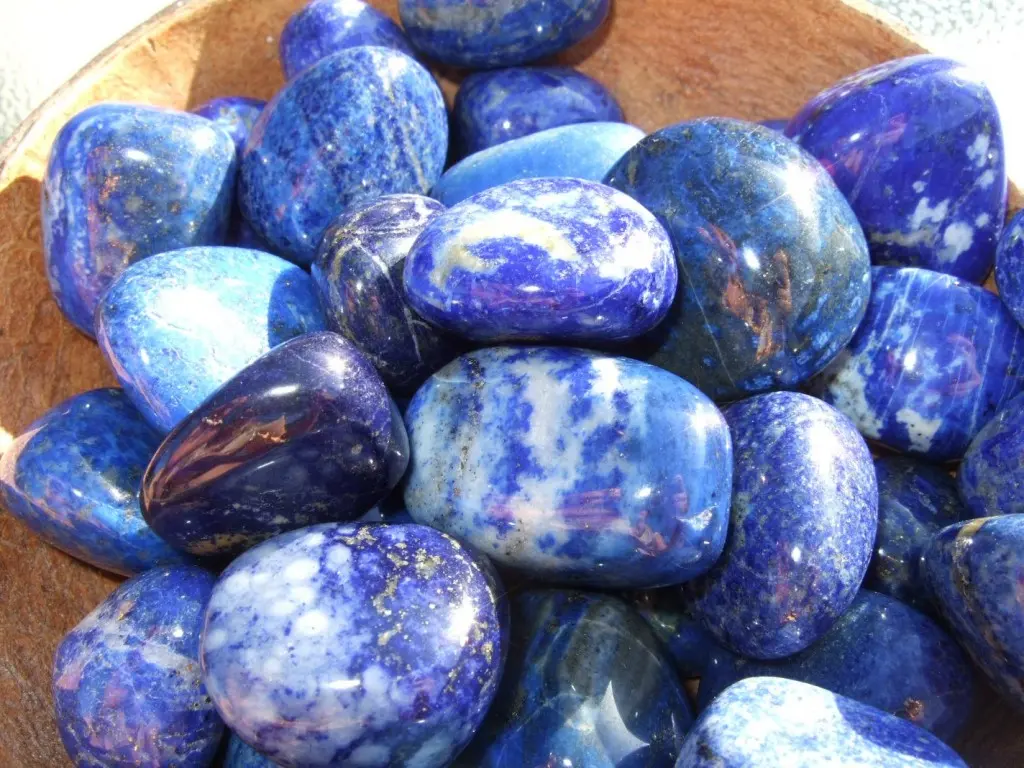
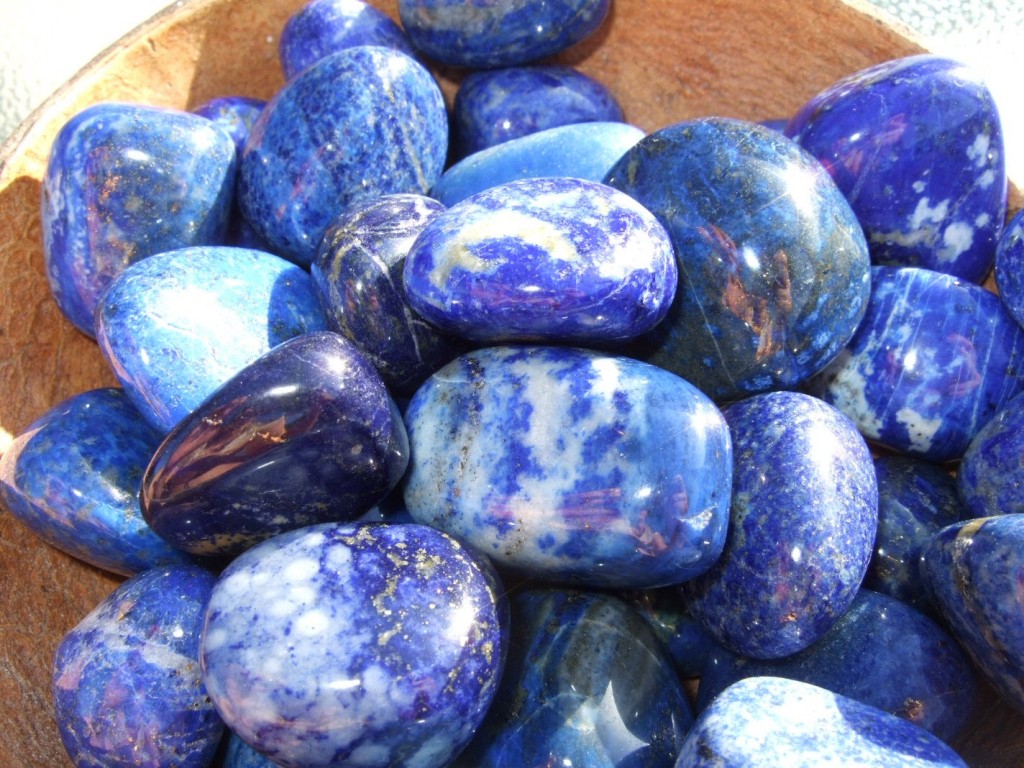
If a mineral reflects a specific wavelength (e.g., indigo light off an amethyst or lapis lazuli), that reflected light bathes the immediate environment of the user.
This environmental bathing exposes the corresponding chakra to an concentrated dose of that specific light frequency, facilitating the entrainment process. Case studies and student observations consistently validate that matching stone colors to chakra centers yields positive balancing results, regardless of the underlying optical mechanics.
Implications for Modern Holistic Wellness
The growing intersection of physics and metaphysical practice holds significant implications for the future of integrative health:
Demystifying Alternative Therapies: By grounding metaphysical traditions in verifiable scientific principles—such as the electromagnetic spectrum and harmonic resonance—practitioners can bridge the gap between science-minded skeptics and spiritual seekers.
Empowering Self-Care: Crystal chakra healing offers an accessible, non-invasive method for individuals to monitor and manage their emotional and energetic states independently. Simple practices, such as placing color-coordinated stones on energy centers, allow users to actively participate in their own wellness routines.
Holistic Integration: As integrative medicine gains institutional acceptance, therapies that address both the biochemical and energetic aspects of the human body are likely to see broader exploration in clinical and therapeutic settings.
Conclusion
Crystal chakra healing transcends simple aesthetic appreciation; it represents a sophisticated application of vibrational physics, color therapy, and ancient energetic mapping. By understanding how the stable atomic geometry of minerals can influence human biofields through entrainment, practitioners unlock a powerful tool for emotional and physical alignment.
Stay tuned for Part Two of this exclusive series, where we dive deeper into specific crystal applications, advanced layouts, and practical techniques for home implementation.