

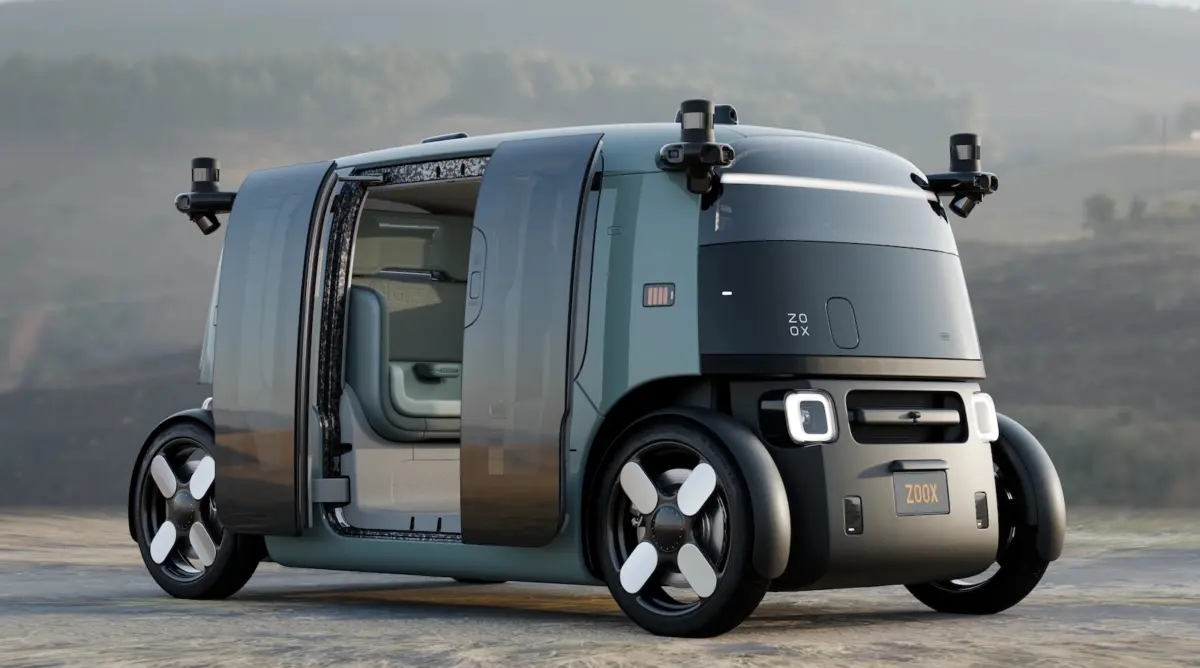
While the American public consciousness often reduces the robotaxi race to a binary contest between Waymo and Tesla, a third heavyweight has been quietly and aggressively making major waves across the autonomous vehicle landscape. Zoox, the Amazon-backed autonomous driving subsidiary, is having a breakout year. From out-pacing competitors in user base growth to launching a next-generation vehicle model, Zoox is firmly cementing itself as a primary contender in the future of urban mobility.
Fresh off achieving a monumental regulatory milestone—securing the nation’s first approval to operate a paid robotaxi service with zero human controls, followed by the official launch of paid passenger operations last month—the company is setting its sights on the Lone Star State. Zoox has announced that it will kick off autonomous vehicle testing later this month in Houston, Texas, introducing its self-driving technology to one of the most geographically sprawling and climatically challenging environments in the country.
Main Facts: The Houston Expansion
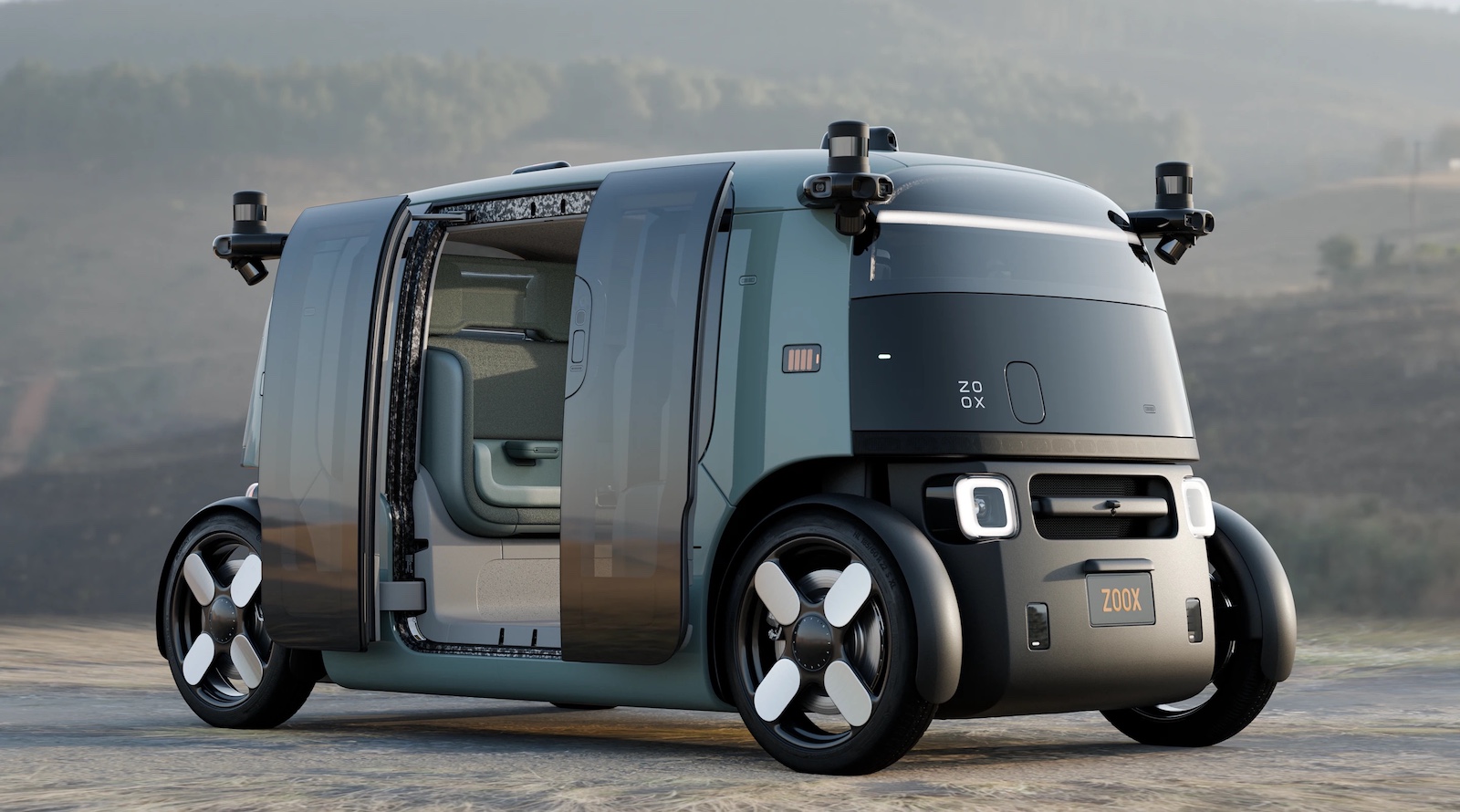
The upcoming rollout in "Space City" represents a significant departure from Zoox’s standard playbook. Rather than immediately deploying its proprietary, bi-directional, toaster-shaped robotaxis—which lack a steering wheel or pedals and feature a distinct, easily identifiable footprint—the company will initially utilize a fleet of retrofitted traditional SUVs.
Furthermore, these test vehicles will not operate entirely driverless out of the gate. Human safety drivers will remain behind the wheel during this initial phase to monitor the vehicle’s responses in real-time. Alongside the testing fleet, Zoox is laying down permanent infrastructure, having already finalized plans for a dedicated charging and maintenance depot in the Houston area.
This infrastructure investment signals that the testing phase is merely a stepping stone toward a full commercial launch in the market. However, conquering Houston will require the autonomous driving system to master a notoriously difficult urban topology characterized by complex service-road networks, rapid and confusing highway merging scenarios, and severe weather events ranging from intense summer heat to torrential downpours and flash flooding.
Chronology of a Breakthrough Year
To understand the significance of Zoox’s Houston expansion, it is necessary to examine the rapid-fire trajectory of the company over the past several months:
- June: Zoox formally unveils its next-generation robotaxi model, showcasing advanced sensor suites and a cabin designed entirely around passenger comfort rather than driver operation.
- Early July: Reports surface highlighting that Zoox is quietly growing its user base faster than any other competitor in the U.S. market, outstripping legacy expectations.
- Late July: Zoox secures a historic regulatory victory, becoming the first company in the United States authorized to operate a commercial, paid robotaxi service utilizing vehicles completely devoid of human controls.
- August: Following years of meticulous testing and navigating regulatory hurdles with unpaid pilot services, Zoox officially flips the switch to begin charging passengers for rides.
- Late August / September: The company announces its expansion into Houston, Texas, setting the stage for testing to begin later in the month with retrofitted SUVs and human safety operators.
Supporting Data: Zoox’s Growing National Footprint
Houston is not arriving in a vacuum; it represents the 12th major market in Zoox’s expanding geographical portfolio. The company’s methodical yet sweeping rollout strategy has planted its autonomous technology across a diverse cross-section of American topography and climate zones.
Before targeting Houston’s complex service roads, Zoox established operational testing and presence in 11 other key markets:
- Atlanta, Georgia
- Austin, Texas
- Dallas, Texas
- Las Vegas, Nevada
- Los Angeles, California
- Miami, Florida
- Phoenix, Arizona
- San Francisco Bay Area, California
- San Diego, California
- Seattle, Washington
- Washington, D.C.
By testing across this wide array of cities, Zoox has been systematically stress-testing its machine-learning algorithms against torrential Pacific Northwest rain, desert heat in Phoenix and Las Vegas, congested gridlock in Manhattan-like urban cores, and the sprawling grid systems of the Sun Belt. Houston, however, adds an entirely new tier of complexity to this data collection effort.
Official Responses and Corporate Strategy
In its official announcement detailing the expansion into Southeast Texas, company representatives did not shy away from the logistical hurdles presented by the region.
"Houston is our most sprawling market to date," Zoox noted in its corporate release. The statement highlighted that the city’s urban design features uniquely challenging infrastructure elements, including "complex service-road networks" and "unique merging scenarios."
Unlike grid-based cities where blocks are uniform and predictable, Houston’s massive network of highways, frontage roads, and multi-lane interchanges requires artificial intelligence to make split-second predictions regarding human driving behavior—behavior that is often aggressive, highly variable, and prone to ignoring traffic norms.
Moreover, Zoox highlighted the environmental factors inherent to the Gulf Coast. Extreme summer temperatures can tax vehicle thermal management systems, while heavy tropical downpours and sudden flooding pose severe visibility and traction challenges for lidar, radar, and camera arrays alike. By deploying retrofitted SUVs with human safety drivers first, Zoox engineers can safely gather high-resolution edge-case data in these extreme environments before transitioning the custom, custom-built robotaxis to fully driverless commercial operations.
Broader Implications for the Autonomous Vehicle Industry
The entrance of Zoox into the Houston market carries profound implications for the broader autonomous vehicle industry, signaling a shift away from isolated testing bubbles toward nationwide, multi-climate deployment.

1. Diversifying the Competitive Landscape
For years, the public conversation surrounding autonomous vehicles has been dominated by Alphabet’s Waymo—which has scaled successfully in cities like San Francisco, Phoenix, and Los Angeles—and Tesla’s controversial, camera-only Full Self-Driving (FSD) approach. Zoox’s rapid market expansion and recent monetization prove that a well-capitalized third player is successfully carving out substantial market share. Backed by Amazon, Zoox has the financial runway to sustain capital-intensive infrastructure build-outs, such as dedicated maintenance depots, while refining its bespoke hardware.
2. The Shift Toward High-Difficulty Environments
Early robotaxi deployments heavily favored grid systems and predictable urban grids. By tackling Houston—a city famous for its lack of traditional zoning, massive highway systems, and unpredictable weather—Zoox is pushing the envelope of what level-4 autonomy can handle. If Zoox successfully transitions its Houston testing phase into a reliable commercial service, it will effectively invalidate the argument that autonomous vehicles are only viable in tightly controlled, weather-mild urban centers.
3. Infrastructure as a Competitive Moat
Zoox’s strategy of building dedicated charging and maintenance depots in every new market underscores a vital lesson in the robotaxi industry: software alone is not enough. Managing a fleet of electric, autonomous vehicles requires physical real estate for cleaning, software updates, maintenance, and rapid battery charging. By establishing a physical footprint in Space City early, Zoox is building a localized operational moat that will be difficult for asset-light competitors to replicate quickly.
Conclusion
As Zoox prepares to unleash its retrofitted test fleet onto Houston’s bustling and demanding roadways later this month, the company is once again demonstrating its readiness to challenge the duopoly of Waymo and Tesla. With a fresh regulatory breakthrough under its belt, a rapidly growing user base, and an expanding national map that now includes Texas’s largest city, Zoox is transitioning from an experimental subsidiary into a dominant commercial force in urban transit.
Whether navigating the notorious Gulf Coast downpours or untangling complex highway merge points, Zoox’s upcoming tests in Houston will serve as a crucial bellwether for the maturity of autonomous vehicle technology—and a clear sign that the future of transportation will be fought city by city, block by challenging block.
