

Main Facts
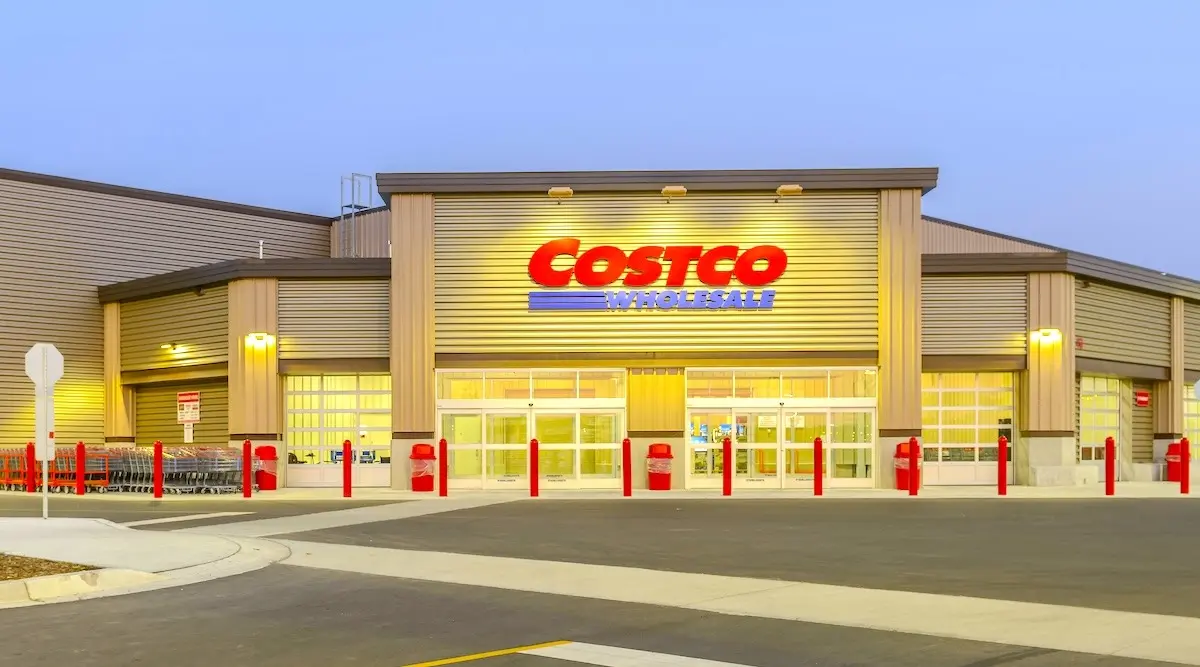
The shifting economic realities of the global automotive market have reached a critical juncture, highlighted by an unexpected bellwether: the bulk retailer Costco. Amid the broader inflationary fallout from the ongoing U.S. military conflict with Iran, the traditionally value-driven warehouse club has taken the unprecedented step of rationing its private-label synthetic motor oil. At the same time, Costco has hiked prices for its Kirkland Signature full-synthetic lubricant to $58.00 per 10-quart pack—a steep climb from its historical mid-$30s price point.
The rationing policy restricts shoppers to a single transaction at a time, capped at two transactions per week. For a company celebrated for maintaining razor-thin margins and holding the line on consumer goods, this defensive measure serves as a flashing red warning light for the entire internal combustion engine (ICE) ecosystem.
While public attention has justifiably focused on the skyrocketing price of gasoline and diesel at the pump, the motor oil crisis points to a deeper, more systemic vulnerability in fossil-fuel vehicle maintenance. Because base oils—the vital feedstocks that lubricant blenders transform into finished synthetic motor oil—are drawn from the same crude oil barrels as transportation fuels, refiners face a stark economic choice. When global crude markets swing upward, refiners can frequently command higher margins by converting barrels entirely into fuel rather than lubricant stock.
Furthermore, the United States remains a net importer of base oils, leaving domestic supply chains exceptionally vulnerable to geopolitical shocks. With the U.S. war in Iran disrupting global shipping lanes, restricting maritime choke points, and driving up crude prices, the foundational inputs for synthetic lubricants have faced historic cost pressures. According to market insight firm Independent Commodity Intelligence Services (ICIS), the price of base oils used to blend widely consumed synthetic motor oils has more than tripled to record highs since the conflict began.
For the growing legion of fully electric vehicle (EV) drivers, this latest inflationary squeeze is an irrelevance—a development greeted with a collective shrug. Because 100% battery-electric vehicles require no engine oil, spark plugs, timing belts, or traditional exhaust systems, EV owners are entirely insulated from the escalating costs of synthetic lubricants. While plug-in hybrids and extended-range EVs (EREVs) still require periodic oil changes, fully electrified motorists bypass this growing maintenance headache entirely. As the total cost of ownership (TCO) for traditional gas-powered vehicles ticks steadily upward, the comparative financial advantage of transitioning to electric mobility becomes increasingly difficult for prospective car buyers to ignore.
Chronology
To understand how the automotive and lubricant markets arrived at this tipping point, it is necessary to trace the convergence of long-term engineering shifts and sudden geopolitical crises:
- Pre-Conflict Baseline: Years before the current Middle East conflicts erupted, the cost of motor oil was already on a gradual upward trajectory. Modern internal combustion engines have grown increasingly sophisticated, requiring tighter tolerances, higher thermal stability, and specialized chemical additives. These demanding specifications forced lubricant manufacturers to rely more heavily on expensive, high-purity synthetic base stocks.
- February 28: U.S. President Donald Trump orders military strikes against Iran, initiating an escalating military conflict. The ensuing hostilities immediately disrupt major global shipping corridors, most notably the Strait of Hormuz, triggering massive spikes in global crude oil prices, gasoline, and diesel fuel.
- May: Early indicators of a looming domestic lubricant shortage begin to emerge at the retail level. Regional news outlets, such as ABC affiliate KTNV in Las Vegas, report growing supply constraints and inventory anxieties affecting major big-box retailers including Walmart and Costco.
- June: National Public Radio (NPR) publishes a comprehensive investigation detailing the structural deficits in the U.S. supply chain. Analysts from ICIS reveal that base oil prices have more than tripled to record levels, emphasizing that the United States is a net importer of base oils and lacks large-scale domestic production of the specific inputs required for high-grade synthetic motor oil.
- Late Summer: The convergence of tighter refining margins, feedstock scarcity, and shipping bottlenecks hits retail shelves. Wholesale clubs and auto parts stores face acute inventory pressures.
- September: Costco makes the unprecedented move to hike its Kirkland Signature full-synthetic motor oil to $58.00 per 10-quart pack and institute strict purchase limits of one transaction at a time, capped at two per week. Concurrently, regional stability suffers another blow when Iran-backed Houthi rebels in Yemen capture an island along the Bab el-Mandeb Strait—an alternative maritime route utilized after the closure of the Strait of Hormuz—and drone attacks from Iraq force Saudi Arabia to temporarily shut down a major alternative pipeline transportation route.
Supporting Data
The scale of the current economic disruption is mapped across several key metrics spanning commodity pricing, retail shifts, and consumer behavior:
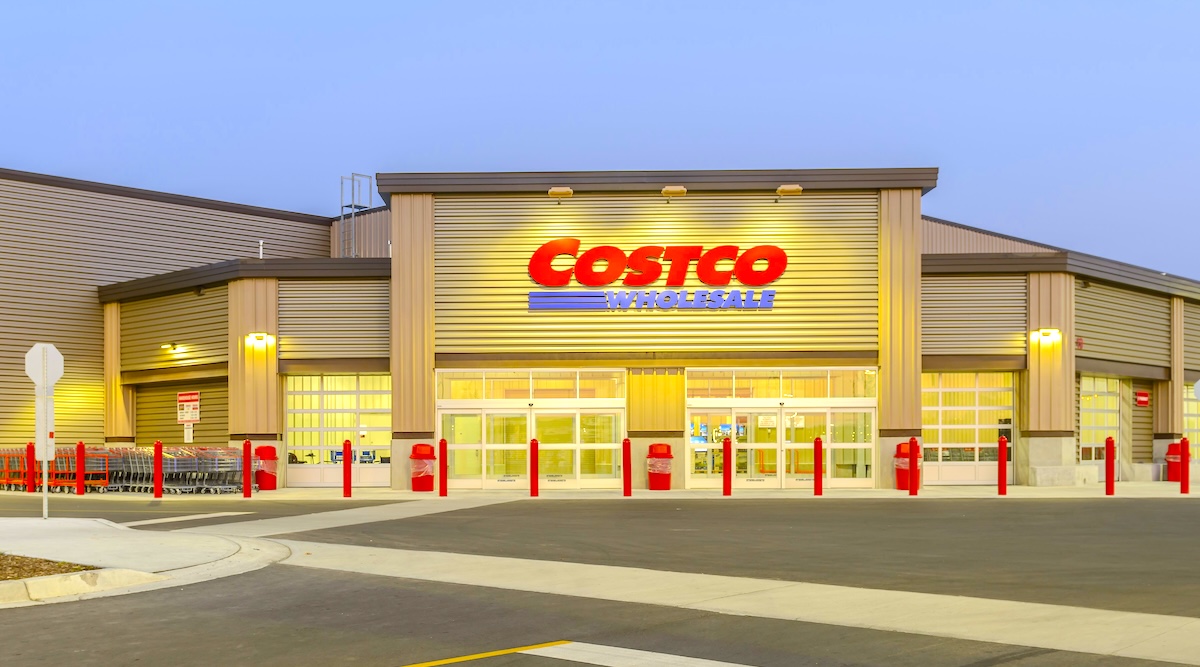
- Motor Oil Price Volatility: Kirkland Signature full-synthetic motor oil (10-quart pack), historically priced in the mid-$30s, surged to $58.00, representing a price jump of more than 65% in a compressed timeframe.
- Base Oil Inflation: According to ICIS data compiled during the conflict, the price of base oils used to blend synthetic motor oil has more than tripled to record highs.
- Import Vulnerability: While the United States operates as a net exporter of refined gasoline, diesel, and jet fuel—producing more than domestic consumption requires—it remains a net importer of base oils, making its domestic lubricant supply highly susceptible to international shipping disruptions and crude market volatility.
- EV Search Momentum: Digital consumer engagement tracking by CleanTechnica and automotive analysts noted an immediate and measurable surge in online searches for electric vehicles following the onset of the Iran conflict on February 28, indicating that prospective buyers immediately begin re-evaluating transportation economics during energy crises.
- Retail Automotive Incentives: Costco’s influential auto program, which aggregates manufacturer and member incentives, introduced targeted purchase incentives ranging from $1,000 to $2,000 on 100% battery-electric Volvo models (including the EX90, EX40, and EX30), valid through November 2. These member-specific savings can often be stacked on top of regional or state-level clean vehicle rebates.
Official Responses and Industry Stakeholders
As retail rationing and surging commodity prices ripple through the marketplace, reactions from industry analysts, automotive journalists, and retail observers highlight the severity of the crisis:
- Amanda Hay, Analyst at Independent Commodity Intelligence Services (ICIS): Highlighted the unprecedented nature of the supply crunch, noting via email to NPR that the cost of base oils used to formulate synthetic motor oils has “more than tripled to record levels” since the outbreak of the war. She further underscored that the United States relies heavily on foreign imports for these specific lubricant feedstocks.
- Shawn Henry, Reporter for The Auto Wire: Emphasized that Costco’s restrictive rationing and dramatic price increases are highly abnormal business practices for the warehouse club. Explaining the underlying petrochemical economics, Henry noted: "Base oil, the feedstock lubricant blenders turn into finished motor oil, comes out of the same barrel of crude as gasoline and diesel. When refiners can earn more money finishing a barrel into fuel than into lubricant stock, base oil supply tightens and its cost follows crude and crack-spread swings all the way up the chain, eventually arriving at a jug on a Costco shelf."
- Energy and Regional Security Officials: Regional authorities in the Middle East have faced mounting challenges attempting to calm international shipping markets and reassure global commerce regarding the security of alternative transit arteries, such as the Bab el-Mandeb Strait, following Houthi militant seizures and infrastructure drone attacks on Saudi pipelines.
- Automotive Industry Analysts: Observers tracking the shift from internal combustion to electrification note that while fuel price spikes do not instantly translate into a mass stampede of dealership EV purchases, they systematically erode the psychological and financial comfort of owning a conventional gas-powered vehicle. Analysts emphasize that as public charging infrastructure continues to mature and expand, economic friction points like motor oil rationing serve as powerful catalysts for fence-sitting consumers.
Implications
The convergence of geopolitical conflict, refining bottlenecks, and retail rationing carries profound implications for the broader automotive market, vehicle ownership economics, and the ongoing transition toward vehicle electrification.
1. The Cumulative Erosion of ICE Affordability
For decades, proponents of internal combustion engine vehicles have pointed to lower upfront purchase prices as a decisive advantage over electric vehicles. However, the total cost of ownership (TCO) equation is undergoing a structural re-evaluation. While motor oil is an intermittent maintenance expense rather than a weekly household outlay like gasoline, price spikes of this magnitude add persistent friction to traditional vehicle maintenance. When combined with chronically elevated fuel prices, parts inflation, and the specialized servicing requirements of modern, high-compression engines, the cumulative financial burden of operating a gas-powered car is climbing steadily. Each successive geopolitical shock in energy-producing regions serves as another straw on the camel’s back for ICE vehicle owners.
2. Accelerating the EV Value Proposition
For consumers sitting on the fence between gas and electric options, these cascading petroleum-linked shortages underscore the structural resilience of electric mobility. Battery-electric vehicles eliminate dozens of moving parts and chemical consumables, shielding their operators from swings in global base oil markets, engine component inflation, and refinery allocation priorities. Although EVs continue to carry higher initial sticker prices, their lower marginal operating and maintenance costs flatten out the ownership cost curve over time. As traditional motoring becomes progressively more complex and expensive to maintain, the economic margin of safety provided by EVs grows increasingly compelling.
3. The Evolving Role of Retail and Fleet Incentives
As traditional automotive supply chains absorb these inflationary shocks, commercial platforms that bridge consumer access and clean technology are gaining strategic importance. Programs like the Costco Auto Program—traditionally utilized to streamline vehicle purchases—are actively tilting their promotional weight toward electrification. By offering targeted stackable incentives on fully electric models like Volvo’s EX series, membership clubs are inadvertently or intentionally easing the financial friction of the transition.
Ultimately, the sight of consumers facing purchase limits on basic synthetic motor oil at a wholesale warehouse club is a symptom of a much larger transition. It signals that the era of cheap, frictionless fossil-fuel vehicle maintenance is drawing to a close. As global energy markets remain structurally volatile and traditional maintenance costs march upward, the automotive marketplace is finding that the true cost of burning oil extends far beyond what motorists pay at the fuel pump.
