

Published: August 5, 2026
Location: Global Wellness Desk
When summer temperatures reach blistering highs, the standard human instinct is to slow down, seek air conditioning, and lie low to avoid generating any additional internal metabolic heat. Modern society relies heavily on artificial climate control, portable fans, and ice-cold beverages to survive heatwaves. However, according to ancient yogic traditions, one of the most effective tools for thermal regulation is already built directly into the human body.
By harnessing the power of specialized breathwork—specifically a cooling pranayama technique known as Sitali breath—individuals can actively lower their perceived internal body temperature in a matter of minutes. Requiring no equipment, specialized gear, or air conditioning units, this five-minute practice uses deliberate inhalations and exhalations to cool the system, soothing both the physical body and an overstimulated, heat-stressed mind.
Main Facts: The Science and Practice of Sitali Breath
As global temperatures continue to rise year-over-year, wellness experts and traditional yoga practitioners alike are highlighting ancient holistic remedies to help populations cope with extreme weather. At the forefront of these practices is Sitali, a Sanskrit term translating roughly to "cooling" or "soothing."

What is Sitali Breath?
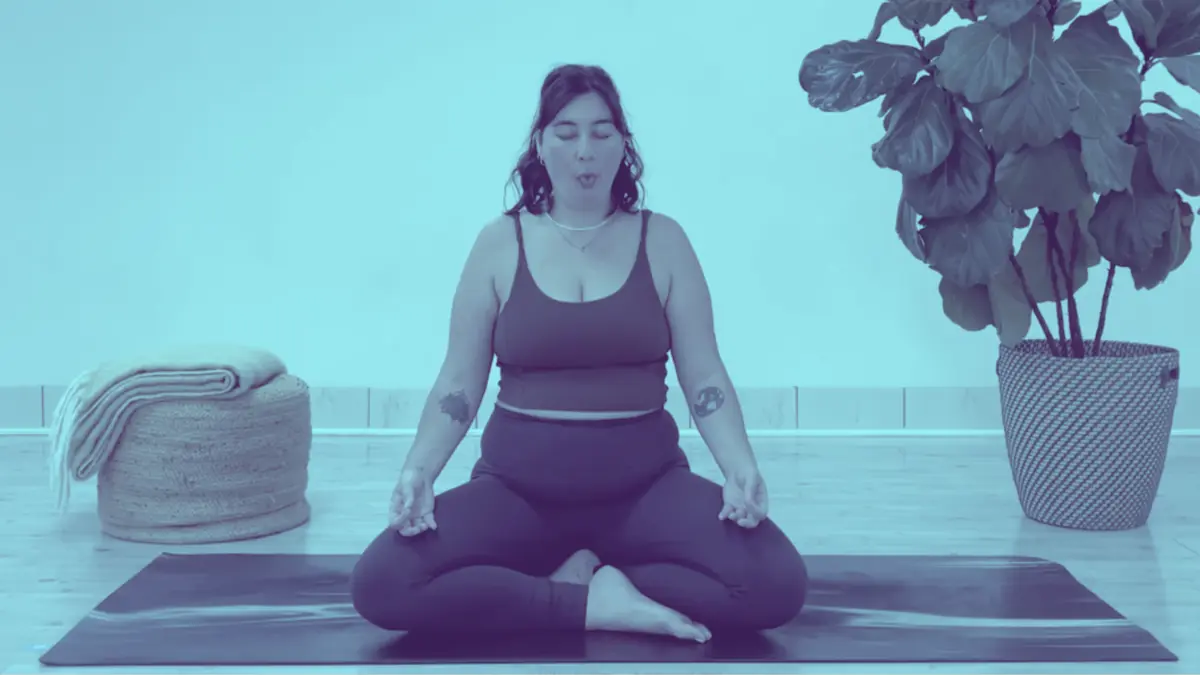
Often playfully referred to as "taco breath," Sitali is a traditional yogic breathing exercise (pranayama) designed explicitly to reduce internal body heat, alleviate stress, and calm an agitated nervous system. The mechanics of the practice are deceptively simple:
- The practitioner curls the edges of the tongue inward lengthwise, forming a tube or "taco" shape.
- An inhalation is drawn slowly through this rolled tongue, acting as a natural evaporative cooler as air passes over the moist surface of the tongue.
- The mouth is then closed, and the breath is exhaled smoothly through the nose.
For individuals whose genetics prevent them from rolling their tongues into a tube (a common hereditary trait), an accessible modification is available: lightly touching the teeth together, parting the lips slightly, and drawing air in through the mouth before exhaling through the nose.
Why It Works
From a physiological perspective, drawing air across the moist mucous membranes of the tongue initiates evaporative cooling. When that air is subsequently drawn into the respiratory tract, it helps lower the temperature of the blood circulating near the upper palate and brain. Simultaneously, the intentional slowing of the breath activates the parasympathetic nervous system—the body’s "rest and digest" mechanism. This counteracts the physiological panic, elevated heart rate, and irritability frequently induced by extreme heat.
Chronology: A Step-by-Step 5-Minute Cool-Down Routine
To maximize the thermal and mental benefits of Sitali breath, yoga instructor Taylor Lorenz recommends a structured, five-minute sequence. The practice is divided into three distinct phases, prioritizing minimal physical exertion to ensure no excess metabolic heat is generated during the exercise.
Phase 1: Settle In (Minute 1)
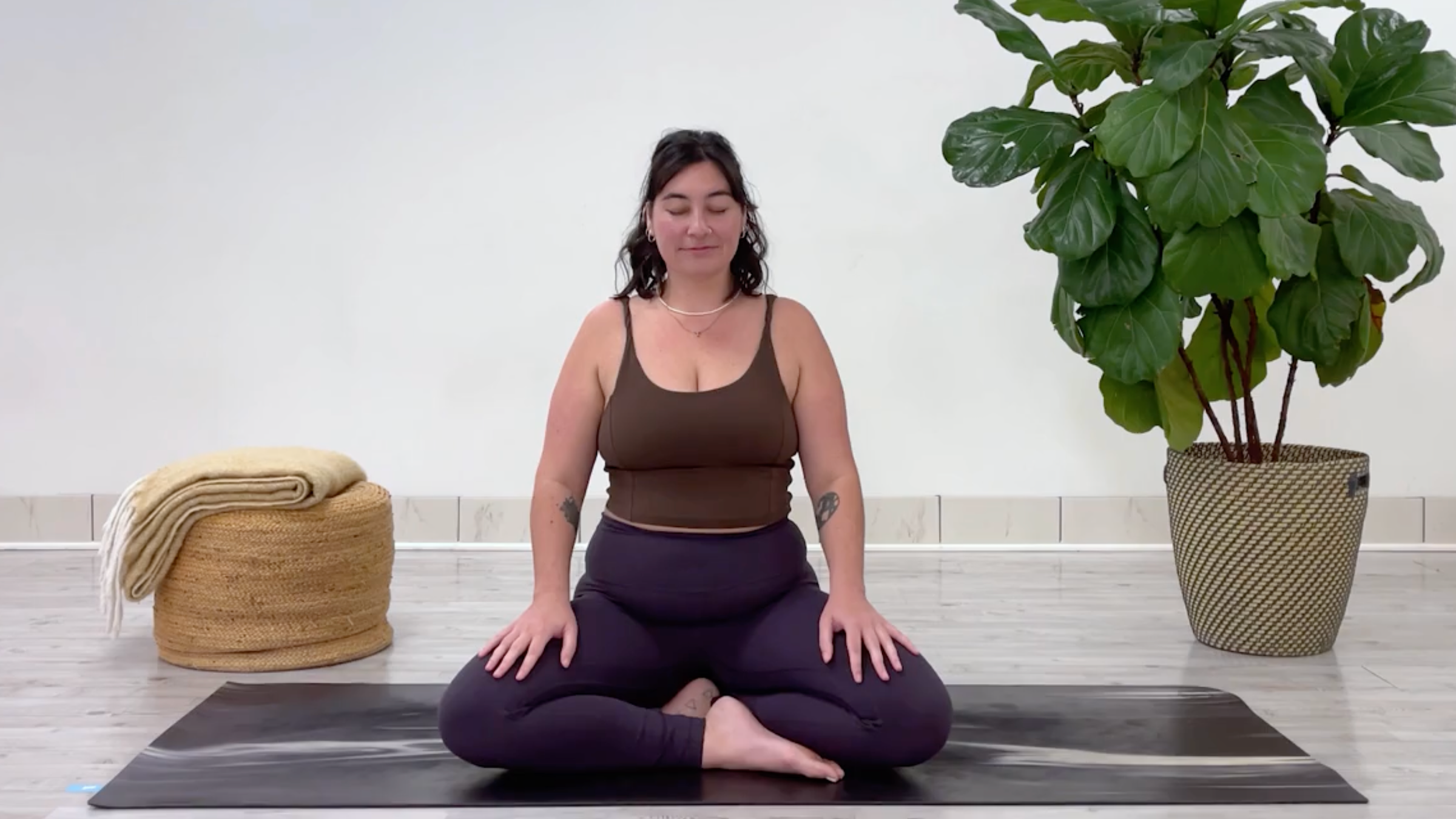
- Posture: Find a comfortable, upright seated position. Practitioners can choose kneeling postures such as Thunderbolt pose (Vajrasana) or cross-legged variations like Easy Pose (Sukhasana).
- Props: To avoid tension and promote relaxation, sit on a yoga block or a bolster for pelvic and spinal support. Remember that the overarching goal is zero exertion; pushing into an uncomfortable stretch will only generate more internal heat.
- Hand Placement: Relax the shoulders away from the ears and close the eyes. Place the hands gently on the thighs. Palms can face upward to cultivate an open, receptive energetic state, or downward toward the earth for grounding.
- Observation: Spend the first full minute simply observing the natural rhythm of the breath without attempting to shape, alter, or control it. Allow the body to arrive in the present moment.
Phase 2: The Sitali Practice (Minutes 2–4)
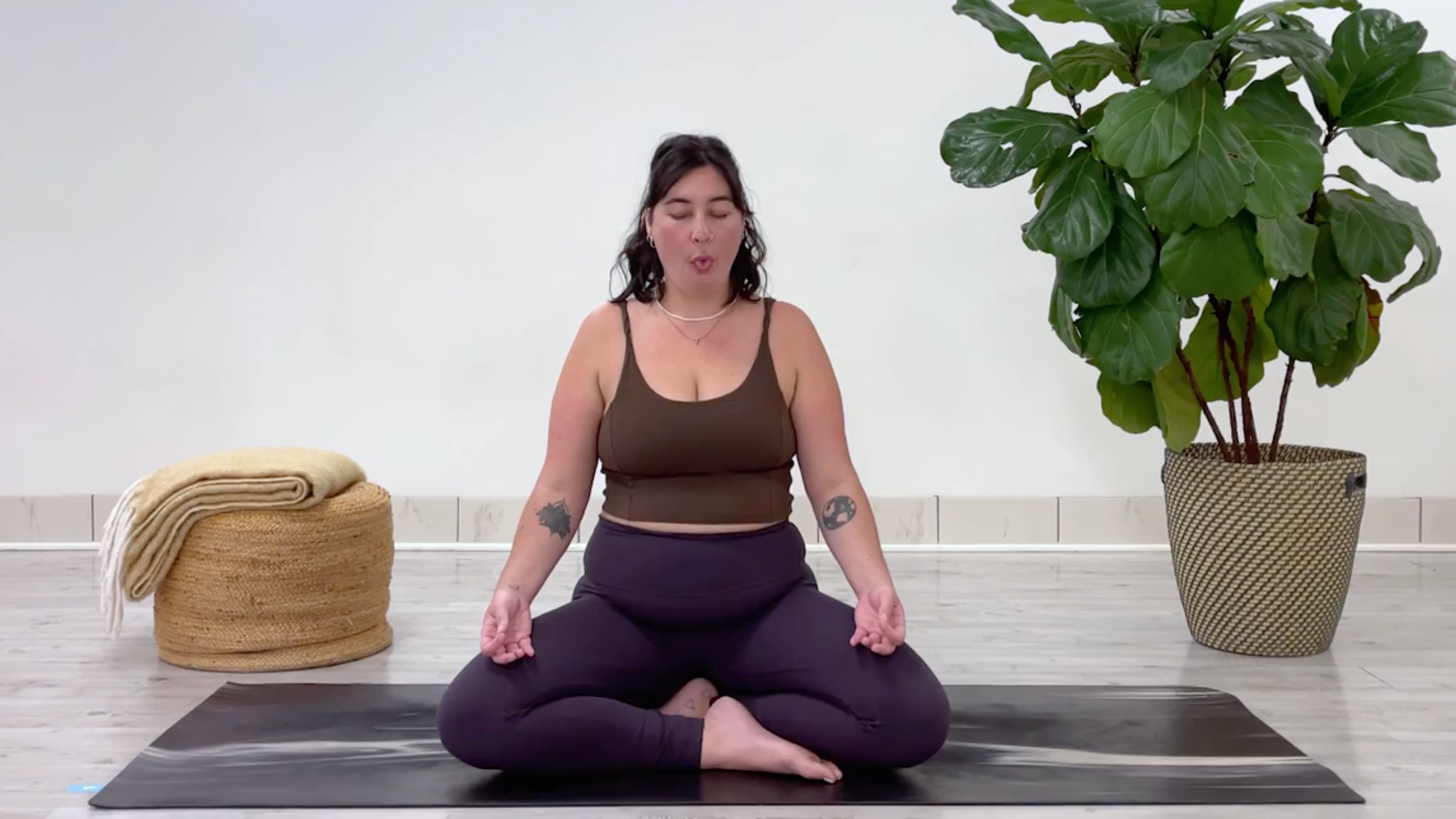
- Execution: Transition into the core pranayama technique. Extend the tongue slightly outside of the lips and roll the outer edges upward to form a "taco" shape.
- Inhalation: Inhale smoothly and deeply through the rolled tongue, imagining you are drawing air upward through a narrow straw. Notice the immediate sensation of coolness sweeping across the tongue and down into the throat.
- Exhalation: Unfold the tongue, gently seal the lips, and release the breath slowly and completely through the nostrils.
- Repetition: Maintain this steady cycle of tongue-inhalation and nose-exhalation for three continuous minutes. For those unable to roll their tongue, substitute the modified technique of inhaling through lightly clenched teeth.
Phase 3: Natural Integration (Minute 5)
- Release: Let go of the specialized pranayama pattern and return control of the breath entirely over to the body’s natural intelligence.
- Normalization: Spend the final minute breathing exclusively in and out through the nose, observing any shifts in body temperature, heart rate, and mental clarity.
- Closure: When ready, gently flutter the eyes open. Carry the newly established sense of calm, cool grounding forward into the remainder of the day.
Supporting Data: The Intersection of Heatwaves and Holistic Health
As climate patterns shift toward more frequent, prolonged heatwaves, public health data underscores the critical need for accessible cooling strategies.
- The Metabolic Burden of Heat: Medical studies consistently show that ambient temperatures exceeding 90°F (32°C) force the cardiovascular system to work harder. The heart pumps blood closer to the skin’s surface to facilitate heat dissipation, which can lead to fatigue, brain fog, and elevated cortisol (stress hormone) levels.
- Nervous System Regulation: Clinical research into pranayama practices demonstrates that controlled, slow-frequency breathing (specifically practices emphasizing extended exhalations or specialized mouth shapes like Sitali) can reduce systolic blood pressure and lower sympathetic nervous system activation within minutes.
- Accessibility and Cost: Unlike air conditioning, which carries significant financial and environmental costs, breathwork is entirely free, infinitely portable, and accessible to populations regardless of socioeconomic status. Five minutes of guided breathing can be performed at a workplace desk, on public transit, or during outdoor activities where mechanical cooling is unavailable.
Official Responses and Expert Perspectives
Holistic health practitioners, somatic therapists, and yoga educators have increasingly advocated for integrating ancient somatic tools into modern wellness protocols, particularly during climate emergencies and summer heat peaks.
"When the external environment feels chaotic and aggressively hot, our internal landscape often mirrors that stress," notes wellness educator and yoga instructor Taylor Lorenz. "We forget that we possess an internal thermostat. Practices like Sitali breath do not require you to fight the weather; instead, they teach you how to adapt your internal state, shifting your relationship with discomfort from one of resistance to one of regulation."
Integrative medicine physicians point out that while breathwork cannot replace hydration or shelter during dangerous heat advisories, it serves as an invaluable psychological and physiological buffer. By signaling safety to the brain through controlled respiration, individuals can mitigate the panic and agitation that often accompany heat-related exhaustion. Furthermore, public health advocates suggest that teaching simple somatic techniques in schools and workplaces could drastically improve resilience during urban heat islands and summer temperature spikes.
Implications: Building Resilience in a Warming World
The resurgence of interest in traditional practices like Sitali breath highlights a broader cultural shift toward self-regulated health and somatic awareness. As extreme weather events become more common due to global climate change, reliance solely on external infrastructure—such as electrical grids and air conditioning units—presents vulnerabilities, particularly during power outages or rolling blackouts.
Empowering the Individual
By learning internal thermal regulation techniques, individuals reclaim a degree of agency over their physical comfort and well-being. Knowing how to cool the nervous system using nothing more than a mindful five-minute pause fosters psychological resilience. It reinforces the mind-body connection, demonstrating that humans are not entirely passive victims of their environment.
Integrating Ancient Wisdom into Modern Routines
Ultimately, the integration of pranayama into daily summer routines bridges the gap between ancient eastern philosophy and contemporary lifestyle medicine. Whether utilized as a quick reset during a high-stress workday, an antidote to sweltering afternoon commutes, or a foundational element of a morning wellness ritual, Sitali breath proves that the most sophisticated tools for human health are often the simplest ones.
As temperatures continue to fluctuate in the years to come, keeping a few rounds of Sitali breath in your back pocket ensures that, no matter how hot the world gets outside, you always retain the capacity to keep your cool.
