

By C. Pierce Salguero
Special to Global Health & Spirituality Review
Main Facts: Redefining Buddhism in the Modern Wellness Landscape
In contemporary Western culture, Buddhism has increasingly become synonymous with stress relief, clinical mindfulness, and apps designed to calm the nervous system. From corporate boardrooms to hospital recovery wards, the tradition is frequently framed as a secularized, individualized health intervention.
However, a groundbreaking new online survey conducted by scholar C. Pierce Salguero reveals a stark disconnect between how the modern wellness industry packages Buddhism and how American Buddhists actually experience it. Far from viewing their spiritual practice as a mere collection of isolated health hacks, American practitioners report that Buddhism functions as a comprehensive, holistic healing paradigm—one that is deeply anchored in community, ritual, ethics, and a wide array of diverse traditions.
The survey, which gathered approximately 400 total responses, focused specifically on a subset of 141 self-identified Buddhists living across the United States. The findings demonstrate an overwhelming consensus: regardless of age, race, gender, income level, or sectarian background, roughly 90% of respondents credit Buddhist teachings with enhancing their mental health, while more than 75% report tangible benefits to their physical wellbeing.
Yet, the data challenges the hyper-individualized, meditation-only narrative promoted by mainstream wellness culture. While meditation remains central, American Buddhists are actively engaging in a rich tapestry of chants, visualizations, vegetarianism, and social gatherings—weaving these elements together into a personalized tapestry of holistic health.
Chronology: Uncovering the Voice of American Practitioners
The Genesis of the Study
For years, scholarly discourse surrounding "Buddhist medicine" has largely concentrated on historical texts, monastic traditions, and clinical adaptations in Asia. Dr. C. Pierce Salguero, an expert in the history of medicine and Buddhism from Penn State University’s Abington College, sought to move beyond historical texts and clinical trials to examine how contemporary Western practitioners understand these intersections in their daily lives.
"As a scholar who has long focused on ‘Buddhist medicine’ in Asia, I wanted to hear how American Buddhists speak on the subject—in their own words and on their own terms," Salguero explained. To bridge this gap, he developed a detailed online survey aimed at capturing the lived experiences of practitioners across the United States.
Data Collection and Demographic Mapping
The survey successfully captured approximately 400 total submissions. Among them, a core subset of 141 respondents met the dual criteria of living in the U.S. and self-identifying as Buddhist.
The demographic breakdown of this subset reflected a diverse geographic and socioeconomic cross-section of the country:
- Race/Ethnicity: 62% White, 23% Asian, 3% Black, 3% Hispanic, 9% Mixed Race, and 2% Other.
- Gender: Split nearly 50-50.
- Income & Geography: Represented a wide distribution of income levels and reported zip codes spanning from coast to coast.
- Traditions: Ranged broadly across Theravada, Mahayana, Vajrayana, and modern non-sectarian Buddhist lineages.
By gathering qualitative and quantitative data from this varied group, the research traced a comprehensive timeline of how Buddhist practices are adopted, adapted, and integrated into modern American health routines.
Supporting Data: What the Numbers Tell Us About Practice and Healing
The quantitative results of the survey offer definitive insights into the scale and scope of perceived health benefits among American Buddhists.
The Centrality—and Diversity—of "Meditation"
When asked which specific practices connect most directly with health, meditation naturally topped the list. Fully 86% of respondents agreed it benefits mental health, while 73% associated it with physical health improvements.
However, a closer look at the qualitative data revealed that the single word "meditation" serves as a catch-all for an extraordinary array of distinct techniques, intentions, and cultural contexts. Respondents detailed practicing:
- Mindfulness and insight meditation (vipassana)
- Calming practices (shamatha)
- Zen-specific disciplines (Zazen)
- Loving-kindness cultivation (metta)
- Tibetan giving-and-receiving exercises (tonglen)
- Walking meditation, movement-based contemplative practices, Tibetan yoga, and prostration exercises.
Beyond the Cushion: Chanting, Visualization, and Community
Crucially, meditation was far from the only healing modality reported. The data revealed widespread engagement in other traditional practices:
- Chanting and Social Gatherings: Mentioned by approximately 50% of respondents. Chanting ranged from reciting the Heart Sutra and repeating the name of Amitabha Buddha to intoning powerful mantras like OM-MANI-PADME-HUM.
- Visualization and Specialized Classes: Roughly one-third of participants engaged in visualization techniques, which included Tibetan deity practices, Medicine Buddha sadhana, and various forms of energy cultivation.
- Dietary Practices: Vegetarianism was featured in a quarter of all responses.
- Cross-Tradition Healing: Many respondents bridged Buddhist frameworks with broader Asian healing arts, incorporating yoga, tai chi, qigong, acupuncture, and traditional herbal remedies into their daily routines.
Specific Health Conditions Addressed
Beyond general wellness, a significant number of participants reported that their practice actively aided them in managing diagnosed medical conditions. The extensive self-reported list included:
- Anxiety and depression
- Chronic pain and hypertension (blood pressure issues)
- Autoimmune and inflammatory responses (lupus flares, compromised immune function)
- Neurological and physiological challenges (brain tumors, stroke recovery, tremors, post-surgical healing)
- Metabolic and systemic conditions (diabetes, high blood sugar, high cholesterol, elevated cortisol levels, kidney disease, pancreatic cancer, digestive problems, skin conditions, allergic bronchitis, fevers, and colds).
Note: While these self-reports do not constitute clinical trials demonstrating direct causation, they underline the profound therapeutic relevance American Buddhists attribute to their practice.
Official Responses: Shifting the Narrative on Mental and Physical Wellbeing
The survey results highlight three primary themes regarding the specific benefits experienced by practitioners:
1. Emotional Regulation and Habit Transformation
More than 60% of respondents identified emotional regulation—the capacity to manage stress, anger, anxiety, and difficult mental states—as a primary outcome of their practice. While this aligns neatly with existing psychological literature on mindfulness, practitioners framed their progress in distinctly Buddhist terms. They spoke not merely of temporary relaxation, but of cultivating discernment, making wiser life decisions, and breaking deeply ingrained patterns of reactivity.
2. Enhanced Mind-Body Connection
Over half of the participants pointed to an intensified awareness of physical sensations. Practitioners described becoming more attuned to how mental states directly affect bodily functioning, enabling them to intervene in unhealthy physiological patterns before they manifest as chronic illness.
3. The Power of Social Connection
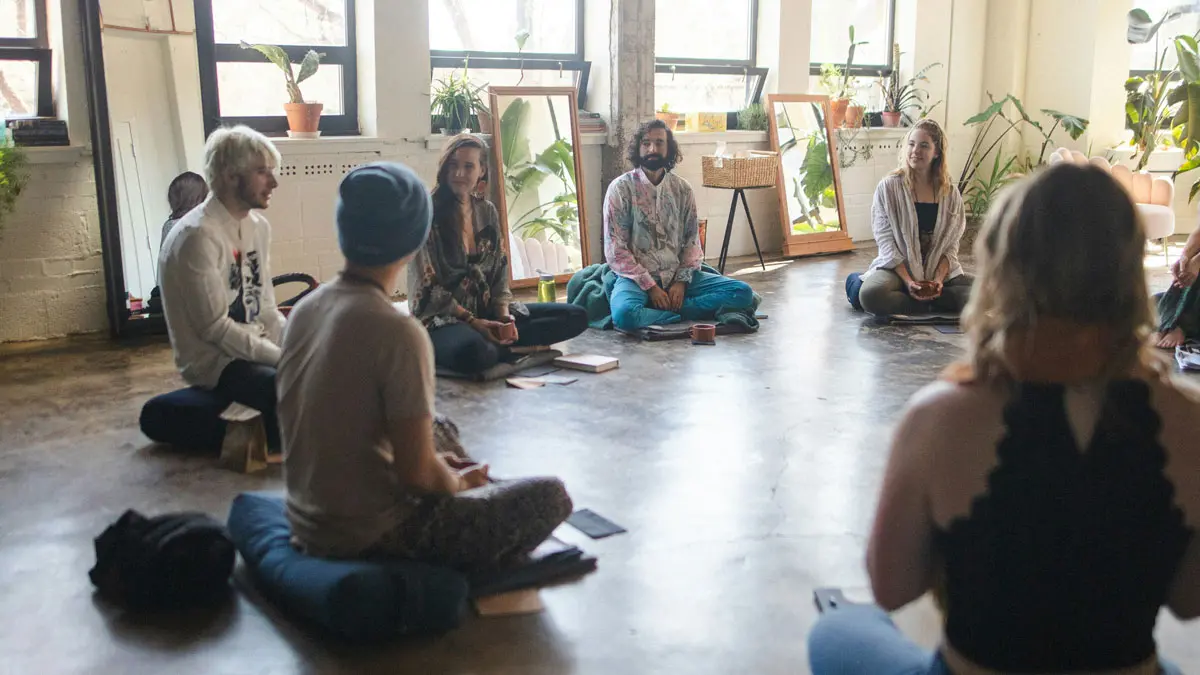
Perhaps the most striking finding was the heavy emphasis placed on community. Western wellness culture typically markets Buddhism as an individual pursuit—the solitary meditator finding inner peace on a cushion in isolation. Yet, over half of the respondents highlighted the collective dimensions of their practice as critical to their health.
Participants credited local sanghas (communities), peer networks sharing mutual values, and communal gatherings as essential counterweights to what one respondent termed "our hyper-individualistic modernist culture in the West."
Implications: A Comprehensive Healing Paradigm
The implications of Dr. Salguero’s research challenge the foundational assumptions of the contemporary wellness industry. Buddhism is not experienced by its adherents primarily as a collection of disjointed health interventions designed to optimize productivity or reduce workplace stress.
Instead, the findings suggest that American Buddhism operates as a comprehensive healing paradigm. Ethics, community, ritual, chanting, compassion, and meditation do not exist in isolation; they are deeply interconnected pillars of a holistic tradition.
As practitioners navigate the complexities of chronic illness, mental health challenges, and the search for meaning in modern life, they draw upon an integrated framework. For American Buddhists, the path to wellbeing is not found in a single app or a solitary meditation session, but in the complete embrace of a rich spiritual tradition that shapes how they relate to themselves, to one another, and to the fundamental challenges of the human condition.
