

CAMP VERDE, Ariz. — The Verde Valley Archaeology Center and Museum (VVAC) has announced its upcoming Indigenous Peoples Day celebration, scheduled for Saturday, October 10, from 10:00 a.m. to 4:00 p.m. Located in the heart of Camp Verde, Arizona, the museum will open its doors to the public for a day dedicated to recognizing, honoring, and preserving the rich heritage, vibrant culture, and ongoing contributions of Native American communities in the Southwest.
The event features a diverse array of programming designed to foster cross-cultural appreciation and education. Central to the day’s festivities is a Native American Artist Market, showcasing the works of more than 30 regional indigenous artists. Visitors will have the opportunity to view and purchase authentic, handmade items ranging from fine art, pottery, and intricate jewelry to traditional weavings, katsinas, custom silversmith work, contemporary apparel, and unique crafts. To complement the cultural experience, traditional homemade fry bread will be available for purchase throughout the day. Admission to both the artist market and the museum exhibits is free to the public.
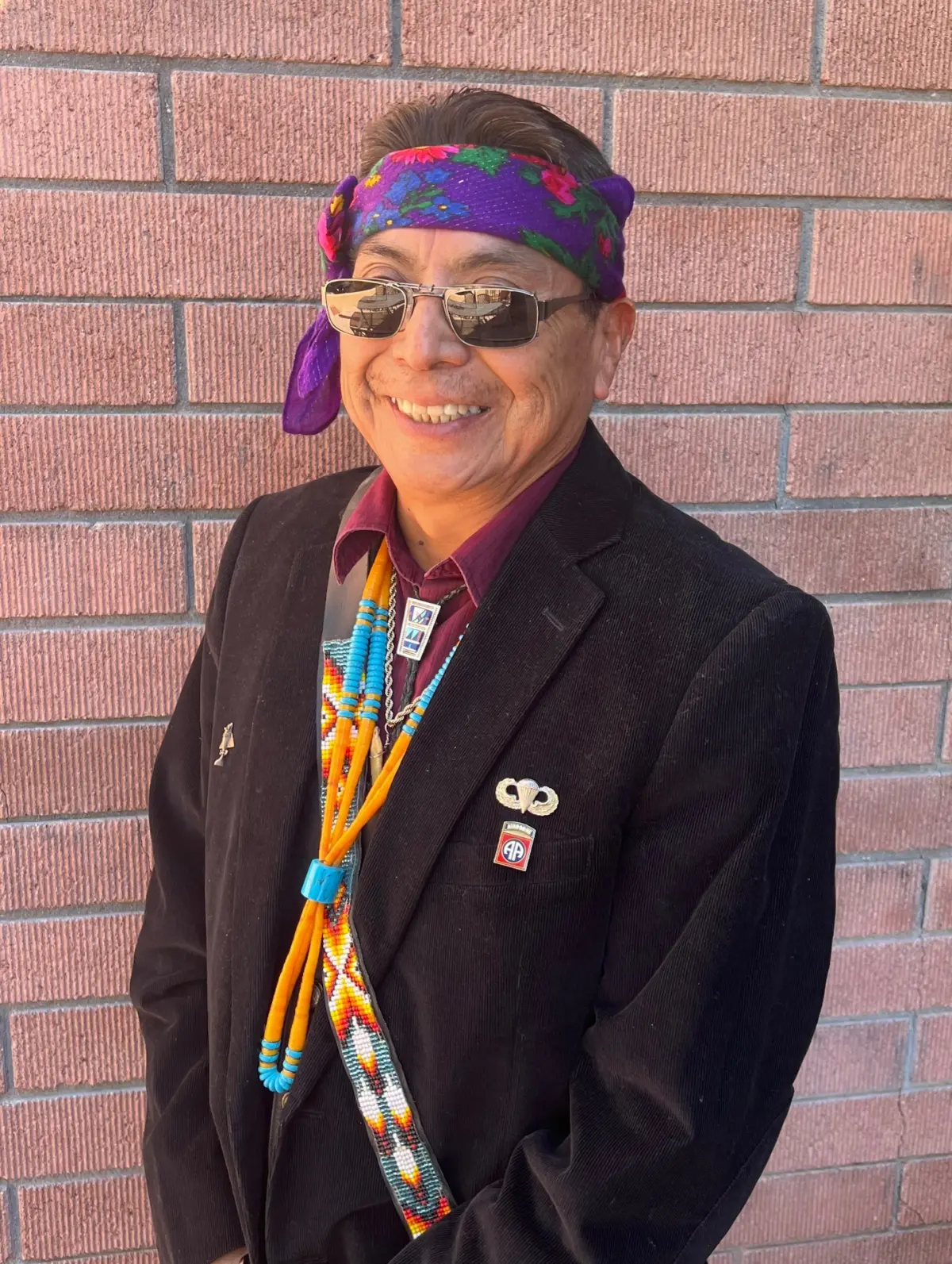
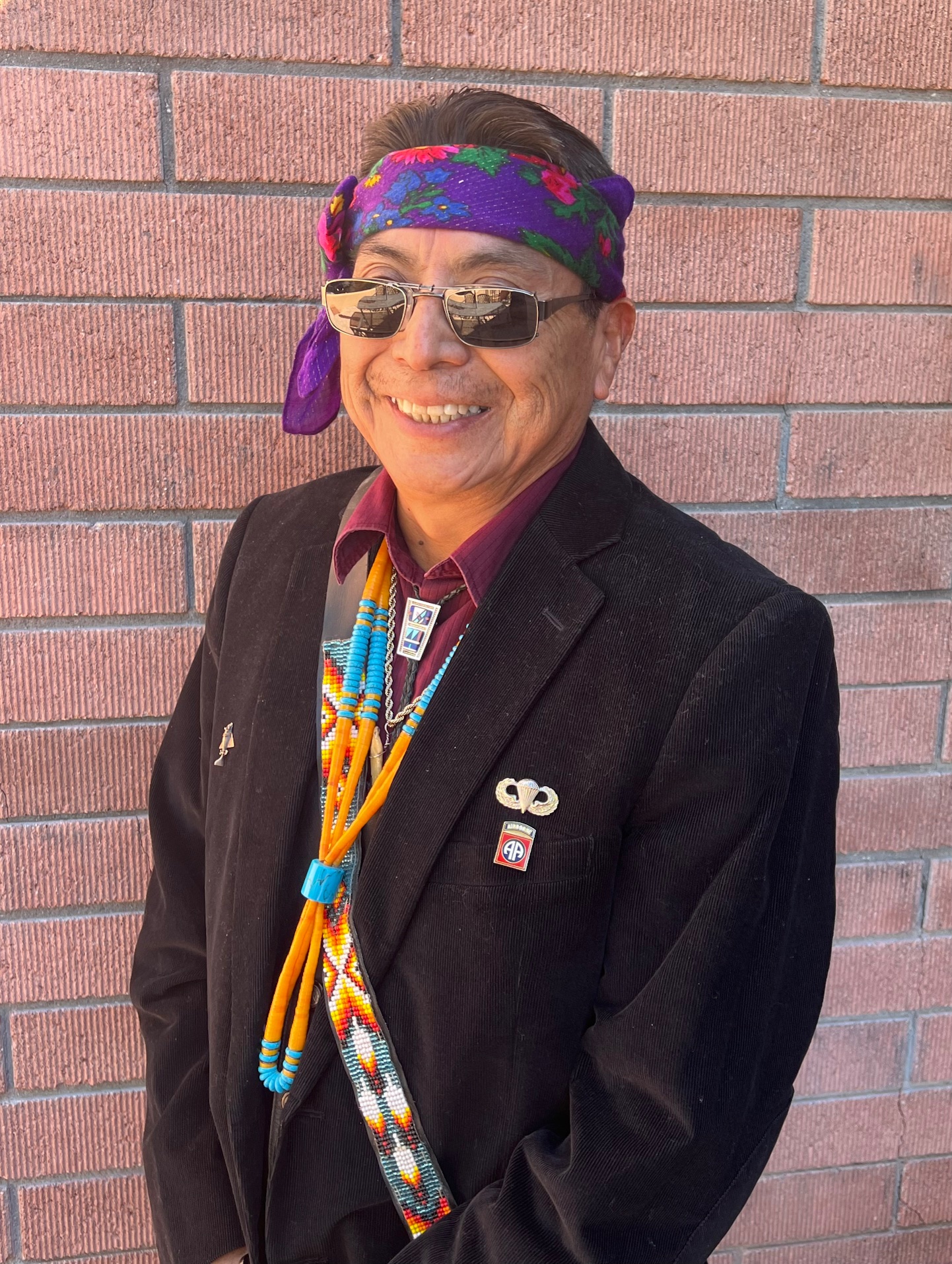
A key highlight of the celebration is an educational presentation at noon by Clive J. Hustito, an acclaimed master carver and sculptor from the Zuni Tribe. Known spiritually and artistically as the "Zuni Pathfinder of The Light," Hustito will deliver a lecture exploring the deep spiritual symbolism, history, and contemporary relevance of Zuni fetishes.
Main Facts: A Celebration of Indigenous Heritage in Camp Verde
The Verde Valley Archaeology Center and Museum’s Indigenous Peoples Day celebration serves as a vital platform for cultural exchange in central Arizona. Key elements of the event include:
- Date and Time: Saturday, October 10, from 10:00 a.m. to 4:00 p.m.
- Location: Verde Valley Archaeology Center and Museum, 460 W. Finnie Flat Road, Camp Verde, Arizona.
- Admission: Free for all attendees, granting access to both the outdoor Artist Market and the indoor museum galleries.
- The Artist Market: Over 30 Native American artisans representing various Southwestern tribes will display and sell their original creations. Featured mediums include fine art, textiles, ceramics, jewelry, katsinas, silverwork, and apparel.
- Culinary Offerings: Freshly prepared, homemade fry bread will be available for purchase, offering attendees a taste of a beloved Southwestern indigenous staple.
- Keynote Presentation: At 12:00 p.m. (noon), Zuni Master Carver Clive J. Hustito will present a lecture titled "Zuni Pathfinder of The Light," focusing on the artistry, philosophy, and cultural significance of Zuni fetishes.
- Post-Presentation Reception: Immediately following the keynote, the museum will host a complimentary reception featuring hors d’oeuvres and non-alcoholic beverages, allowing attendees to interact directly with the speaker and museum staff.
Chronology: Schedule of Events and Navigational Logistics
To assist visitors in planning their day, the event coordinators have established a structured timeline, which also accounts for concurrent local celebrations and traffic adjustments in the Town of Camp Verde.
+-----------------------------------------------------------------------+
|                         SATURDAY, OCTOBER 10                          |
+-----------------------------------------------------------------------+
| 10:00 AM | Event Kickoff: Artist Market & Museum Galleries Open       |
|          | Fort Verde Days Parade Begins (Temporary Road Closures)     |
+----------+------------------------------------------------------------+
| 12:00 PM | Keynote Lecture: Clive J. Hustito on Zuni Fetishes         |
|          | (Seating inside the museum; first-come, first-served)      |
+----------+------------------------------------------------------------+
|  1:00 PM | Complimentary Reception (Hors d'oeuvres & Beverages)       |
|          | Market and Museum Exploration Resumes                      |
+----------+------------------------------------------------------------+
|  4:00 PM | Event Concludes                                            |
+-----------------------------------------------------------------------+
10:00 a.m. — Morning Kickoff and Local Logistics
The gates to the Native American Artist Market and the museum doors open to the public. Concurrently, the Town of Camp Verde will begin its annual "Fort Verde Days" celebration, which includes a community parade starting at 10:00 a.m.
This parade will necessitate a temporary road closure along a section of Finnie Flat Road. To ensure uninterrupted access to the museum during this period, visitors are advised to utilize the alternative entrance through the Bashas’ shopping plaza, located adjacent to the Circle K on Finnie Flat Road. Standard traffic patterns are expected to resume shortly after the parade concludes.
12:00 p.m. — Keynote Presentation
Clive J. Hustito will begin his presentation inside the main gallery of the museum. Because seating is limited and offered on a first-come, first-served basis, attendees are encouraged to arrive early to secure their places.
1:00 p.m. — Community Reception
Following the conclusion of Hustito’s lecture and a brief audience Q&A session, the museum will host a complimentary social reception. This gathering offers a space for dialogue, where guests can enjoy light refreshments, discuss the presentation, and meet the artist.
4:00 p.m. — Event Conclusion
The Artist Market and museum activities will draw to a close. Visitors are encouraged to finalize any purchases from the local vendors before the market dismantles.
Supporting Data: The Artistry of Clive J. Hustito and the Tradition of Zuni Fetishes
To fully appreciate the cultural weight of the event, it is essential to examine the background of the featured presenter and the deep-seated traditions of the Zuni people.
The Legacy of Master Carver Clive J. Hustito
Clive J. Hustito’s journey into the world of stone carving began in his childhood. Raised in the Zuni Pueblo of New Mexico, Hustito started carving animal figures at just eight years old, learning from elders and refining his natural talents. Over the course of more than 30 years, Hustito has transitioned from a promising young craftsman to a recognized master carver and sculptor of the Zuni Tribe.
Hustito’s work is characterized by a deep respect for the natural materials he selects—including serpentine, turquoise, alabaster, marble, and shell—and a precise, expressive carving style. In addition to his world-renowned stone fetishes, Hustito is an accomplished multi-media artist. His presentations often display a broad range of arts and crafts that reflect both traditional Zuni techniques and contemporary aesthetic sensibilities.
Clive J. Hustito: Career Milestones
+---------------------------------------------------------+
| Age 8       | Begins carving animal figures in Zuni     |
+-------------+-------------------------------------------+
| 1990s–Pres. | Develops signature "Pathfinder" style     |
+-------------+-------------------------------------------+
| 30+ Years   | Active as a master sculptor & educator    |
+-------------+-------------------------------------------+
| Present     | Lectures nationally on Zuni iconography   |
+---------------------------------------------------------+
Understanding Zuni Fetishes and Southwestern Indigenous Carving
For the Zuni (A:shiwi) people, a fetish is far more than a decorative trinket or a souvenir. It is a sacred representation of an animal spirit, a protector, or a force of nature.
                       COMMON ZUNI FETISH SYMBOLS

         [North: Mountain Lion]       [Sky: Eagle]
                   ^                       ^
                   |                       |
   [West: Bear] <--+--> [East: Wolf]       +--> [Underground: Mole]
                   |                       |
                   v                       v
         [South: Badger]              [Heartline: Breath of Life]
These miniature sculptures are typically carved from indigenous stones, shells, fossilized wood, or other natural media. Key aspects of their cultural role include:
- Spiritual Intermediaries: In Zuni cosmology, fetishes act as vessels that hold the spirit of the animal they depict. They are believed to assist the owner in overcoming physical, emotional, and spiritual challenges.
- The Six Directions: Traditional Zuni belief systems associate specific guardian animals with the six sacred directions:
- North: The Mountain Lion (representing leadership and stealth).
- West: The Bear (representing strength, introspection, and healing).
- South: The Badger (representing perseverance and deep knowledge of the earth).
- East: The Wolf (representing loyalty and pathfinding).
- Sky/Zenith: The Eagle (representing divine connection and clear vision).
- Underground/Nadir: The Mole (representing grounding and agricultural protection).
- The Heartline: Many Zuni carvings feature an etched arrow running from the animal’s mouth back to its chest. This is known as the "heartline" or "breathline," representing the life force and the pathway of the spirit.
- Inter-Tribal Traditions: While the Zuni are particularly famous for their highly detailed and stylized fetish carvings, similar traditions exist among other Southwestern indigenous nations, including the Hopi, the Navajo (Diné), and various Rio Grande Pueblo communities, such as the Kewa Pueblo (formerly Santo Domingo). Each tribe possesses distinct stylistic variations and ceremonial interpretations of these carved guardians.
Official Responses: The Institutional Mission of the Verde Valley Archaeology Center
The Verde Valley Archaeology Center and Museum views events like the Indigenous Peoples Day celebration as fundamental to its core educational and ethical obligations.
Monica Buckle, the Executive Director of the VVAC, emphasized the importance of hosting living indigenous voices within an archaeological space:
"Alongside preserving and conserving archaeology, a core part of the museum’s mission is to educate, and part of that education is through cross-cultural connections. One of the best ways to learn is to meet people of various backgrounds and heritages in person and to speak with them. It’s also essential to buy directly from Native American artists, where you can see their crafts, speak with the artists and support them."
Buckle’s statement highlights a progressive shift in how modern archaeological institutions interact with indigenous populations. Historically, museums focused primarily on the excavation and display of ancient artifacts, often treating Native American cultures as relics of the past. Under Buckle’s leadership, the VVAC seeks to bridge the gap between ancient history and contemporary native communities, demonstrating that these cultures remain dynamic, resilient, and continuously evolving.
Furthermore, the museum’s advocacy for direct-to-artist commerce addresses a critical economic issue. The market for Native American art has long been plagued by counterfeit goods and mass-produced imitations that exploit traditional designs without benefiting the communities from which they originate. By hosting a vetted, direct-sales market, the VVAC ensures that 100% of the proceeds go directly to the indigenous creators, thereby supporting tribal economies and preserving the integrity of traditional arts.
Implications: Cultural Reconciliation, Economic Empowerment, and the Living Museum
The scheduling of the Indigenous Peoples Day celebration alongside Camp Verde’s historic "Fort Verde Days" presents a profound opportunity for community reflection, reconciliation, and education.
       HISTORICAL AND MODERN CONVERGENCE IN CAMP VERDE

   +---------------------------------+     +---------------------------------+
   |        FORT VERDE DAYS          |     |     INDIGENOUS PEOPLES DAY      |
   +---------------------------------+     +---------------------------------+
   | • Commemorates military history |     | • Honors indigenous survival    |
   | • Focuses on 19th-century fort  |     | • Celebrates living culture     |
   | • Highlights settler narrative  |     | • Highlights native sovereignty |
   +---------------------------------+     +---------------------------------+
                                                   /
                                                  /
                      v                           v
   +-------------------------------------------------------------------------+
   |                            SHARED SPACE                                 |
   | • Opportunities for cross-cultural dialogue and historical truth-telling|
   | • Economic support for contemporary Native American artisans            |
   | • Evolution of modern museum curation toward living partnership         |
   +-------------------------------------------------------------------------+
The Intersection of Fort Verde Days and Indigenous Peoples Day
Fort Verde, established in the late 19th century, served as a primary base for the U.S. Army during the Yavapai-Apache Indian Wars. The fort played a central role in the forced relocation and confinement of the local Yavapai and Apache peoples. Today, Fort Verde Days is celebrated by the town as a historical commemoration of the military outpost and early pioneer life.
By hosting the Indigenous Peoples Day celebration on the exact same weekend, the Verde Valley Archaeology Center creates a necessary counter-narrative. Rather than ignoring the painful history of colonization and military conflict, the simultaneous events allow residents and visitors to engage with the full, complex tapestry of the region’s past. It honors the survival, resilience, and modern contributions of the descendants of those who originally inhabited the Verde Valley long before the arrival of the military fort.
Economic and Cultural Empowerment
For many Native American families, the production of traditional arts and crafts is not merely a hobby, but a primary source of income and a vital method of cultural preservation. Events like the VVAC market:
- Combat Cultural Appropriation: By educating the public on the spiritual meaning behind items like Zuni fetishes, buyers learn to view these objects as sacred art forms rather than novelty items.
- Ensure Fair Compensation: Direct purchasing eliminates predatory middlemen, ensuring that artists receive the true value of their labor.
- Preserve Intergenerational Knowledge: When master carvers like Clive J. Hustito are given platforms to speak, it inspires younger generations within indigenous communities to maintain their artistic traditions, knowing there is a respectful and economically viable market for their work.
The Evolution of the "Living Museum"
The Verde Valley Archaeology Center’s approach reflects a broader global movement toward the "decolonization" of museums. By transforming the museum from a static repository of ancient bones and pottery into an active community hub for living artists, the VVAC redefines the role of the archaeologist.
Through direct dialogue, shared meals (such as the complimentary reception), and collaborative events, the museum fosters a collaborative relationship with tribal nations. This ensures that the stories of the past are told in partnership with the people who carry those traditions forward into the future.
For more information about the Indigenous Peoples Day celebration, the Native American Artist Market, or upcoming exhibits, please visit the official website of the Verde Valley Archaeology Center and Museum at verdevalleyarchaeology.org.
