In the modern landscape of sedentary lifestyles, remote work, and prolonged sitting, chronic muscle tightness has become a universal human complaint. While neck strain, tight hamstrings, and lower back aches frequently steal the spotlight, a major culprit behind musculoskeletal discomfort often hides in plain sight: the glutes.
Certified yoga instructor Taylor Lorenz—known online as Taylor’s Tracks, with more than 800 hours of specialized training in vinyasa, hatha, and yin yoga—is leading an initiative to bring direct awareness to this frequently neglected muscle group. Through a carefully structured, 10-minute yin yoga sequence, Lorenz guides practitioners through deep, targeted shapes designed to release deep-seated tension in the glutes, hips, and lower back.
Main Facts: The Anatomy of Gluteal Tension and Yin Yoga
The gluteal region—comprising the gluteus maximus, medius, and minimus—is one of the most powerful muscle groups in the human body. Responsible for hip stabilization, walking, running, and maintaining upright posture, these muscles are constantly engaged. However, sitting for hours at a desk forces the glutes into a perpetually lengthened and inactive state, leading to a phenomenon often described as "gluteal amnesia" or chronic tightness.
In standard dynamic yoga practices, the glutes often receive only peripheral stretches. Poses may brush past them, but they rarely target the deep muscle fibers directly. Lorenz’s targeted yin yoga approach changes this dynamic.
Targeted Release: By focusing directly on the glutes, practitioners can unfreeze related tightness radiating into the hips and lower back.
Postural Realignment: Once the body stops compensating for rigid glutes, many individuals report an immediate ability to stand taller and move with improved alignment.
The Yin Methodology: Yin yoga relies on extended holds (typically one to three minutes per shape) combined with passive stretching. This approach targets the connective tissues (fascia, ligaments, and tendons) rather than just the muscle belly, allowing for a profound release.
Chronology of the Flow: A Step-by-Step 10-Minute Sequence
Lorenz emphasizes that yin yoga requires patience, mindfulness, and proper support. Practitioners are advised to keep yoga blocks, cushions, or household pillows nearby to maintain comfort. While mild discomfort or a dull stretching sensation is expected, sharp pain or intense strain indicates a need to back off.
Below is the chronological breakdown of the 10-minute yin yoga sequence designed to restore freedom of movement to the glutes.
Phase 1: Grounding and Warm-Up
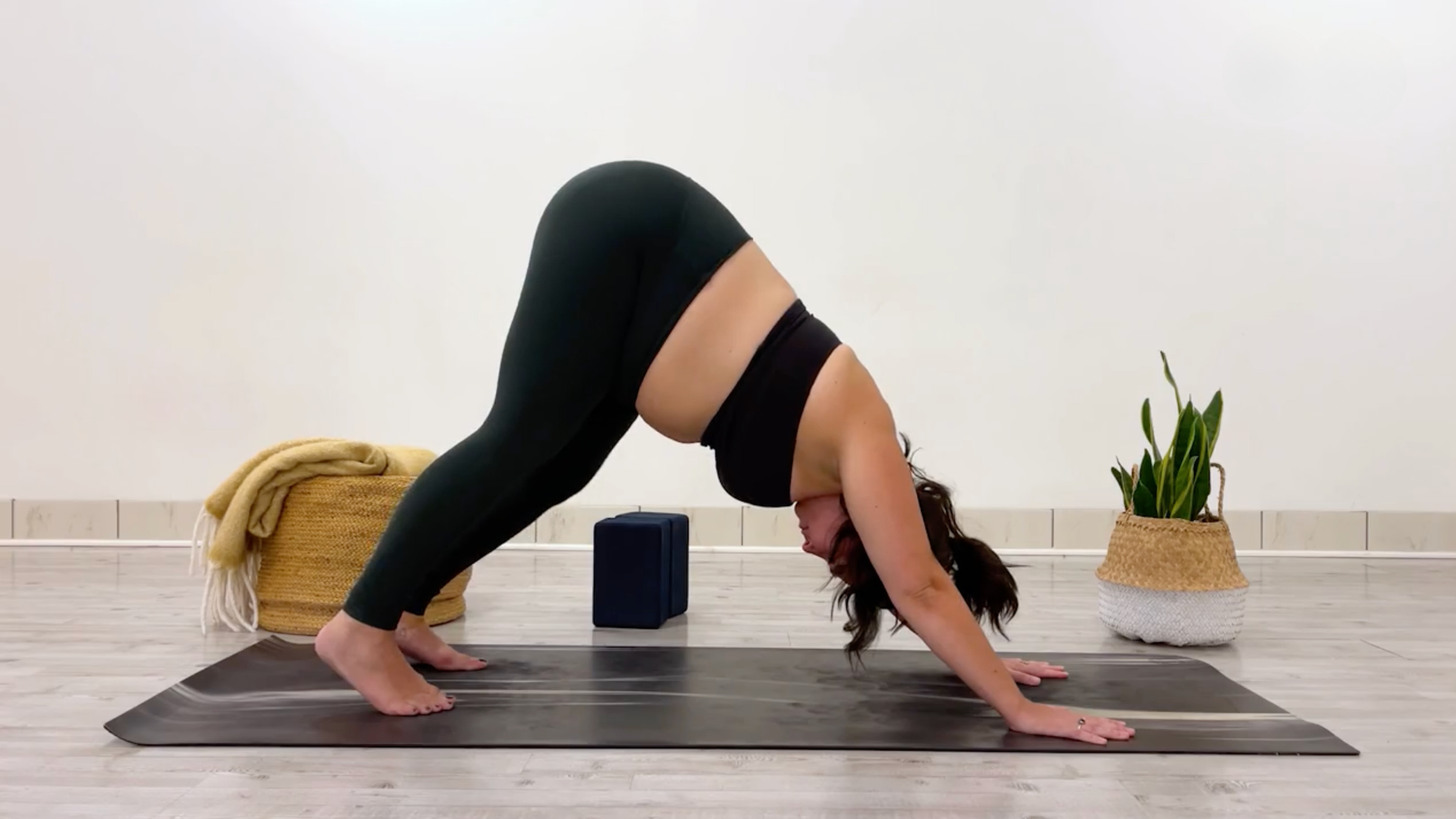
1. Tabletop or Downward-Facing Dog (Adho Mukha Svanasana)
The Setup: Begin on your hands and knees in a neutral Tabletop position, ensuring your wrists are stacked beneath your shoulders and your knees are positioned under your hips.
The Action: Remain in Tabletop to gently awaken the spine, or curl your toes under, engage your core, and press your hips up and back into Downward-Facing Dog. Allow your head to hang heavy between your biceps while gently pedaling out your heels to warm up the calves and hamstrings.
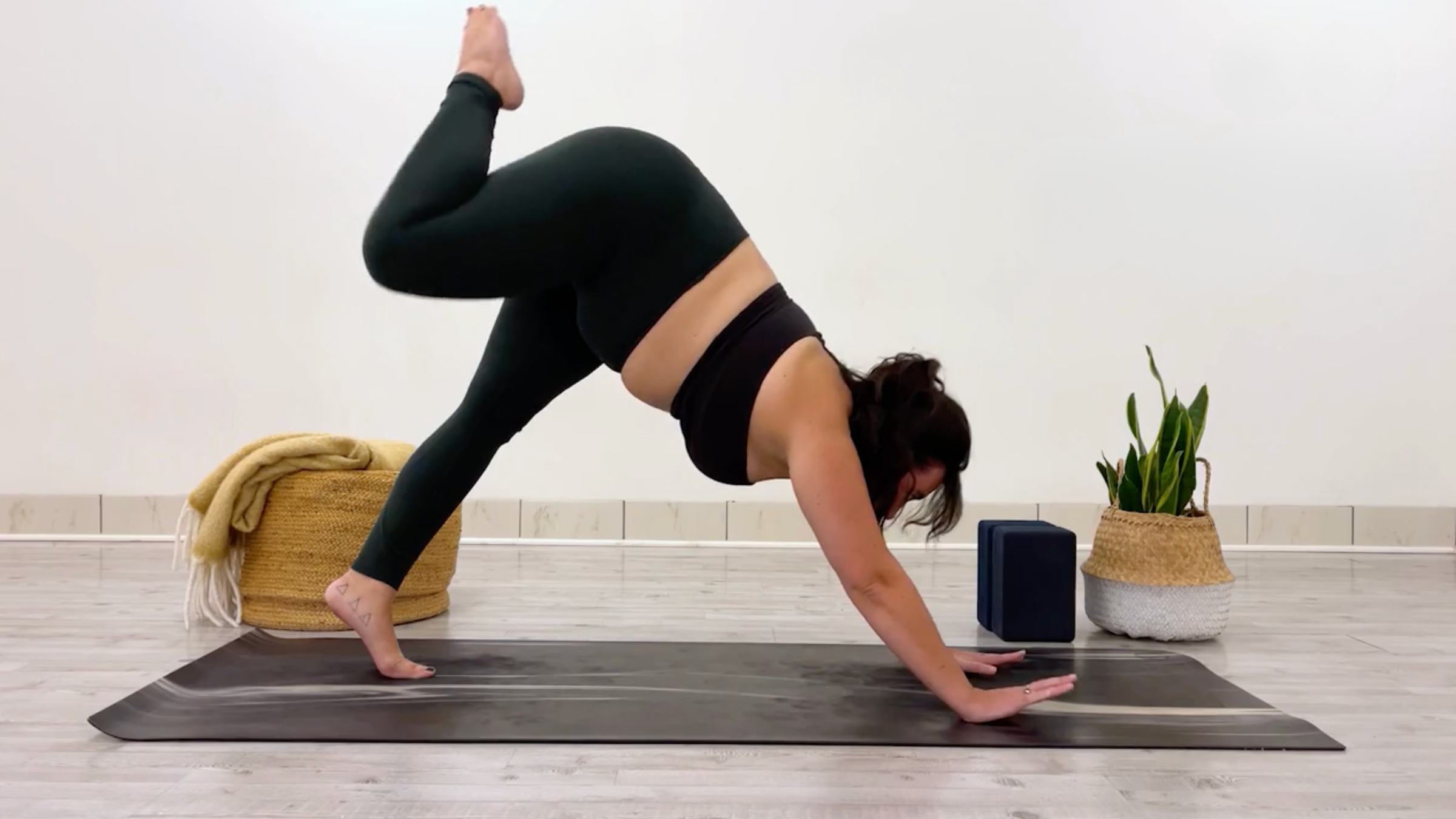
2. Three-Legged Dog
The Action: From Downward-Facing Dog, sweep your right leg up and back toward the ceiling, keeping your hips relatively squared to the mat. Bend your right knee to open up the hip joint, beginning to pre-stretch the right gluteal complex before transitioning to deep floor work.
Phase 2: Deep Hip and Glute Openers
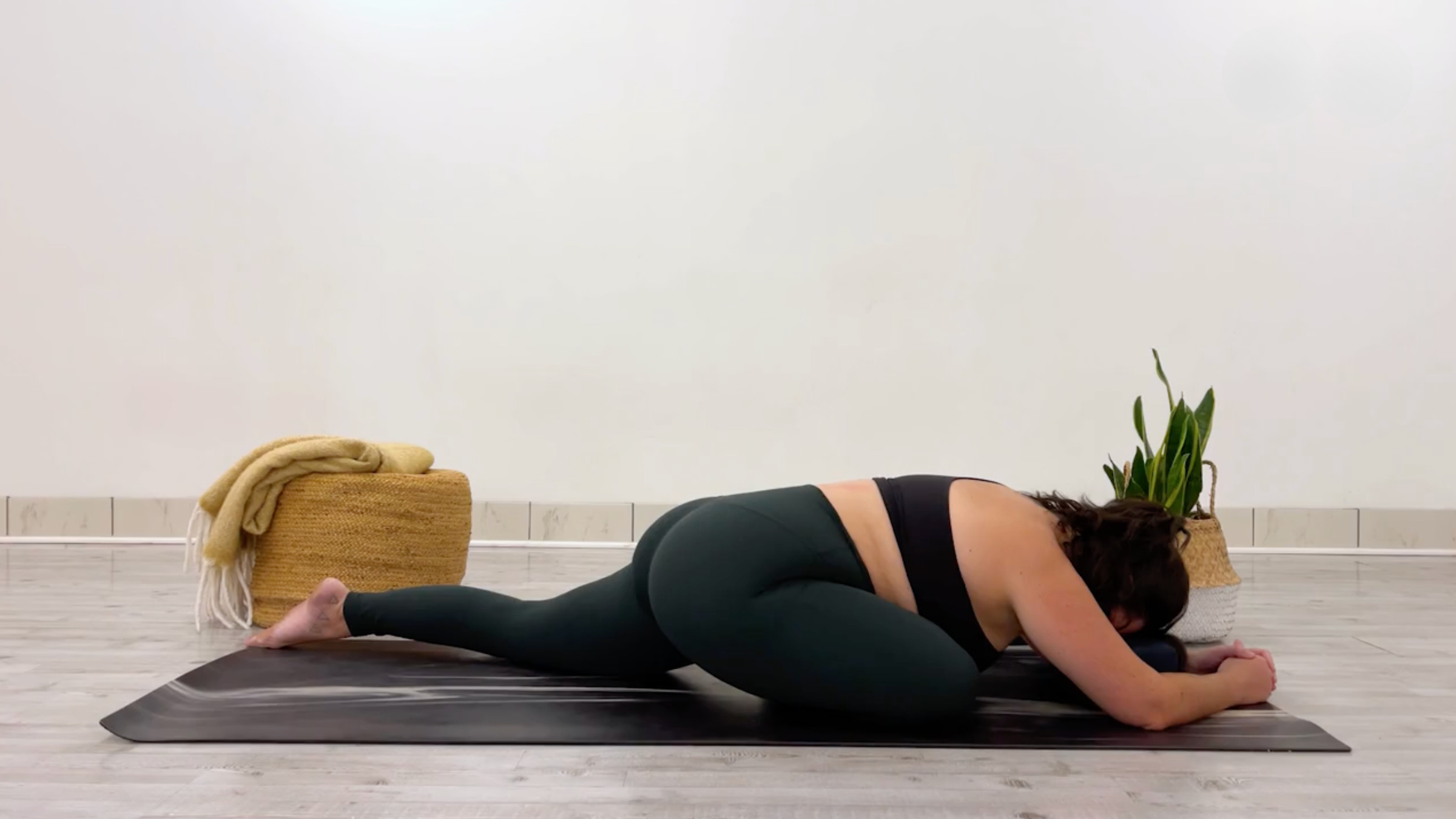
3. Swan Pose (and Sleeping Swan)
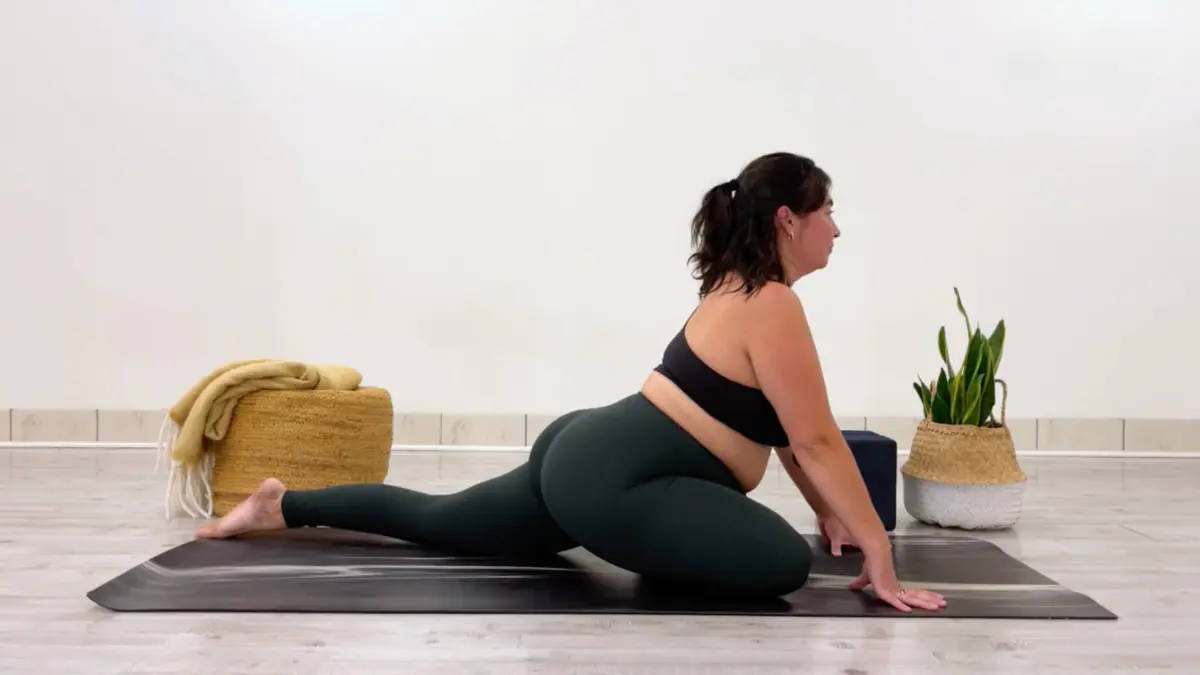
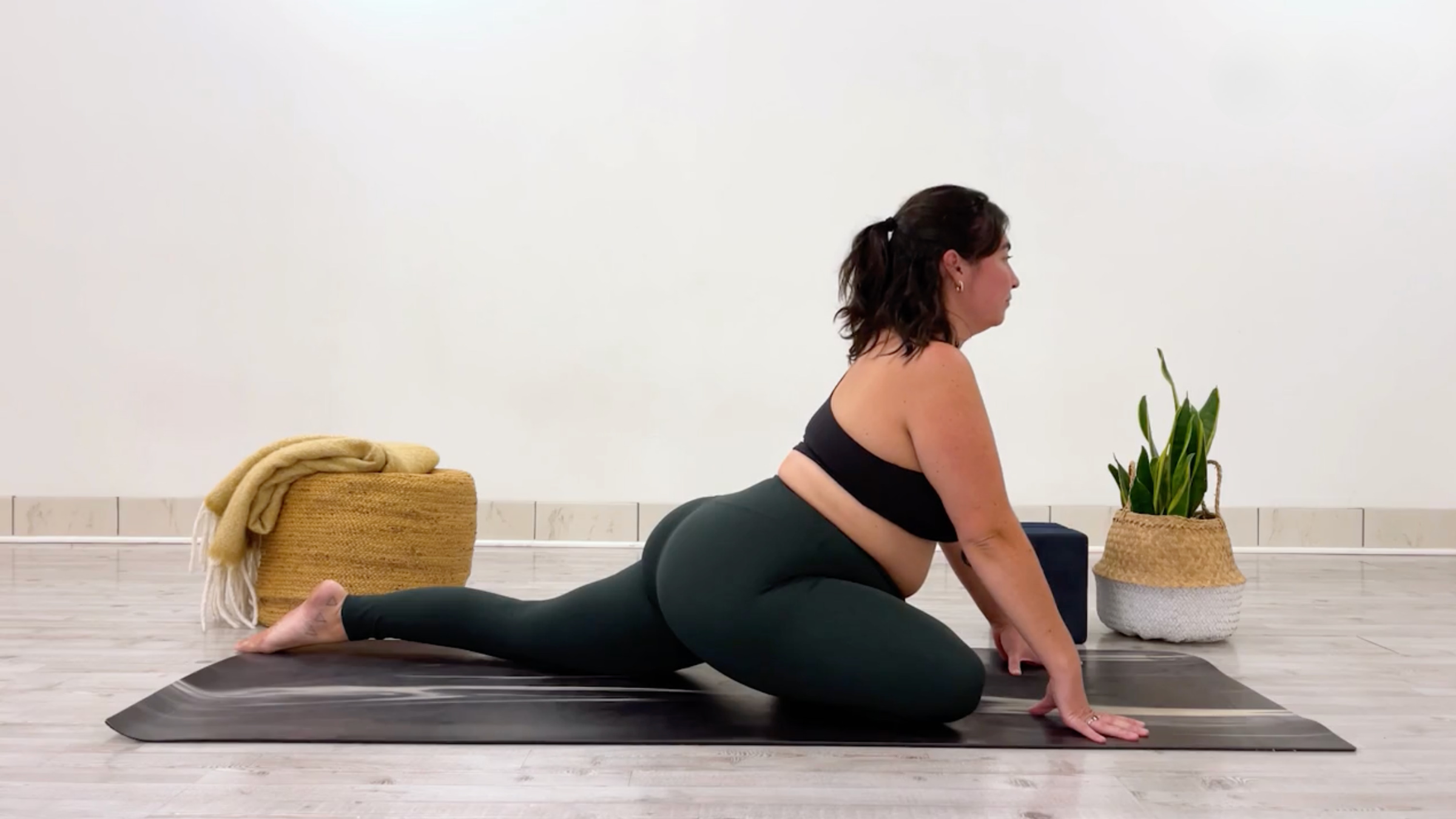
The Setup: Guide your right knee forward to land softly behind your right wrist. Allow your right shin to rest on the mat, angled away from the top edge of your mat depending on your flexibility. Walk your left leg long and straight behind you, squaring your hips toward the front.
The Action: Come onto tented fingertips, lifting proudly through your heart center to feel a mild opening across the front of the left hip and the right glute. If you desire a deeper release, gently walk your hands forward and bow your upper body down into Sleeping Swan, resting your forehead on the mat, your hands, or a yoga block.
The Hold: Remain in this shape for 1 to 3 minutes, breathing deeply into areas of resistance. Slowly peel your upper body back away from the ground when you are ready to transition.
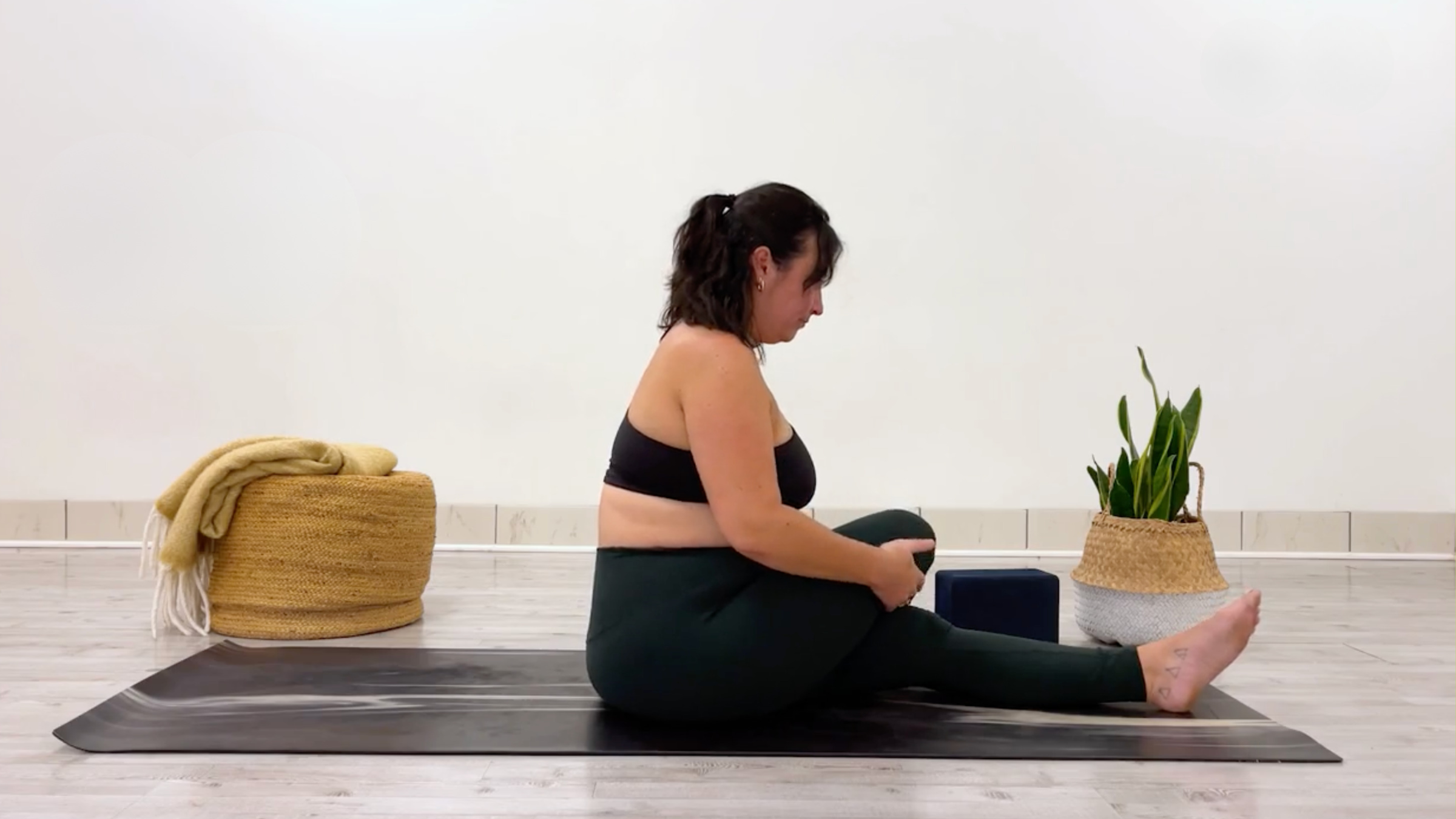
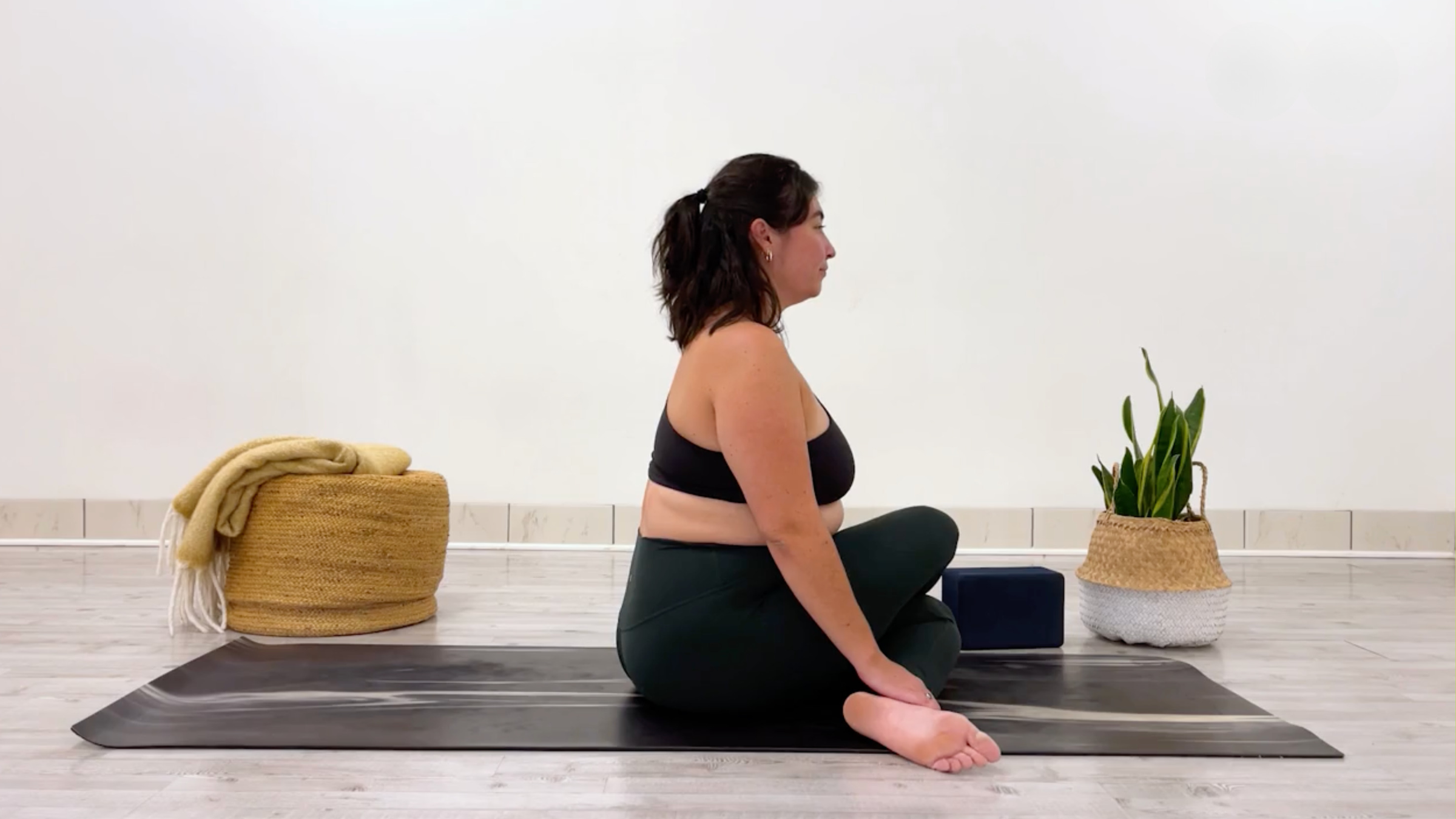
4. Half Shoelace and Shoelace Pose
The Setup: Shift your weight fully onto your right sit bone. Swing your left leg from behind you, bringing it straight out in front of you. Bend your right knee and cross it over your left knee, stacking or aligning them in Half Shoelace.
The Progression: For a deeper intensity, bend your bottom (left) knee as well, bringing both heels an equal distance away from your hips. Work to settle both sit bones evenly onto the mat.
The Intensifier: Stay upright for a gentle stretch, or fold forward over your bent legs to dramatically increase the sensation in the outer glutes and hips.
The Hold: Hold the chosen variation for 1 to 3 minutes. Afterward, slowly unwind, press back up into Downward-Facing Dog, take a breath to reset, and repeat the entire sequence (Swan through Shoelace) on the left side.
Phase 3: Integration and Closing
5. Child’s Pose (Balasana)
The Action: From your final downward dog or transition, gently lower your knees to the mat. Take your knees out wide to the edges of your mat while bringing your big toes together to touch. Melt your sit bones back toward your heels, reach your arms long forward, and rest your forehead on the mat or a block.
The Hold: Linger here for 1 to 3 minutes, letting gravity decompress your lower back and soothe your nervous system.
6. Closing Integration
The Action: Use your hands to slowly walk your torso upright, coming to sit back comfortably on your heels. Bring your hands together to meet at your heart center (Anjali Mudra), and gently bow your head so your third eye meets your fingertips. Take a moment to thank yourself for showing up on your mat and investing in your physical well-being.
Supporting Data: The Physical Toll of Modern Sitting
To understand the necessity of targeted routines like Lorenz’s 10-minute flow, one must examine modern ergonomic data. According to occupational health studies, the average desk worker spends upward of 9 to 10 hours a day seated.
Fascial Restrictions: Prolonged sitting causes the thoracolumbar fascia and the gluteal connective tissues to dehydrate and adhere to surrounding structures. Without movement, these tissues lose their elasticity.
Compensatory Pain: When glutes become weak and tight, secondary muscles—such as the hamstrings, lower back extensors (erector spinae), and hip flexors—are forced to overcompensate. Clinical observations reveal that up to 60% of chronic lower back pain cases trace back to muscular imbalances originating in the hips and glutes.
The Yin Advantage: Research into restorative and yin styles of yoga indicates that holding static shapes for 120 seconds or longer initiates a stress-relaxation response in collagen fibers, permanently improving range of motion and joint lubrication over time.
Official Responses and Expert Perspectives
Physical therapists, fitness experts, and yoga instructors have increasingly emphasized the importance of targeted mobility work for desk-bound professionals.
"People often treat yoga as a full-body workout where every muscle gets brushed, but tight areas like the glutes require sustained, intentional pressure to release," notes a prominent physical therapist specializing in spine and hip biomechanics. "When you hold a shape like Sleeping Swan for three minutes, you are communicating directly with the nervous system, signaling that it is safe to let go of deep-seated muscular guarding."
Industry professionals have praised creators like Taylor Lorenz for making mobility accessible. By packaging these somatic releases into concise, 10-minute routines, practitioners do not need an hour-long studio class to experience relief; they can integrate corrective movement directly into a busy workday.
Implications: Long-Term Benefits for Posture and Mobility
The implications of adopting a regular, short-form yin yoga practice for the glutes extend far beyond a single stretching session. By systematically addressing gluteal tension, practitioners can expect several cumulative benefits:
Enhanced Athletic Performance: Runners, weightlifters, and cyclists rely heavily on glute activation. Releasing tightness improves the firing rate and efficiency of these muscles, leading to better power output and reduced injury rates.
Postural Alignment: As the pelvis stops being pulled out of alignment by tight glutes and hip flexors, the spine stacks naturally. This reduces strain on the cervical and lumbar vertebrae, helping individuals stand straighter with minimal conscious effort.
Nervous System Regulation: Yin yoga is inherently meditative. The combination of deep stretches, extended breathwork, and stillness activates the parasympathetic nervous system (the "rest and digest" state), lowering cortisol levels and mitigating physical manifestations of stress.
Incorporating Taylor Lorenz’s 10-minute glute-focused yin flow into a weekly routine offers a practical, science-backed antidote to the physical burdens of modern life—proving that sometimes, the key to standing tall is taking a moment to sit down on the mat and let go.