

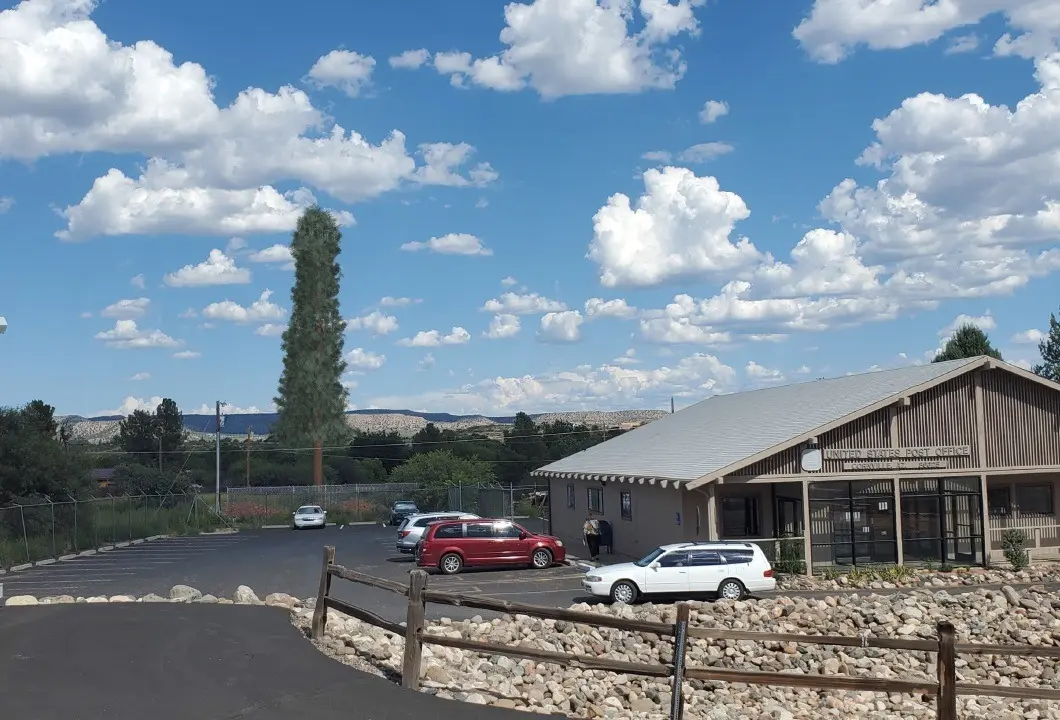
CORNVILLE, Ariz. — The Federal Communications Commission (FCC) has cleared a major regulatory hurdle for the construction of a controversial 100-foot telecommunications tower in the unincorporated community of Cornville, Arizona. In a decision issued on August 21, 2026, the FCC’s Wireless Telecommunications Bureau denied and dismissed a series of formal challenges brought by local residents, environmental advocates, and a regional wildlife sanctuary. The ruling effectively concludes that the proposed project does not warrant a comprehensive federal Environmental Assessment (EA), allowing developers to move forward with construction.
The decision represents a significant setback for a coalition of local opponents, led by resident Gillian Goslinga, Ph.D., and Billy Harvey, the founder of the local Runnin’ W Wildlife Center. The opponents had sought to halt the project, raising a broad array of objections that spanned ecological preservation, migratory bird protection, potential radiofrequency radiation hazards, and the preservation of indigenous cultural sites.
Despite these objections, the FCC’s Competition and Infrastructure Policy Division determined that the administrative record did not support the demand for an extraordinary environmental review. However, the battle is far from over. On September 21, 2026, opponents mobilized under a newly formed ad hoc advocacy group, the "Stewards of Oak Creek," filing a formal petition for reconsideration with the federal agency.
Project Profile and Technical Specifications
The proposed telecommunications infrastructure project, initially drafted in 2022, is spearheaded by SQF LLC, with project applications and regulatory filings managed by Portland, Maine-based network deployment firm Tilson Technology Management.
The structure is designed as a "monoelm"—a type of "stealth" wireless facility engineered to mimic the appearance of a mature elm tree. The design choice is intended to mitigate the visual impact of the infrastructure on the scenic landscape of the Verde Valley, a region known for its dramatic red rock formations, riparian corridors, and rural charm.
+-----------------------------------------------------------------------------+
|                          PROJECT SPECIFICATIONS                             |
+-----------------------------------------------------------------------------+
| Proposed Structure:  100-Foot "Monoelm" (Stealth Tree Monopole)             |
| Project Site:        9420 Cornville Road, Cornville, AZ                     |
| Zoning Designation:  C2-1 (Commercial; General Commercial)                  |
| Current Site Use:    Gas Station and Strip Mall Shopping Plaza              |
| Lead Applicant:      SQF LLC                                                |
| Project Agent:       Tilson Technology Management                           |
| Primary Function:    Expanded 4G/5G Wireless Coverage & Capacity            |
+-----------------------------------------------------------------------------+
The tower is slated for construction on a commercially zoned parcel located at 9420 Cornville Road. The property is currently utilized as a commercial strip mall and gas station. According to the developers, the location was selected to address critical wireless coverage and capacity gaps along the heavily trafficked Cornville Road corridor, which serves as a vital arterial route connecting Interstate 17 with the communities of Cottonwood, Sedona, and the wider Verde Valley.
Chronology of the Dispute (2022–2026)
The regulatory path for the Cornville Road cell tower has been marked by years of bureaucratic maneuvering, local zoning battles, and federal interventions.
   [2022]  SQF LLC & Tilson Technology file initial development applications.
     │
     ▼
   [2023]  Yavapai County Planning & Design Review approves zoning & aesthetics.
     │
     ▼
[2024-2025] Regulatory pause; Tilson twice cited and complies with stop-work
     │      orders after premature site grading.
     ▼
[2025-2026] FCC conducts Section 106 tribal outreach; contacts Hopi Tribe
     │      three times without receiving a response.
     ▼
[Aug 21, 2026] FCC issues final order denying Environmental Assessment requests.
     │
     ▼
[Sep 21, 2026] "Stewards of Oak Creek" files formal Petition for Reconsideration.- 2022: SQF LLC and Tilson Technology Management submit their initial design and zoning applications to Yavapai County and initiate the federal environmental review process required under the National Environmental Policy Act (NEPA) and the National Historic Preservation Act (NHPA).
- 2023: Yavapai County zoning officials review the land-use compatibility of the tower. Following public hearings, county officials approve the site plan, concluding that the commercial zoning of the parcel (C2-1) is appropriate for utility infrastructure and that the "monoelm" design satisfies local aesthetic guidelines.
- 2024–2025: Local opposition solidifies. Dr. Gillian Goslinga, Billy Harvey, and other community members file formal complaints with the FCC. During this period, federal regulators issue two separate stop-work orders to Tilson Technology Management after inspectors discover that grading and preliminary site preparation had commenced prior to final federal clearance. Tilson complies with both orders, halting work immediately.
- 2025–2026: The FCC conducts tribal consultation under Section 106 of the NHPA. Between late 2025 and early 2026, the commission reaches out to the Hopi Tribe three times to solicit input regarding potential impacts on ancestral cultural resources. No response is received.
- August 21, 2026: The FCC’s Wireless Telecommunications Bureau issues its final decision, dismissing all environmental challenges and ruling that a full Environmental Assessment is not required.
- September 21, 2026: The "Stewards of Oak Creek" coalition files a petition for reconsideration, attempting to reopen the administrative record.
Key Arguments and Supporting Data
The opposition to the cell tower is anchored by a diverse set of concerns ranging from wildlife biology to cultural preservation.
Ecological Concerns and the Runnin’ W Wildlife Center
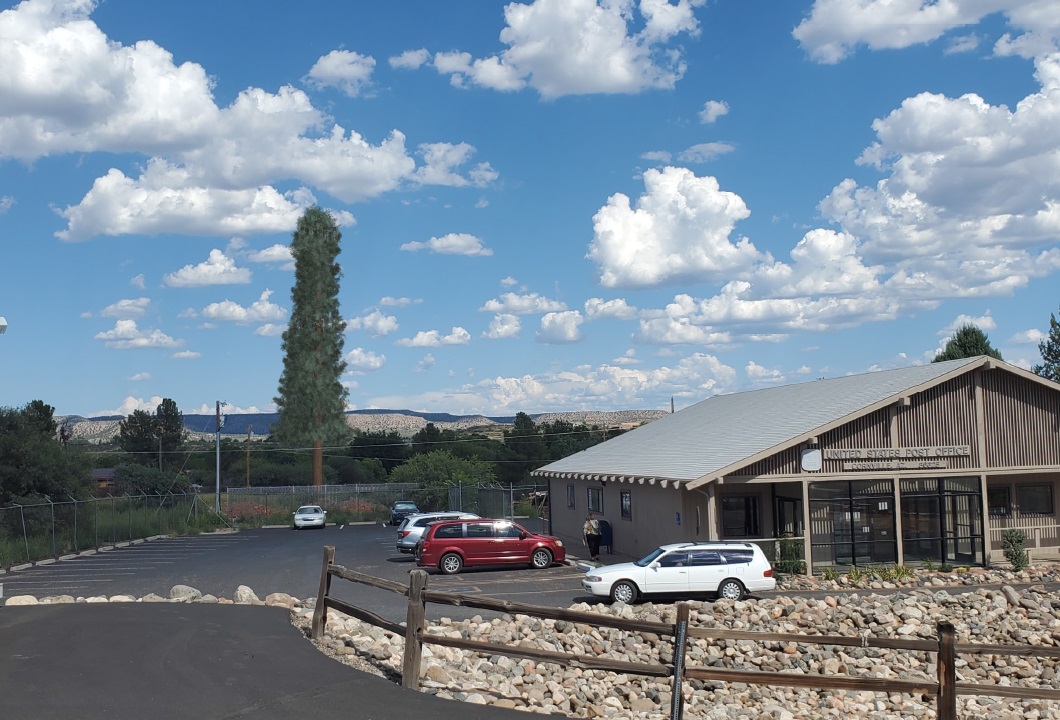
A central figure in the opposition is Billy Harvey, founder of the Runnin’ W Wildlife Center. Located in close proximity to the proposed tower site, the sanctuary rehabilitates injured and orphaned native wildlife, including birds of prey, migratory songbirds, and local mammals.
Harvey and other petitioners argued that the construction of a 100-foot metallic structure, combined with the continuous emission of radiofrequency (RF) electromagnetic fields, could disrupt local wildlife. Specifically, they raised concerns regarding:
- Avian Collisions: The risk of migratory birds colliding with the tower, particularly during nocturnal migrations along the Oak Creek riparian corridor.
- Electromagnetic Interference: Claims that RF emissions could interfere with the navigational systems of migratory birds and bees.
- Habitat Disruption: The impact of construction noise and ongoing maintenance activities on animals undergoing rehabilitation at the nearby sanctuary.
In its review, the FCC evaluated these claims against established scientific literature and federal guidelines. The agency noted that the tower’s height (100 feet) falls well below the 200-foot threshold at which the FCC and the U.S. Fish and Wildlife Service (USFWS) typically require avian warning lights or specialized migratory bird studies. Consequently, the FCC ruled that the petitioners failed to provide scientifically validated evidence showing that this specific low-profile tower would cause significant, irreparable harm to local wildlife populations.
Cultural Heritage and Tribal Consultation
The Verde Valley has a deep indigenous history, most notably associated with the Sinagua culture, a pre-Columbian civilization that inhabited the region from approximately 500 CE until their sudden departure around 1450 CE. Modern Puebloan tribes, including the Hopi Tribe and the Zuni, claim direct ancestral and spiritual connections to the Sinagua and the archaeological sites they left behind.
       SINAGUA CULTURE IN THE VERDE VALLEY (500 CE – 1450 CE)
                                 │
                                 ▼
              [Ancestral & Spiritual Connections Claimed By]
            ┌────────────────────┴────────────────────┐
            ▼                                         ▼
       Hopi Tribe                                Zuni Tribe
            │
            ├─► Reached out to 3 times by FCC (2025-2026)
            └─► No administrative response recorded
Because of this heritage, cell tower construction requires a rigorous Section 106 review under the National Historic Preservation Act to ensure that historic properties or sacred sites are not disturbed. The petitioners argued that the tower could desecrate unrecognized cultural sites or visually degrade the historic landscape.
However, the FCC’s administrative record revealed that the agency made three separate attempts between 2025 and 2026 to engage the Hopi Tribe in consultation regarding the 9420 Cornville Road site. Because the tribe did not respond to these inquiries, and because no registered archaeological sites were identified within the direct footprint of the commercially developed gas station lot, the FCC concluded that the project met its NHPA compliance obligations.
Aesthetic, Economic, and Safety Claims
Opponents also presented a variety of localized objections, which the FCC categorized as outside its federal environmental jurisdiction:
- Property Values: Residents argued that a 100-foot tower would depress residential real estate values in the surrounding neighborhood.
- Aesthetics: Petitioners claimed the "monoelm" would look artificial and visually pollute the scenic valley.
- Safety Hazards: Concerns were raised regarding "fall zones" (the physical area where debris could land if the tower collapsed) and potential fire risks associated with electrical equipment in an arid, fire-prone environment.
Official Regulatory Findings
In its August 21 decision, the FCC systematically dismantled the legal basis of the petitions, clarifying the boundaries between federal environmental oversight and local municipal zoning authority.
+-----------------------------------------------------------------------------+
|                          FCC REGULATORY FINDINGS                            |
+-----------------------------------------------------------------------------+
| ISSUE                  | REGULATORY DETERMINATION                           |
+------------------------+----------------------------------------------------+
| Visual/Aesthetics      | Rejected. Visual impact alone does not trigger a   |
|                        | federal EA, particularly after local zoning        |
|                        | approval.                                          |
+------------------------+----------------------------------------------------+
| RF Radiation Safety    | Dismissed. The proposed tower complies with FCC    |
|                        | human exposure limits; federal law preempts local  |
|                        | environmental challenges on RF grounds.            |
+------------------------+----------------------------------------------------+
| Property Values, Fire  | Dismissed as outside the scope of federal NEPA     |
| Risk & Fall Zones      | law. These issues fall under local municipal       |
|                        | zoning and public safety authority.                |
+------------------------+----------------------------------------------------+
| Applicant Bad Faith    | Rejected. While Tilson twice received stop-work    |
|                        | orders for premature grading, their immediate      |
|                        | compliance demonstrated regulatory cooperation.     |
+-----------------------------------------------------------------------------+
The FCC emphasized that under the National Environmental Policy Act (NEPA), an Environmental Assessment is only triggered when a proposed action has the potential to significantly affect the quality of the human environment. Aesthetic objections, the commission noted, do not meet this high threshold, especially since Yavapai County’s local zoning authorities had already evaluated the tower’s appearance and approved its design.
Furthermore, the FCC reaffirmed that under Section 332 of the Communications Act of 1934, state and local governments—as well as federal environmental reviews—cannot regulate the placement of wireless facilities based on the environmental effects of radiofrequency emissions, provided that those facilities comply with the FCC’s established safety standards. Because the SQF LLC tower met these federal safety guidelines, all arguments regarding health and radiation were legally barred from consideration.
Regarding the allegations of "bad faith" stemming from Tilson’s premature site grading, the FCC acknowledged the infractions but determined they did not warrant a denial of the project. The agency noted that Tilson had immediately complied with the stop-work orders and brought the site back into compliance, indicating a lack of systemic disregard for federal rules.
Local Implications and the Path Forward
With the federal review concluded, the immediate path is cleared for SQF LLC and Tilson Technology to begin physical construction of the "monoelm." For the business owners and residents of Cornville who experience dropped calls and slow data speeds, the tower represents a long-overdue upgrade to local communications infrastructure, crucial for both daily commerce and emergency response coordination.
However, the newly formed "Stewards of Oak Creek" represents a organized local effort to continue the legal fight. The coalition includes a diverse roster of local stakeholders:
- Gillian Goslinga, Ph.D., and Billy Harvey (lead petitioners)
- Local residents Lila Wright, Bonnie Hubbell, Sharon Fried, Tracey Campbell, Corey Colvin, and Jennifer Richards
- A Cornville-based essential oils business, representing local commercial opposition.
The group’s petition for reconsideration, filed on September 21, 2026, asks the FCC to review its decision, arguing that the agency overlooked critical local ecological data and failed to fully account for the community’s unique geographic and environmental context.
While petitions for reconsideration are rarely granted by the FCC unless substantial new evidence is presented, the filing serves as a necessary administrative step should the "Stewards of Oak Creek" decide to escalate the dispute to the federal court system. For now, the silent "monoelm" of Cornville remains on paper, but the federal green light means the ground at 9420 Cornville Road may soon begin to turn.
