

Published: October 7, 2026
Author: Taylor Lorenz (Taylor’s Tracks)
Main Facts: The Anatomy of Hidden Tension
In the modern landscape of sedentary lifestyles, prolonged desk jobs, and repetitive daily movements, few muscle groups are as chronically neglected and overworked as the glutes. Comprising the gluteus maximus, medius, and minimus, this muscular complex is fundamental to nearly every lower-body movement, from standing up and walking to running and lifting. Yet, despite their power and size, the glutes are notorious for holding onto deep-seated tension.
While many traditional yoga practices offer peripheral stretches that brush against the gluteal region, they rarely target the fibers deeply enough to elicit a true physiological release. According to certified yoga instructor Taylor Lorenz—who brings over 800 hours of specialized training in vinyasa, hatha, and yin yoga—bringing direct, intentional focus to the glute muscles can unlock a cascade of relief.
When the glutes are tight, the body invariably compensates. This muscular restriction often pulls on the pelvis, creating secondary tightness in the hips and lower back. By dedicating a practice specifically to releasing the gluteal complex, practitioners often find that their postural alignment shifts organically. Freed from the compensatory tension of tight glutes, the body is able to stand taller, move with greater efficiency, and alleviate chronic low-level discomfort in the lumbar spine.
To address this issue, Lorenz has designed a specialized 10-minute Yin yoga flow. Unlike dynamic, Yang-style practices that focus on muscular contraction and rapid movement, Yin yoga emphasizes passive, long-hold postures that target the connective tissues, fascia, and deep joints. This structured sequence allows practitioners to safely access hard-to-reach areas of tension and cultivate a profound sense of physical and mental release.
Chronology of the Practice: A Step-by-Step 10-Minute Yin Flow
Yin yoga relies on sustained holds—typically ranging from one to three minutes per shape—allowing the nervous system to settle and the connective tissues to slowly yield. Because these deep postures can invoke significant sensation, practitioners are advised to keep props nearby, such as yoga blocks, cushions, or standard bed pillows. While mild discomfort or deep sensation is expected in Yin yoga, sharp pain, strain, or intense muscular tension is a signal to back off or modify the pose.
The following sequence can be practiced as a continuous flow or integrated into a broader recovery routine.
Phase 1: Grounding and Mobilization
- Duration: 1–2 minutes
- Poses: Tabletop or Downward-Facing Dog (Adho Mukha Svanasana)
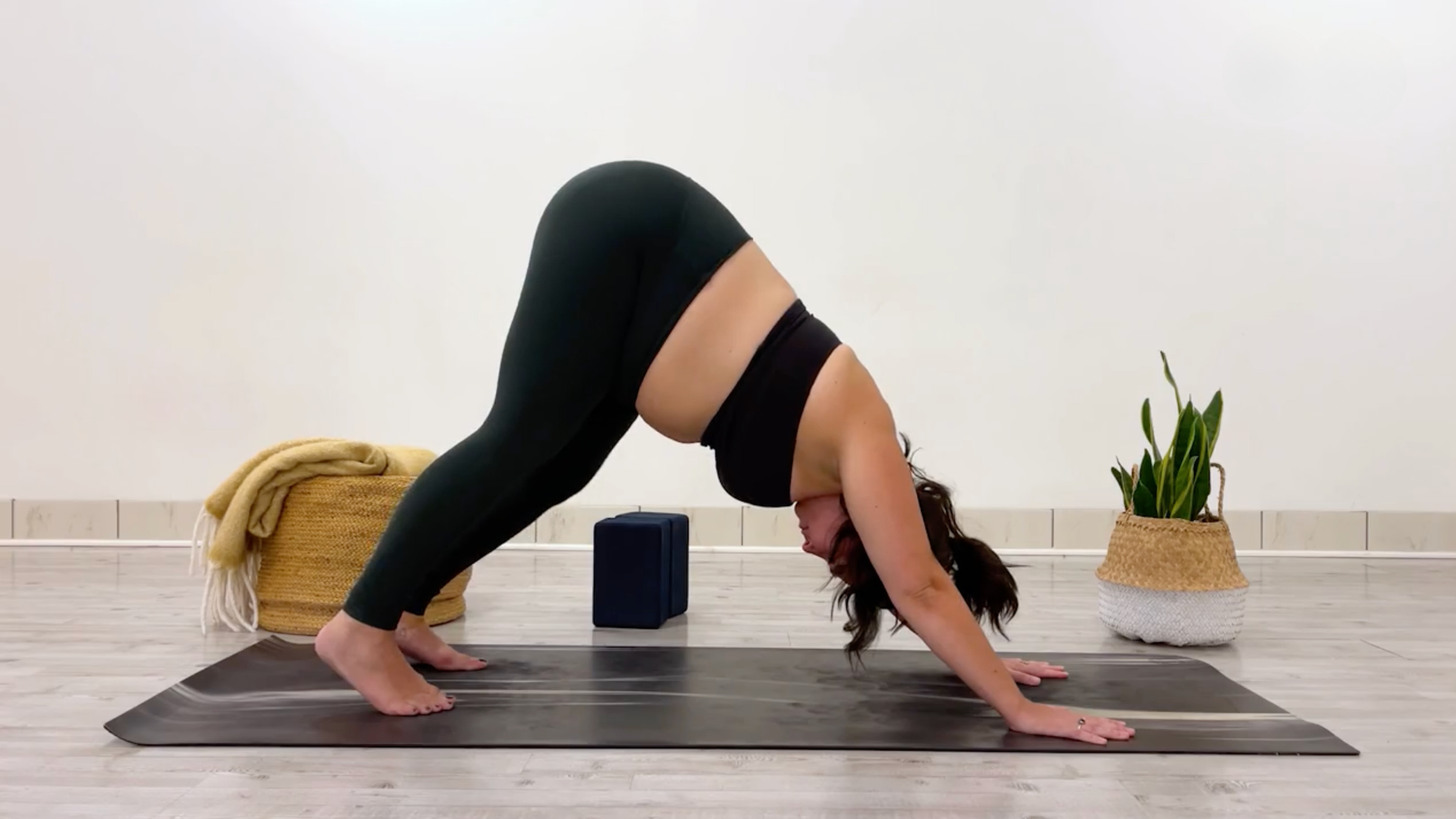
The practice begins on the hands and knees in a neutral Tabletop position. This foundational shape allows the practitioner to tune into the breath and assess the baseline condition of the spine and hips. From Tabletop, practitioners can choose to remain grounded or curl their toes under, pressing the hips up and back into Downward-Facing Dog. This classic inversion begins to gently lengthen the posterior chain, warming up the hamstrings and calves while waking up the shoulders and upper back.
Phase 2: Opening the Posterior Chain
- Duration: 1 minute
- Pose: Three-Legged Dog
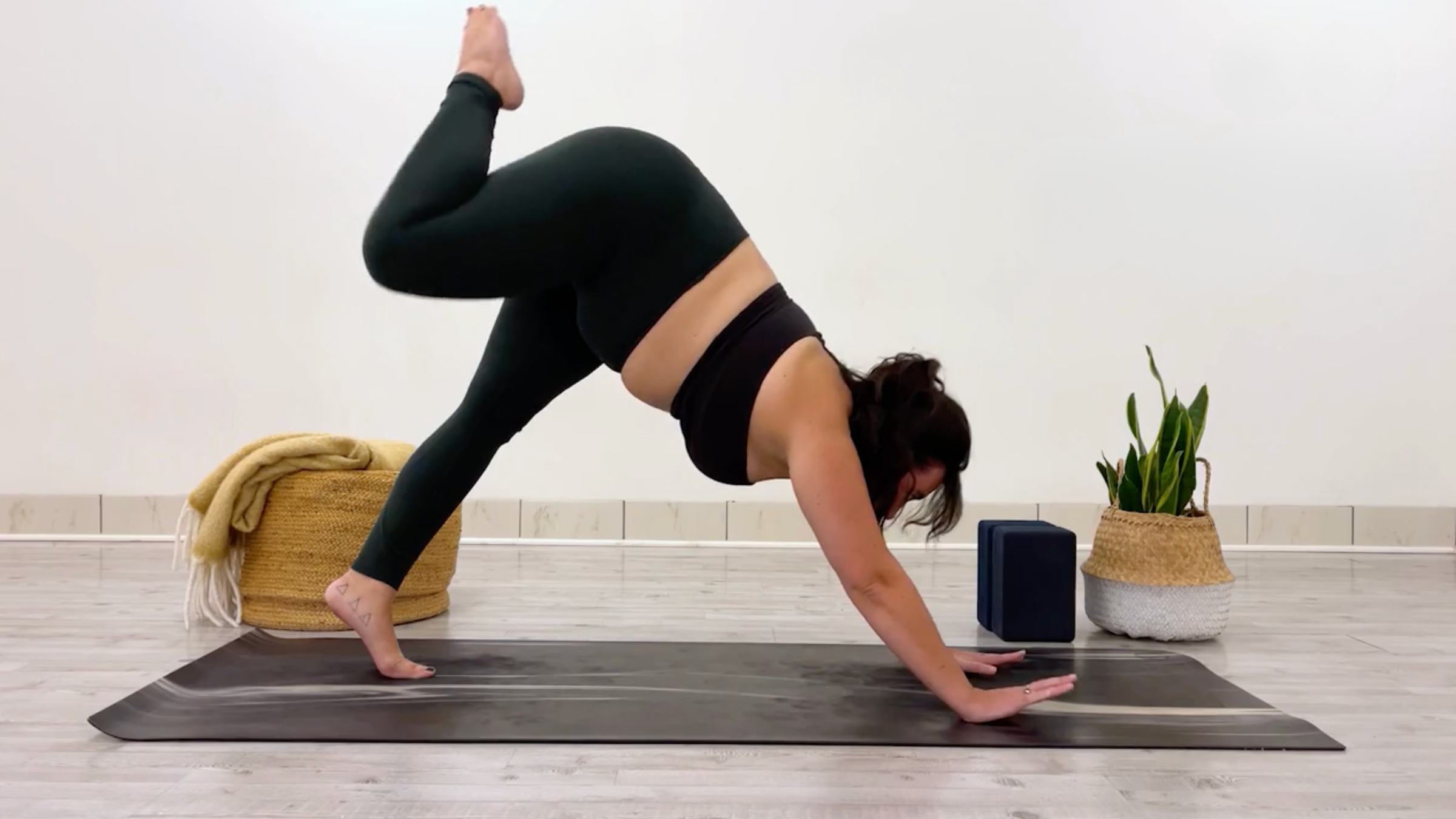
Transitioning from Downward-Facing Dog, the practitioner sweeps the right leg up and back toward the ceiling. Bending the right knee introduces an immediate opening into the right hip joint and pelvic region. This dynamic shape primes the glutes and hip flexors for the deeper, static holds that follow, encouraging blood flow to the targeted areas.
Phase 3: Deep Glute Isolation
- Duration: 1–3 minutes per variation
- Pose: Swan Pose (Eka Pada Rajakapotasana / Pigeon Pose)
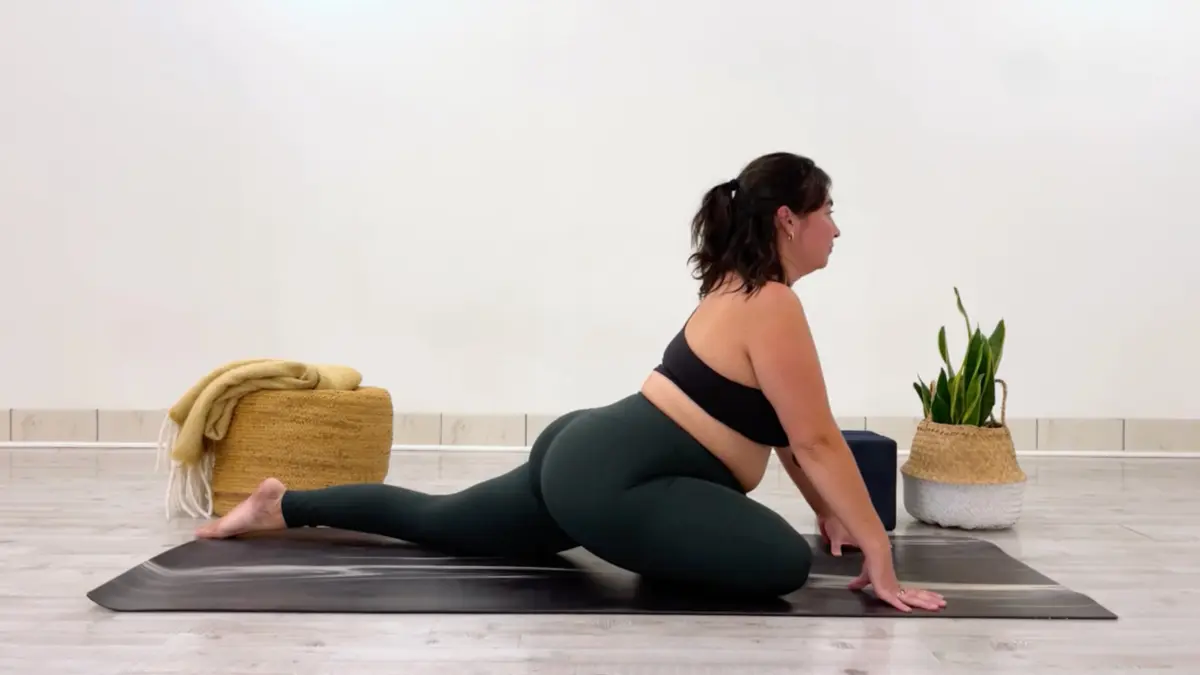
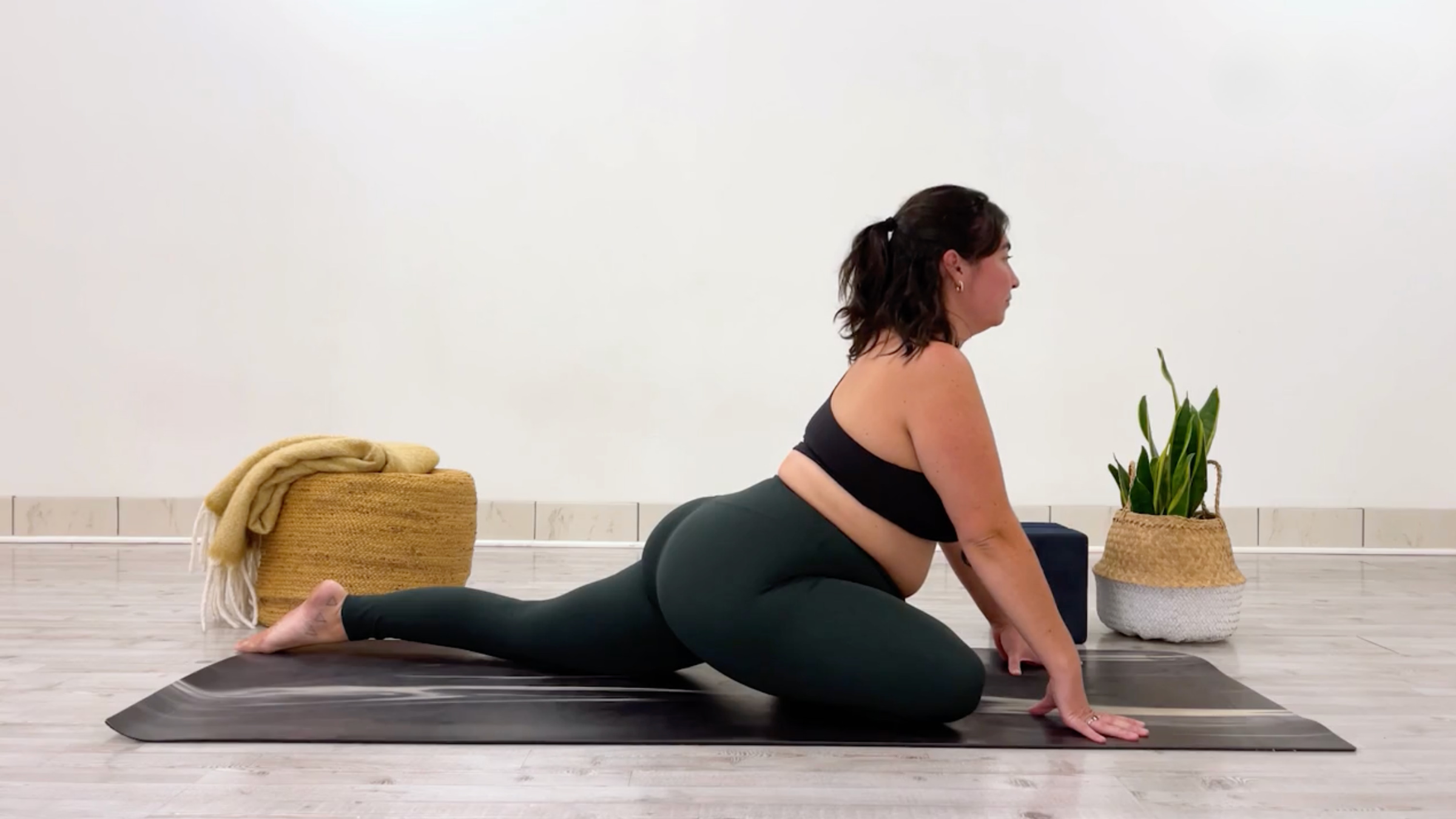
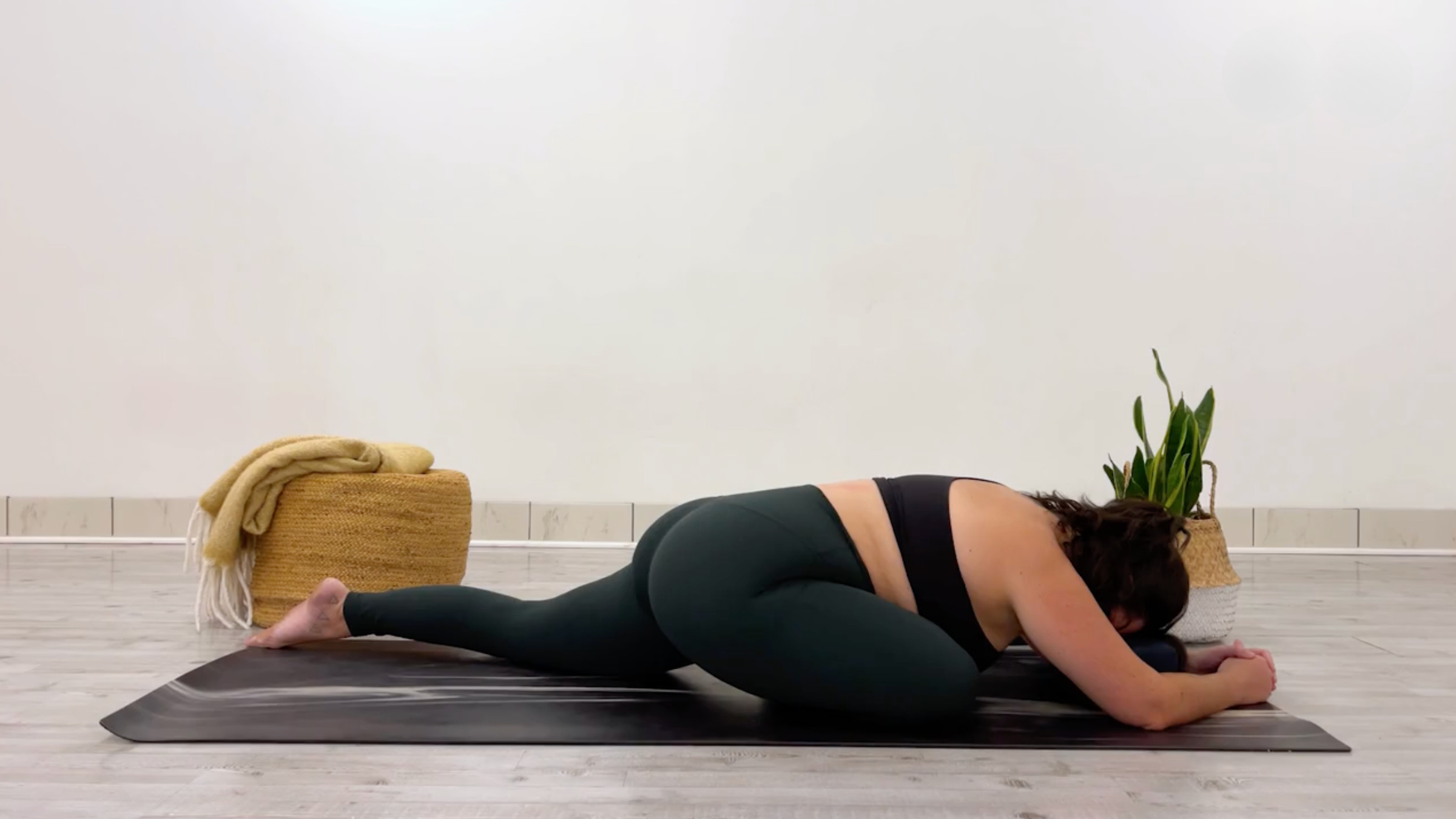
From Three-Legged Dog, the right knee is guided forward to land softly behind the right wrist, with the right shin angled across the mat away from the top edge. The left leg extends long behind the torso.
In this upright variation of Swan Pose—often referred to in other traditions as Pigeon Pose—practitioners can place yoga blocks beneath their hands to lift through the heart center, engaging the upper back while experiencing a deep opening across the front of the left hip and the exterior of the right glute.
For a more restorative and intense release, practitioners can gently fold forward into Sleeping Swan, bringing the torso down toward the mat or resting the forehead on a block or stacked hands. Remaining in this passive fold for one to three minutes allows gravity to do the work, encouraging the deep fascial layers of the right glute to soften.
Phase 4: Compressing and Releasing
- Duration: 1–3 minutes per variation
- Pose: Half Shoelace and Shoelace Pose
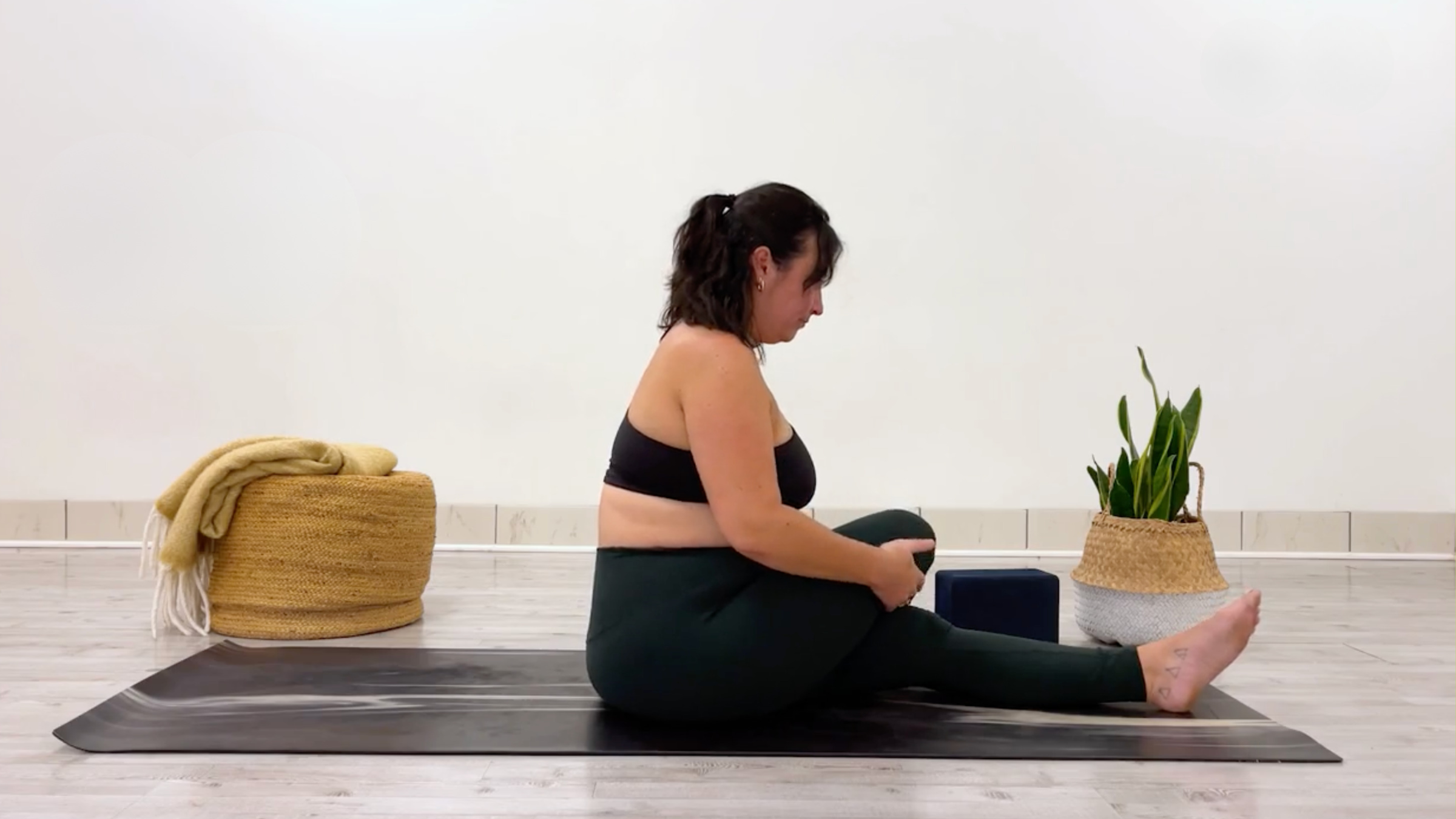
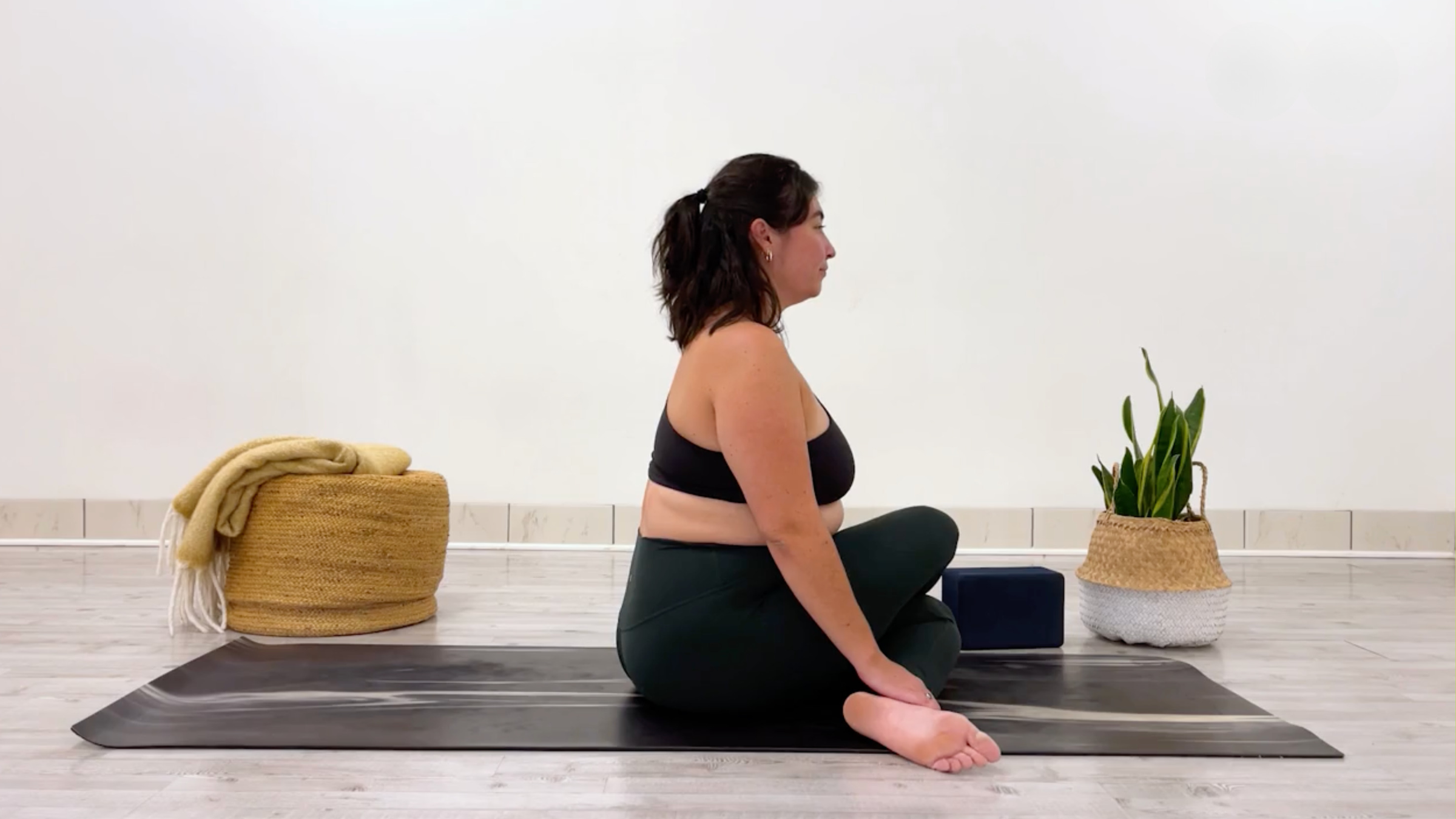
Upon exiting Swan Pose, the practitioner shifts their weight fully onto the right sit bone, swinging the left leg from behind to straight out in front. Crossing the right knee directly over the left knee brings the body into Half Shoelace.
For practitioners seeking a deeper sensation, bending the left knee as well brings them into full Shoelace Pose. The objective is to guide the heels an equal distance away from the hips and settle both sit bones evenly onto the mat.
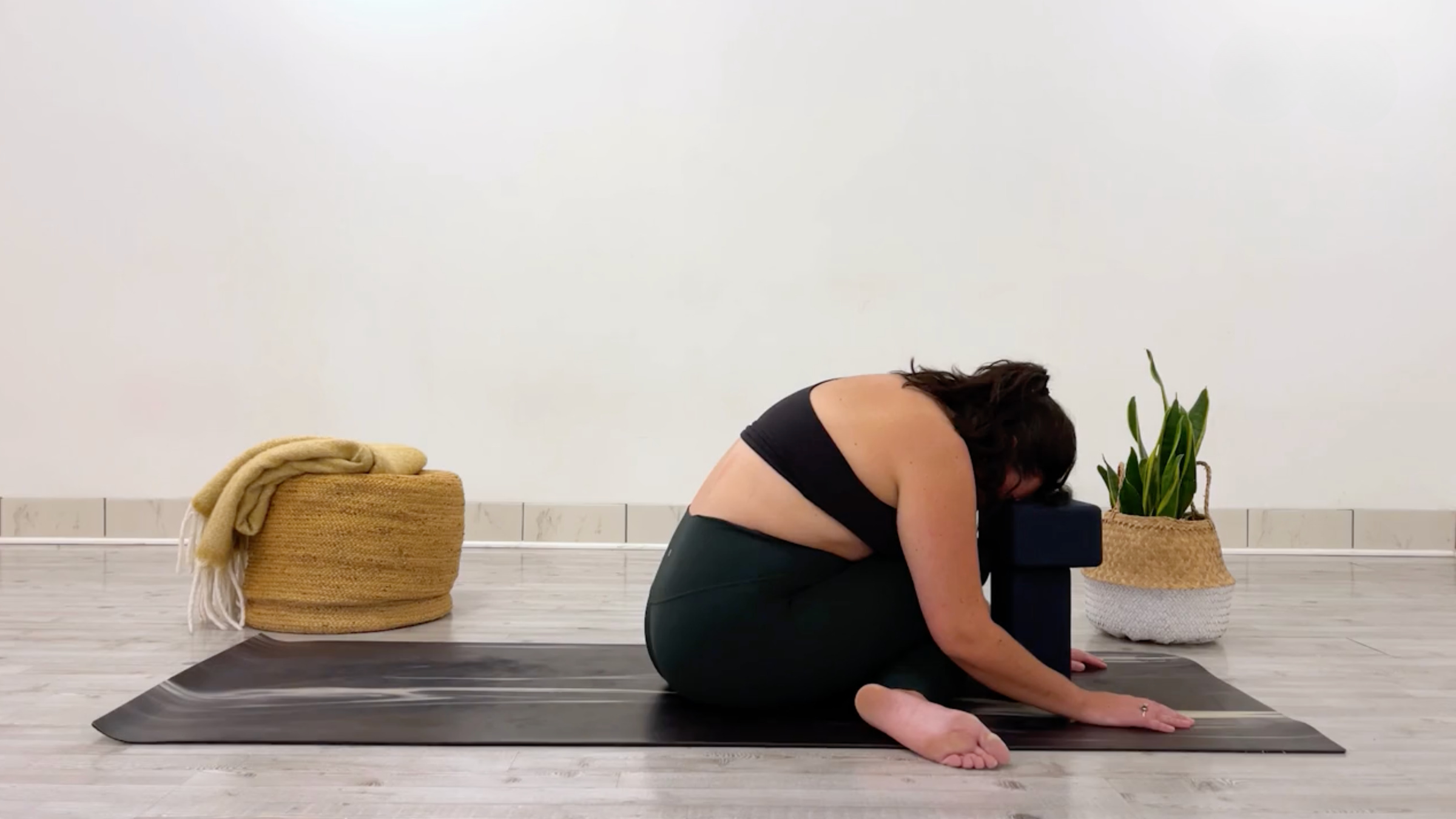
To amplify the stretch further, practitioners can fold forward over the bent legs. This complex shape compresses the hip joint and places a profound stretch across the outer gluteal muscles and piriformis. After holding this shape for one to three minutes, the practitioner slowly unwinds, presses back into Downward-Facing Dog to pedal out the feet, and repeats the sequence (Three-Legged Dog, Swan Pose, and Shoelace) on the left side.
Phase 5: Neutralization and Surrender
- Duration: 1–3 minutes
- Pose: Child’s Pose (Balasana)
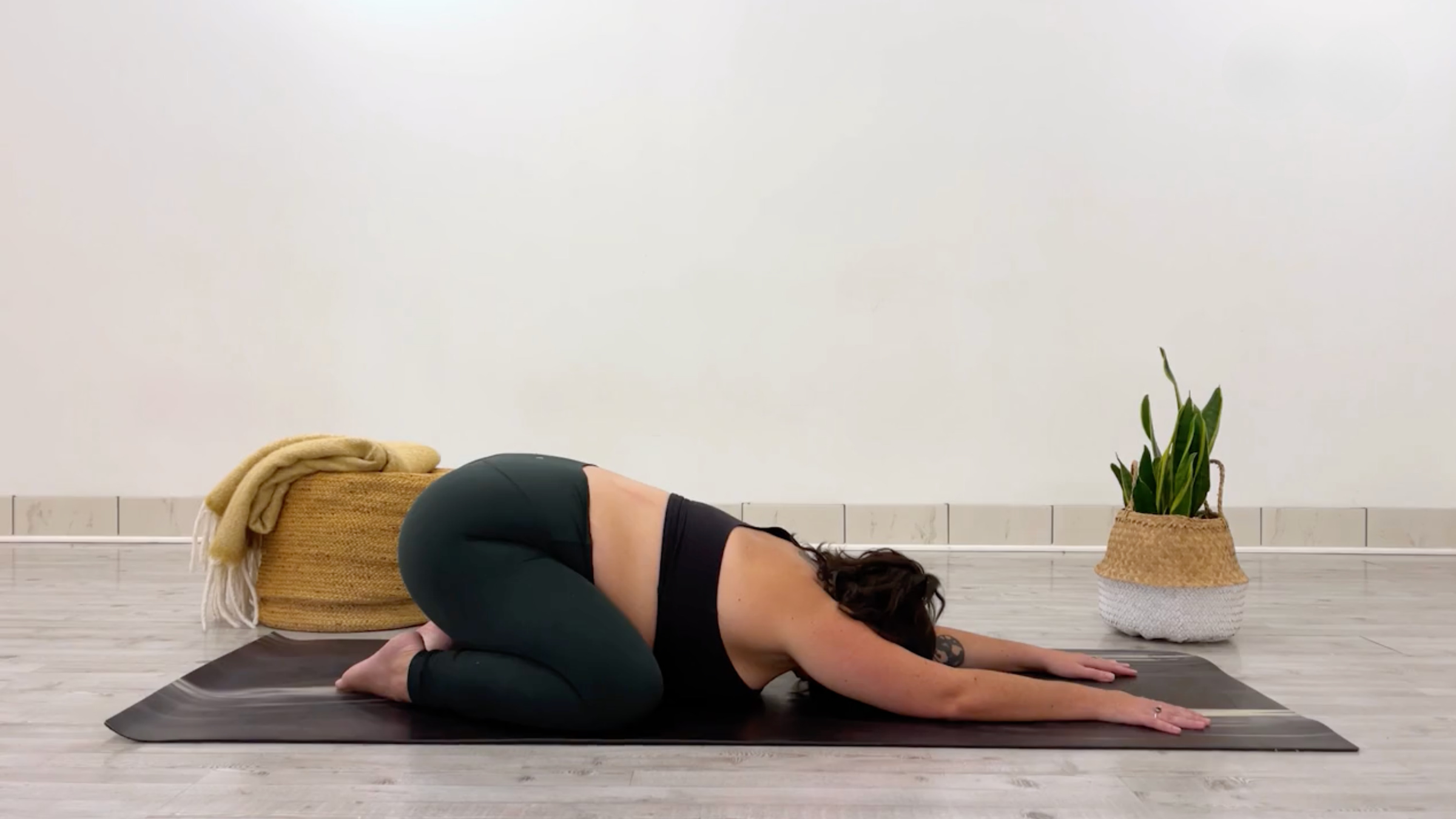
Following the bilateral completion of the active glute stretches, the practitioner transitions gently to the floor. Bringing the knees out wide while keeping the big toes touching, the sit bones melt back toward the heels into Child’s Pose. Reaching the arms forward and resting the forehead on the mat or a cushion provides a restorative counter-shape, neutralizing the spine and allowing the nervous system to integrate the work completed during the deep holds.
Phase 6: Integration and Closing
- Duration: 1 minute
- Pose: Seated Meditation and Heart Center Bow
To conclude the practice, the practitioner uses their hands to walk the torso upright, sitting back comfortably on the heels. Bringing the hands together in anjali mudra (prayer position) in front of the heart center, the practitioner bows the head so that the third eye meets the fingertips. This closing ritual serves as a moment of gratitude, encouraging practitioners to acknowledge their dedication to their physical and mental well-being.
Supporting Data: The Mechanics of Fascial Release in Yin Yoga
To understand why this specific sequence is effective, it is necessary to examine the physiological differences between traditional active stretching (Yang) and passive myofascial stretching (Yin).
- Connective Tissue Remodeling: While dynamic stretching primarily targets muscle bellies and increases blood flow through muscular contraction and release, Yin yoga targets the body’s fascia—the dense, fibrous connective tissue web that surrounds muscles, bones, and joints. Research into fascial plasticity indicates that connective tissue requires sustained, low-load stress over extended periods (typically 90 seconds to several minutes) to undergo plastic deformation and realign its collagen fibers.
- The Gluteal Complex and Posture: The gluteus maximus is the largest muscle in the human body and acts as a primary hip extensor. When it becomes hypertonic or locked in a shortened position (frequently caused by prolonged sitting), it inhibits reciprocal inhibition of the hip flexors, leading to anterior pelvic tilt. Clinical observations in physical therapy support the notion that releasing tension in the gluteal and piriformis regions can reduce aberrant mechanical loads on the sacroiliac (SI) joint and lumbar spine, directly correlating with improved standing alignment and reduced low back pain.
- Nervous System Regulation: Long-hold restorative postures stimulate the parasympathetic nervous system (the "rest and digest" state). By holding shapes for up to three minutes without muscular engagement, practitioners signal to the central nervous system that it is safe to let go of guarding mechanisms, allowing chronically tight muscle fibers to lengthen passively.
Official Responses and Expert Perspectives
The methodology promoted by Taylor Lorenz aligns with broader shifts within the modern fitness and therapeutic movement communities. Physical therapists, sports medicine clinicians, and movement educators increasingly advocate for targeted mobility work that addresses the posterior chain as a functional unit rather than isolated muscle groups.
"When patients present with chronic lower back tightness, clinicians immediately look at the lumbar spine, but the root cause is frequently locked up deep within the hip rotators and glutes," notes Dr. Elena Vance, a doctor of physical therapy specializing in orthopedic rehabilitation. "Integrating passive, sustained holds like those found in Yin yoga provides a mechanical advantage that active stretching simply cannot replicate. It allows the dense fascial envelopes surrounding the gluteus medius and maximus to slowly creep and lengthen."
Yoga therapists also emphasize the psychological component of releasing deep-seated physical tension. The pelvic region and glutes are frequently cited in somatic bodywork as primary storage sites for physical and emotional stress.
"In Yin yoga, we aren’t just stretching tissue; we are learning how to breathe through discomfort," explains certified yoga therapist Marcus Sterling. "When you hold a pose like Sleeping Swan or Shoelace for three minutes, the mind naturally wants to escape the sensation. Staying present with the breath trains the nervous system to tolerate physical stress without panicking. The physical release of the glutes is often mirrored by a profound psychological exhale."
Implications for Daily Movement and Long-Term Mobility
The implications of incorporating a targeted 10-minute glute-focused Yin practice extend far beyond the yoga mat. For athletes, runners, and weightlifters, maintaining supple gluteal muscles prevents performance deficits and reduces the risk of common overuse injuries such as IT band syndrome, trochanteric bursitis, and patellofemoral pain syndrome.
For desk workers and individuals with sedentary occupations, integrating these practices serves as an essential counterbalance to the structural deformation caused by prolonged sitting. By regularly counter-conditioning the hips and glutes through shapes like Swan and Shoelace, individuals can mitigate the postural degradation associated with modern work environments.
Ultimately, Lorenz’s routine offers an accessible, highly efficient pathway to physical autonomy. By dedicating just a few minutes a day to mindful, supported stretching, practitioners can dismantle layers of accumulated tension, realign their posture from the ground up, and rediscover freedom of movement in their daily lives.
