

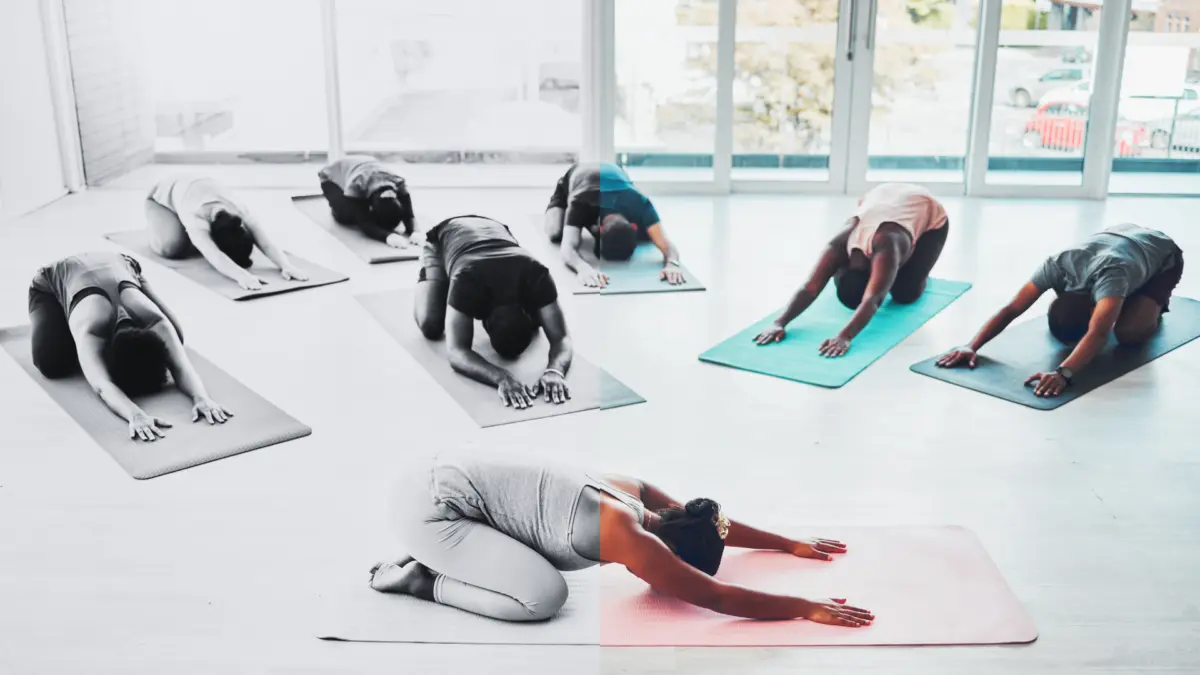
October 6, 2026 — In the modern wellness landscape, teaching yoga has evolved far beyond simply calling out stretches in a dimly lit studio. Instructors constantly refine their lexicon, striving for the ultimate balance of clarity, motivation, and anatomical precision. Yet, according to veteran yoga teacher and teacher trainer Rachel Land, an overwhelming majority of instructors are missing a foundational element in their verbal delivery—one that does not merely guide a practitioner into a posture, but fundamentally alters their relationship with the practice itself.
That missing element is surprisingly simple, yet profoundly transformative: the “why.”
While the fitness and mindfulness industries have long debated the mechanics of effective instruction, recent pedagogical discussions highlight a subtle shift in language that keeps students returning week after week. By moving away from rote execution and embracing purposeful explanation, educators can bridge the gap between physical movement and deep, embodied self-awareness.
Main Facts: The Evolution of Verbal Cues
At its core, a yoga cue is an instructional tool. Traditionally, teachers categorize their verbal delivery into two distinct buckets: the what and the how.
- The "What": Directing students into the basic shape of a posture (e.g., “Lift your chest into Cobra”).
- The "How": Providing mechanical or anatomical details on how to maneuver the body into that shape (e.g., “Engage your low belly by drawing your pubic bone toward your navel”).
- The Missing "Why": Explaining the underlying reason, benefit, or energetic intention of the movement (e.g., “Engage your low belly to create more space along your low back, protecting the spine as you lift”).
When teachers incorporate the "why," they elevate a class from a physical exercise routine into a mindful exploration. Rather than focusing solely on helping students achieve a textbook-perfect shape, effective cueing draws awareness to how students show up in the present moment. This psychological and somatic shift fosters student autonomy, deepens body literacy, and directly impacts class retention rates.
Chronology: The Journey From Rote Instruction to Mindful Communication
To understand how modern teaching methodologies arrived at this crossroads, it is helpful to look at the progression of yoga instruction over the past several decades.
- Late 20th Century (The Ascendance of Alignment): As yoga expanded rapidly in the West, instructional styles heavily favored strict anatomical alignment. Classes were often rigid, mimicking physical therapy or athletic conditioning, with teachers heavily focused on the how of every posture to prevent injury.
- Early 2000s (The Mindfulness Movement): Instructors began incorporating breathwork, philosophy, and internal awareness. However, a wide divide often remained between the technical physical cues and the spiritual themes offered at the beginning or end of class.
- The 2020s (The Rise of Embodied Pedagogy): Contemporary teacher trainings—led by educators like Rachel Land—have begun emphasizing "functional cueing." Teachers are encouraged to merge biomechanics with internal perception. The focus has shifted from making a shape look right to understanding why a body is moving that way, acknowledging that every student’s skeletal structure is unique.
- Present Day (The Retention Shift): Studio owners and independent instructors are realizing that technical perfection does not build community; emotional and somatic resonance does. Cueing the "why" has emerged as a premier strategy for building student loyalty and long-term engagement.
Supporting Data and Psychological Insights
While yoga is often felt rather than measured, educational psychology and cognitive science strongly support the integration of purpose-driven instruction.
Cognitive Load and Retention
In instructional design, cognitive load theory suggests that humans can only process a finite amount of new information at once. When teachers bombard students with endless technical micro-corrections (the how), students often experience cognitive fatigue. However, when a cue includes a clear why, it provides a mental anchor. Students remember why they are doing a movement—such as widening their stance in a High Lunge for stability—long after the class ends. This principle translates directly into home practices and everyday life ergonomics.
Somatosensory Awareness
Studies in somatic movement therapy indicate that internal focus (interoception) yields higher rates of nervous system regulation compared to external aesthetic focus (exteroception). When a teacher explains the rationale behind a posture, they invite the student to check in with their own bodily sensations. This builds long-term proprioceptive intelligence, drastically reducing injury rates and building sustainable physical confidence.
The Retention Factor
In a saturated fitness market where boutique studios compete with digital apps, studio retention hinges on the "instructor connection." Data from regional wellness centers consistently show that students do not return for the poses—they return for the experience of the room. Instructors who master the art of the "why" create inclusive, educational environments where beginners and advanced practitioners alike feel safe, seen, and intellectually stimulated.
Official Perspectives and Expert Responses
The conversation around intentional cueing has drawn commentary from prominent voices within the global yoga community.
Rachel Land, a prominent teacher trainer known for her analytical yet accessible approach to anatomy and philosophy, emphasizes that the true value of yoga lies in self-discovery.
“Yoga is not about improving someone’s ability to follow instructions,” Land notes. “It’s about helping students experience enhanced self-awareness. Cues are not only how we instruct students into a posture, they are the means through which we communicate the kinds of details that shape the experience of yoga as much as the poses themselves.”
Other senior educators point out that while minimalist cues still have their place—especially in familiar sequences or fast-paced vinyasa classes—over-relying on rote commands can alienate students.
“When a pose or transition is unfamiliar, or when it provides an opportunity to explore a key theme of class, conveying intention is vital,” says one veteran studio director. “It transforms a physical drill into a meaningful practice. Students leave feeling empowered, not just corrected.”
Implications for Teachers and Studio Owners
The implications of shifting toward purpose-driven communication extend across the entire wellness industry.
1. For Yoga Teachers: Upgrading the Teaching Repertoire
Instructors must transition away from habitual, auto-pilot cueing. This requires a deeper understanding of functional anatomy and biomechanics, as well as a willingness to slow down the pace of a class. Instead of packing a sequence with endless postures, teachers are encouraged to curate fewer movements and explore them with greater depth.
2. For Teacher Training Programs (TUTs)
Teacher training curricula are undergoing a quiet overhaul. Rather than grading trainees solely on their ability to memorize Sanskrit names and alignment checklists, modern certification programs are evaluating students on their communication skills. Trainees are taught how to translate complex anatomical rationales into relatable, everyday language.
3. For Studio Business Models
In an era where client retention is the primary metric for studio survival, the quality of instruction is the ultimate differentiator. Studios that foster a culture of mindful, intelligent teaching naturally cultivate loyal communities. When practitioners understand the why behind their practice, they view yoga not as an occasional workout, but as an indispensable tool for physical and mental well-being.
Conclusion
Ultimately, the art of the unforgettable yoga cue lies in its ability to awaken consciousness. By bridging the gap between physical mechanics and inner purpose, teachers can guide their students past the superficial hurdles of fitness culture and straight into the heart of yoga. As instructors continue to refine their language, one subtle shift at a time, the classroom transforms from a space of strict compliance into a laboratory of lifelong self-discovery.
