

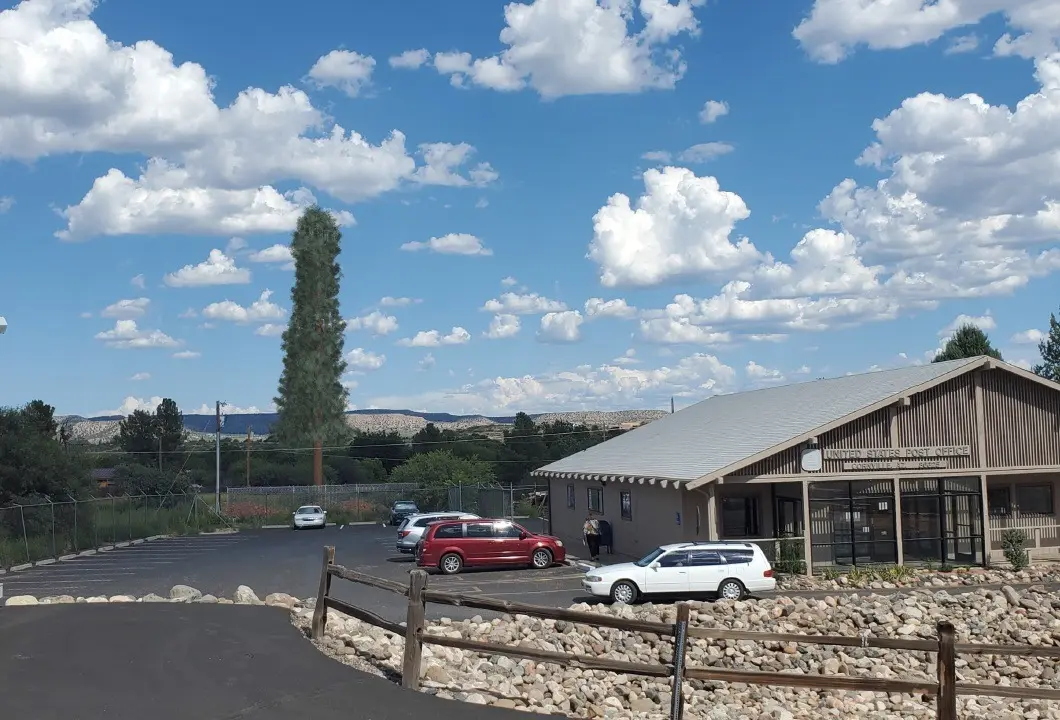
CORNVILLE, Ariz. — The Federal Communications Commission (FCC) has cleared the way for the construction of a controversial 100-foot cellular tower in the unincorporated community of Cornville, Arizona. In a decisive ruling, the agency’s Wireless Telecommunications Bureau rejected a series of environmental, historical, and procedural challenges brought by local residents, a prominent wildlife rehabilitator, and a regional conservation coalition.
The federal order, issued by the FCC’s Competition and Infrastructure Policy Division, concludes that the proposed wireless facility does not warrant a comprehensive Environmental Assessment (EA). This decision effectively removes the final federal regulatory hurdle for the project, which has been the subject of intense local debate for several years.
Main Facts of the Dispute
The conflict centers on a proposal by SQF LLC, filed on its behalf by telecommunications infrastructure firm Tilson Technology Management in 2022. The companies seek to construct a 100-foot "monoelm"—a stealth telecommunications tower designed to mimic the appearance of an elm tree—at 9420 Cornville Road. The project site is located on a commercially zoned parcel that currently hosts a gas station and a strip mall shopping plaza.
Proposed Site: 9420 Cornville Road, Cornville, AZ
Tower Height:  100 Feet
Design:        "Monoelm" (Stealth Elm Tree)
Developer:     SQF LLC / Tilson Technology Management
Status:        Federal Approvals Secured; Reconsideration Pending
Opponents of the tower, led by local resident Gillian Goslinga, Ph.D., and Billy Harvey, the founder of the nearby Runnin’ W Wildlife Center, argued that the structure would cause irreparable harm to the local environment. They raised objections concerning:
- The impact on endangered species and migratory bird populations.
- Potential health and environmental risks from radiofrequency (RF) radiation.
- The disruption of historic and Native American tribal cultural resources.
- Aesthetic degradation of the scenic Verde Valley landscape.
- Alleged "bad faith" actions by the developers regarding early site preparation.
Despite these arguments, the FCC denied or dismissed all petitions. The agency ruled that the developers had met all federal compliance standards, noting that local zoning authorities had already vetted and approved the physical and aesthetic aspects of the tower.
In response to the federal clearance, opponents have organized under an ad hoc advocacy group called the "Stewards of Oak Creek." On September 21, the group filed a formal petition for reconsideration with the FCC, signaling that the community’s battle against the tower is not yet over.
Chronology of the Dispute (2022–2026)
The regulatory path for the Cornville cell tower has been marked by years of administrative filings, local zoning battles, and federal interventions.
[2022] ---------------------- SQF LLC & Tilson file initial cell tower proposal.
  |
[2023 - 2024] --------------- Local opposition mobilizes; Yavapai County grants zoning approval.
  |                           Tilson ordered to halt unauthorized grading works.
  |
[2025 - Early 2026] --------- FCC conducts tribal outreach; Hopi Tribe does not respond.
  |
[Aug 21, 2026] -------------- FCC officially denies all environmental challenges.
  |
[Sept 21, 2026] ------------- "Stewards of Oak Creek" files Petition for Reconsideration.
2022: Initial Proposals and Community Mobilization
SQF LLC and Tilson Technology Management submitted their initial regulatory filings in 2022. The choice of 9420 Cornville Road was strategic, aiming to close coverage gaps along the heavily trafficked Cornville Road corridor. However, as news of the 100-foot structure spread, local property owners and environmental advocates mobilized, citing the rural and scenic character of the Verde Valley.
2023–2024: Local Zoning and Early Construction Halts
The project moved to Yavapai County zoning officials, who ultimately approved the use permit after determining that the "monoelm" design minimized the visual impact on the surrounding community.
During this period, tensions escalated when Tilson began grading and site preparation work before securing final federal clearances. Federal regulators stepped in, issuing two separate stop-work orders. Tilson complied with both directives, halting work until the regulatory reviews could be completed. Opponents pointed to these incidents as evidence of "bad faith" operations, a claim they would later bring before the FCC.
2025–2026: Tribal Consultations and Federal Review
As part of the National Environmental Policy Act (NEPA) and National Historic Preservation Act (NHPA) compliance processes, the FCC initiated consultations with regional Native American tribes. Between 2025 and 2026, federal regulators reached out to the Hopi Tribe three times to solicit comments regarding the ancestral significance of the site. The tribe did not respond to these inquiries.
August 21, 2026: The FCC Issues Its Mandate
The FCC’s Wireless Telecommunications Bureau issued its final decision, systematically denying and dismissing the petitions filed by Goslinga, Harvey, and other residents. The agency declared that no further environmental reviews were legally required, clearing the project for construction.
September 21, 2026: The Petition for Reconsideration
Refusing to accept the FCC’s decision as final, opponents formed the "Stewards of Oak Creek." Exactly one month after the FCC’s ruling, the group filed a petition for reconsideration, hoping to force federal regulators to reopen the case.
Supporting Data and Site Specifics
The proposed tower site is situated in the heart of Cornville, an unincorporated community in Yavapai County known for its riparian habitats, agricultural lands, and lower-density residential tracts.
The "Monoelm" Design
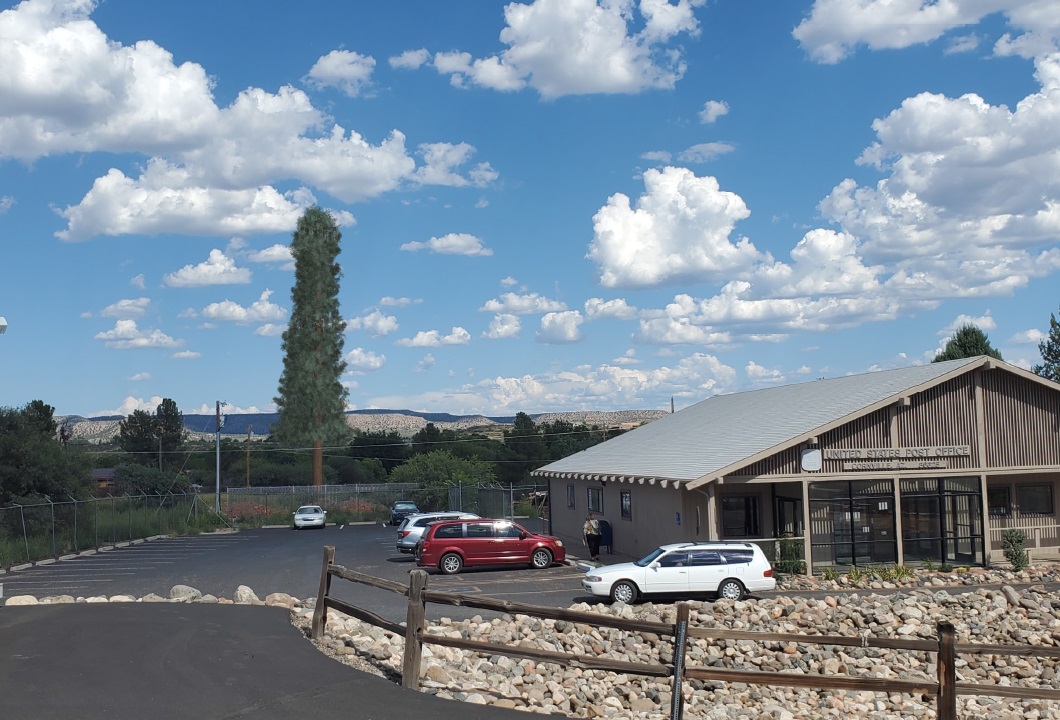
To mitigate the visual impact of a 100-foot steel structure in a scenic valley, the developers proposed a "stealth" design. Unlike traditional lattice towers or stark grey monopoles, a "monoelm" is wrapped in synthetic bark and outfitted with realistic branches and foliage designed to blend into the natural canopy.
While stealth towers (often designed as pines, palms, or elms) are frequently mandated by local planning departments, they remain controversial. Critics argue that at 100 feet—well above the natural height of most local deciduous trees—the structure will remain highly visible and look artificial against the desert-riparian landscape.
Environmental and Ecological Sensitivity
The opposition’s arguments are heavily rooted in the unique ecology of the Verde Valley. The project site is located near Oak Creek, a critical riparian corridor that supports a diverse array of wildlife, including:
- Migratory Birds: The Verde Valley serves as a vital stopover on the Pacific Flyway, hosting hundreds of bird species.
- Endangered Species: The region is home to several federally protected species, including the southwestern willow flycatcher and the yellow-billed cuckoo.
- Local Wildlife Rehabilitation: Billy Harvey’s Runnin’ W Wildlife Center, located near the proposed site, rehabilitates injured and orphaned native wildlife, making the center highly sensitive to localized industrial developments.
Official Responses and Regulatory Rulings
The FCC’s August 21 order addressed each of the opponents’ arguments, providing a detailed legal and scientific rationale for dismissing the challenges.
1. Endangered Species and Migratory Birds
Opponents argued that the tower would pose a collision hazard for migratory birds and disrupt local nesting grounds. The FCC rejected these claims, noting that the tower’s design and height do not meet the thresholds typically associated with high bird-strike mortality.
Unlike taller structures, the 100-foot tower will not require guy wires or high-intensity obstruction lighting, both of which are primary contributors to avian collisions. Furthermore, federal wildlife agencies did not find evidence that the commercial lot at 9420 Cornville Road constitutes critical habitat for threatened or endangered species.
2. Historical and Ancestral Tribal Connections
A central point of contention was the potential impact on Native American cultural resources. Although the Hopi Tribe does not currently inhabit the Verde Valley, the Hopi and other regional tribes maintain deep ancestral connections to the Sinagua culture. The Sinagua people inhabited the Verde Valley for centuries before migrating from the region around 1450 CE, leaving behind rich archaeological sites.
Sinagua Culture Timeline in the Verde Valley:
~650 CE:     First agricultural settlements established.
~1150 CE:    Construction of large pueblos (e.g., Tuzigoot, Montezuma Castle).
~1450 CE:    Sinagua abandon the valley; ancestral lineages integrate into Hopi and Zuni tribes.
Present:     Tribes maintain cultural and religious ties to Verde Valley lands.
The FCC noted that it made three separate attempts to engage the Hopi Tribe for comment between 2025 and 2026. Because no response or evidence of cultural resources on the specific commercial parcel was received, the FCC ruled that the project would not adversely affect historic tribal assets.
3. Aesthetics and Property Values
The FCC clarified that visual and aesthetic objections alone do not trigger a mandatory Environmental Assessment under federal law. The agency emphasized that aesthetic evaluations fall under the jurisdiction of local governments. Because Yavapai County zoning officials had already vetted and approved the tower’s design and placement, the FCC deferred to the local determination.
Similarly, concerns regarding declining adjacent property values, potential fire hazards, tower fall-zone safety, and the technical adequacy of local wireless coverage were dismissed. The FCC ruled that these issues are outside the scope of federal environmental law and are strictly the purview of municipal and county zoning authorities.
4. Allegations of Developer Bad Faith
The FCC addressed the community’s concerns regarding Tilson Technology Management’s unauthorized site grading. While the agency acknowledged that Tilson had twice been ordered to halt work for operating ahead of schedule, it noted that the firm immediately complied with the regulatory directives. The FCC concluded that these past infractions did not constitute ongoing "bad faith" sufficient to deny the project’s authorizations.
Implications for Rural Communities and Wireless Infrastructure
The dispute in Cornville highlights a broader, nationwide tension between the expansion of modern telecommunications networks and the preservation of rural, scenic, and ecologically sensitive landscapes.
The Rural Connectivity Dilemma
For providers like SQF LLC, expanding infrastructure into communities like Cornville is essential to meet the growing demand for high-speed mobile data, emergency 911 services, and reliable cellular coverage. Rural highways and tourist corridors often suffer from coverage gaps that pose safety risks during emergencies, such as wildfires or traffic accidents.
Conversely, rural residents often choose these areas specifically to escape industrial development. For communities in the Verde Valley, the pristine views and natural environment are not just aesthetic preferences—they are central to the local economy, which relies heavily on ecotourism, outdoor recreation, and retirement communities.
Federal Preemption and Local Control
The FCC’s ruling underscores the power of federal preemption in telecommunications infrastructure. Under the Telecommunications Act of 1996, local governments and individual citizens have limited avenues to block the placement of cell towers. Most notably, the Act prohibits state and local authorities from regulating wireless facilities based on the environmental or health effects of radiofrequency emissions, provided the emissions comply with FCC standards.
This leaves opponents with few legal strategies. By focusing on NEPA, historic preservation, and tribal consultation, the opponents in Cornville utilized the primary federal avenues available to them. However, as the FCC’s decision demonstrates, proving "significant environmental impact" on a commercially zoned lot is an exceptionally high legal bar.
Next Steps: The Stewards of Oak Creek
The immediate future of the project now rests on the FCC’s response to the petition for reconsideration filed by the "Stewards of Oak Creek." The group represents a broad coalition of local interests, including:
- Gillian Goslinga, Ph.D.
- Billy Harvey (Runnin’ W Wildlife Center)
- Local residents Lila Wright, Bonnie Hubbell, Sharon Fried, Tracey Campbell, Corey Colvin, and Jennifer Richards.
- A local Cornville-based essential oils business.
Should the FCC deny the petition for reconsideration, the opponents’ final recourse would be to appeal the federal decision in the U.S. Court of Appeals—a costly and legally challenging endeavor. For now, the developers hold the federal clearances necessary to proceed, bringing the 100-foot "monoelm" closer to reality on Cornville Road.
