

Main Facts: An EV Holiday in the Mediterranean
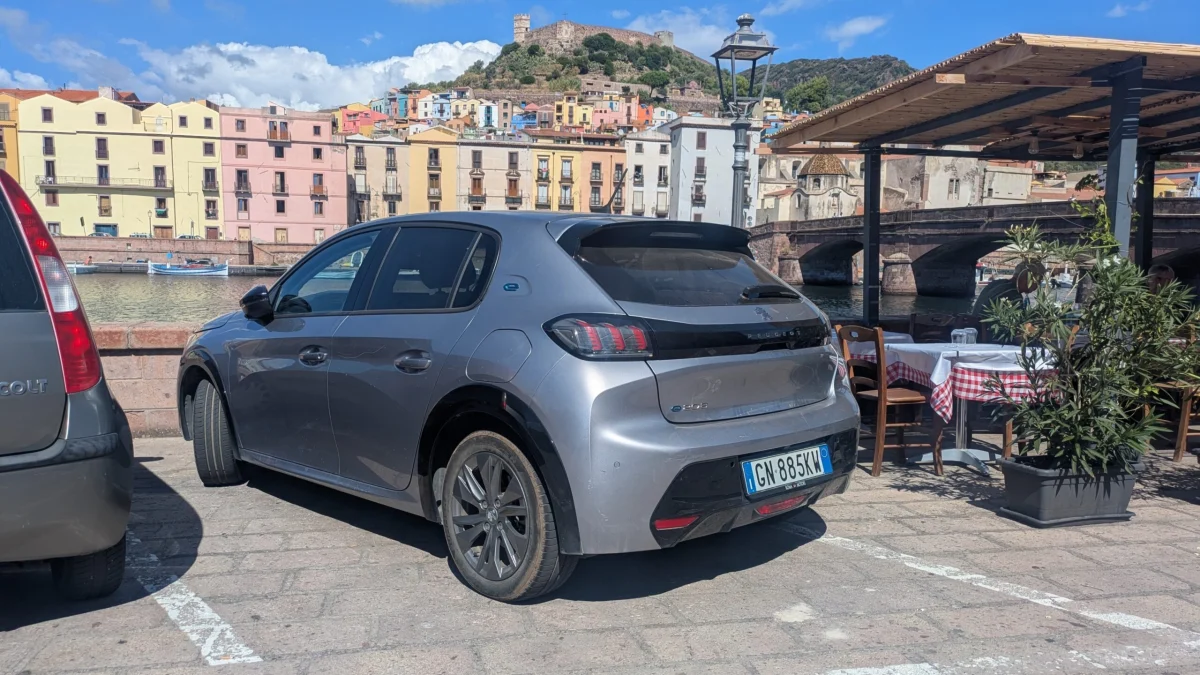
Vacationing in Europe offers an ideal crucible for testing modern electric vehicles (EVs). On a recent getaway to the sun-drenched Italian island of Sardinia, a rental Peugeot E-208 served as the daily driver for navigating coastal routes, historic towns, and winding mountain passes. Islands like Sardinia present a uniquely fitting ecosystem for compact EVs: short-to-medium driving distances, lower speed limits on rural roads, and a heavy reliance on tourism that benefits immensely from quiet, emission-free transport.
With petrol prices lingering well above €2 per liter (roughly equivalent to $9 per gallon), opting for an electric vehicle delivered undeniable financial savings. Yet beyond the economics, the whisper-quiet operation of the E-208 enhanced the vacation experience, allowing occupants to soak in the stunning Mediterranean landscape without the intrusion of engine noise or exhaust fumes.
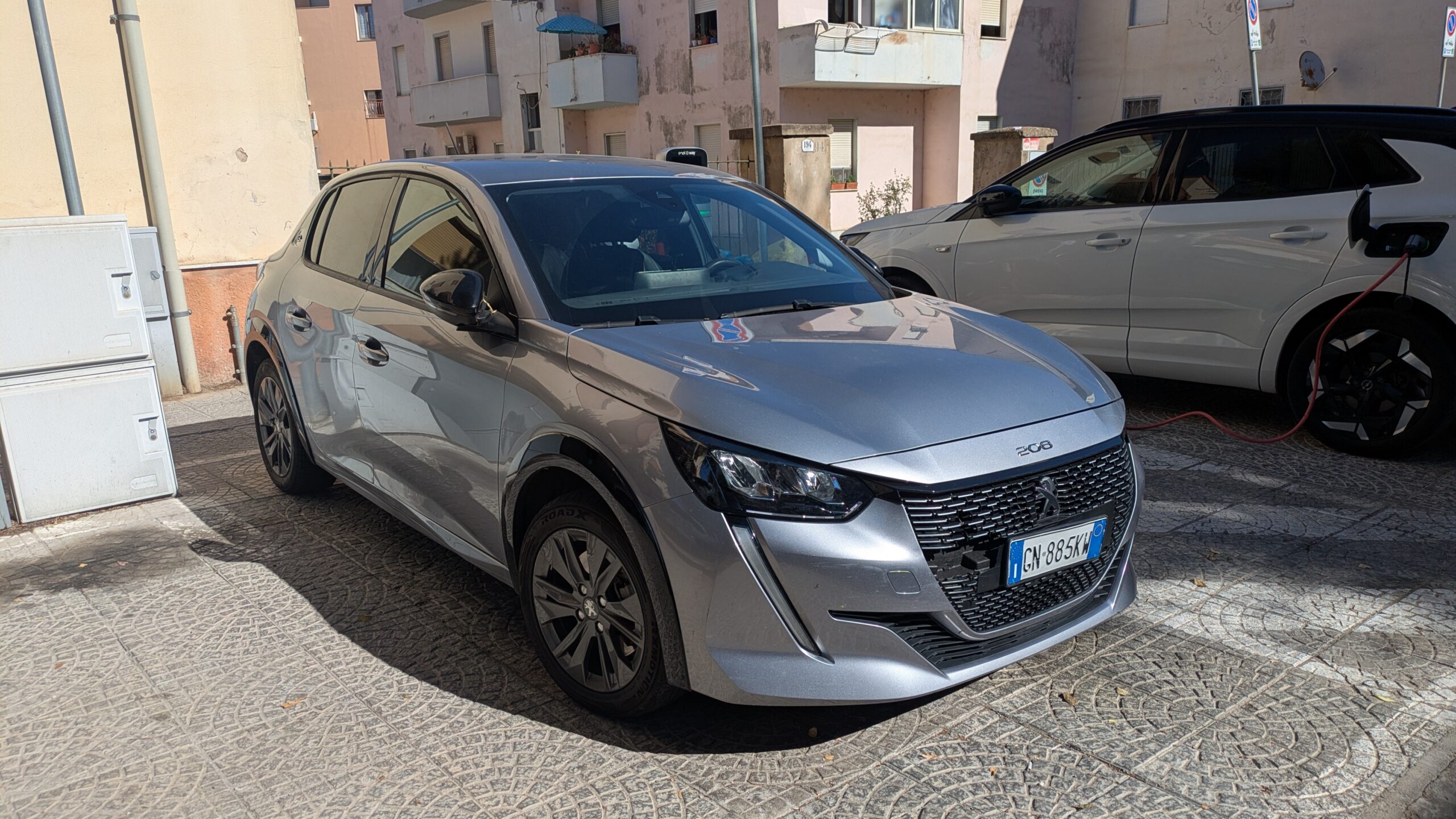
Rented locally through Olbia-based agency Drivalia to secure a reasonable rate, the vehicle came with a few minor battle scars and a dusty windshield coated in what appeared to be spray-on suntan lotion—a quick wipe down with napkins instantly resolved the visibility issue. However, living with the E-208 over several days revealed a nuanced picture of European electromobility: a car bursting with undeniable French character and engaging handling dynamics, yet hamstrung by the realities of an aging platform, high price points, and inconsistent public charging infrastructure.
Chronology: From Airport Pickup to Charging Frustrations
Day One: Arrival and the Open Road
The journey began at Olbia Costa Smeralda Airport, where the Drivalia rental counter handed over the keys to an entry-level Peugeot E-208. Measuring 4,055 mm in length, the hatchback fits neatly into Europe’s subcompact segment, sliding in size between current and upcoming iterations of budget EVs like the BYD Seagull.
Stepping into the cabin required a slight duck under the somewhat narrow door openings, though interior headroom proved adequate once settled. The seats, featuring manual adjustments, offered acceptable comfort for long stretches behind the wheel.
Setting off toward the western side of the island to Alghero, the car’s entry-level powertrain immediately showed its personality. While far from a drag racer, the instant torque of the electric motor provided plenty of low-end punch, making urban maneuvers and tight corners feel lively compared to a comparable internal combustion engine (ICE) car.
Mid-Trip: Island Exploration and Backroad Mastery
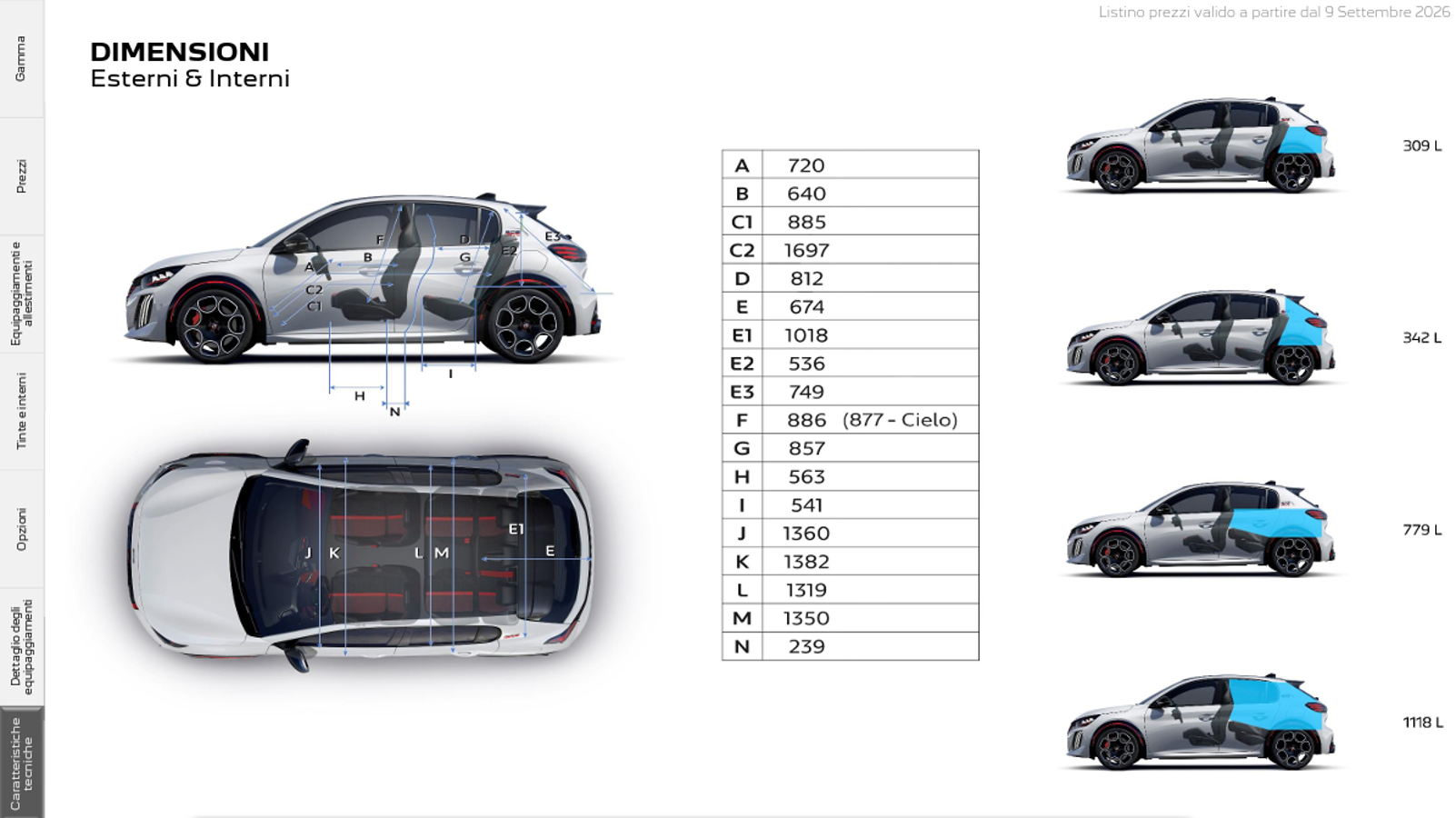
Operating around Alghero proved effortless from a charging perspective. A Level 2 public charging station featuring multiple stalls was located just a couple of blocks from the lodging. The routine quickly became second nature: plug the E-208 in after returning from daily adventures, enjoy dinner, and unplug a fully replenished car the next morning. Throughout the bulk of the holiday, Level 3 DC fast charging wasn’t needed—nor was it heavily spotted across the scenic routes.
Because the E-208 is built on an adapted ICE platform, it lacks specialized EV packaging tricks like a front trunk (frunk) or dedicated underfloor storage where a traditional muffler would normally reside. Furthermore, it lacks the slippery aerodynamic optimizations found on ground-up electric platforms. This resulted in notably higher energy consumption at highway speeds compared to relaxed backroads.
Embracing the car’s responsive front-wheel-drive handling, the driver frequently opted for Sardinia’s twisty, undulating rural roads over straight highways. Approaching corners with moderate speed and practicing momentum management—akin to driving a lightweight sports car like a Mazda Miata, but with a focus on efficiency—turned routine drives into a genuine pleasure without unsettling the passenger.

The Departure: A Reality Check on Public Charging
The vacation’s idyllic charging rhythm hit a snag upon returning to Olbia for the final night before a morning flight. A hotel booked specifically for its on-site charging amenities presented the first obstacle: an internal combustion engine (ICE) SUV was already occupying the stall.
Desperation led to a hunt across the city:
- Three consecutive public chargers were found completely out of service.
- A fourth charger was blocked by another gas-powered vehicle.
- Finally, a working charger located a little over a mile from the hotel was tracked down.
While the unit featured a broken touchscreen that rendered digital payments impossible, it successfully recognized an RFID card and initiated the charging session. For travelers accustomed to the robust, highly reliable supercharger networks of Tesla or the ubiquitous public infrastructure found in markets like China, Italy’s public charging network left significant room for improvement.

Supporting Data: Specifications, Pricing, and Market Positioning
Powertrain and Battery Metrics
The Peugeot E-208 is offered with varying motor outputs and battery capacities:
- Base Powertrain (Tested): Features a smaller battery paired with a 100 kW motor, yielding a WLTP-rated range of approximately 363 km (225 miles).
- Mid-Tier Powertrain: Utilizes a 115 kW motor and a larger battery pack, pushing the WLTP range up to 433 km (269 miles).
- High-Performance Variant: The E-208 GTi steps up performance significantly with a 207-kW motor, launching from 0 to 100 km/h in 5.5 seconds.
- Curb Weight: Tipping the scales at 1,530 kg (3,373 lbs), the E-208 is heavy for a vehicle of its physical footprint—reflecting its multi-energy platform roots—though it remains lighter than many larger battery-electric crossovers.
Pricing Realities in Europe
In the Italian market, the standard E-208 starts at €34,480 (inclusive of VAT). This represents a steep premium over its petrol-powered sibling, the standard ICE 208, which starts at a modest €18,100 with VAT. At the higher end of the lineup, the range-topping E-208 GT Exclusive commands €42,430, while the performance-focused E-208 GTi starts at €43,650.
Competitive Landscape
These price tags place the E-208 in direct crosshairs with fiercely competitive rivals:
- The Budget Threat: European consumers can purchase advanced Chinese imports like the BYD Seagull for under €20,000, offering superior interior packaging and technology. Meanwhile, Stellantis partner Leapmotor offers the B05 starting at €23,900, presenting a much more compelling value proposition.
- The Premium Alternative: At €34,990 in Italy, competitors like the XPENG L03 outclass the E-208 across nearly every metric. For the price of a loaded E-208, buyers can secure a Rear-Wheel Drive Long Range Ultra L03 featuring 480 km of range and advanced intelligent driving systems.
Official Responses and Manufacturer Perspectives
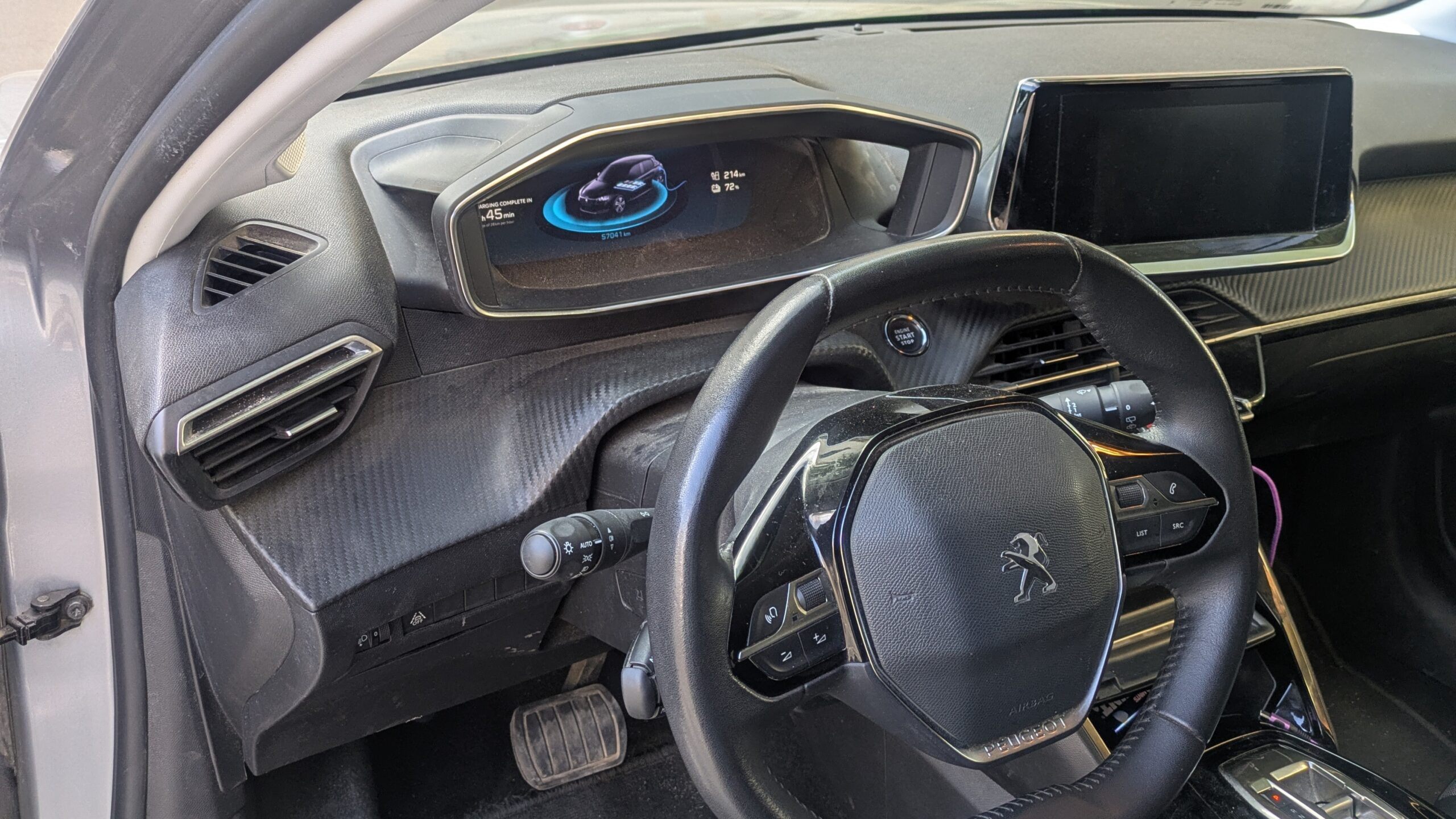
Peugeot’s marketing and engineering choices tell a story of pragmatic adaptation. Notably, Peugeot provides transparent cargo measurements in its official literature, reporting both standard liquid measurements from the floor to the top of the seatbacks and Tesla-style roof-height liquid measurements. This straightforward approach allows consumers to make honest apples-to-apples comparisons—a refreshing transparency in an automotive market increasingly cluttered with proprietary and exaggerated volume metrics.
On the infrastructure side, energy providers like Enel are actively investing in the island’s renewable transition. Driving through northern Sardinia reveals a proliferation of utility-scale solar installations and wind turbines, proving that island geographies are uniquely primed to harness wind and solar synergy for clean mobility.
Implications: The Future of European Hatchbacks
The Peugeot E-208 is a vehicle of contrasts. On one hand, it delivers a driving experience defined by authentic character, nimble handling, and a fun-to-drive "momentum car" personality that brings joy to rural switchbacks. On the other hand, its cabin relies heavily on hard plastics inherited from its sub-€20,000 ICE origins, features dated infotainment technology, and demands a steep financial premium that becomes increasingly difficult to justify on paper.

The Path Forward: Marrying French Flair with Chinese Efficiency
The broader implications for legacy European manufacturers are clear. When stacked against modern ground-up EVs from Asian competitors, adapted ICE platforms like the E-208 are beginning to show their age in efficiency, packaging, and cost competitiveness.
However, a tantalizing industrial opportunity sits on the horizon. If automotive conglomerates like Stellantis can successfully merge the manufacturing efficiency, advanced EV architecture, and cost structures of partners like Leapmotor with the unmistakable style, ride tuning, and emotional character of Peugeot, the results could dominate the market. A next-generation E-208 built on such a hybrid foundation would not only satisfy rental car fleets across Mediterranean islands but would likely struggle to keep up with surging consumer demand across the globe.
