

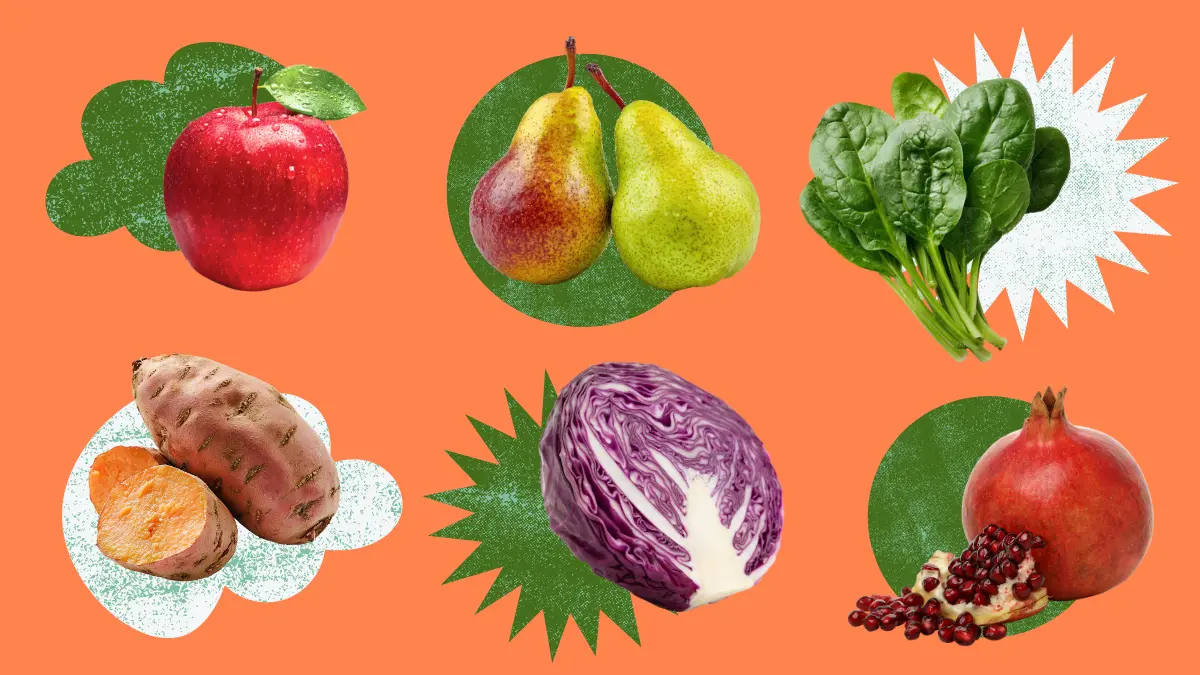
As the fleeting days of summer give way to the crisp, vibrant embrace of autumn, grocery store aisles undergo a seasonal transformation. Bountiful displays of summer tomatoes, bell peppers, and zucchini are replaced by the quintessential harvesters of fall: crisp apples, juicy pears, hearty root vegetables, and a cornucopia of nutrient-dense greens.
However, alongside the cozy flavors of autumn comes a less-celebrated seasonal staple: synthetic pesticide, herbicide, and fungicide residues.
For health-conscious consumers balancing wellness with budget constraints, navigating the produce section requires a strategic approach. Thanks to annual data compiled by the Environmental Working Group (EWG) and the United States Department of Agriculture (USDA), shoppers no longer have to guess which items warrant paying a premium for organic and which conventional options are safe to drop into the cart.
Main Facts: The Reality of Chemical Residues on Autumn Produce
While the health benefits of eating a diet rich in fresh fruits and vegetables overwhelmingly outweigh the risks of pesticide exposure, understanding contamination patterns is critical. Many of fall’s most iconic items—particularly thin-skinned fruits like apples and pears—frequently test positive for synthetic chemical treatments, including fungicides linked to hormone disruption and neurodegeneration.
The EWG’s annual Dirty Dozen and Clean Fifteen lists serve as a definitive roadmap for consumers. The Dirty Dozen highlights conventionally grown crops carrying the highest loads of pesticide residues, effectively telling shoppers which items are worth buying organic. Conversely, the Clean Fifteen showcases produce least likely to be contaminated, allowing consumers to save money by purchasing conventional varieties safely.
Chronology: How the Data Informs Modern Grocery Shopping
The methodology behind these consumer safety lists relies on decades of continuous federal testing and evolving toxicological research.
- Pre-2010s: Regulatory bodies relied heavily on acute toxicity metrics, often overlooking the chronic, low-dose impacts of chemical mixtures on human health, particularly concerning endocrine disruption in children and developing fetuses.
- 2010–2016: USDA testing revealed a sharp upward trajectory in multi-pesticide contamination on staple crops. For instance, testing on conventional pears showed that just 3 percent of samples carried traces of five or more pesticides in 2010; by 2016, that figure skyrocketed to nearly 50 percent, climbing even higher in subsequent years.
- Present Day: The EWG synthesizes tens of thousands of USDA and Food and Drug Administration (FDA) sampling data points. This ongoing surveillance allows public health advocates to track how agricultural chemical usage has shifted—often revealing that chemicals banned in the European Union years prior remain prevalent in American conventional agriculture.
Supporting Data: What’s Lurking on Your Fall Table?
Examining specific crop data illuminates why certain autumn favorites demand a closer look at the checkout counter.
Fall’s Dirty Dozen: Prioritize Organic for These Items
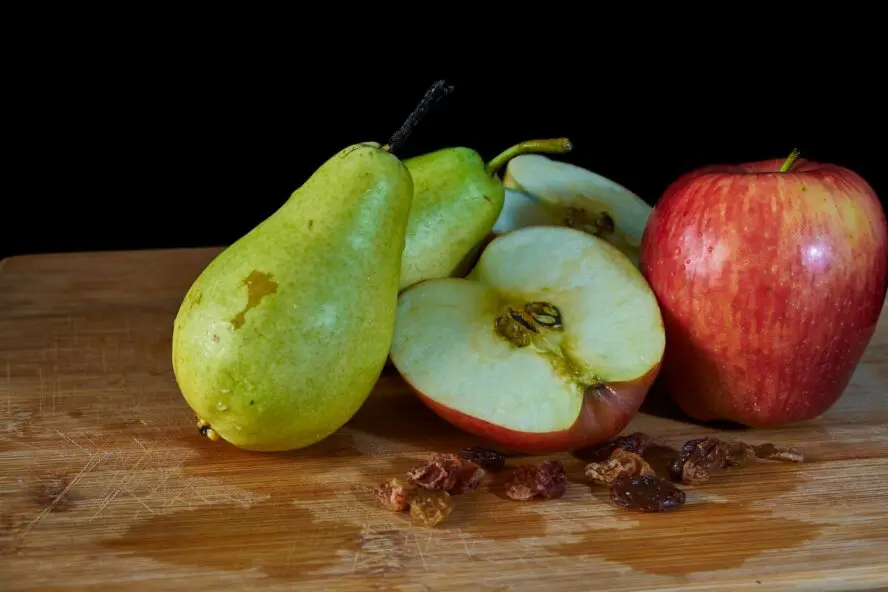
- Apples and Pears: Ranking 8th and 10th respectively on the Dirty Dozen list, these orchard staples are deeply woven into the American diet. According to USDA data, the average American consumes nearly 16 pounds of fresh apples annually. Unfortunately, conventional apples and pears are frequently treated with fungicides such as fludioxonil and pyrimethanil, which have been flagged for endocrine-disrupting properties. Furthermore, roughly two-thirds of non-organic apple samples test positive for diphenylamine, a post-harvest fungicide used to prevent storage scald.
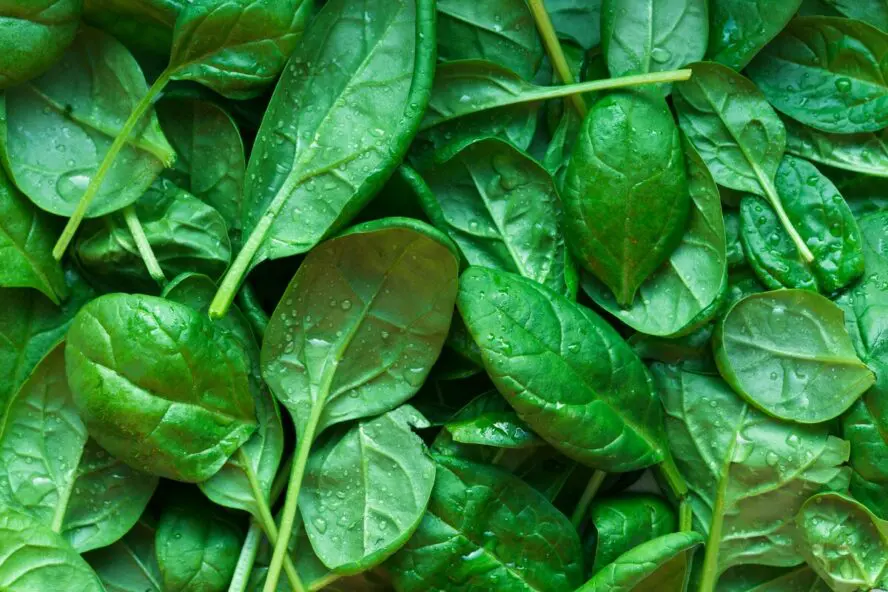
- Spinach and Leafy Greens: Spinach holds the top spot on the Dirty Dozen, containing more pesticide residues by weight than any other type of produce. Conventional spinach samples frequently test positive for permethrin, a neurotoxic insecticide banned on food crops in the EU due to links with childhood ADHD diagnoses. Following closely behind are kale, collard, and mustard greens; nearly 60% of conventional kale samples have tested positive for DCPA, a possible human carcinogen.
- Grapes: Transitioning from late summer into autumn, conventional table grapes rank 4th on the Dirty Dozen. Their thin, porous skins make them highly susceptible to chemical absorption during cultivation.
Fall’s Clean Fifteen: Safe to Buy Conventional
For budget-conscious shoppers, the Clean Fifteen offers welcome relief, highlighting robust produce items that naturally resist pests or require fewer chemical interventions.
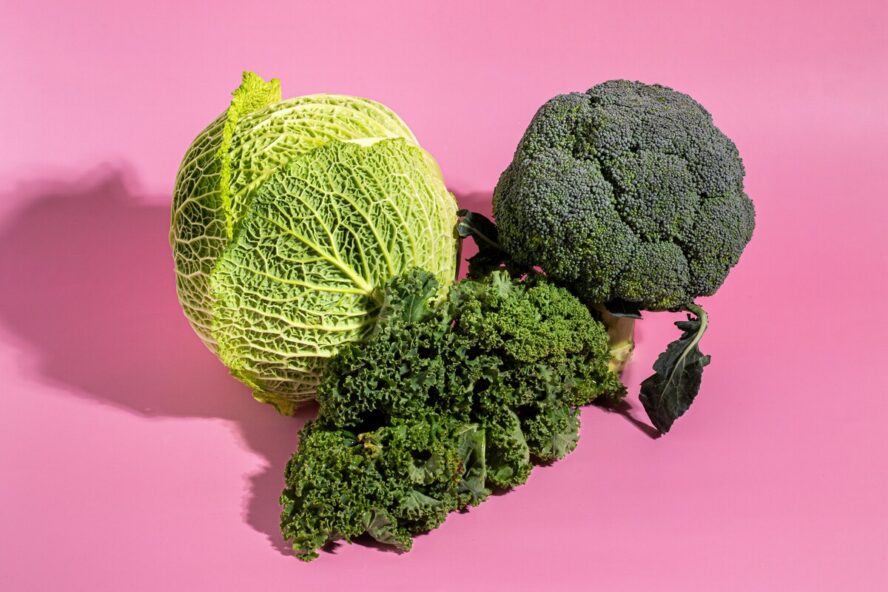
- Cruciferous Vegetables (Cabbage, Cauliflower, and Broccoli): Cabbage and cauliflower capture the 8th and 9th spots on the Clean Fifteen, while broccoli sits just outside at 16th. These powerhouses deliver immense health benefits—including gut-healthy fiber and the cancer-fighting antioxidant sulforaphane—without heavy chemical loads.
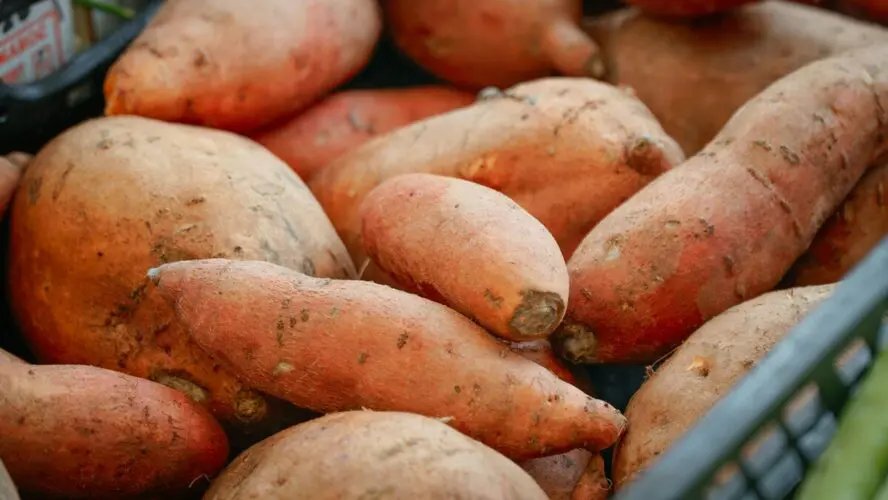
- Sweet Potatoes: A quintessential autumn comfort food, sweet potatoes rank 18th in cleanliness. While they narrowly miss the official Clean Fifteen, they are a remarkably safe conventional buy, especially given that their thick, removable skins act as a natural barrier.
- Mushrooms: Ranking 14th on the Clean Fifteen, versatile ’shrooms offer incredible umami flavor and brain-protective health benefits with minimal pesticide risk.
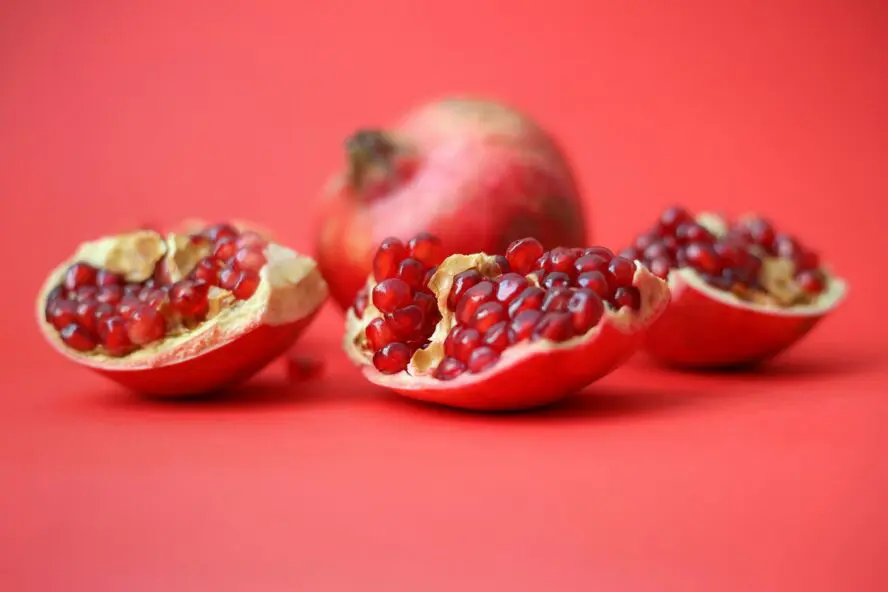
- Pomegranates: Though not explicitly ranked on the list, pomegranates are an inherently safe conventional purchase. Their jewel-toned arils are safely cocooned inside a thick, inedible rind.
Official Responses and Regulatory Disconnects
A persistent point of friction in food safety advocacy is the divergence between U.S. and international regulatory standards. Many chemicals routinely sprayed on American crops have faced strict bans or severe restrictions abroad.
- Diphenylamine (DPA): While the U.S. Environmental Protection Agency (EPA) maintains that DPA levels found on apples pose no risk to human health, European food safety authorities have pushed for tighter restrictions due to potential risks to aquatic life, human fertility, and the formation of potentially carcinogenic nitrosamines.
- DCPA and Permethrin: Chemicals like DCPA (found on kale) and permethrin (found on spinach) have been heavily restricted or outright banned across the European Union for over a decade, yet they remain legal components of conventional farming practices in the United States.
Despite these discrepancies, public health agencies universally agree that the nutritional imperative to consume fruits and vegetables far outweighs the theoretical risks of pesticide ingestion. Consumers are continually advised never to restrict their overall produce intake due to cost or pesticide fear.
Practical Implications for the Consumer
Armed with this data, shoppers can optimize their grocery budgets without compromising their family’s health.
Strategic Budgeting
- Invest in Organic When It Counts: Allocate your organic food budget toward items with thin, edible skins that cannot be peeled—specifically apples, pears, spinach, kale, and grapes.
- Save with Conventional: Feel confident purchasing conventional cruciferous vegetables (broccoli, cauliflower, cabbage), sweet potatoes, mushrooms, and pomegranates.
Proper Produce Preparation
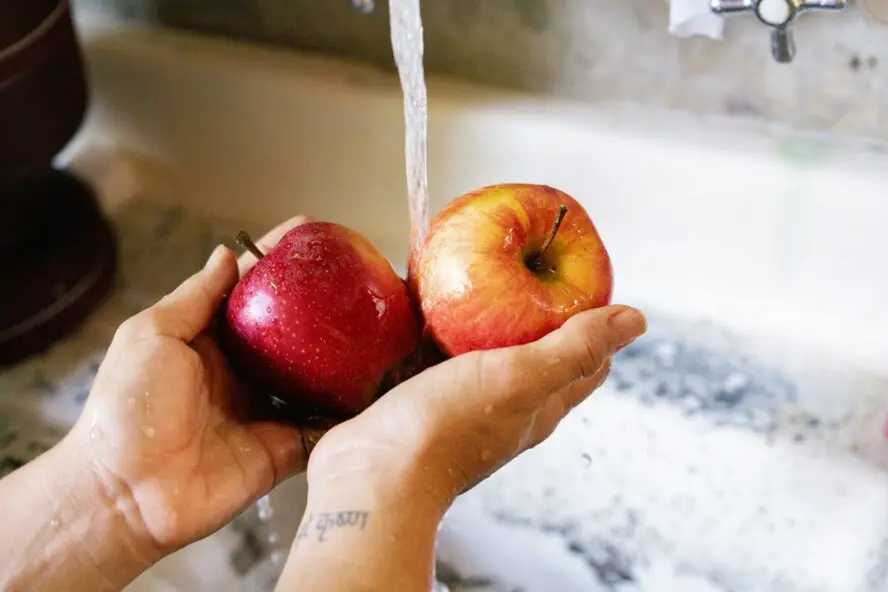
While washing cannot eliminate systemic pesticides absorbed directly into a plant’s vascular system, proper cleaning techniques significantly reduce surface residues and post-harvest waxes:
- Delicate Produce: Rinse items like grapes and berries thoroughly under cold running water.
- Hardy & Waxed Produce: Soak thick-skinned produce (such as apples, pears, and root vegetables) in a mixture of water and white vinegar, followed by a vigorous scrub.
- Understanding Wax: Food-grade wax is legally applied to both conventional and organic apples to lock in moisture and extend shelf life. While harmless to ingest, conventional wax can trap surface pesticide residues, making thorough washing or peeling essential.
Frequently Asked Questions
What is the EWG Dirty Dozen?
Published annually by the Environmental Working Group, the Dirty Dozen is a consumer shopping guide based on USDA and FDA testing data. It identifies conventional produce items carrying the highest concentrations of pesticide residues.
Are conventional apples safe to eat if I wash them?
Yes, but because apples feature thin, edible skins and frequently test positive for fungicides like fludioxonil, health advocates recommend purchasing them organic when possible. If buying conventional, peel the skin or scrub thoroughly.
Do organic apples contain wax?
Yes. Both organic and conventional apples may feature a food-grade wax coating designed to prevent moisture loss and spoilage. This wax is completely non-toxic, though conventional fruit may require a firmer wash to clear surface contaminants.
Are potatoes considered safe to buy conventional?
Unlike sweet potatoes (which are relatively clean), conventional white and red potatoes frequently appear higher on the Dirty Dozen list due to residues like chlorpropham, a sprout inhibitor banned in the EU. Sourcing organic potatoes is generally recommended.
The Bottom Line
As food prices fluctuate, maintaining a rigid 100% organic diet is rarely realistic for the average household. By treating the EWG’s Dirty Dozen and Clean Fifteen as a dynamic roadmap, consumers can strategically invest their grocery dollars where protection matters most—ensuring a healthy, vibrant, and cost-effective autumn harvest.
