Published: September 24, 2026 Author: Wellness & Movement Desk
Main Facts: Integrating Mobility Science into Ancient Practice
For centuries, the foundational philosophy of yoga has instructed practitioners to tune inward. Yogis are routinely guided to first observe the quality and pace of their breath, gradually deepening inhalations and exhalations, before shifting their focus toward internal bodily awareness.
Yet, for many modern practitioners, the directive to "listen to your body" remains frustratingly vague. How, precisely, does one cultivate actionable physical literacy from a silent, internal sensation?
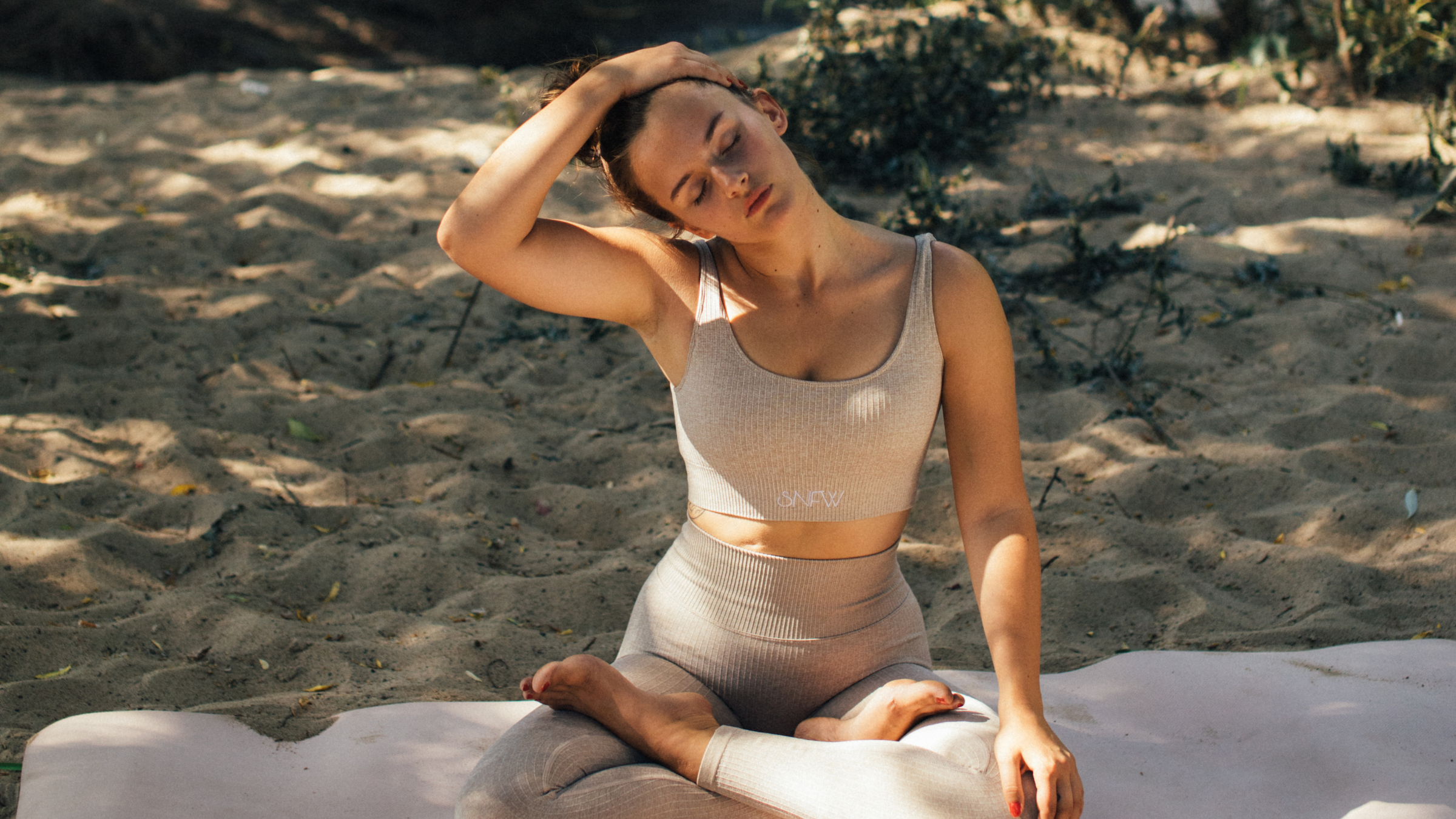
The answer is increasingly being found at the intersection of traditional asana practice and contemporary physical therapy. Many yoga classes naturally begin with intuitive, seemingly simple movements: wrist rotations, hip circles, and neck rolls. These maneuvers do more than just loosen up the body—they warm the joints, preserve range of motion, and enhance neurological feedback loops.
Physical therapists are now taking these preparatory movements a step further by introducing Controlled Articular Rotations (CARs). Originating from the Functional Range Systems (FRS) joint-health training framework, CARs require practitioners to move a specific joint slowly and deliberately through its absolute outer limits of motion, all while actively minimizing movement in the rest of the body.
By marrying the mindfulness of yoga with the clinical precision of CARs, practitioners are finding a tangible bridge between abstract bodily awareness and concrete structural health.
Chronology: The Evolution of "Joint Hygiene" in Western Fitness
Pre-2010s: Traditional yoga practices incorporated circular movements (such as neck rolls and wrist circles) primarily as intuitive warm-ups or transitions between static asanas, with little clinical standardization.
The 2010s: The rise of evidence-based mobility frameworks, notably Functional Range Conditioning (FRC) and Functional Range Systems (FRS), systematized joint health, introducing concepts like CARs to clinical physical therapy and athletic conditioning.
Recent Years: Movement specialists and physical therapists begin identifying the synergies between mobility science and mindful movement practices, noting that yoga’s baseline focus on control and breath makes it an ideal environment for joint-specific training.
September 2026: Wellness frameworks formally spotlight the integration of CARs into foundational yoga postures (such as Child’s Pose, Tabletop, and High Lunge), offering practitioners a structured method to transition from passive stretching to active joint control.
Supporting Data: Understanding Joint Mechanics and "Body Literacy"
Joints are the critical architectural junctures where bones connect, allowing the human body to bend, twist, and rotate. Naturally, as humans age, these connective junctions lose elasticity and accumulate stiffness. Implementing regular "joint hygiene" has emerged as a frontline defense against degenerative stiffness, helping to maintain both mobility and structural resilience.
The Science of Synovial Fluid
When CARs are performed on a daily basis, they serve several vital biological functions:
Baseline Establishment: They provide a daily diagnostic tool, allowing practitioners to instantly gauge how their joints feel and move, making structural asymmetries or sudden changes immediately apparent.
Nutrient Circulation: Controlled movement actively circulates synovial fluid—the viscous, shock-absorbing liquid located inside joint cavities. This fluid not only ensures smooth, friction-free articulation but also delivers essential nutrients to maintain cartilage health.
Neuromuscular Control: By isolating specific joints, CARs stimulate mechanoreceptors, reinforcing the communication pathways between the brain and the articular capsule.
Official Responses and Expert Insights
Movement specialists emphasize that CARs should not be viewed as an intimidating, advanced fitness regime. Instead, they are profoundly accessible tools designed to educate the nervous system.
"CARs are a really low-hanging fruit for a lot of people because they’re highly accessible," says Jen Hosler, a physical therapist and mobility specialist certified through Functional Range Systems. "I like to use it as a body literacy tool for people because everybody tells us to ‘just listen to your body,’ and that advice is good, but nobody teaches you how to actually do it."
Hosler breaks down CARs into three distinct progressive tiers, allowing practitioners to scale the movements according to their physical needs:
Level 1: Unchallenged CARs Example: Freeform wrist circles in the air. This serves as a daily maintenance staple to preserve baseline mobility without external interference.
Level 2: Blocked CARs Example: Utilizing props like a yoga block, foam roller, or the ground to immobilize neighboring joints. This prevents the body from cheating or compensating with other muscle groups, isolating the stretch entirely to the targeted joint to expand active range of motion.
Level 3: Resisted CARs Example: Incorporating light resistance, such as a small dumbbell. This tier is particularly beneficial for hyper-mobile individuals who require extra neural feedback to build neuromuscular control and stability.
Crucially, experts stress that perfection is not the objective. Just as in traditional yoga, CARs are about mindful, consistent execution. The ultimate goal is not necessarily to force a wider range of motion, but to intimately understand, maintain, and command the range you currently possess.
Implications: 5 Ways to Implement CARs in Your Yoga Practice
Before diving into CARs, physical therapists note that mild, painless clicking or popping can be normal, particularly for beginners. However, if you experience sharp pinching, compression, or instability, practitioners should scale down the diameter of the movement or seek professional guidance.
Here are five clinical ways to weave CARs directly into standard yoga asanas, turning familiar postures into clinics for joint health:
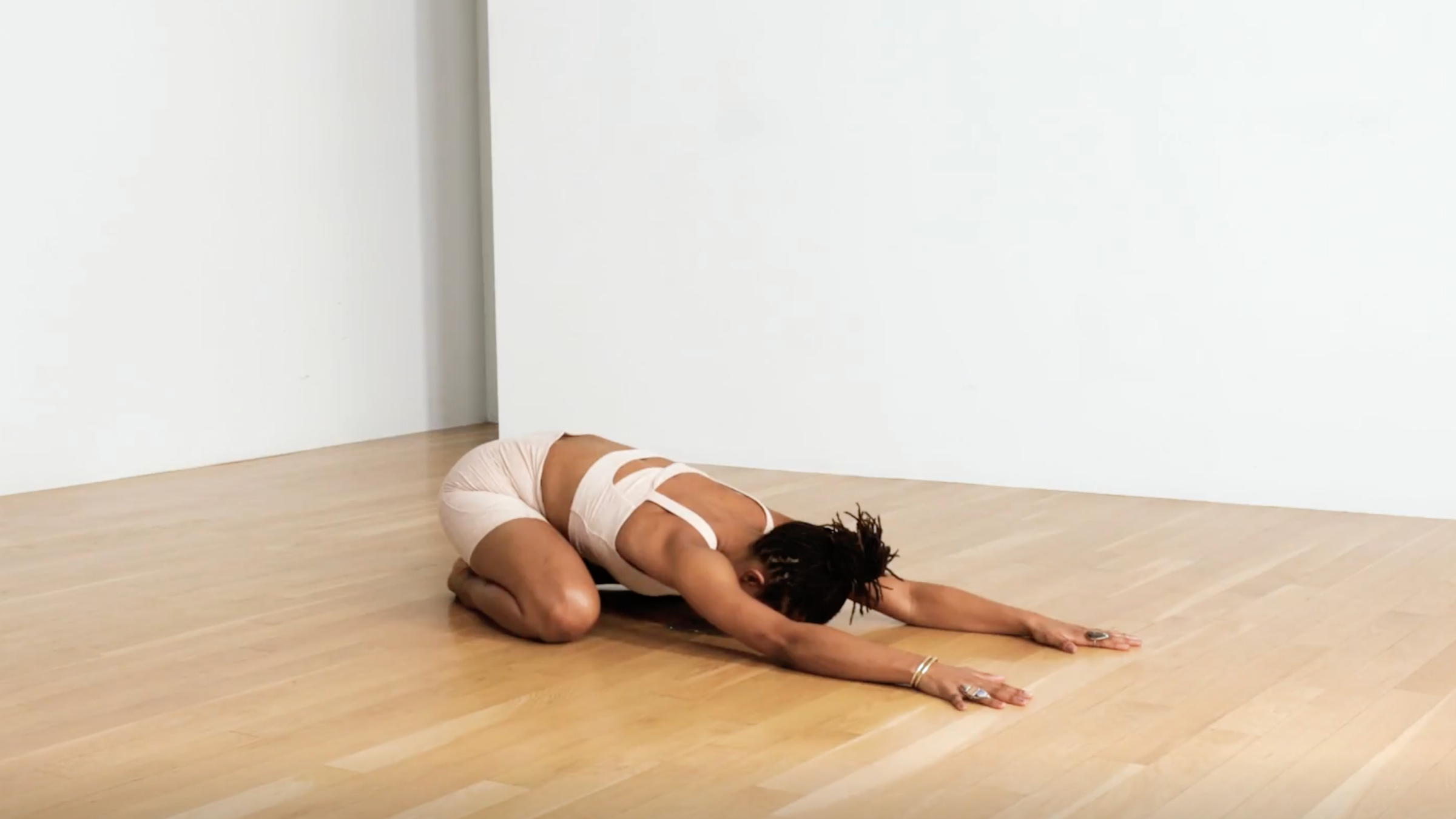
1. Shoulder Circles in Child’s Pose (Balasana)
Child’s Pose is already a restorative sanctuary, but its flat-to-the-mat geometry makes it an ideal environment to isolate the shoulder joint. The shape of the pose inherently limits compensation from the thoracic spine.
How to: Begin with your forehead resting on the mat. Push gently against the floor with your left hand to stabilize your upper back. Slowly lift your right arm off the mat, sweep it out to the side, and rotate it behind you so that your elbow points toward the ceiling. Reverse the motion and complete several repetitions before switching sides.
2. Hip Circles in Tabletop Pose
Tabletop is a familiar transition point for Cat-Cow sequences, but it doubles as a prime laboratory for hip articulation.
How to: Ground down firmly through both hands and knees. Draw your right knee toward your chest. Keeping your navel squared toward the mat, open your right knee out to the side (abduction). Continue rotating the femur as you reach your foot back and up, as though pressing your sole against the ceiling. Draw the knee back to the center and reverse the pathway. Repeat on both sides.
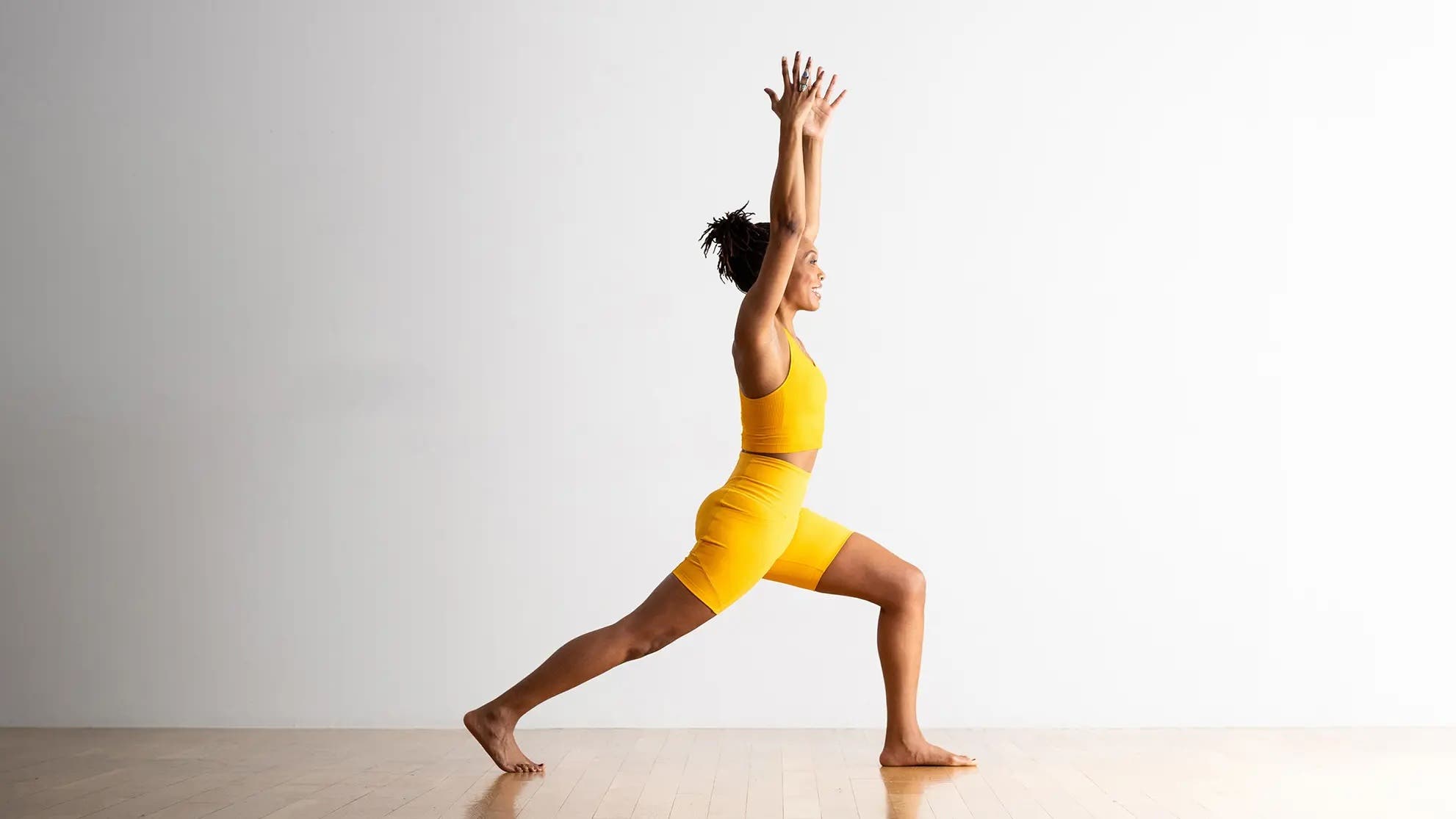
3. Wrist Circles in High Lunge
Arm balances and handstands place immense pressure on the wrists, making preventative mobility non-negotiable.
How to: From a stable High Lunge, extend your arms forward parallel to the shoulders. Begin rotating one wrist, guiding the hand through flexion, lateral deviation, and extension. Keep the forearm completely still (you can use your opposite hand to clamp the forearm if needed). Experiment with forming a loose fist versus spreading your fingers wide to discover what yields the best internal feedback.
4. Ankle Circles in Half Split (Ardha Hanumanasana)
Yoga frequently tests foot dorsiflexion and plantarflexion, but true joint freedom requires exploring circular multi-planar mobility.
How to: From a Half Split posture, extend one leg forward with the heel grounded, utilizing yoga blocks under your hands for support. Flex your foot by pulling toes toward your shin, roll the foot outward and down (inversion/eversion), and point your toes away from you before pulling them back up to a neutral position. Keep the heel anchored throughout.
5. Knee CARs in Heron Pose (Krounchasana)
While full Heron Pose demands intense hamstring flexibility, a modified, bent-knee variation offers a safe space to explore internal and external tibial rotation.
How to: Sit tall with a supportive forearm hugged beneath your left knee, or clasp your hands securely behind your thigh to lock the hip in place. With the leg elevated off the floor and the ankle locked stable, externally rotate your shin, extend the leg upward, internally rotate the shin, and lower it back down. Placing a hand directly over the kneecap can help you tactilely confirm that the rotation is happening at the knee joint rather than tricking the ankle.
By bridging the gap between clinical mobility science and mindful asana, practitioners can move past vague cues of "body listening" and step onto the mat with unprecedented physical clarity, control, and longevity.