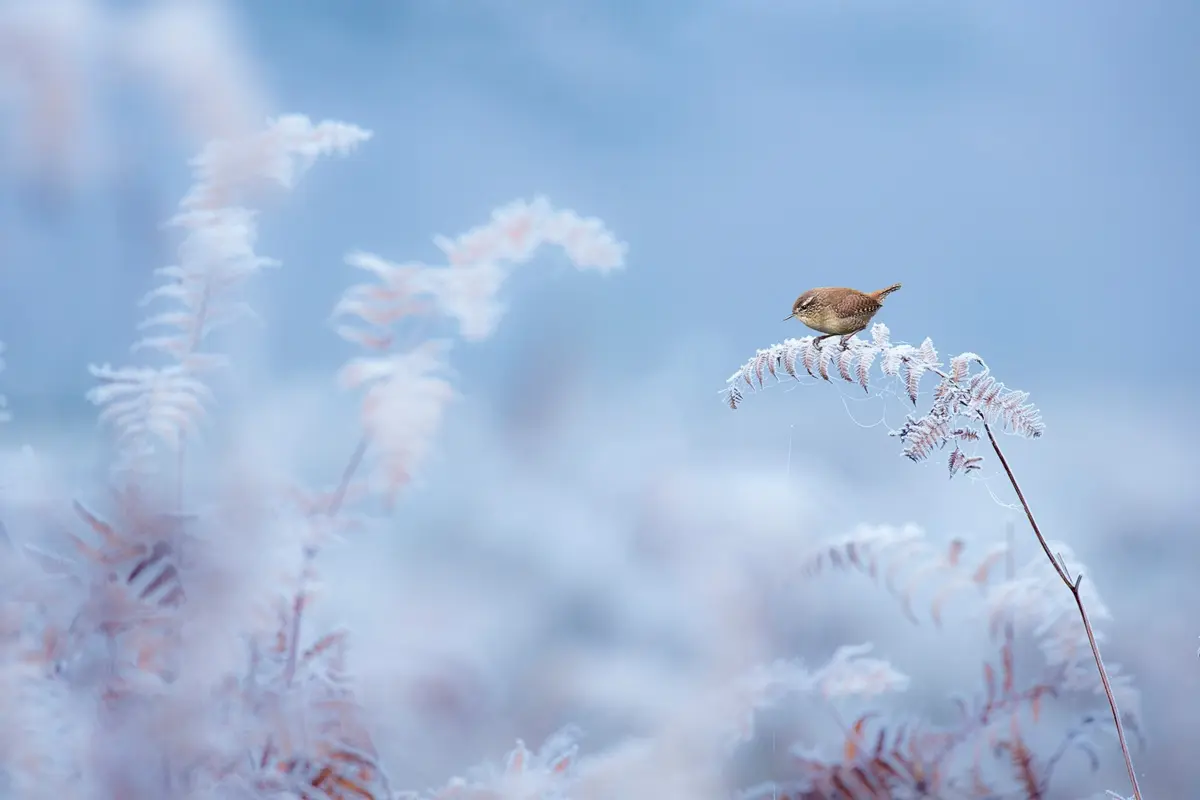
To the casual observer, the blur of feathers darting between a backyard feeder and a nearby hedgerow is simply part of the background hum of nature. To the wildlife photographer, however, that flash of yellow and black is a passerine—a member of the order Passeriformes, representing the largest and most ecologically diverse group of birds on Earth. Comprising over half of all known avian species, passerines (commonly known as perching birds) are ubiquitous inhabitants of gardens, dense woodlands, and open fields across the globe.
Defined anatomically by a unique anisodactyl toe arrangement—three digits pointing forward and one backward—these agile creatures possess a gripping mechanism that allows them to lock onto twigs, branches, and artificial perches with effortless precision. From the striking crimson flash of an iconic European robin to the electric yellow of a goldfinch, passerines include familiar families such as sparrows, tits, finches, warblers, and swallows.
Yet, their modest physical dimensions and erratic, lightning-fast movements present a notoriously steep technical challenge for photographers. Despite these hurdles, passerines remain the most accessible and rewarding subjects for both novice shooters and seasoned wildlife professionals alike. Because they readily adapt to human-modified landscapes and frequent backyard feeding stations, they offer an unrivaled gateway into the intricate art of bird photography.
Chronology: The Fieldcraft Roadmap from Setup to Capture
Successfully photographing passerines is rarely a matter of luck; it is the culmination of a deliberate, step-by-step fieldcraft process. Understanding the temporal flow of preparing a shooting site—from initial observation to the final burst of the shutter—is vital for consistent results.
Phase 1: Observation and Identification (Weeks 1–2)
Before lifting a camera, the photographer must become a naturalist. Passerines are intensely vocal creatures, and mastering the art of identifying birds by song is the first milestone. When visual confirmation is impossible due to dense foliage, audio cues reveal who is present. During this initial phase, the photographer spends hours simply sitting quietly, noting flight paths, preferred perches, and feeding schedules.
Phase 2: Site Architecture and Feeding Stations (Weeks 3–4)
Once the behavioral patterns are understood, the photographer establishes a controlled environment. Setting up a feeding station—stocked with high-energy foods like sunflower seeds, nyjer, and mealworms—draws the birds in. Concurrently, a water source, such as a reflection pool, is integrated into the layout. Crucially, natural perches (such as lichen-encrusted branches or spring blossoms) are strategically mounted near the feeders to entice the birds into ideal compositions before they reach the food.
Phase 3: Technical Calibration and Concealment (The Shoot Day)
On the day of the shoot, the photographer selects their position, often utilizing a portable hide or camouflage netting to eliminate human disturbance. Camera settings are locked in ahead of time: shutter speeds are driven past 1/1000th of a second, continuous autofocus (AF-C) is engaged, and the aperture is set to isolate the subject.
Phase 4: Anticipation and Execution
With the technical parameters met, the photographer shifts into a state of active patience. By watching the body language of incoming birds—such as a slight lowering of the head or a tensing of the legs—the photographer anticipates the exact moment of takeoff, landing, or inter-species squabbling, firing high-speed bursts to capture fleeting avian behaviors.
Supporting Data: Technical Parameters for Passerine Photography
Capturing the dynamic energy of a creature that weighs mere grams requires strict adherence to precise photographic physics. Below is a breakdown of the essential technical data required to turn a fleeting blur into a tack-sharp gallery piece.
Parameter
Recommended Setting
Purpose
Shutter Speed (Perched)
$ge 1/1000texts$
Freezes minor head tilts, preening, and sudden shifts in posture.
Shutter Speed (In Flight)
$ge 1/2500texts$
Stops hyper-fast wing beats during takeoffs, landings, and aerial disputes.
Aperture (Portraits)
$f/2.8 text to f/5.6$
Creates a shallow depth of field, rendering distant backgrounds into soft, creamy bokeh.
Aperture (Multi-Bird/Action)
$f/8 text to f/11$
Increases depth of field to ensure multiple competing birds remain in sharp focus.
ISO Range
Auto / Variable (High)
Prioritizes a fast shutter speed over a noise-free image; digital noise is preferable to motion blur.
Autofocus Mode
Continuous (AI Servo / AF-C)
Tracks erratic movement across the frame; backed up by eye-detection algorithms where available.
Focal Length
$300textmm text to 600textmm+$
Provides necessary reach from a distance or hide, with longer focal lengths enhancing background blur.
Expert Perspectives: Fieldcraft and Ethical Considerations
Professional wildlife photographers emphasize that mastering gear is only half the battle. Fieldcraft—the art of moving unseen and understanding animal psychology—separates a sterile snapshot from an emotive wildlife portrait.
Renowned conservation photographers note that patience must be paired with strict ethical guidelines, particularly during sensitive periods like the breeding season. While garden feeders and water pools provide ethical, supplemental support during harsh winter months, active nesting sites require extreme caution.
"When photographing passerines during the spring parenting cycle, your presence must never alter the natural provisioning routines of the adults," seasoned wildlife practitioners advise. "If a bird halts its feeding behavior or alarm-calls persistently, you have crossed a boundary. The welfare of the subject always supersedes the frame."
Furthermore, environmental integration is paramount. Experts caution against artificial, overly manicured setups that scream "studio." By utilizing locally sourced, native perches adorned with natural moss, lichen, or seasonal flora, photographers ensure that the resulting images reflect the authentic habitat of the species. Careful management of background elements—leveraging distant foliage and natural shadow play—creates dramatic contrast without resorting to digital manipulation.
Implications: The Conservation Value of Backyard Birding
While the immediate goal of setting up a backyard feeding station or a reflection pool is artistic gratification, the broader implications of passerine photography extend deep into citizen science and ecological conservation.
As urban sprawl encroaches upon natural green spaces, backyard habitats are increasingly serving as vital ecological refuges for declining migratory and resident passerine populations. Photographers who spend hours observing local bird populations often become the first line of defense in noticing population shifts, disease outbreaks (such as those mitigated by regular feeder hygiene), or the arrival of invasive species.
Moreover, sharing compelling, intimate portraits of ordinary garden birds—from the humble house sparrow to the vibrant goldfinch—fosters a deeper public appreciation for local biodiversity. In an era where global conservation narratives often focus on charismatic megafauna in distant, exotic locales, passerine photography brings the wonder of the natural world directly to our doorsteps. It proves that profound ecological beauty can be found just outside the kitchen window, provided one has the patience to look, listen, and learn.