

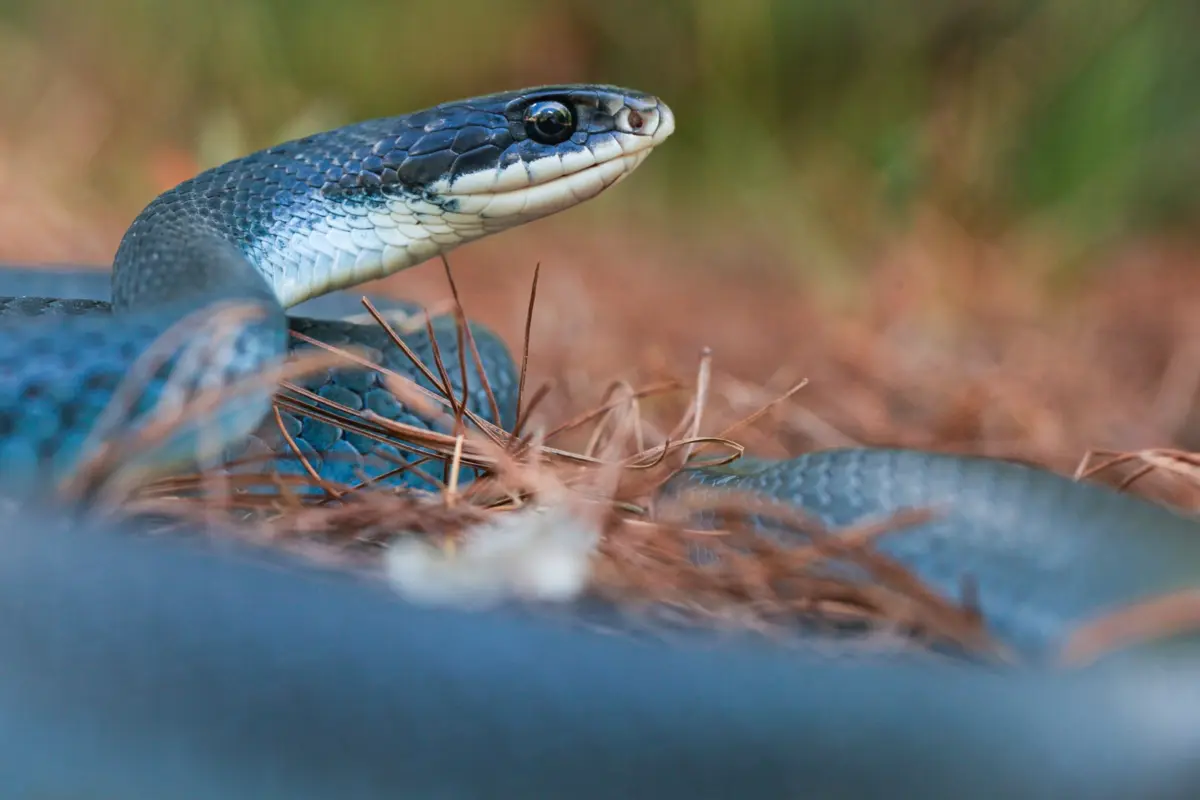
LONDON — For generations, wildlife photography has been dominated by the grandiose. Photographers equipped with massive telephoto lenses chase apex predators across the African savanna or frame soaring eagles against alpine horizons. Yet, a quiet revolution is taking place on the forest floor, in backyard ponds, and underneath decaying logs. Macro wildlife photography—once considered a niche hobby—is capturing the imagination of visual artists worldwide by turning its lens toward the extraordinary micro-universe that exists right beneath our feet.
While traditional macro portfolios are saturated with colorful flowers and busy insects, a new wave of photographers and conservationists are looking beyond the conventional. By shifting focus toward reptiles, amphibians, mammals, marine life, and fungi, practitioners of this exacting discipline are revealing hidden textures, intricate patterns, and behavioral nuances that challenge how humanity perceives the natural world.
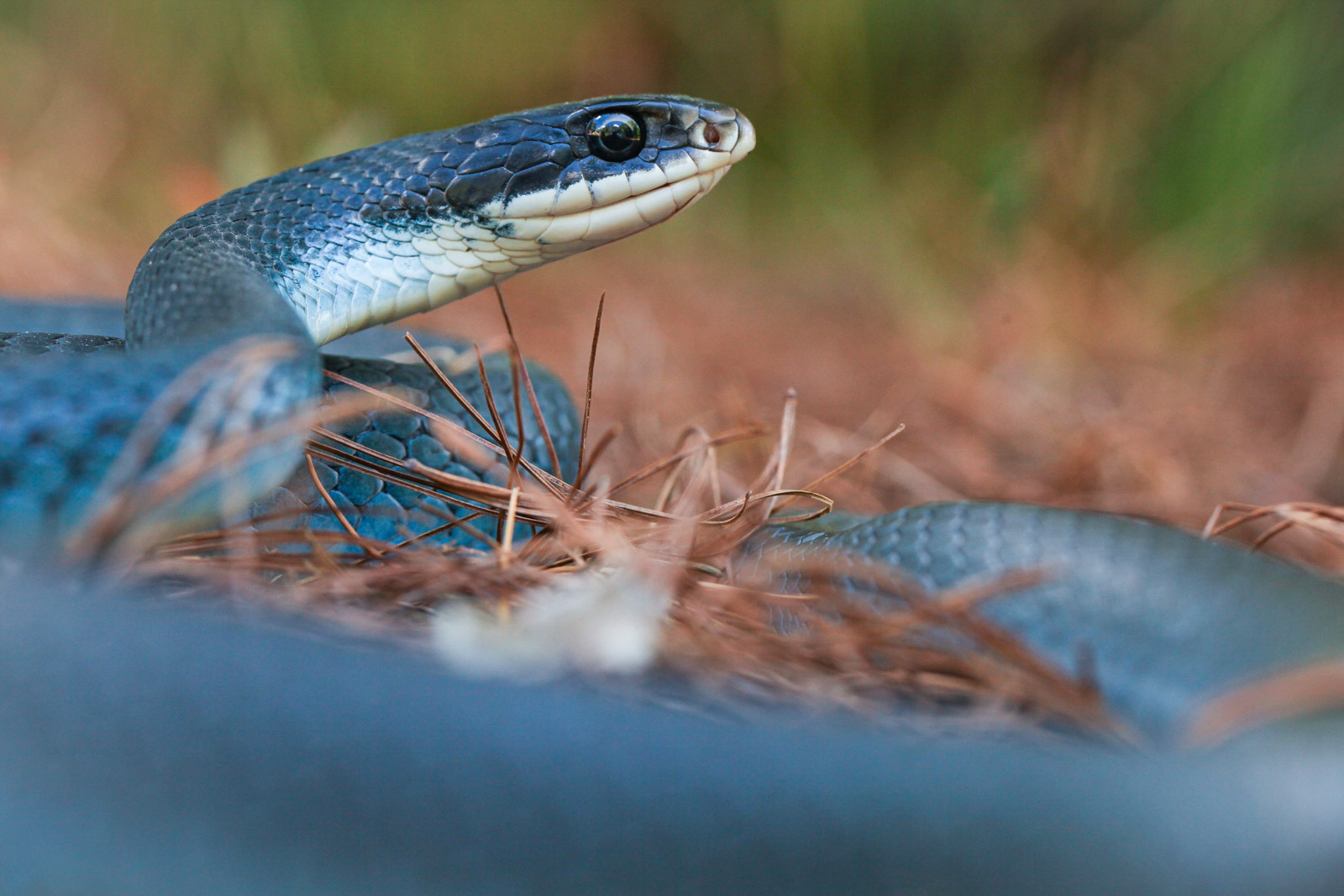
Main Facts: Redefining the Boundaries of Close-Up Imagery
At its core, macro wildlife photography involves shooting subjects at a 1:1 reproduction ratio (or greater), making small elements appear life-size or larger on a camera sensor. Traditionally, enthusiasts leaned heavily on garden bugs and vibrant petals. However, industry data from nature photography platforms indicates a significant surge in interest toward non-insect alternatives.
The primary catalysts for this shift include:

- Technological Accessibility: Modern mirrorless camera bodies, advanced image stabilization, and affordable third-party macro lenses or extension tubes have lowered the barrier to entry.
- The Search for Originality: In an era of digital saturation, photographers are seeking unique subjects to stand out in competitive galleries and social media algorithms.
- Ecological Proximity: Many overlooked macro subjects—such as localized fungi, amphibians, and reptiles—can be found in urban parks and backyards, minimizing the need for costly international travel.
Experts emphasize that this genre is not merely about magnification; it is about storytelling. A single close-up of a viper’s iridescent scales or the intricate webbed foot of a tree frog offers an intimate glimpse into evolutionary adaptations that naked-eye observation entirely misses.
Chronology: From Scientific Curiosity to Creative Art Form
The evolution of macro photography mirrors the rapid advancement of optical engineering and digital imaging technology over the past century.

The Mid-to-Late 20th Century: The Entomological Era
Historically, macro photography was closely tied to science and education. Entomologists and botanists utilized specialized bellows systems and heavy studio flashes to document specimen morphology. During this period, artistic considerations were secondary to scientific accuracy.
The Digital Turn (2000s–2010s)
The advent of digital single-lens reflex (DSLR) cameras democratized the medium. Photographers no longer had to worry about the prohibitive cost of film and chemical development. Dedicated macro lenses (such as the classic 100mm and 105mm primes) became standard kit items, and online forums allowed hobbyists to share field techniques for hand-holding macro rigs and building DIY flash diffusers.

The Modern Movement (2020s–Present)
Today, macro wildlife photography has evolved into a celebrated fine-art and conservation medium. The focus has expanded dramatically. Instead of merely photographing a generic bee on a daisy, contemporary macro artists actively hunt for structural textures, low-key lighting opportunities, and complex behavioral interactions among overlooked fauna—ranging from tide-pool nudibranchs to the multi-textured caps of woodland fungi.
Supporting Data: Essential Gear and Technical Specifications
Mastering macro photography of non-insect subjects requires a deliberate approach to equipment selection. Because depth of field shrinks dramatically at high magnification ratios, technical precision is paramount.

1. Macro-Capable Lenses
While dedicated 90mm to 105mm macro lenses remain the gold standard for working distance and sharpness, beginners often utilize budget-friendly alternatives:
- Extension Tubes: Hollow rings placed between the camera body and standard lens that reduce the minimum focus distance.
- Close-Up Diopters: Screw-on filters that magnify the subject without significant light loss.
2. Lighting and Diffusion Systems
Natural light is rarely sufficient at high magnifications due to the need for narrow apertures (f/8 to f/16) to maintain an acceptable depth of field.

- Off-Camera Flash: Moving the light source away from the hot-shoe allows for directional modeling, creating dramatic side-lighting and low-key silhouettes.
- Softboxes and Diffusers: Essential for wrapping harsh flash illumination around reflective surfaces, such as wet amphibian skin or glistening reptile scales.
3. Field Stabilization Techniques
Unlike landscape photography, where heavy carbon-fiber tripods dominate, small-subject macro wildlife photography demands agility. Photographers often favor handheld setups with a body-mounted flash, utilizing beanbags or flexible ground pods when tracking low-dwelling reptiles or forest-floor fungi.
Official Responses and Expert Insights: The Ethics of Close-Up Encounters
As macro photography grows in popularity, conservationists and professional nature photographers are increasingly vocal about ethical standards. Getting inches away from a wild animal carries inherent risks of stress and habitat disruption.

"No photograph is ever worth compromising the welfare of a living creature," notes a leading wildlife conservation advisory. "When you enter the macro world, you are entering the animal’s immediate sanctuary. Minimizing disturbance must always supersede the desire for a clean frame."
Ethical guidelines endorsed by professional associations emphasize several key protocols:

- Understanding the Species: Photographers are urged to research local field guides before venturing out. Knowing whether a reptile is venomous, gravid (egg-bearing), or protected ensures both human safety and animal welfare.
- Stress Recognition: Animals displaying defensive postures, rapid respiration, or attempts to flee should never be forced or manipulated for composition.
- Habitat Integrity: Moving rocks, logs, or vegetation to clear a shot can destroy delicate micro-habitats for invertebrates and fungi. Ethical practitioners practice "leave no trace" principles rigorously.
Implications: Changing How Society Views the Micro-Cosm
The cultural and environmental implications of the macro photography movement extend far beyond aesthetic appreciation. By bringing microscopic details into sharp, high-resolution focus, photographers are fostering a broader empathy for ecosystems that are frequently ignored or systematically destroyed by urban expansion.
When the general public is exposed to the haunting, alien beauty of a jumping spider’s face, the iridescent armor of a ground beetle, or the intricate gills of a woodland mushroom, psychological barriers break down. Creatures that might otherwise provoke fear or indifference are suddenly recognized as sentient, vital parts of a complex biological web.

Furthermore, macro photography serves as a powerful tool for citizen science. Amateur photographers regularly document rare morphs, undocumented behavioral traits, and shifting ranges of small invertebrates and amphibians, providing valuable data points for researchers tracking biodiversity loss in changing climates.
Looking Forward
For those willing to step off the beaten path of traditional wildlife viewing, the macro realm offers an inexhaustible frontier. Whether exploring a sun-drenched garden wall, a damp rainforest floor, or a tidal rock pool, the message to photographers is clear: look closer. The most compelling stories in the natural world are often written on a scale too small for the naked eye.
