

By Investigative Staff
If you are paying a premium for honey bearing the coveted USDA organic seal, convinced you are supporting chemical-free agriculture and protecting vital pollinator populations, you might want to check the country of origin. A high-stakes lawsuit filed on behalf of American honey producers alleges that a regulatory loophole is allowing massive quantities of imported honey—particularly from Brazil—to wear organic labels while skirting the rigorous verification standards required of domestic farmers.
The legal action, spearheaded by organic farmer, activist, and attorney Bruce Kaser, brings to light a vulnerability in federal oversight that critics say defrauds consumers, undercuts local apiarists, and exposes a glaring blind spot in global food trade integrity.
Main Facts: The Allegations and the Loophole
At the heart of the litigation is a fundamental disparity in how organic certification is achieved and monitored for domestic versus international producers.
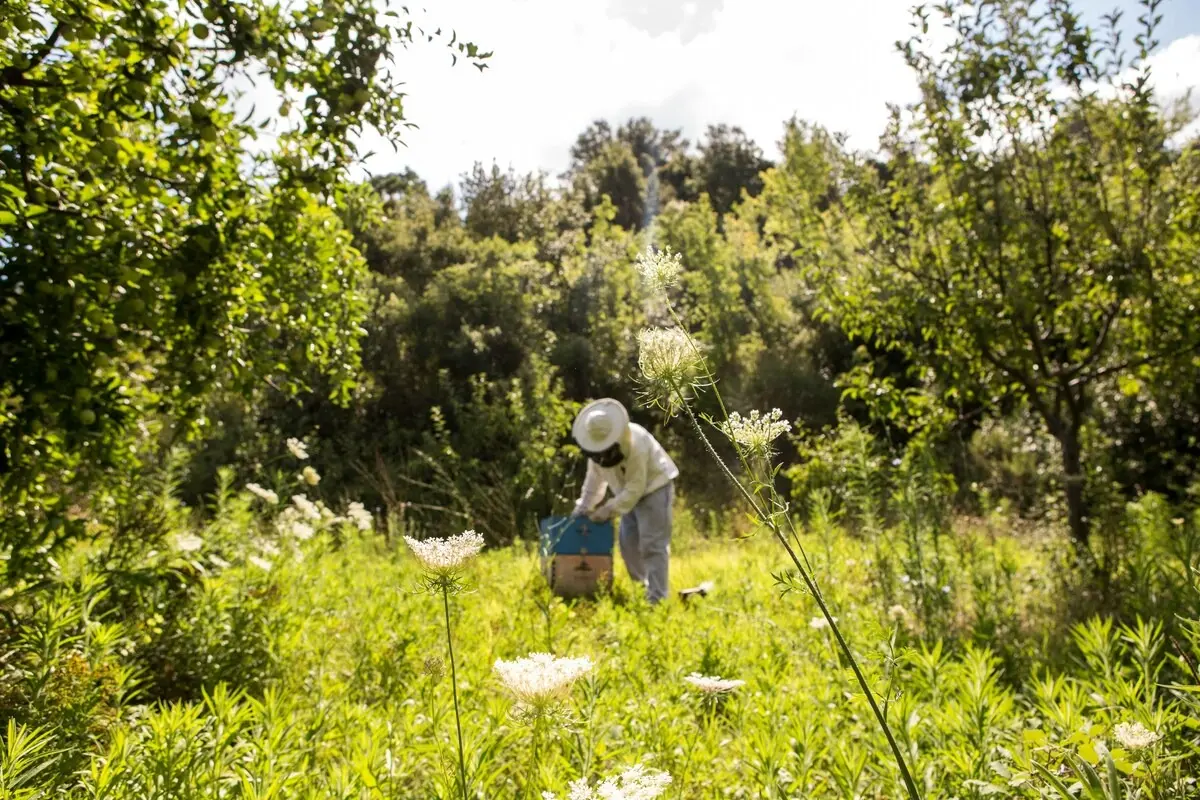
When a farmer or beekeeper within the United States seeks USDA organic certification, they must endure a stringent, multi-step process. This includes exhaustive documentation of their land use, adherence to strict environmental buffers (such as maintaining a 10-square-mile radius free of synthetic agrichemicals around beehives), and mandatory annual on-premises inspections conducted by accredited third-party certifiers.
However, foreign honey producers operating under equivalency arrangements—most notably through agreements tied to Canadian organic standards—face a vastly different regulatory pathway. According to the lawsuit, imported honey, especially from South America, can enter the U.S. market labeled as organic without undergoing the same direct, rigorous on-site inspections required of American producers.
This creates a loophole of profound proportions. Brazil, which supplies a substantial portion of the honey imported into the United States, is one of the world’s largest consumers of agricultural pesticides. Environmental and agricultural policy studies highlight that intensive conventional farming practices are widespread in the country, driven by a regulatory environment historically permissive of major agribusiness interests.
Critics argue that placing an organic label on honey harvested from environments adjacent to heavy pesticide use fundamentally violates the spirit and letter of the USDA organic promise. "U.S. consumers who rely on the USDA organic seal to guarantee honey is produced by bees feeding in an agrichemical-free environment are being defrauded," states Kaser.
Chronology: How the Import Crisis and Honey Fraud Unfolded
To understand how the current legal battle materialized, it is necessary to examine the timeline of shifting global trade patterns and historical precedents in food fraud.
- The Globalization of Honey (Early 2000s–2010s): As domestic demand for honey outpaced local production, the U.S. increasingly turned to international markets. Today, approximately 80% of all honey consumed in the United States is imported. South America, specifically nations like Brazil and Argentina, emerged as major exporting powerhouses.
- The 2017 Organic Grain Scandal: The vulnerability of the U.S. organic import system was starkly illustrated in 2017 when an explosive Washington Post investigation revealed that millions of pounds of conventional grain shipped from Eastern Europe were being fraudulently rebranded as "organic" upon reaching the United States. This scandal proved that foreign equivalency frameworks could be exploited on a massive scale, planting the seeds of skepticism regarding imported organic goods.
- 2021–2022 European Union Honey Crackdown: Global honey integrity faced another major blow when a comprehensive EU-wide investigation revealed that nearly half of all honey imported into the bloc between 2021 and 2022 was adulterated with cheap rice or corn syrups.
- April 2024 FDA Findings: The U.S. Food and Drug Administration stepped up domestic surveillance, releasing findings that approximately 4% of tested honey samples in the U.S. marketplace contained unauthorized, cheaper nutritive sweeteners.
- The Present Lawsuit: Frustrated by unchecked foreign imports eroding domestic market share and consumer trust, American honey producers—represented by attorney Bruce Kaser—filed the current lawsuit to challenge the legality of imported organic honey certification pathways and demand stricter enforcement of federal standards.
Supporting Data: The Scale of Adulteration and Environmental Realities
The legal challenge is supported by a growing body of scientific literature and trade data that paints a troubling picture of the global honey supply chain.
1. Pesticide Prevalence in Exporting Nations
According to a 2023 study published in Hygiene and Environmental Advances, Brazil’s agricultural sector relies heavily on synthetic pesticides, driven by systemic regulatory leniency toward large-scale industrial farming. Because honeybees forage over a radius of several miles, hives placed near these intensive agricultural zones are at high risk of collecting nectar and pollen tainted with chemical residues. The U.S. standard of a 10-square-mile buffer is virtually impossible to verify or enforce under current foreign equivalency frameworks.
2. Widspread Economic Adulteration
Data compiled by the Journal of Food Protection indicates that honey has become one of the most frequently adulterated food products globally. Driven by high profit margins and surging consumer demand for specialty products like Manuka honey—frequently lauded for its antibacterial properties, immune support, and digestive benefits—unscrupulous actors routinely dilute pure honey with low-cost syrups.
3. Health Implications of Fake Sweeteners
While natural, raw honey has been linked to numerous health benefits—including improved cholesterol profiles, reduced seasonal allergy symptoms, and better metabolic markers when consumed in moderation—adulterated products carry hidden risks. A 2020 review published in the journal Foods revealed that honeys spiked with corn or rice syrups cause sharper spikes in blood glucose levels than authentic honey. Over time, regular consumption of these hidden sugars can elevate the risk of metabolic dysfunction and type 2 diabetes.
Official Responses and Stakeholder Perspectives
As the lawsuit moves forward, reaction from various sectors of the agricultural and regulatory communities highlights a deep ideological divide over trade agreements and food safety enforcement.
Domestic beekeeping associations and independent organic advocates have rallied behind the lawsuit, arguing that the current system creates an unfair playing field. American apiarists who invest heavily in land stewardship, compliance, and strict buffer zones find themselves undercut by low-priced foreign imports that bear the exact same certification seal but do not bear the same operational costs.
Conversely, importers and proponents of international trade equivalency agreements defend the existing frameworks, asserting that third-party verification bodies abroad maintain rigorous oversight. They argue that dismantling or over-complicating equivalency agreements could disrupt international supply chains and drive up consumer prices at a time of broader economic inflation.
Federal regulators have faced mounting pressure from lawmakers and consumer advocacy groups to tighten inspection protocols. However, the sheer volume of imported food—with the U.S. importing the vast majority of its honey supply—makes physical, on-the-ground verification of every foreign apiary a logistical mountain to climb.
Implications: What This Means for Consumers and the Future of Honey
The fallout from this lawsuit extends far beyond the courtroom, touching upon consumer rights, public health, and the economic viability of domestic agriculture.
1. The Erosion of Consumer Trust
The USDA organic seal was created to establish a gold standard of trust between farmers and consumers. When cracks appear in this system—whether through grain laundering or questionable honey certifications—public faith in food labeling systems diminishes. Consumers who pay upwards of double the price for organic goods expect absolute environmental integrity. If those expectations are betrayed, market demand for organic products as a whole could suffer.
2. Economic Survival of American Apiarists
Domestic beekeepers are already battling numerous ecological stressors, including colony collapse disorder, habitat loss, and climate change. Facing an influx of cheaper, potentially non-compliant foreign honey labeled with the same organic credentials threatens to drive local, sustainable honey producers out of business. Without viable economic pathways, the decline of local beekeeping could have devastating ripple effects on regional crop pollination.

3. How Consumers Can Protect Themselves
In light of ongoing legal battles and documented fraud in the global honey market, experts recommend several actionable strategies for consumers seeking authentic, high-quality honey:
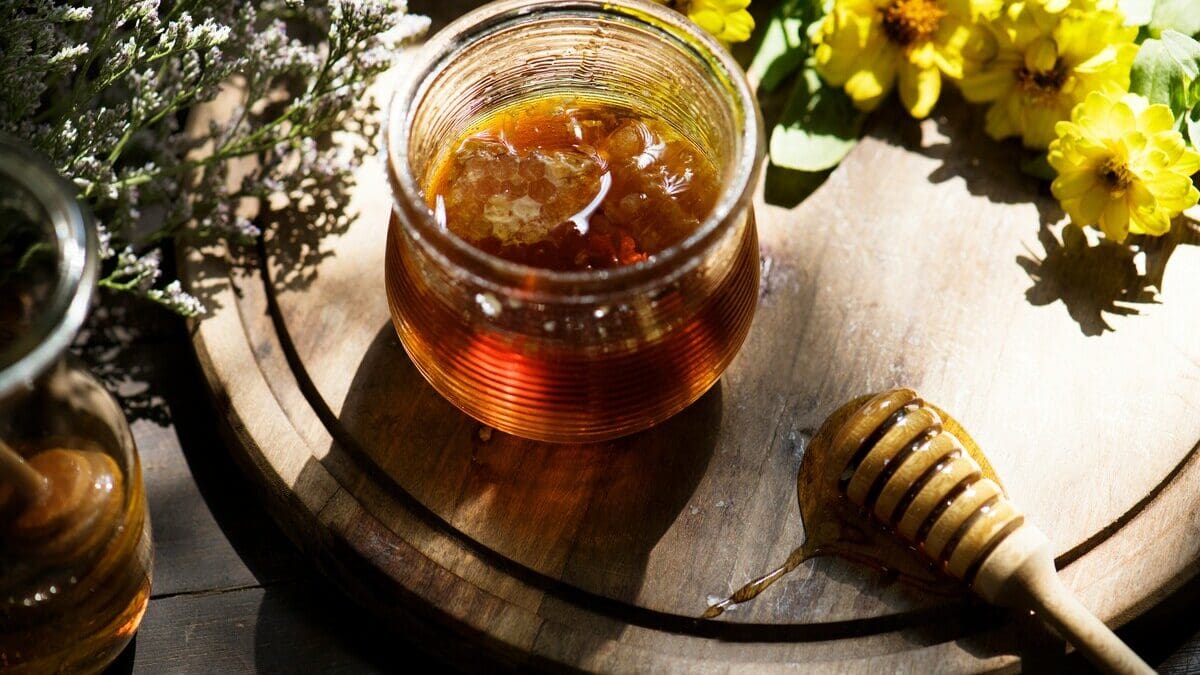
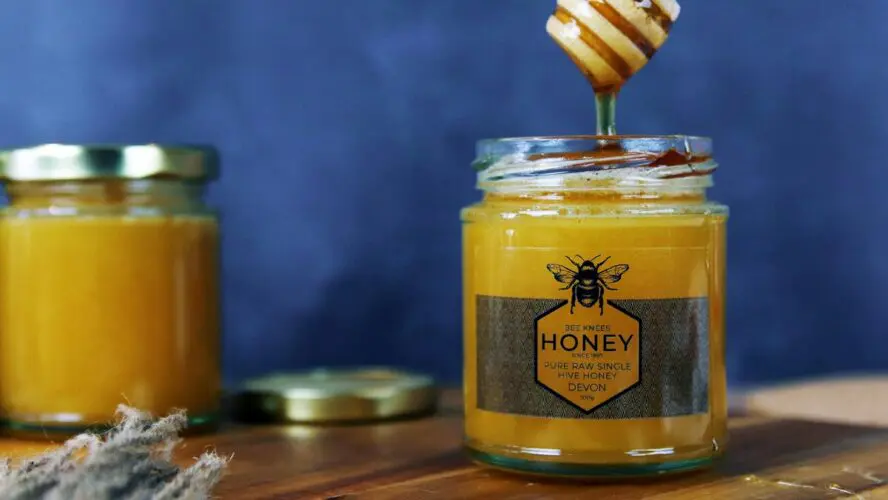
- Buy Local and Raw: Seek out local beekeepers at farmers’ markets or through regional agricultural co-ops. Local, raw, and unfiltered honey is far more likely to be genuinely pure and contains beneficial local pollens that may assist with seasonal allergies.
- Inspect the Texture: Real, raw honey naturally crystallizes over time and often appears cloudy. This cloudiness is a sign of microscopic pollen particles, which contribute to the honey’s complex flavor profile and polyphenol content.
- Research Brand Transparency: If purchasing from larger retail outlets, look for brands that voluntarily subject their supply chains to rigorous third-party purity testing. Companies that openly publish their testing methodologies offer a higher degree of consumer accountability.
- Verify Domestic Organic Sourcing: When buying certified organic honey at the supermarket, check the label to ensure it originates from the United States, where producers are subject to direct USDA-accredited annual inspections.
As the lawsuit progresses through the legal system, it serves as a stark reminder that the journey from beehive to breakfast table is complex—and that maintaining the integrity of our food supply requires constant vigilance, transparent labeling, and uncompromising enforcement of agricultural standards.
