

Main Facts
In the competitive and visually demanding realm of nature photography, few transitions are as compelling as that of South African-born, UK-based wildlife photographer Victor Soares. Spanning a dedicated 20-year journey, Soares’s trajectory encapsulates the shift from amateur holiday shooter to fully fledged professional. Recognized internationally—including a finalist placement in the prestigious Natural History Museum’s Wildlife Photographer of the Year awards (formerly the Veolia Environmental Awards)—Soares now divides his time between leading specialized photographic tours across Europe and Africa and capturing intimate, emotive portraits of the natural world.
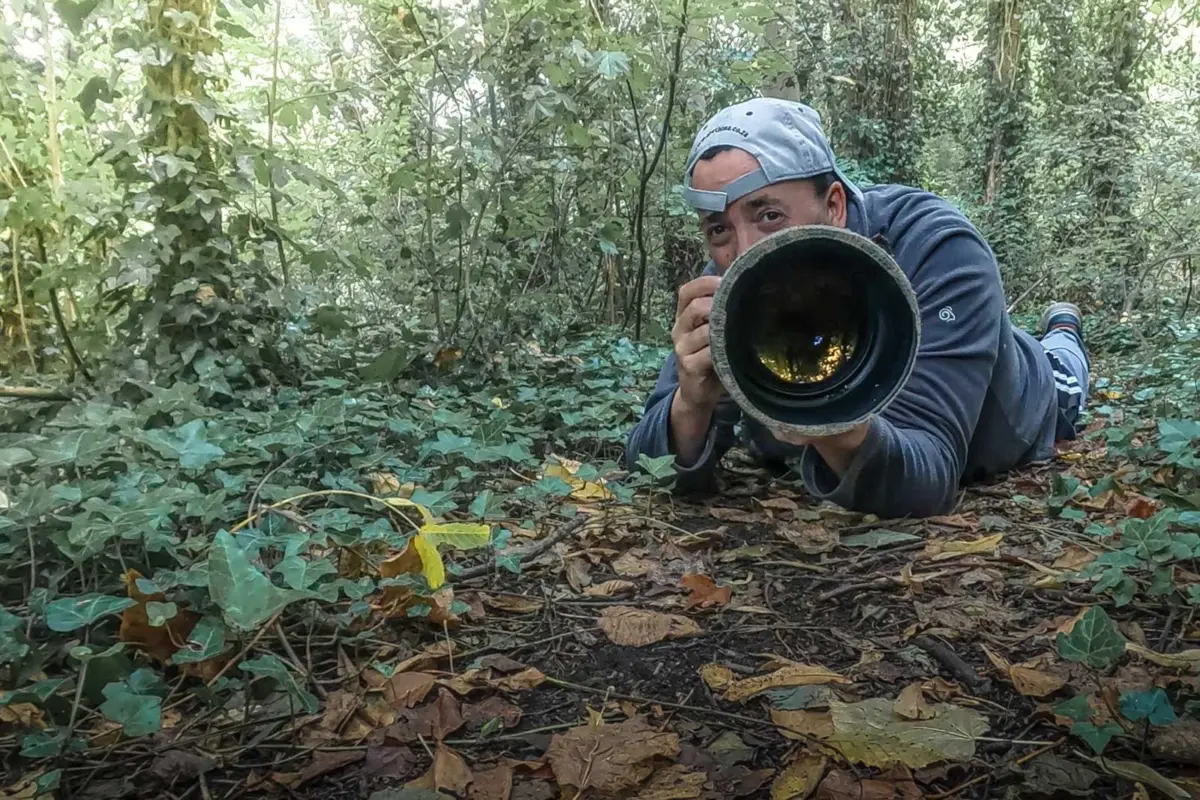
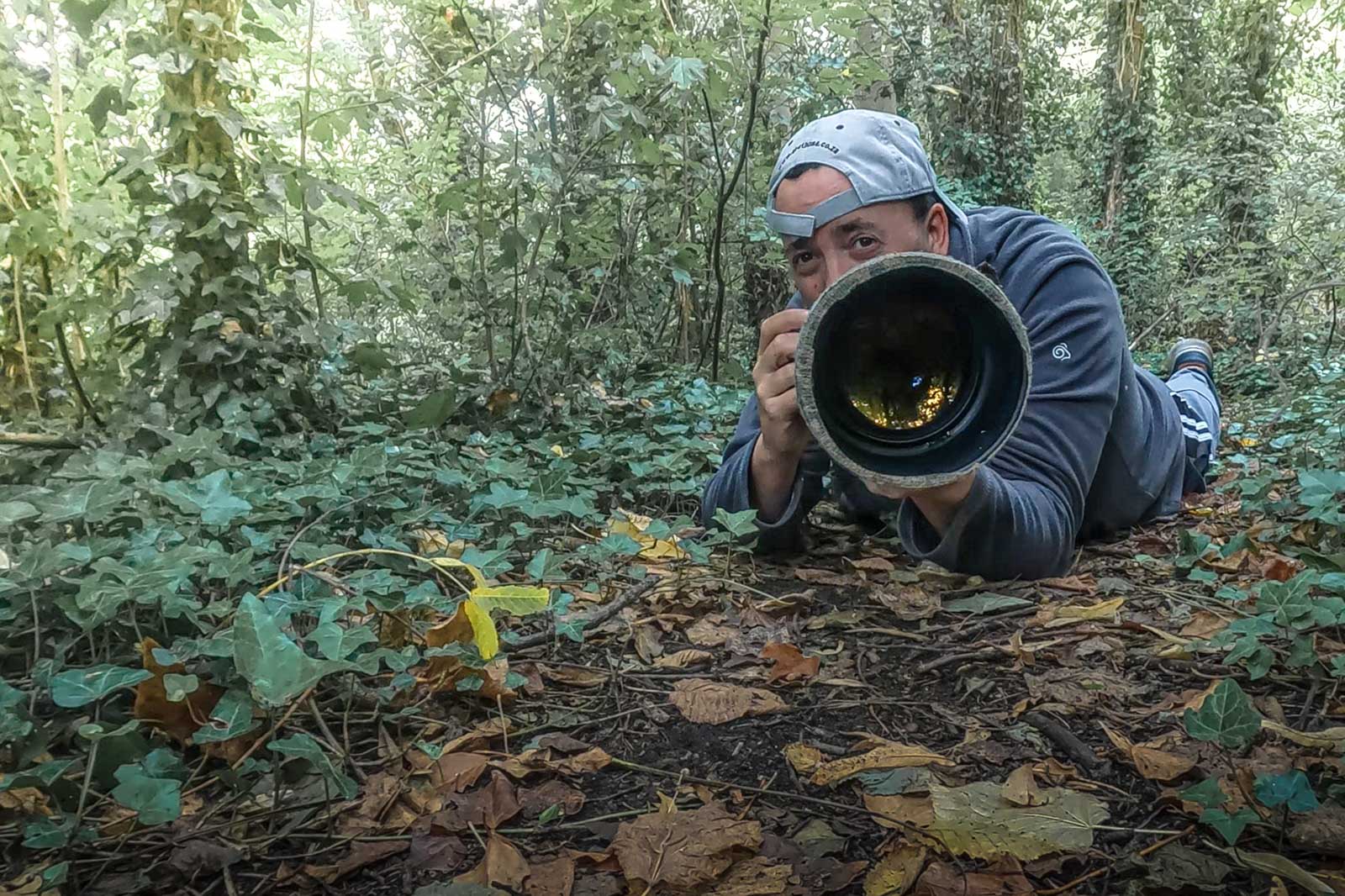
His journey took a definitive turn in early 2024 when a corporate restructuring led to redundancy in his primary career as an engineer. Bolstered by the unwavering support of his wife, Soares seized the opportunity to transition his lifelong passion into a full-time profession. Today, he operates from London, utilizing high-end gear and a refined low-angle philosophy to capture the raw, emotional essence of wildlife.
Chronology of a Photographer: From a Chance Encounter to Professional Status
The Formative Years in South Africa (2004–2006)
Growing up in South Africa, Soares developed an early, profound connection with nature, finding solace in birdwatching amidst a tumultuous world. However, his entry into photography was accidental. In 2004, prompted by the burgeoning digital photography market, he purchased an affordable yet technically advanced entry-level DSLR—the Canon 300D—strictly to document personal holidays.
A routine visit to a local photo lab in Kruger Park altered his trajectory permanently. Noticing striking wildlife prints displayed by the shop owner, Johan Combrink, Soares audaciously stated his desire to capture images of a similar caliber. Impressed by the ambition, Combrink invited the novice back the following day. Over countless hours, Combrink served as an invaluable mentor, imparting foundational camera techniques, post-processing skills, and psychological resilience during photography’s inevitable "dark times," entirely free of charge.

The First Breakthroughs and Recognition (2007–2012)
By 2007, equipped with a Canon Rebel XT gifted by a friend in the United States, Soares began cultivating a more intentional photographic style. Trips to Kruger Park yielded significant improvements, shifting away from blurry avian snapshots toward focused, deliberate mammal portraits, such as an early, cherished image of a Steenbok.
The defining validation of this period occurred in 2012. Out of more than 48,000 global submissions, one of Soares’s wildlife images reached the final round of the Natural History Museum’s annual photography awards. Though the image did not secure a physical exhibition space at the museum, the milestone served as a psychological catalyst, validating his capabilities on an international stage.

Relocation and the Turning Point (2016–2024)
Relocating to the United Kingdom in 2016—and ultimately to London in 2018—exposed Soares to a completely new ecosystem. British wildlife, particularly urban red foxes and the seasonal deer rut, provided fresh artistic inspiration.
By 2023, Soares began testing the waters of professional instruction, guiding small groups and teaching photography during his spare time. The definitive leap occurred in early 2024. Following a corporate layoff from his long-standing engineering career, Soares chose not to seek alternative engineering employment. Backed by his wife, he pivoted entirely to professional wildlife photography and tour leading, cementing a two-decade evolution.

Supporting Data and Technical Evolution
Soares’s technical evolution mirrors the broader technological advancements of the photographic industry over the last two decades.
- Gear and Settings: His initial work was constrained by the technological limitations of mid-2000s hardware. Lacking modern Auto-ISO capabilities and constrained by high-ISO digital noise, Soares rarely pushed sensitivities beyond ISO 400, relying heavily on Aperture Priority (Av) modes. Today, his workflow has transitioned entirely to Manual mode, prioritizing shallow depth of field and low-angle perspectives.
- Preferred Equipment: Soares relies on high-grade telephoto glass, citing the Canon EF 300mm f/2.8 as a cornerstone lens for its phenomenal sharpness, subject separation, and atmospheric background rendering.
- Global Reach: Operating internationally, Soares leads expeditions across diverse biomes, ranging from the classic savannahs of South Africa to the temperate woodlands and urban green spaces of the UK.
Official Perspectives: Reflections on Mentorship and Patience
Reflecting on his journey, Soares emphasizes that technical mastery is secondary to psychological resilience and foundational understanding. In interviews discussing his transition, he consistently credits his early mentor, Johan Combrink, as the cornerstone of his artistic foundation.

"Johan showed me so much, both with camera techniques and in post-processing, and even served as a motivational coach, helping me through the ‘dark times’ in my photography… I have Johan to thank for getting me started in this field, and I will forever be grateful."
Addressing the modern obsession with gear specifications, Soares offers a critical perspective on technological dependency:

"I was no different, often measuring my progress by a new camera feature rather than my ability to take photographs. If a new camera had a higher frames-per-second rate, I thought I was quicker. If it had more focus points, I assumed I could focus better. But that’s not true unless I already had the skills to be quick and focus accurately and hence take full advantage of the camera feature."
Implications for Aspiring Nature Photographers
Victor Soares’s journey from an amateur armed with a consumer DSLR to an internationally recognized professional offers several key takeaways for the modern nature photography community:
- The Value of Mentorship: Soares’s rapid acceleration from capturing blurry flight shots to reaching international competition finals underscores the importance of community, constructive critique, and mentorship. Access to experienced guides can shorten the learning curve significantly.
- Embracing the Journey Over Immediate Perfection: In an era defined by instant gratification and algorithmic social media validation, Soares advocates for patience. True artistic voice, he argues, emerges from enduring the frustration of early failures and mastering fundamental techniques rather than relying on automated camera features.
- Adaptability in Career Paths: The transition from a secure corporate engineering role to a precarious creative profession highlights the viability of late-stage career pivots. By leveraging a side-hustle model—teaching and guiding tours before taking the full-time leap—photographers can mitigate financial risk.
- Redefining Success: Soares’s story demonstrates that "making it" as a professional does not require overnight viral fame. Instead, it is built upon a sustained, compounding accumulation of fieldcraft, observational patience, and an enduring curiosity about the natural world.
