

Main Facts
After three years of intensive planning, engineering, and earthmoving, the motorsport world is holding its breath as Madrid prepares to host its very first Formula 1 Grand Prix. At the center of this milestone is the "Madring"—a newly minted, highly anticipated 5.4-kilometer street circuit designed by renowned Italian racetrack architect Jarno Zaffelli, founder of the international design firm Dromo.
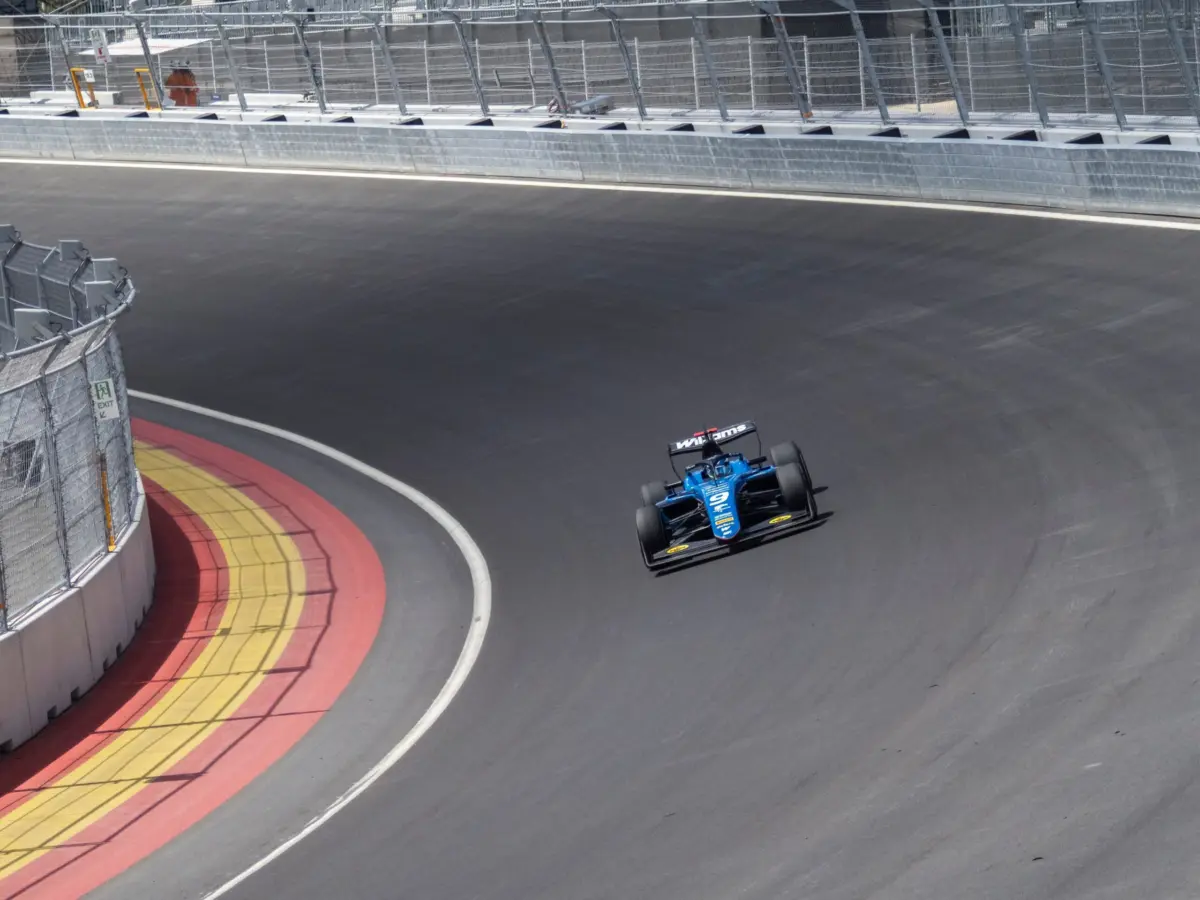
The Madring blends permanent facilities with closed-off public thoroughfares in the Spanish capital’s rapidly growing Valdebebas neighborhood, right next to the IFEMA convention center and close to the Madrid-Barajas Airport. Featuring 22 turns and breathtaking elevation changes, the circuit is anchored by its crown jewel: Turn 12, affectionately and fearsomely nicknamed "La Monumental." Boasting a staggering 24% slope gradient and reaching a peak height of 10 meters, La Monumental is the second-steepest corner on the entire Formula 1 calendar.
As F1 cars barrel through the circuit at speeds exceeding 300 kilometers per hour, the Madring aims to defy the traditional reputation of street circuits. While urban tracks are historically criticized by drivers and purists for being narrow, processional, and devoid of overtaking opportunities, Zaffelli’s creation is built to shatter the mold through sheer hydrodynamic flow, dramatic topography, and intense sensory engagement.
Chronology: The Three-Year Road to Madrid
The realization of Formula 1’s return to Madrid represents a monumental logistical undertaking that spanned 36 months of meticulous coordination and construction.

Phase 1: Conceptualization and Urban Integration (2023–2024)
The journey began when Dromo was tasked with designing a course that could seamlessly weave through Madrid’s urban fabric without paralyzing the city. Initially, Zaffelli’s blueprints incorporated a significantly larger portion of municipal asphalt. However, recognizing the bureaucratic nightmare of coordinating with upwards of 50 different public entities—ranging from municipal transportation departments and environmental agencies to airport authorities—the design team aggressively trimmed the public road usage by more than half, ultimately utilizing just 1.5 kilometers of existing streets.
Phase 2: Heavy Construction and Earthworks (April 2025–August 2025)
Construction officially commenced in April 2025, kicking off a blistering 17-month development cycle. Heavy machinery moved approximately one million square meters of earth to sculpt the dramatic topography required for the track, particularly around the complex sequence of corners leading up to La Monumental. By utilizing the southern side of the IFEMA conference center for the team paddocks and pit garages, engineers established a permanent operational backbone for the temporary street elements.
Phase 3: Stress-Testing and Junior Showdowns (July–August 2025)
Before the pinnacle of motorsport could sample the asphalt, testing phases were initiated. In July 2025, the Scuderia Ferrari F1 team conducted early simulation and testing runs that yielded exceptionally positive feedback regarding the track’s rhythm and grip levels.
Following Ferrari’s run, the junior feeder series Formula 3 hit the track in August for official testing. However, this trial run served as a rude awakening regarding the circuit’s unforgiving nature. The session famously resulted in 19 red flags, triggered by cars spinning out and colliding with barriers on blind, sharp corners. Despite the carnage, the data gathered provided invaluable insights for teams preparing for the grueling weekend ahead.

Phase 4: The Grand Debut (September 11–13, 2026)
The culmination of this frantic timeline arrives this weekend, as the 2026 Spanish Formula 1 Grand Prix roars to life from September 11 through September 13.
Supporting Data & Technical Specifications
To truly understand the engineering marvel that is the Madring, one must examine the hard metrics behind its construction and layout:
- Circuit Length: 5.4 kilometers (featuring 3.9 kilometers of purpose-built infrastructure and 1.5 kilometers of modified public roads).
- Total Turns: 22, offering a complex mix of high-speed straights and tight technical complexes.
- La Monumental (Turn 12): Features a 24% slope gradient and a peak height of 10 meters, making it the second-steepest corner in F1.
- Top Speeds: Drivers are projected to eclipse 300 km/h along the circuit’s fastest sections.
- Construction Timeline: 17 intensive months starting in April 2025.
- Earth Moved: Approximately 1,000,000 square meters of earth relocated to shape the elevation changes.
- Test Incident Rate: 19 red flags during the August Formula 3 testing phase, highlighting the circuit’s steep learning curve.
Official Responses and Expert Perspectives
The introduction of a major new street circuit has naturally ignited debate throughout the global motorsport community, drawing sharply contrasting views from veteran designers, analysts, and the architect himself.
The Architect’s Vision
Jarno Zaffelli remains immensely proud of his work, emphasizing that the sensory connection between the driver, the machine, and the spectator was prioritized from day one.

"We wanted to create something really dramatic and difficult for the drivers," Zaffelli tells Architectural Digest. "A banked corner, on its own, can be boring—what’s interesting here is that we have 10 meters of different elevation changes in the corners preceding it. The key of circuit design is the feeling that you can give to the drivers, to make them go fast but also feel as if they’re going even faster."
Zaffelli also highlighted his deliberate efforts to break down the barrier between audience and athlete. By engineering two massive grandstands directly flanking La Monumental, he curated a colosseum-like atmosphere.
"The drivers need to feel the spectators, and the fans need to feel the cars," Zaffelli notes. "My hope is that the audience really feels these cars—their vibrations—in the pits of their stomachs."
Skepticism from the Old Guard
Not everyone is entirely sold on the spectacle. Robert Barnard, a veteran racetrack designer famed for creating Australia’s Adelaide Street Circuit in 1985, has voiced concerns regarding safety and racing quality, pointing directly to the high volume of red flags seen during the F3 test.

"The thing I hate are all of the blind corners," Barnard cautions. "If drivers don’t have a good sight line, they might not really attack the corner at full speed—they need to be confident there’s not another car stuck on the other side. These drivers are brave, but they’re not stupid."
Cautious Optimism
Conversely, seasoned F1 broadcaster and analyst David Hobbs offers a more balanced perspective, suggesting that the chaos of the junior categories shouldn’t overshadow the premier class’s capabilities.
"I find that Formula 3 is always a bit more prone to red flags than Formula 1," Hobbs observes. "It’ll be an interesting race, for sure. The mechanics will have to set up the cars to lift the ride height and put some stronger springs in there to counteract the G force, which will be quite high."
Hobbs, who covered the inaugural Spanish Grand Prix in Barcelona back in 1991, believes the electric atmosphere of a downtown venue will outweigh any early teething problems.

"The vibes are always good at a brand-new race, and, of course, you get a lot of new fans," Hobbs adds. "Having the races in city centers, where the people are, also brings a different crowd."
Implications for the Future of Formula 1
The debut of the Madring arrives during a golden era of commercial expansion for Formula 1. Propelled largely by the runaway success of Netflix’s docuseries Drive to Survive, which humanized the sport’s gladiators—turning stars like Lewis Hamilton and Max Verstappen into global pop-culture icons—F1 has aggressively expanded its footprint. Over recent seasons, new glamour circuits have materialized in lifestyle hubs such as Miami, Las Vegas, Saudi Arabia, and Qatar.
The inclusion of Madrid signals a strategic pivot toward placing marquee events directly within metropolitan epicenters, replacing or supplementing traditional, isolated rural tracks. Yet, the success of the Madring carries broader implications for the design philosophy of modern street circuits.
If Zaffelli’s high-banked, elevation-fluid design succeeds in generating genuine overtaking action and preventing the procession-style dullness that has plagued other city tracks (such as Monaco or Valencia in past eras), it will establish a new blueprint for future urban racing developments. Conversely, if the blind corners and high crash rates seen in testing translate into a processional or overly cautious F1 main event, designers may be forced to rethink the limits of what modern street circuits can safely and competitively achieve.

For now, all eyes turn to Spain. As the engines fire up and the world watches to see how Formula 1’s newest gladiators tackle La Monumental, Jarno Zaffelli’s ultimate hope remains simple:
"I would hope that people walk away recognizing that it’s possible to build a street circuit that is not boring."
