

By Outdoor & Environment Desk
Updated September 9, 2026
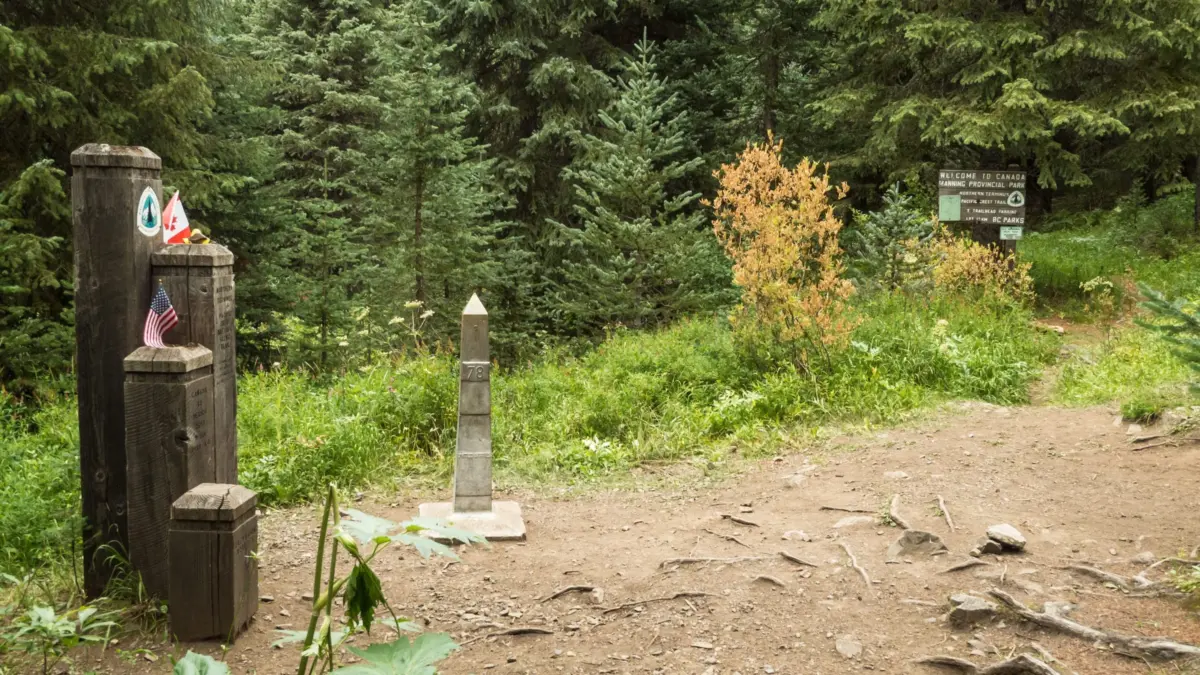
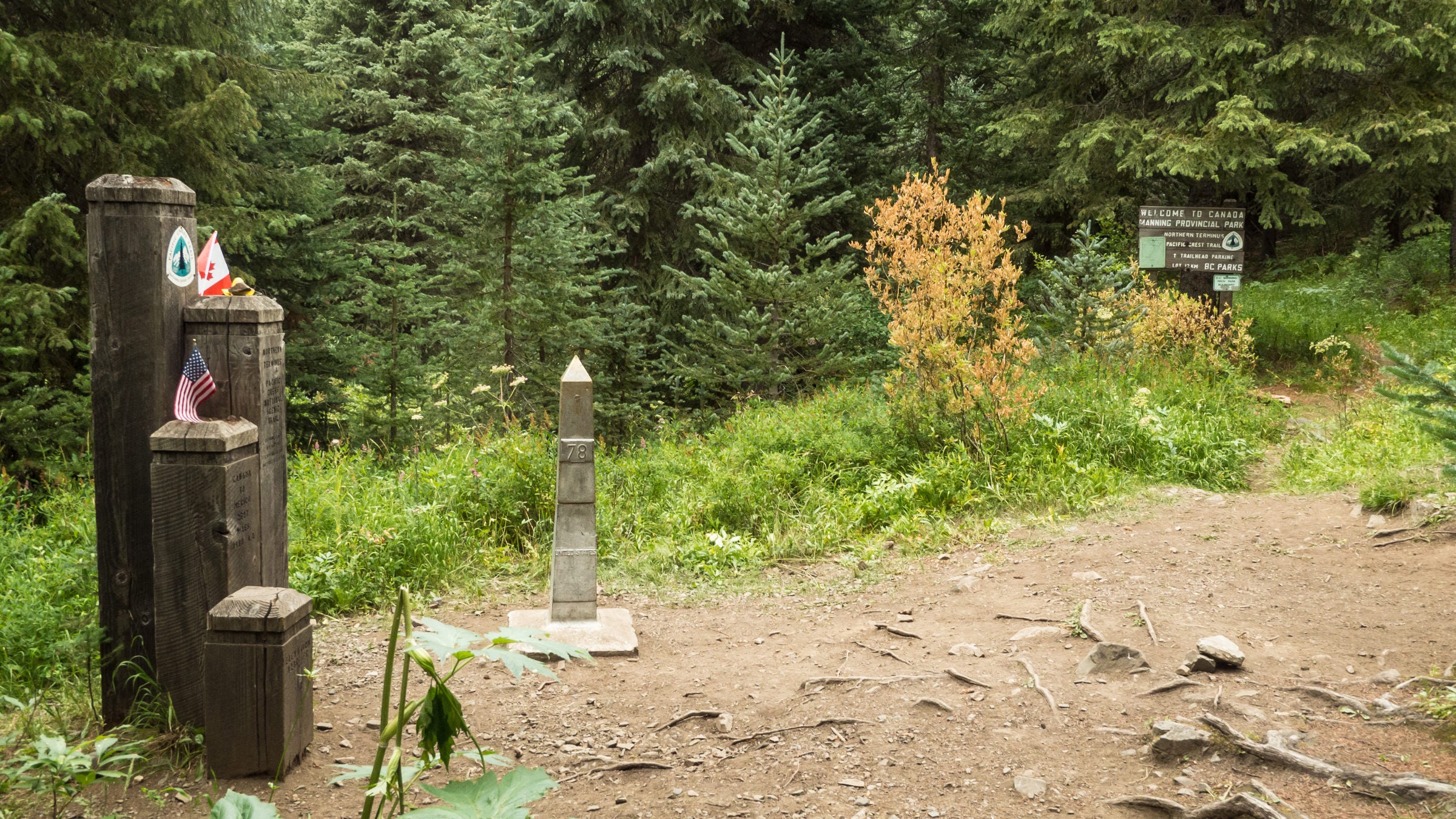
For months, the ultimate goal of the Pacific Crest Trail (PCT) seemed destined to remain frustratingly out of reach. But as of September 9, 2026, the legendary northern terminus at Monument 78—marking the border between the United States and Canada—is officially open once again.
The reopening brings a dramatic conclusion to a grueling season marked by severe wildfire activity in Washington state’s rugged North Cascades. While the lifting of the closure order comes too late for a significant portion of northbound (NOBO) thru-hikers who were forced to alter their routes or abandon their finishes early, it offers a dramatic, storybook ending for those still grinding out the final miles of their 2,650-mile journey.
Main Facts
The lifted closure affects a critical 50-mile stretch of the PCT running from Hart’s Pass to the Canadian border. This remote, alpine section had been strictly off-limits since July 31, 2026, due to the aggressive expansion and lingering threat of the Ptarmigan Fire.
For over a month, the closure severed access to the iconic wooden monument that signals the end—or the beginning—of the Pacific Crest Trail. Hikers aiming to complete a continuous footsteps-only journey from the Mexican border at Campo were stonewalled just miles from their goal.
However, containment progress by emergency responders and favorable shifts in weather finally allowed the Methow Valley Ranger District of the Okanogan-Wenatchee National Forest to rescind the closure order on September 9. While the trail itself is once again open to foot traffic, federal land managers emphasize that surrounding lands—both east and west of the immediate trail corridor—remain closed to the public as active firefighting and suppression repair operations continue in the backcountry.
Chronology of a Fire-Torn Season
The timeline of the 2026 northern terminus closure underscores the volatility of modern Pacific Northwest wildfire seasons and the profound disruptions they inflict on long-distance outdoor recreation.
- Early July 2026: The 50-mile stretch from Hart’s Pass to the Canadian border is officially closed by forest officials as the Ptarmigan Fire ignites and spreads through the volatile terrain of the Okanogan-Wenatchee National Forest.
- Late July 2026: Realizing that official access to Monument 78 is barred for the foreseeable future, resourceful thru-hikers take matters into their own hands. On July 29, a group of six backpackers constructs a makeshift northern terminus monument at the trailhead for Rainy Pass, situated safely south of the closure zone, giving frustrated finishers a tangible spot to take traditional end-of-trail photos.
- August 2026: As the wildfire continues to grip the North Cascades, the official closure hardens into a permanent-feeling roadblock. Northbound hikers begin devising alternative routes. Many pivot westward, traversing the grueling Mount Baker Wilderness to converge on a little-known obelisk at an alternate point on the Canadian border.
- September 6, 2026: Portland-based thru-hiker Reed “Steezy” Patricelli reaches his chosen endpoint at Monument 90, an alternative border marker to the east, accepting that the official terminus will remain closed.
- September 9, 2026 (04:43 PM): Following continuous containment efforts and assessments by fire management teams, the U.S. Forest Service officially reopens the Hart’s Pass-to-border stretch of the PCT, just hours after hikers like Nicola “Sunflower” Whitbread receive word out on the trail.
Supporting Data and Hiker Resilience
Thru-hiking the Pacific Crest Trail is an exercise in managing the uncontrollable, but the 2026 season tested the psychological and physical endurance of outdoor enthusiasts in unprecedented ways.
According to comprehensive historical metrics compiled by the annual Halfway Anywhere PCT Hiker Survey, the average completion date for northbound thru-hikers typically hovers around September 12. This means the September 9 reopening hits at the absolute eleventh hour of the traditional hiking window. For many, the timing is a heartbreaking near-miss.
Thousands of hikers packed away their gear weeks ahead of the reopening, having resigned themselves to truncated journeys. Yet, the human element of the PCT community proved remarkably resilient in the face of bureaucratic and environmental roadblocks. Denied their traditional finish line at Monument 78, hikers engineered creative solutions:
- The Rainy Pass Monument: Built on July 29 by a coalition of six determined hikers, this improvised landmark became a vital psychological waypoint, allowing hundreds of early finishers to celebrate their accomplishments.
- Wilderness Reroutes: Other groups charted courses through lesser-known border markers, substituting the iconic northern terminus for remote obelisks tucked deep within alternative wilderness areas.
Reed “Steezy” Patricelli, who arrived at the alternate border Monument 90 just three days before the official reopening, reflected on the detour with philosophical grace. Despite spending the previous month hearing that the terminus was a lost cause, Patricelli’s forced reroute yielded unexpected rewards.
"On my way to monument 90, I spotted three black bears and 12 mountain goats," Patricelli noted. "I firmly believe that the trail is a different journey for everyone, and if the end of my journey had to be a different terminus, so be it!"
For others, the timing of the reopening feels like a miraculous stroke of luck. Nicola “Sunflower” Whitbread, a northbound thru-hiker from England, was traversing northern Oregon when rumors of the reopening began rippling through the hiking community.
"The PCT for me has always been about the journey and not the destination," Whitbread shared, "but I won’t lie, I’m stoked that I’ll have the finish I’ve dreamed of for a decade."
Official Responses and Interagency Coordination
The successful containment of the Ptarmigan Fire and the subsequent restoration of access to the PCT’s northern terminus required a massive, coordinated interagency response.
Chris Rylee, Director of Marketing and Communication for the Pacific Crest Trail Association (PCTA), expressed immense relief and gratitude following the announcement.
"We’re overjoyed to know that the PCT up to the Northern Terminus is open again, as it is such an iconic and symbolic portion of the trail," Rylee stated. "Appreciation and gratitude goes out to the Methow Valley Ranger District of Okanogan Wenatchee National Forest and all of the other partners, responders, and firefighters who coordinated massive efforts to keep PCT hikers and communities safe."
Behind Rylee’s words lies a complex logistical ballet. Managing wildfires in the remote North Cascades requires balancing life-safety protocols, ecological preservation, and the economic lifelines of mountain gateway communities. Firefighting crews spent weeks cutting containment lines, deploying aerial assets, and monitoring flare-ups in steep, inaccessible terrain to eventually hand the trail back to the public.
At the same time, the PCTA has taken pains to remind the public that "reopened" does not mean "fully recovered." In an informational post shared on Instagram, the association stressed that while the narrow ribbon of the Pacific Crest Trail is safe for transit, the vast expanses of backcountry lands immediately to the east and west remain under active fire restriction and closure advisories. Hikers are strongly urged to stay on the established trail tread and respect all posted signage regarding hazard trees, unstable soils, and ongoing suppression repair work.
Implications for the Future of Long-Distance Hiking
The events surrounding the 2026 closure of the PCT northern terminus highlight broader, systemic challenges facing America’s National Scenic Trails in an era of intensifying climate change and hyper-frequent wildfire seasons.
For decades, the Pacific Crest Trail was viewed primarily as a seasonal endeavor with predictable weather windows. Snowpack dictated when hikers could start in the spring (typically April or May), and autumn snows or fires dictated when they had to finish (typically September or October). However, as multi-month megafires become an annual fixture of the West Coast summer, the traditional "thru-hiking window" is increasingly compressed.
The 2026 season demonstrates that land agencies, trail organizations, and hikers themselves must adapt to a new normal. Flexibility, alternative routing, and a philosophical shift away from rigid adherence to a single geographic endpoint are becoming core survival skills for modern backpackers.
Furthermore, the ingenuity displayed by hikers—such as the construction of the Rainy Pass temporary monument and the utilization of remote border obelisks—signals the evolution of trail culture. Rather than allowing a natural disaster to entirely invalidate their months of physical suffering and mental endurance, the hiking community redefined what it meant to "finish" the trail.
As the smoke finally clears over Monument 78, a fresh wave of footsteps is once again tracing the final miles to the Canadian border. For this year’s class of survivors, the path is clear, the monument is waiting, and the journey—despite its fiery detours—has reached its rightful conclusion.
