

By Leigh Smith
Published by Organic Authority
Skin demands more attention in July than during almost any other month. Long hours spent outdoors, increased perspiration, and the inevitable scramble for new products to manage summer’s toll all push our dermal health to the forefront. Yet, when skin begins to act up—breaking out, feeling tight, or losing its radiance—we almost always look to the bathroom cabinet for a remedy. Rarely do we look at our plates.
Summer is the season where that dietary gap shows most clearly. While topical routines are vital, skin is fundamentally built from the inside out. Understanding how the summer months alter your physiological needs can help you feed your skin what it actually requires to stay resilient, dewy, and balanced.
What Summer Actually Does to Your Skin
When the ambient temperature climbs, three distinct physiological shifts occur simultaneously.
First, your body increases perspiration to regulate its internal temperature. In doing so, you lose not only water, but essential electrolytes like sodium and potassium.
Second, intense ultraviolet (UV) radiation exposure increases. As UV rays hit your skin, they trigger free radical generation, rapidly depleting the natural antioxidants stored in your dermal tissue faster than your body can typically replenish them.

Third, seasonal appetite suppression kicks in. When it’s hot outside, heavy, warming meals lose their appeal. Diets naturally shift toward lighter fare, which frequently carries significantly less protein and dietary fat than the hearty meals typical of January.
While eating lighter isn’t inherently problematic, sliding into a pattern of four consecutive days with minimal protein intake means your body may lack the necessary amino acid reserves to draw upon for ongoing cellular repair.
None of the nutritional strategies discussed below replace a broad-spectrum sunscreen or a quality moisturizer. However, they provide your skin with a vastly superior foundational starting point than the average summer diet.
Hydration Starts on the Plate: Beyond the Water Bottle
A meaningful share of your daily fluid intake actually comes from food rather than a glass. As it happens, peak summer produce represents some of the most water-dense nourishment available in nature.
The Water-Produce Synergy
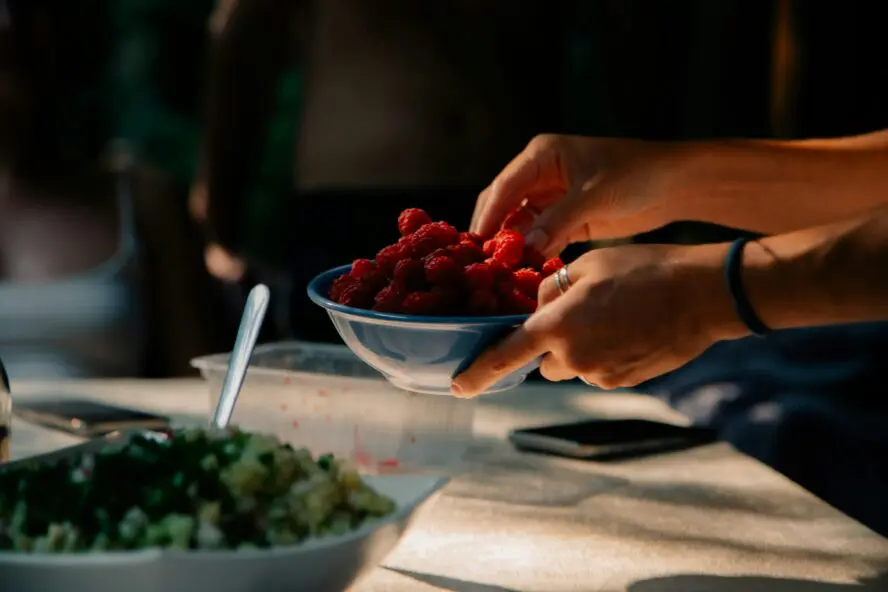
Watermelon, crisp cucumbers, ripe tomatoes, juicy berries, citrus fruits, and leafy greens boast exceptionally high water percentages while simultaneously delivering critical electrolytes like potassium. Eating your water through these whole foods allows you to hydrate naturally throughout the day without constantly reaching for another glass.
However, heavy sweating strips away more than just pure water; it depletes sodium and potassium. Drinking plain water all afternoon replaces only a fraction of what was lost.

If you are spending hours outdoors, incorporating salted whole foods and potassium-rich options—such as cantaloupe, beans, yogurt, and potatoes—does far more to restore your body’s fluid balance than water alone. True hydration is just as much a culinary challenge as it is a drinking habit, and summer is the season that makes this distinction unignorable.
The Nutrient Workforce: Building Blocks for Resilience
If you want your skin to withstand the stressors of the season, specific vitamins, minerals, and fatty acids must be consistently present in your daily diet.
Vitamin C and Collagen Synthesis
Your body cannot construct collagen without vitamin C. Operating as an essential cofactor in collagen-building pathways, a shortfall of vitamin C manifests not as an overnight crisis, but as a sluggish repair mechanism and a dull complexion.
Bell peppers, fresh strawberries, kiwis, citrus fruits, and broccoli serve as reliable sources of this nutrient—and conveniently, many of them are seasonal staples.
A Crucial Tip: Vitamin C is notoriously fragile, breaking down rapidly when exposed to heat, light, and time. A bell pepper eaten raw today delivers a significantly higher dose of usable vitamin C than one that languished in your produce drawer since last week before being tossed into a hot skillet.
Carotenoids and the Power of Cooked Tomatoes
Lycopene and beta-carotene gradually accumulate in skin tissue over weeks of consistent dietary intake. Dermatological research suggests that individuals who regularly consume these carotenoids exhibit a measurable, albeit modest, increase in their skin’s natural resistance to UV-induced erythema (redness).
Modest is the operative word here. This is a subtle, cumulative background defense—it is never an excuse to skip your SPF.
Interestingly, lycopene bioavailability increases significantly when tomatoes are cooked with a little healthy fat, such as extra virgin olive oil. This makes a simple, slow-simmered tomato sauce far more protective for your skin than a raw tomato salad. Meanwhile, carrots, sweet potatoes, apricots, and red bell peppers easily cover your beta-carotene requirements.
Omega-3 Fats and the Skin Barrier
The stratum corneum—the outermost layer of your skin—is tasked with locking moisture inside. The fats you consume feed directly into the structural integrity of this lipid barrier.
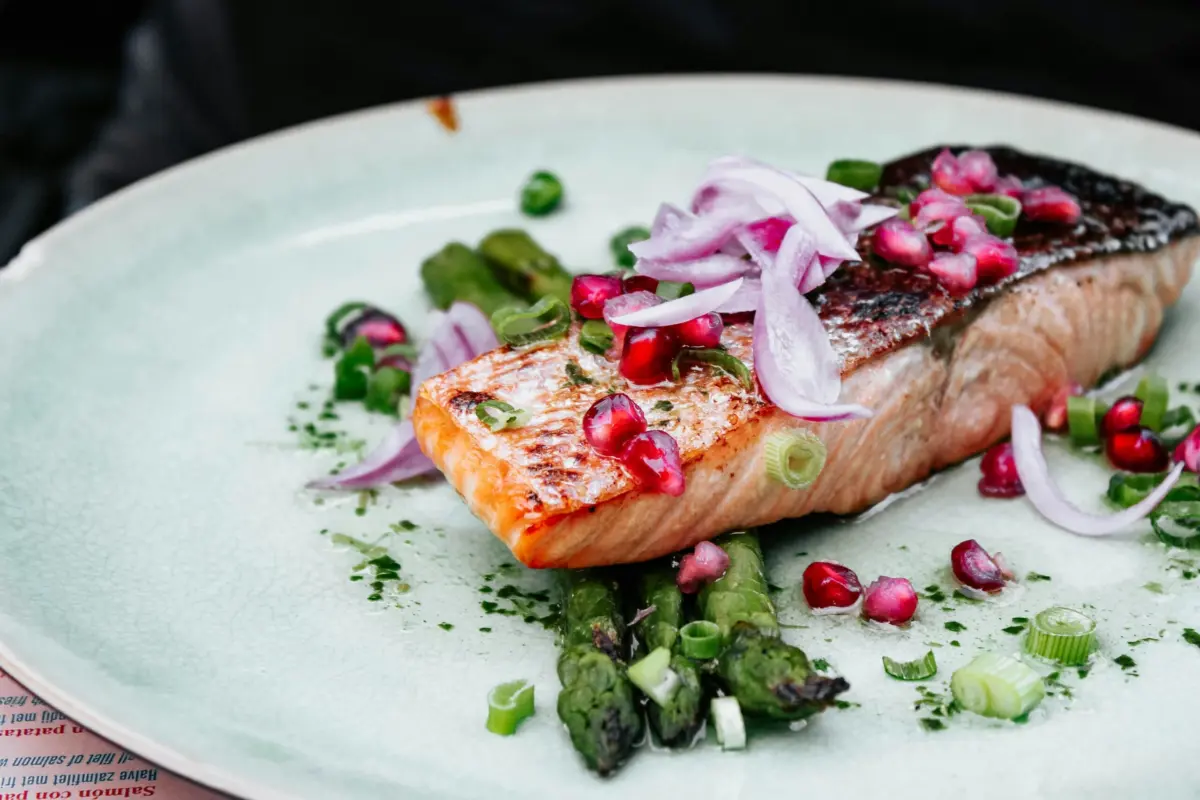
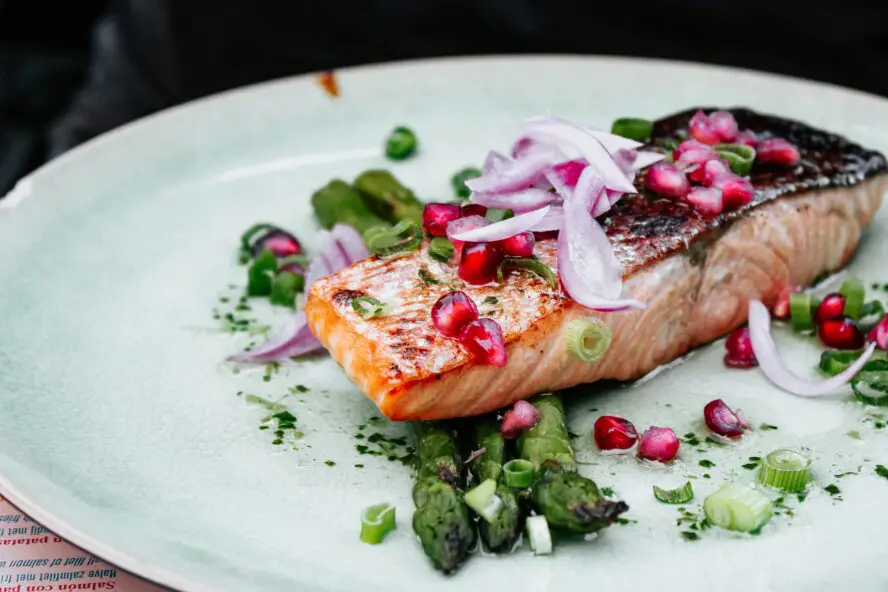
Consuming fatty fish twice a week remains the gold-standard recommendation for skin barrier support. For those following a plant-based lifestyle, walnuts, flaxseeds, and chia seeds offer alternative omega-3 sources. Keep in mind, however, that the human body converts plant-based omega-3s (ALA) into active forms (EPA and DHA) rather inefficiently, meaning plant-based portions must be larger to achieve a comparable dermatological effect.
Protein and Zinc for Cellular Repair
Collagen is constructed from specific amino acids, with glycine and proline leading the charge. You acquire these building blocks from ordinary dietary protein sources rather than expensive supplements.
Simultaneously, zinc plays a critical role in supporting wound healing and accelerating skin cell turnover. Excellent sources of zinc include shellfish, lean beef, lentils, chickpeas, and pumpkin seeds.
Practical Application: Rather than front-loading your protein into a massive dinner, spread your protein intake evenly across the day. Skin repair is a continuous 24-hour process that does not wait for a single meal.
The Gut-Skin Axis: Sorting Fact From Fiction
Fermented foods dominate modern wellness conversations, with yogurt, kefir, sauerkraut, and kimchi frequently lauded as miracle cures for complexion issues.
While the scientific research linking gut microbiome health to cutaneous conditions is legitimate, it remains in its relative infancy. Most clinical studies stop well short of claiming that eating a forkful of sauerkraut will instantly clear your acne or erase fine lines.
The gut-skin connection is a fascinating frontier worth following as the science matures, but it is wise to temper expectations and avoid overstating what fermented foods can accomplish on their own.
Managing Expectations: What Food Cannot Do
Dietary interventions are powerful, but they have definitive boundaries.
- No diet blocks UV rays: Eating a basket of carrots will never substitute for physical sun protection.
- No diet replaces a moisturizer: Eating healthy fats will not instantly rescue skin that is parched, tight, and dehydrated after a long day at the beach.
- No diet fixes product irritation: No amount of antioxidants will save your skin from a harsh cosmetic formula that causes allergic contact dermatitis.
Food builds the raw biological material your skin cells are made of. Topicals manage the surface layer, and sunscreen handles the environmental threats your diet simply cannot touch. Both matter immensely, and they perform best when you refuse to ask one to do the other’s job.

If you are shopping for a skincare enthusiast who takes their daily routine seriously, consider bypassing guesswork entirely. Formulas vary wildly by skin type, and what works in February may fail in July. A gift card to a specialized beauty retailer allows them to choose the exact vitamin C serums, sunscreens, or barrier creams their specific skin type requires.
A Simple Week of Skin-Supportive Habits
Nourishing your skin through the summer months does not require an exhaustive meal plan or upending your lifestyle. A handful of consistent, daily habits will cover the vast majority of your physiological needs:
- Prioritize Water-Rich Produce: Incorporate a serving of watermelon, berries, or sliced cucumber into your morning or afternoon routine.
- Distribute Your Protein: Include moderate, clean protein sources with every meal to maintain steady amino acid reserves for tissue repair.
- Embrace Raw Vitamin C: Keep bell peppers or citrus readily available for raw snacking to maximize heat-sensitive nutrient absorption.
- Cook Your Tomatoes: Pair cooked tomato dishes with healthy fats like olive oil to boost bioavailable lycopene levels.
- Incorporate Healthy Fats: Add wild-caught salmon, walnuts, or chia seeds to your weekly rotation to reinforce your lipid barrier.
The Short Version
Summer skin is infinitely easier to feed than it is to rescue. Water-dense produce, steady protein distribution throughout the day, uncompromised vitamin C, and barrier-supporting fats will effortlessly carry the nutritional load.
What you apply topically is an entirely separate job—one that deserves careful product selection rather than guesswork. Treat your diet and your skincare routine as equal partners, and your summer skin will reward you with a resilient, healthy glow all season long.
Sources
- Photodermatology, Photoimmunology & Photomedicine: "UV-induced depletion of cutaneous antioxidant systems."
- Journal of Nutrition and Metabolism: "Water-rich foods and their systemic contribution to hydration status."
- American Journal of Clinical Nutrition: "Electrolyte losses in sweat and whole-body fluid homeostasis."
- Nutrients: "Vitamin C as a cofactor in collagen biosynthesis and tissue repair."
- International Journal of Food Properties: "Thermal degradation kinetics of ascorbic acid in fresh produce."
- Skin Pharmacology and Physiology: "Dietary carotenoids and photoprotection against UV-induced erythema."
- British Journal of Dermatology: "Bioavailability of lycopene from pasteurized tomato juice with oil."
- Prostaglandins, Leukotrienes and Essential Fatty Acids: "Dietary omega-3 fatty acids and stratum corneum lipid organization."
- American Journal of Clinical Nutrition: "Conversion efficiency of alpha-linolenic acid in humans."
- Amino Acids: "Glycine and proline availability in dermal collagen synthesis."
- Dermatologic Therapy: "The role of zinc in wound healing and cutaneous cellular proliferation."
- Microbiome: "Current perspectives on the gut-skin axis and clinical implications."
