

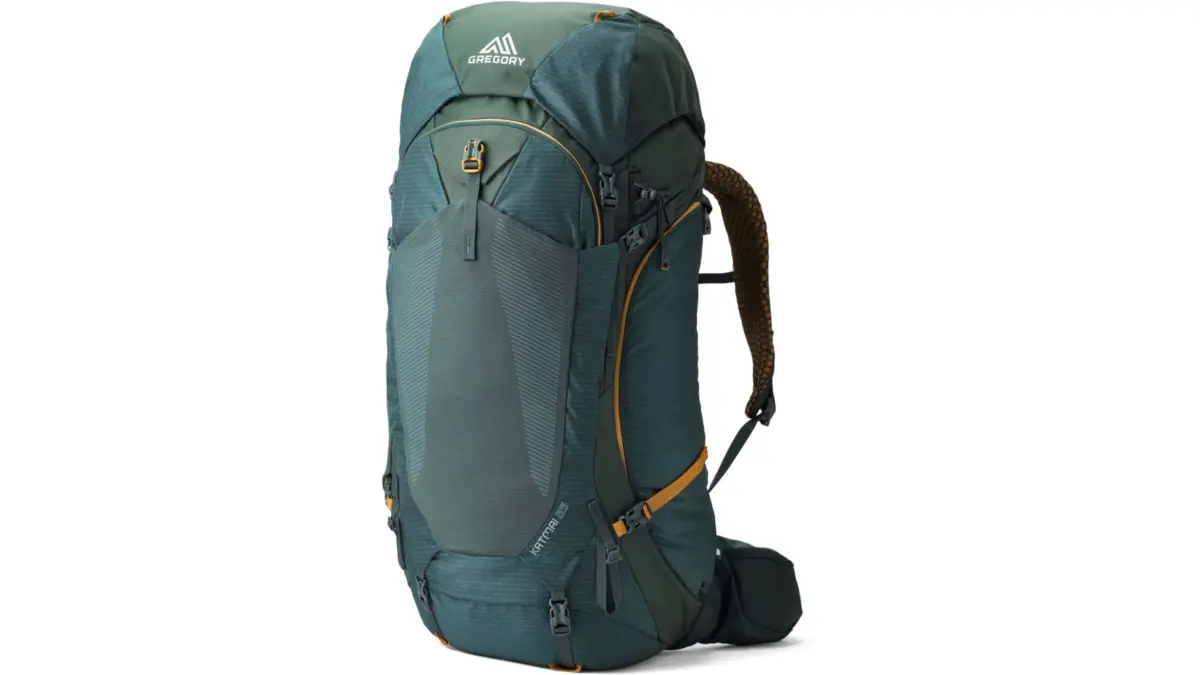
When your backcountry itinerary calls for carrying a few extra luxuries—whether that means packing in fresh provisions for a gourmet wilderness dinner, a bottle of wine to share at a high-elevation fire lookout, or heavier gear for group basecamping trips—your choice of pack can make or break the experience. For years, hauling loads exceeding forty pounds meant resigning yourself to bruised hips, aching shoulders, and a constant, fatiguing battle with center-of-gravity shifts.
Enter the Gregory Katmai and its women’s-specific counterpart, the Kalmia. Widely celebrated by outdoor gear reviewers and long-distance backpackers alike, these packs have built a reputation for turning cumbersome, heavyweight loads into seemingly weightless endeavors. Now, outdoor enthusiasts have a rare opportunity to secure these high-performance hauling systems at unprecedented discounts, with closeout sales at REI slashing prices by up to 54 percent.
This comprehensive review and news breakdown explores the anatomy of the Gregory Katmai and Kalmia, analyzing why these packs dominate the heavy-duty category, examining tester feedback from real-world expeditions, and detailing the current retail landscape that has made these top-tier packs remarkably affordable.
Main Facts
The Gregory Katmai (men’s) and Kalmia (women’s) are flagship backpacking packs engineered specifically for multi-day trips, heavy loads, and backcountry comfort. Designed to bridge the gap between heavy-duty load-hauling capacity and ergonomic, dynamic fit, these packs are currently seeing massive closeout price cuts across major outdoor retailers like REI.
Key Pricing and Availability Highlights
- Women’s Kalmia 60: Marked down to $150 (a 51 percent discount off the original MSRP) at REI.
- Women’s Kalmia 60 (Plus Sizes): Available for $140 (a 54 percent discount).
- Men’s Katmai 65: Priced at $198 (a 40 percent discount).
- Men’s Katmai 65 (Plus Sizes): Available for $140 (a 54 percent discount).
- Alternative Capacities: For backpackers seeking a slightly trimmer profile, smaller iterations—such as the Kalmia 50 and Katmai 55—are also heavily discounted during this closeout event.
Core Technical Specifications
- Suspension System: Features a robust spring-steel perimeter frame combined with a fiberglass cross-stay to optimize weight distribution and torsional rigidity.
- Harness & Hipbelt: Utilizes dynamic, free-floating hipbelt technology and plush, well-ventilated padding that moves naturally with the wearer’s stride.
- Storage & Organization: Includes three distinct toplid pockets, a massive U-zip front/lengthwise compartment access point, dual side water bottle pockets, and a dedicated bottom compartment for a sleeping bag.
- Target Audience: Ideal for backpackers, mountaineers, and basecamp organizers who frequently carry loads weighing between 35 and 50 pounds.
Chronology: The Evolution of Heavy-Load Comfort
To truly understand why the closeout of the Katmai and Kalmia lines is creating such a stir in the outdoor community, it is helpful to look at the timeline of how Gregory Mountain Products developed these industry-leading haulers.
Phase 1: The Quest for Dynamic Suspension (Pre-2021)
For decades, traditional backpacking packs relied on rigid internal frames that kept the load stable but often punished the wearer’s hips and lower back during high-mileage days. While stiff frames prevented swaying, they lacked responsiveness to the natural twisting of the human torso. Hikers frequently had to choose between rigid stability and dynamic comfort.
Phase 2: The Launch of Free-Floating Technology (2021–2022)
Gregory introduced a paradigm shift in suspension design with the debut of the Katmai and Kalmia lines. By engineering a kinetic, auto-rotating hipbelt system coupled with a tensioned mesh backpanel, Gregory solved the age-old dilemma of load transfer versus mobility. The hipbelt and shoulder harness were connected via a flexible internal frame that allowed the pack to flex independently of the hiker’s hips. Early field tests immediately validated the design, showing marked reductions in chafing, hot spots, and muscle fatigue.
Phase 3: Inclusive Sizing and Refinement (2023–2025)
Recognizing that standard-issue outdoor gear has historically alienated non-traditional body types, Gregory expanded the Katmai and Kalmia lines to include robust plus-size options. These variants maintained the advanced suspension architecture while optimizing strap lengths, torso adjustment ranges, and hipbelt angles for diverse anatomies. The move was widely praised across the outdoor industry as a monumental step forward for gear accessibility.
Phase 4: The 2026 Closeout Era
As Gregory prepares to cycle its product lines and introduce new iterations, retailers like REI have initiated massive closeout sales. Dropping prices by 40 to 54 percent—bringing premium $350+ packs down to the $140–$198 range—has positioned the Katmai and Kalmia as the premier value buys of the season for backpackers looking to upgrade their gear locker without breaking the bank.
Supporting Data: Real-World Testing and Performance
Technical specifications on a manufacturer’s website only tell half the story. To understand how the Gregory Katmai and Kalmia perform under duress, gear analysts and field testers have put these packs through rigorous trials across diverse terrains.
The Pictured Rocks Field Test
In a comprehensive review for Backpacker, gear testers pushed the Katmai 65 to its limits along the rugged coastal trails of Michigan’s Pictured Rocks National Lakeshore. Packing a punishing 40-pound load—complete with group cooking gear, extra layers, and heavy hydration supplies—testers evaluated how the pack managed weight over rolling terrain and sandy shorelines.
One tester noted: "The load felt lighter than it was, thanks to the well-padded hipbelt and shoulder straps, in addition to supportive tension across the backpanel."
This perception of weightlessness is primarily attributed to Gregory’s FreeFloat 360 suspension system. The dynamic hipbelt moves with the body’s natural walking gait, eliminating the friction and bruising commonly caused by rigid hipbelts that drag against the iliac crest with every step. Furthermore, the ventilated mesh backpanel maintains a crucial gap of airflow between the pack body and the hiker’s spine, drastically reducing sweat accumulation during strenuous ascents.
Load Management and Frame Mechanics
Hauling 40-plus pounds requires more than just comfortable padding; it demands structural integrity. The Katmai and Kalmai utilize a hybrid frame architecture:
- Spring-Steel Alloy Perimeter: Provides the foundational backbone, resisting backward pull and transferring the vertical weight directly down to the hips.
- Fiberglass Cross-Stay: Adds torsional flexibility, allowing the pack to twist when you step over a fallen log or scramble up a rocky outcrop without throwing off your balance.
Organization Breakdown
Backpackers hauling luxury items often struggle with organization, frequently having to unpack an entire bag to find a rain jacket or headlamp. The Katmai/Kalmia design addresses this with a thoughtful compartmentalization strategy:
- The Toplid: Features three separate zippered pockets, ideal for segregating small essentials like maps, first-aid kits, and headlamps.
- The Front U-Zip: Rather than forcing users to dig exclusively from the top down, a massive zippered panel runs along the length of the back, offering duffel-bag-style access to the main cavity.
- Sleeping Bag Compartment: A zippered lower divider allows sleepers to isolate their sleeping bag or damp tent from dry clothing.
- Quick-Access Pockets: Oversized stretch-mesh side pockets easily accommodate large 1.5-liter Nalgene bottles or trekking poles while on the move.
Official Responses and Industry Perspectives
Industry analysts, retail partners, and environmental gear advocates have weighed in on what makes the Katmai and Kalmia lines enduring favorites, as well as the significance of their current market positioning.
Retailer and Brand Alignment on Inclusivity
Gregory’s commitment to plus-size availability has been a cornerstone of the brand’s recent marketing and design philosophy. Industry leaders have pointed out that traditional gear manufacturers often treat plus-size options as an afterthought—merely scaling up fabric dimensions without adjusting load-bearing geometry.
In contrast, the plus-size iterations of the Kalmia and Katmai are engineered from the ground up to ensure that the hipbelt wraps correctly around fuller hips, and that the shoulder harness angles prevent chafing under heavy loads. Outdoor retail experts have commended REI and Gregory for discounting these specialized sizes just as heavily as standard sizes ($140 for plus-size closeouts), ensuring that financial barriers do not compound anatomical ones.
The Shift Toward "Luxury Backpacking"
In recent years, industry trends have pointed toward a dual phenomenon: ultralight backpacking on one end, and "lux-packing" or basecamping on the other. While ultralight gear dominates fast-and-light thru-hiking culture, a massive segment of weekend backpackers prefers the comfort of camp chairs, gourmet camp stoves, fresh produce, and extra comforts.
According to outdoor gear economists, packs like the Katmai and Kalmia occupy a crucial sweet spot. They provide the robust infrastructure needed to carry bulky luxury items without sacrificing the mobility required to navigate technical backcountry trails. The current closeout pricing reflects an industry-wide pivot, making high-capacity hauling accessible to casual weekenders who might otherwise be priced out of premium technical gear.
Implications for the Modern Backpacker
What do these deep closeouts and proven pack designs mean for you as a consumer and outdoor adventurer? The implications stretch across your wallet, your physical health on the trail, and the types of trips you can comfortably plan.
1. Exceptional Value in an Inflationary Market
With outdoor gear prices steadily climbing due to rising material and shipping costs, finding a top-tier, award-winning 60L+ backpack for under $200 is increasingly rare. Securing a Gregory Katmai for $198 or a Kalmia for $150 represents an extraordinary value proposition. For hikers relying on entry-level, unpadded, or poorly fitting packs, upgrading to a suspension system of this caliber will instantly transform their backcountry experiences.
2. Expanding Your Trip Itinerary
When your pack handles heavy weights effortlessly, your geographical and logistical horizons expand. You are no longer restricted to minimalist freeze-dried meals and ultralight gear compromises.
- Basecamping: You can easily haul a heavy basecamp setup—including a two-person tent, a multi-burner stove, and comfortable seating—deep into alpine basins.
- Cold-Weather Trips: Winter and shoulder-season backpacking require bulky items like heavy-duty sleeping bags, insulated pads, and extra layers. The 60L to 65L capacity of these packs swallows winter gear whole while maintaining stability.
- Romantic or Group Getaways: Packing a bottle of wine, fresh steaks, or luxury camp amenities becomes a realistic, pain-free endeavor rather than an exercise in physical masochism.
3. Injury Prevention and Ergonomics
Carrying a poorly distributed load is the leading cause of mid-trip muscle strains, shoulder numbness, and lower back pain among novice and intermediate backpackers. By investing in a pack featuring dynamic load-transfer technology like Gregory’s FreeFloat 360, hikers protect their joints and spine, ensuring longevity in their outdoor pursuits. The reduced strain means you arrive at camp with energy to spare, rather than spending your first hour in the wilderness recovering from the hike in.
Final Verdict
The Gregory Katmai 65 and Kalmia 60 have long proven their merit in the crucible of real-world backcountry testing. From the rugged shores of Pictured Rocks to high-alpine traverses, these packs excel at turning punishing loads into manageable, comfortable journeys.
With REI’s current closeout event slashing prices by up to 54 percent—dropping standard sizes down to $150–$198 and plus sizes to an unbeatable $140—there has never been a better time to upgrade your backpacking setup. Whether you are planning a luxurious weekend at a fire lookout, a group basecamping excursion, or simply want to banish shoulder pain from your multi-day treks, the Katmai and Kalmia stand ready as the ultimate trail companions.
