By the Wildlife Photography Editorial Desk Published: Field & Lens Journal
Introduction: The Microscopic Frontier
Macro wildlife photography has long been celebrated as one of the most exciting and rewarding disciplines in the visual arts. By choosing to focus on miniature subjects, photographers unlock a portal to details that are routinely overlooked by the naked eye. From the iridescent sheen of an insect’s exoskeleton to the intricate geometry of a blossoming flower, this niche allows creators to produce captivating imagery of a world happening right beneath our feet.
However, a cultural shift is currently underway within the global macro photography community. For years, the genre has been dominated by a narrow set of subjects: colourful garden insects and pristine botanical specimens. While character-filled jumping spiders and dew-kissed petals will always hold a revered place in portfolios, a new movement is encouraging photographers to cast a wider net.
By looking beyond traditional bugs and blooms toward overlooked subjects—such as scaling reptiles, glistening amphibians, delicate mammalian features, vibrant marine life, and abstract fungi—photographers can capture ground-breaking perspectives. Achieving this, however, requires a specialized blend of modern equipment, field technique, and unwavering ethical considerations.
Main Facts: Redefining the Boundaries of Close-Up Imaging
To understand the evolution of macro photography, one must examine what constitutes a "macro" subject. Traditionally, macro photography is defined as capturing a subject at a 1:1 reproduction ratio, meaning the image projected onto the camera sensor is the same size as the physical object in real life.
The Subject Expansion: While insects and flowers account for an estimated 80% of traditional macro portfolios, advanced stabilization and lighting gear have enabled photographers to target creatures that are either faster, larger (requiring macro details like eyes or feathers), or entirely aquatic.
Geographic Versatility: Unlike landscape photography, which often requires vast travel to national parks or remote vistas, macro wildlife photography can be practiced anywhere. Backyard lawns, urban balconies, local streams, and rainforest floors all yield viable subjects.
Technical Demands: Unlike standard wildlife photography—which relies on telephoto lenses to bridge great distances—macro photography demands physical proximity, precise manual or AI-assisted focusing, and rigorous light control via external flashes and diffusers.
Chronology: The Evolution of the Macro Movement
The journey from casual snapshoture to professional, high-end macro wildlife documentation has evolved significantly alongside photographic technology:
The Early Era of Fixed Glass (Late 20th Century): Macro photography was once restricted to specialized manual-focus macro lenses (typically 50mm to 100mm) paired with slow ISO film stocks. Photographers relied heavily on natural sunlight, making the capture of fast-moving cold-blooded animals exceptionally difficult.
The Digital Revolution (2000s–2010s): The advent of digital sensors allowed photographers to review shots instantly, compensating for the razor-thin depth of field inherent in close-up imaging. The introduction of affordable external flashes and rudimentary diffusers revolutionized shadow control in the field.
The Modern Era (Present Day): Today, advancements in mirrorless autofocus systems, high-speed flash recycling, lightweight foldable diffusers, and raw-processing software have democratized the field. Photographers are no longer restricted to stationary subjects; they can now track elusive amphibians, forest fungi, and erratic reptiles with unprecedented clarity.
Supporting Data & Subject Breakdown: Where to Look Next
For photographers eager to expand their portfolios, the natural world offers an expansive library of neglected subjects. Each category presents unique visual advantages and technical challenges:
1. Reptiles and Amphibians
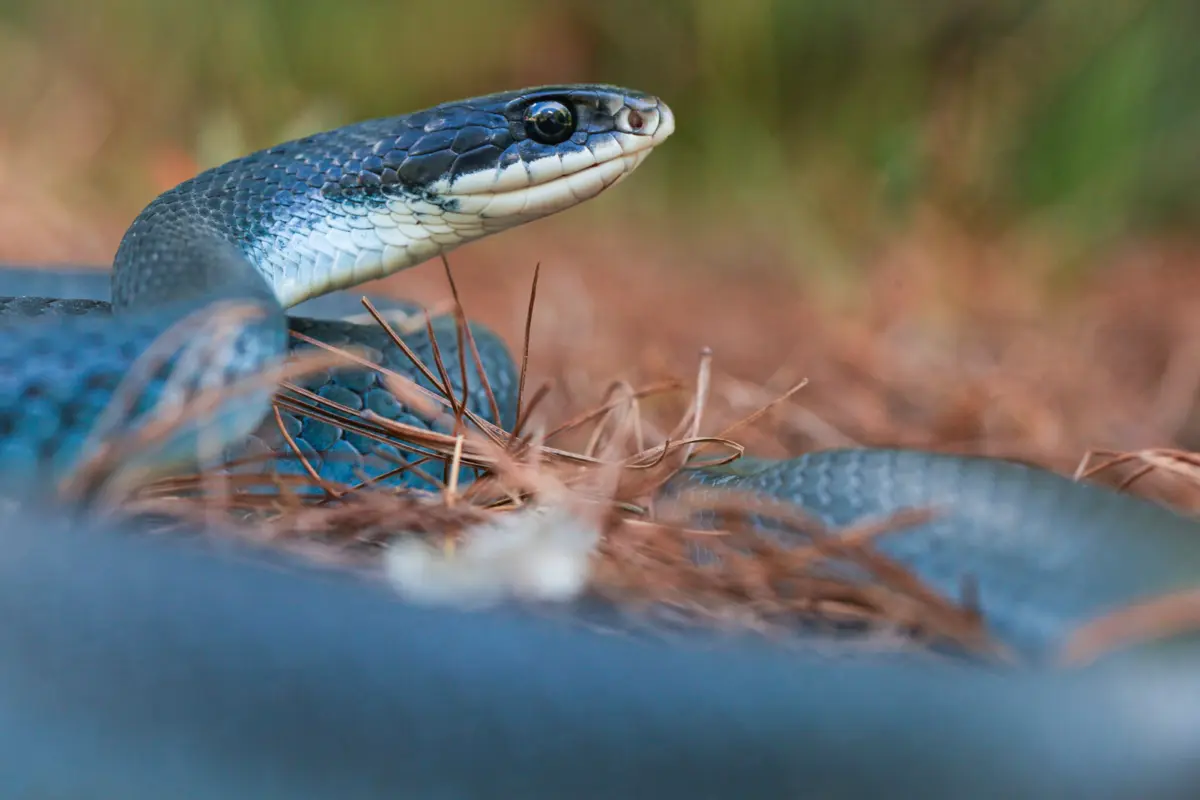
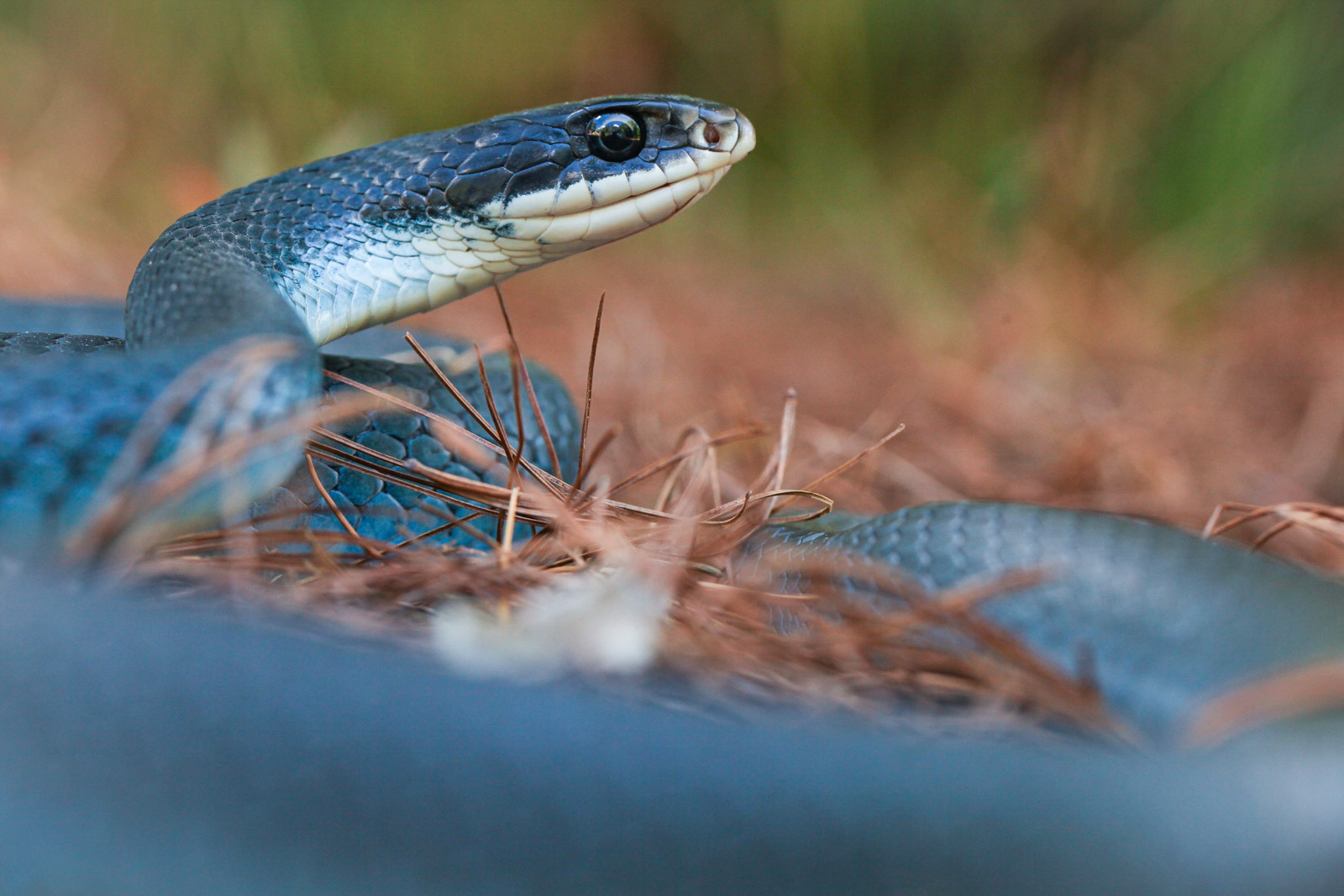
Snakes, lizards, frogs, and salamanders are prime candidates for macro-level investigation. Covered in complex scales, intricate patterns, and often featuring rainbow-reflective properties (structural coloration), cold-blooded creatures provide striking textures.
Key Challenge: Movement speed and safety (in the case of venomous species).
Best Approach: Utilizing off-camera flash systems to accentuate skin textures and create dramatic, moody highlights.
2. Birds (Micro-Anatomy)
While full bird portraits generally require long telephoto lenses, macro opportunities frequently present themselves in feathers, talons, beaks, and eyes. Isolating these elements reveals abstract patterns and vibrant pigments invisible from a distance.
3. Mammals
Mammalian macro photography is admittedly fleeting, relying heavily on field craft and luck. However, capturing the dense weave of a fox’s fur, the intricate patterns of a rodent’s whiskers, or the reflective surface of an animal’s eye yields deeply intimate portraits.
4. Marine Life and Intertidal Zones
With specialized underwater housings, a subterranean macro universe opens up. Creatures such as nudibranchs (sea slugs), crustaceans, and tiny fish display hyper-vibrant colour palettes. Their underwater environment naturally diffuses light, creating ethereal conditions for close-up work.
5. Fungi
Perhaps the most overlooked subject is also the most cooperative: fungi. Because they do not move, they offer an ideal testing ground for beginners. Fungi boast unique gilled surfaces, pores, and cap textures that, when framed correctly, produce high-impact, abstract art.
Essential Gear and Technical Know-How
Success in small-subject macro wildlife photography hinges on assembling the correct kit and mastering foundational techniques.
The Macro Lens and Budget Alternatives
A dedicated macro-capable lens (offering 1:1 magnification) is the gold standard. However, for photographers on a budget, extension tubes or close-up diopter filters attached to existing lenses provide an affordable entry point without sacrificing optical quality.
Lighting: The Ultimate Game Changer
In macro photography, light is often more critical than the camera body itself. Natural light is rarely strong enough at the narrow apertures (such as f/11) required to maintain an acceptable depth of field.
The Flash: While built-in camera pop-up flashes can work in a pinch, off-camera flashes or dedicated ring lights give the photographer directional control.
The Diffuser: Harsh, direct flash creates ugly specular highlights and deep shadows. Using a foldable diffuser for body-mounted flashes or a softbox for off-camera units softens the light, wrapping it smoothly around the subject.
Camera Stabilization in the Field
Unlike studio macro work—which often utilizes heavy tripods and focus-stacking rails—wildlife macro photography demands mobility.
Handheld Technique: Holding the camera body firmly with two hands, with a flash mounted directly above the lens axis, is the industry standard for mobile shooters.
Ground-Level Support: For low-dwelling subjects like toads or fungi, a flexible beanbag or small bean-filled towel provides a stable, highly adaptable platform superior to rigid tripods.
Camera Settings for Success
Aperture: Start at f/11 as a sweet spot, balancing sharpness against diffraction.
Focusing: Utilize manual focus or precise single-shot autofocus points, locking your focal plane onto critical anchor points like the eye, scale pattern, or leading edge of a feather.
Format:Always shoot in RAW. Fleeting wildlife encounters often result in exposure errors; RAW files provide the dynamic range needed to recover lost shadow and highlight detail during post-processing.
Official Responses and Industry Guidelines: Ethical Considerations
As macro photography surges in popularity, environmentalists and wildlife organizations have voiced concerns over the physical welfare of small animals. Leading nature photography associations emphasize that no photograph is worth harming a living creature or its habitat.
"The best photographers are capable of achieving outstanding imagery without disturbing the animal in front of them," notes conservation outreach literature. "Honing your technical skills in a controlled, indoor environment beforehand ensures you are quick, efficient, and respectful in the field."
Key ethical guidelines endorsed by professionals include:
Minimize Disturbance: Never move an animal to a "better" background if it places the creature under undue stress or exposes it to predators.
Species Awareness: Educate yourself via field guides before heading into the wild. Know whether a species is legally protected, venomous, or vulnerable to human pathogens (such as chytrid fungus transmission in amphibians).
Habitat Respect: Avoid trampling delicate undergrowth, breaking branches, or stripping mosses to gain a clearer line of sight to a subject.
Implications: Changing How We See the World
The transition toward overlooked macro subjects carries profound implications for both the photographer and the public.
For the practitioner, mastering macro wildlife photography builds an extraordinary level of field patience, mental resilience, and ecological awareness. It forces creators to slow down, observe the microscopic mechanics of ecosystems, and overcome technical hurdles in high-stress, fast-moving environments.
For the audience, these images challenge our human-centric perspective. By scaling down our field of view to reveal the complex geometry of a snake’s scale, the iridescent armor of an aquatic crustacean, or the velvet texture of woodland fungi, we foster a deeper appreciation for biodiversity. Ultimately, macro photography proves that Earth’s most compelling stories are often written in miniature—waiting only for those patient enough to look closer.