

By Investigative Journalism Desk
Published: August 2026
If you are paying top dollar for "organic" honey, convinced you are supporting a chemical-free ecosystem and safeguarding your health, you might want to take a closer look at the jar’s fine print. A groundbreaking new lawsuit filed by American honey producers, activists, and legal experts alleges that a significant portion of imported organic honey sold across the United States is bypassing rigorous safety regulations. This loophole potentially defrauds consumers, undermines domestic producers, and casts a long shadow over the integrity of global organic food certifications.
1. Main Facts: The Core Allegations of Honey Fraud
At the center of the legal challenge is a lawsuit filed by Bruce Kaser—a certified organic farmer, activist, and attorney—acting on behalf of domestic honey producers. The suit targets the systemic exploitation of trade and certification loopholes that allow foreign honey, predominantly sourced from Brazil, to bear the coveted USDA organic label without undergoing the stringent, on-the-ground verification required of American farmers.
According to the legal complaint, U.S. consumers who rely on the USDA organic seal as a guarantee that honey is produced by bees foraging in agrichemical-free environments are being misled.
- The Scale of Imports: Approximately 80% of all honey consumed in the United States is imported.
- The Brazil Connection: A massive share of imported "organic" honey originates in Brazil, a nation characterized by intensive conventional agriculture and high pesticide consumption.
- The Core Inconsistency: While domestic organic farmers must comply with strict annual inspections by USDA-accredited certifiers, imported honey often slips through regulatory gaps via international equivalency agreements.
"U.S. consumers who rely on the USDA organic seal to guarantee honey is produced by bees feeding in an agrichemical-free environment are being defrauded," Kaser stated.
2. Chronology: How the Loophole Developed and Unraveled
To understand how foreign honey manages to bypass strict American standards, one must trace the mechanics of international organic certification agreements and historical precedents in food fraud.
The Precedent of Grain Fraud (2017)
The current crisis in the honey market is not an isolated incident. In 2017, an investigative report by The Washington Post exposed millions of pounds of fake "organic" grains entering the United States from Eastern Europe. That scandal demonstrated how foreign agricultural products could acquire organic status on paper without meeting domestic growing standards, shaking the confidence of the broader food industry and prompting calls for tighter import controls.
The Rise of Global Honey Demand and Regulatory Lags
As consumer demand for organic, raw, and functional foods skyrocketed over the past decade, the global supply chain struggled to keep pace. Domestic American beekeepers, facing habitat loss, colony collapse disorder, and high operational costs, found themselves competing with a tidal wave of inexpensive foreign imports.
The Equivalency Arrangement Vulnerability
Under current regulatory frameworks, the U.S. sometimes recognizes foreign organic certification systems through equivalency arrangements. In the case of much of South America’s honey exports, certification has frequently relied on standards set or influenced by third-party nations—such as Canada—rather than direct, on-site inspections by USDA-accredited agents.
Critics note that Canadian standards for organic honey production permit certain variances compared to strict U.S. interpretations, particularly regarding buffer zones and surrounding conventional agricultural practices. This administrative bridge has created a backdoor, enabling honey produced near heavily sprayed, conventional monocultures in Brazil to be legally marketed as "USDA Organic" in American supermarkets.
3. Supporting Data: Pesticides, Adulteration, and Market Realities
The legal challenge brings to light a troubling nexus of heavy pesticide use in exporting nations and widespread economic adulteration within the global honey trade.
The Brazilian Agricultural Landscape
Brazil is one of the world’s largest consumers of agricultural pesticides, a reality driven by government permissiveness toward large-scale agribusiness, according to a 2023 study published in Hygiene and Environmental Advances.
To protect bees and consumers from environmental contaminants, USDA organic standards mandate that organic honey must be produced in areas featuring a strict 10-square-mile buffer zone between beehives and the nearest conventional, agrichemical-treated farmland. In a country like Brazil, where intensive farming operations dominate vast landscapes, maintaining such expansive chemical-free buffer zones is exceptionally difficult, raising serious questions about how these honey supplies achieve organic certification in the first place.
Global Adulteration and Syrup Dilution
Beyond false organic labeling, honey remains one of the most frequently adulterated food products on earth, according to data from the Journal of Food Protection.
- European Union Findings: A comprehensive EU investigation conducted between 2021 and 2022 discovered that nearly 47% of all honey imported into the European Union was suspected of adulteration, frequently diluted with cheap, industrial rice or corn syrups.
- U.S. Food and Drug Administration (FDA): Recent FDA testing revealed that approximately 4% of sampled honey products in the U.S. contained unauthorized, cheaper sweeteners.
- Health Implications: Research published in the journal Foods highlights that consuming honey adulterated with refined corn or rice syrups can trigger sharper blood sugar spikes than pure, natural honey. Over time, frequent consumption of these hidden sugars can elevate the risk of metabolic syndrome, insulin resistance, and type 2 diabetes.
4. Official Responses and Industry Stakeholders
The lawsuit has ignited intense debate among agricultural regulators, consumer advocacy groups, and commercial honey producers.
Domestic beekeepers and trade associations have long argued that lax enforcement of import rules creates an uneven playing field. American producers invest considerable time, land, and financial resources to meet the rigorous physical inspection requirements mandated by the USDA. When foreign competitors can circumvent these inspections through bureaucratic loopholes, it depresses market prices and undercuts honest producers who prioritize ecological stewardship.
Meanwhile, federal agencies face mounting pressure from consumer watchdogs and lawmakers to close import loopholes, increase border testing for synthetic syrup adulteration, and mandate direct, on-site audits for any foreign farm or cooperative wishing to export organic goods to the United States.
While major importers and certifiers maintain that their administrative processes comply with existing international trade frameworks, the legal action spearheaded by Kaser aims to force judicial intervention, demanding stricter oversight and accountability from the agencies tasked with protecting the organic seal.
5. Implications: What This Means for Consumers and the Future of Organic Food
The fallout from the imported honey lawsuit extends far beyond breakfast tables—it strikes at the core of consumer trust in food labeling.
The Value of Genuine Honey
When authentic, raw, and unfiltered, honey is celebrated not only for its culinary versatility but also for its scientifically documented health benefits. Research published in medical and nutritional journals links local, raw honey to:

- Allergy Mitigation: Local pollen exposure can help desensitize allergy sufferers.
- Antimicrobial and Antioxidant Properties: Particularly evident in specialty honeys like Manuka honey, which boasts high polyphenol and methylglyoxal (MGO) content that supports immune function and digestion.
- Metabolic Support: Unlike refined sugars, pure raw honey contains live enzymes, vitamins, and minerals that interact more favorably with human metabolism when consumed in moderation.
How Consumers Can Protect Themselves
Until regulatory bodies enact sweeping reforms to close foreign certification loopholes, consumers must take proactive steps to ensure the authenticity and purity of the honey they purchase:
- Buy Local and Direct: Whenever possible, purchase raw, unfiltered honey directly from local beekeepers at farmers’ markets or regional co-ops. Local honey is rarely subjected to large-scale industrial blending or questionable import pathways.
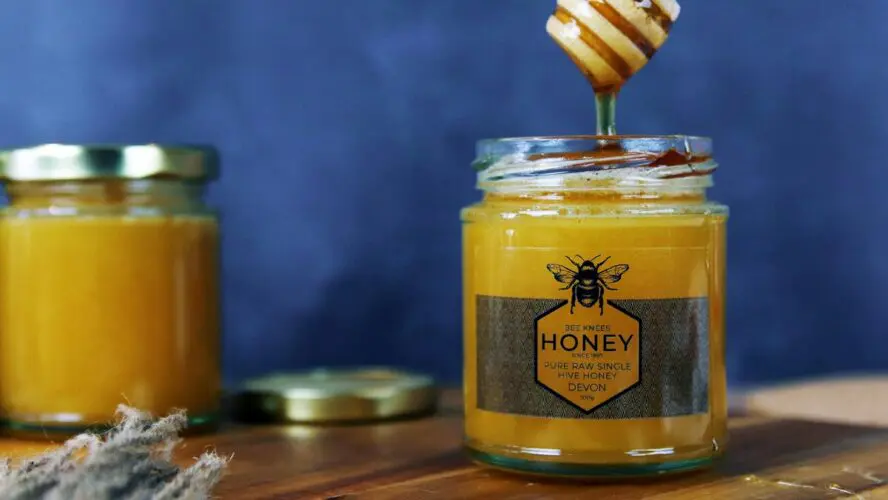
- Inspect the Jar: True raw honey is often cloudy or crystallized due to the natural presence of microscopic bits of pollen, propolis, and beeswax, which contribute to its superior flavor and polyphenol density.
- Research Brand Transparency: If buying from major grocery stores, look for brands that provide radical transparency regarding their sourcing. Seek out mission-driven companies—such as Nate’s—that voluntarily submit their products to independent, third-party laboratory testing to verify purity and confirm the absence of added syrups or chemical residues.
- Demand Policy Change: Consumers can support domestic organic agriculture and push for regulatory reform by writing to federal representatives, demanding that all imported organic goods meet the exact same on-the-ground inspection standards enforced for domestic farmers.
As the legal battle over imported organic honey unfolds in the courts, it serves as a stark reminder that the organic seal is only as strong as the enforcement mechanisms behind it. By staying informed and voting with their wallets, conscious consumers can help protect the bees, support ethical producers, and ensure that true purity remains the gold standard of the honey industry.
