

Main Facts: The Intersection of Long-Range Travel, Lifestyle, and Drivetrain Choices
The debate over the future of personal transportation has moved past the simplistic binary of gas versus electric. Instead, a nuanced conversation is taking place among early adopters and everyday drivers alike: is a pure battery-electric vehicle (BEV) always the superior choice, or do plug-in hybrid electric vehicles (PHEVs) offer a necessary bridge for specific lifestyles, geographic constraints, and heavy-duty utility?
For more than a decade, pure BEVs have captured the imagination of environmentalists and tech enthusiasts, praised for their whisper-quiet operation, rapid acceleration, minimal maintenance requirements, and zero tailpipe emissions. However, real-world constraints—such as heavy accessory loads (like rear bike racks), long-distance road trips across remote regions with sparse fast-charging infrastructure, and cold-weather battery degradation—continue to challenge the pure-EV paradigm for certain users.
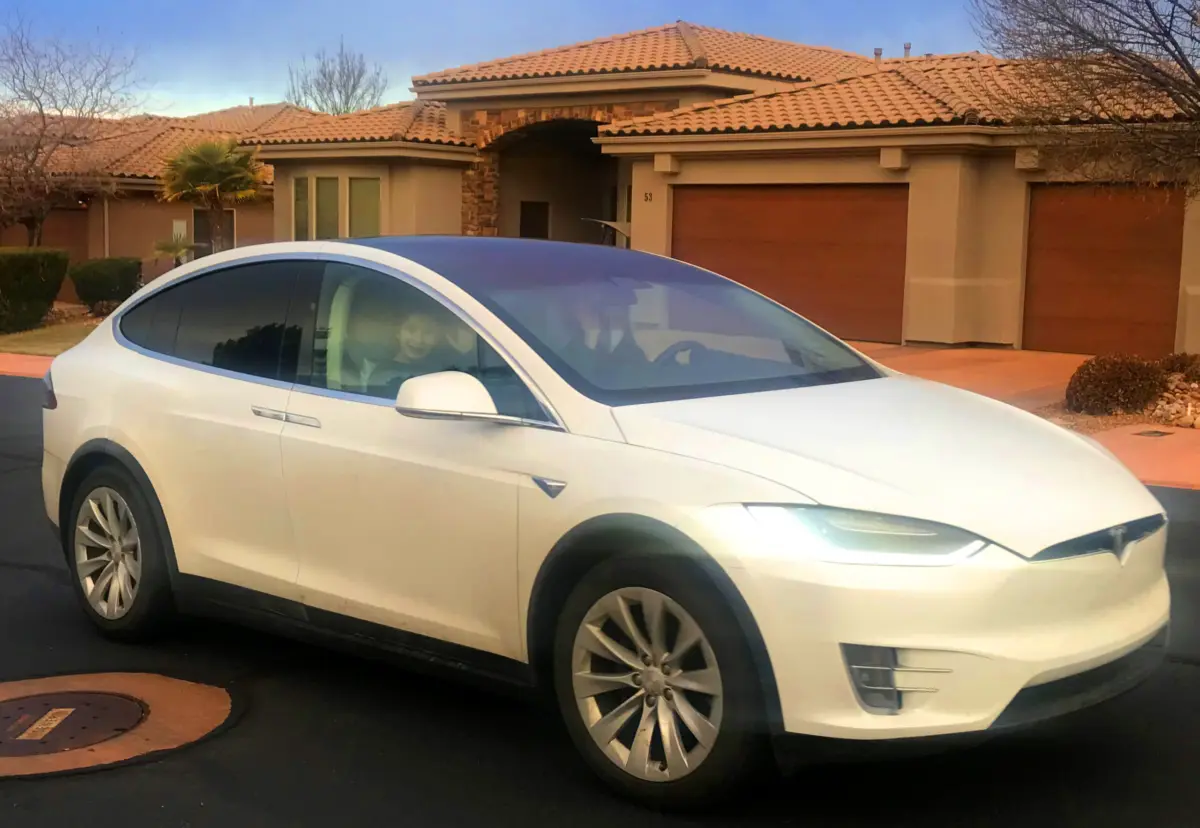
Enter modern plug-in hybrids. With manufacturers expanding electric-only ranges to upwards of 50 miles per charge—exemplified by models like the 2026 Toyota RAV4 PHEV—some long-time EV advocates are finding that a dual-drivetrain setup can effectively combine local zero-emission commuting with uninterrupted long-haul flexibility. Yet, this convenience comes with mechanical trade-offs, bringing a return to combustion-engine maintenance and dual-system complexity.
Chronology: A 12-Year Evolution of Electric Vehicle Adoption
The Pioneer Era (2014)
Over twelve years ago, the consumer electric vehicle market offered a sparse menu of choices. Early adopters faced stark compromises:
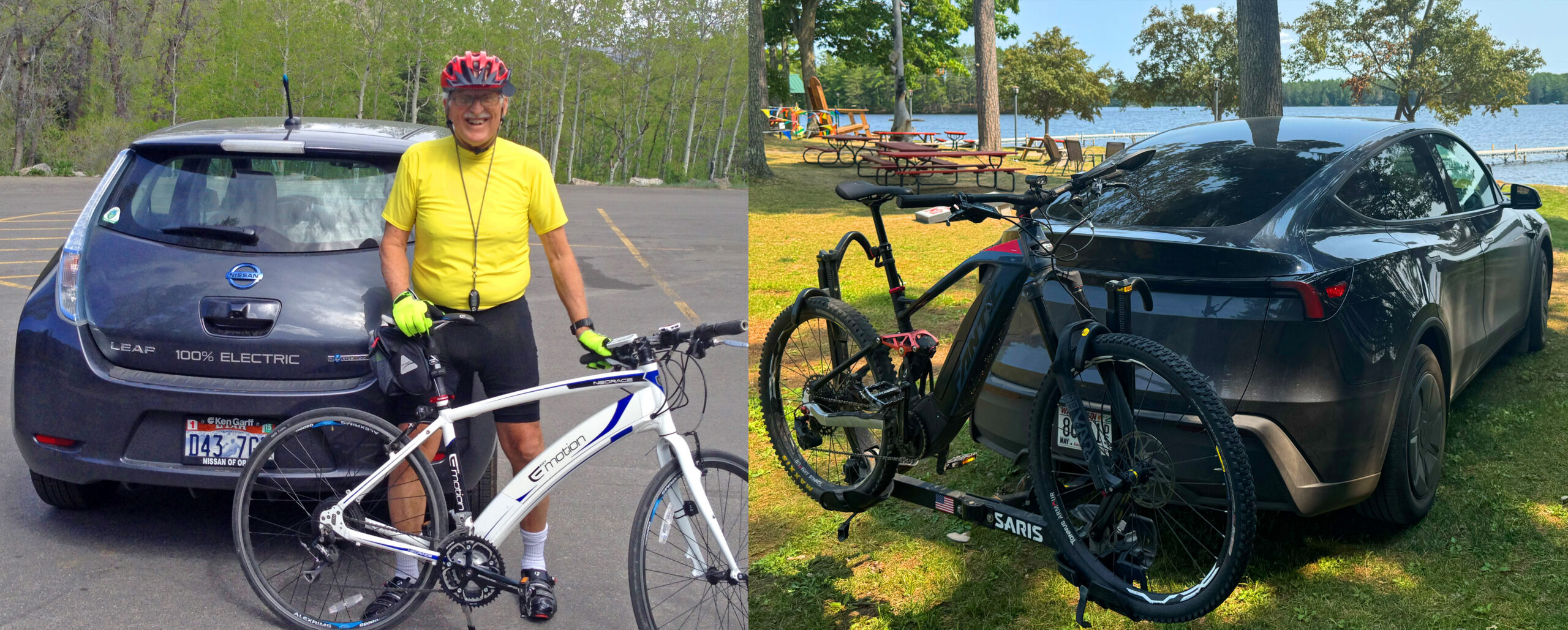
- Nissan Leaf: A smooth, quiet, 5-seater hatchback offering roughly 80 miles of pure electric range, ideal for local suburban commuting.
- Chevy Volt: A 4-seater plug-in hybrid featuring approximately 40 miles of pure electric range backed up by a gasoline engine.
For many early converts, the choice was clear. The desire to make an uncompromising environmental statement, combined with the mechanical simplicity of a pure BEV, steered buyers away from dual-drivetrain hybrids. Over the subsequent decade, long-term EV owners cycled through successive generations of Nissan Leafs and long-range Tesla models (such as the Model 3 and Model Y), adapting seamlessly to public charging networks and never looking back at the internal combustion engine.
The Peak-BEV Lifestyle and Its Limits (2018–2024)
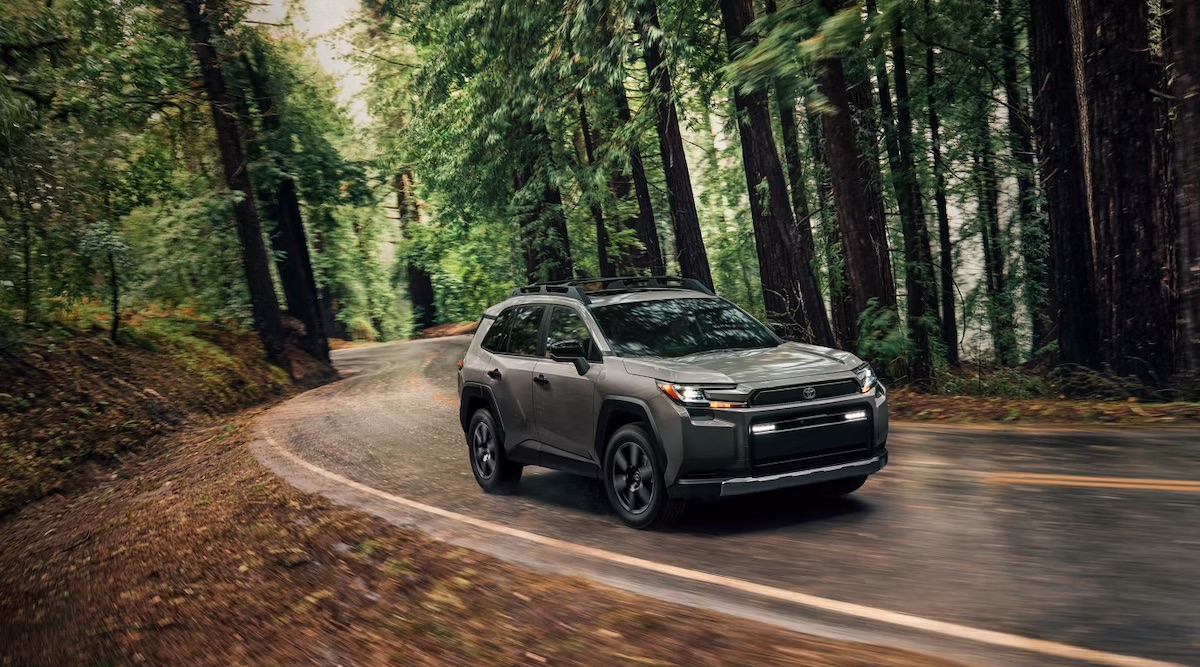
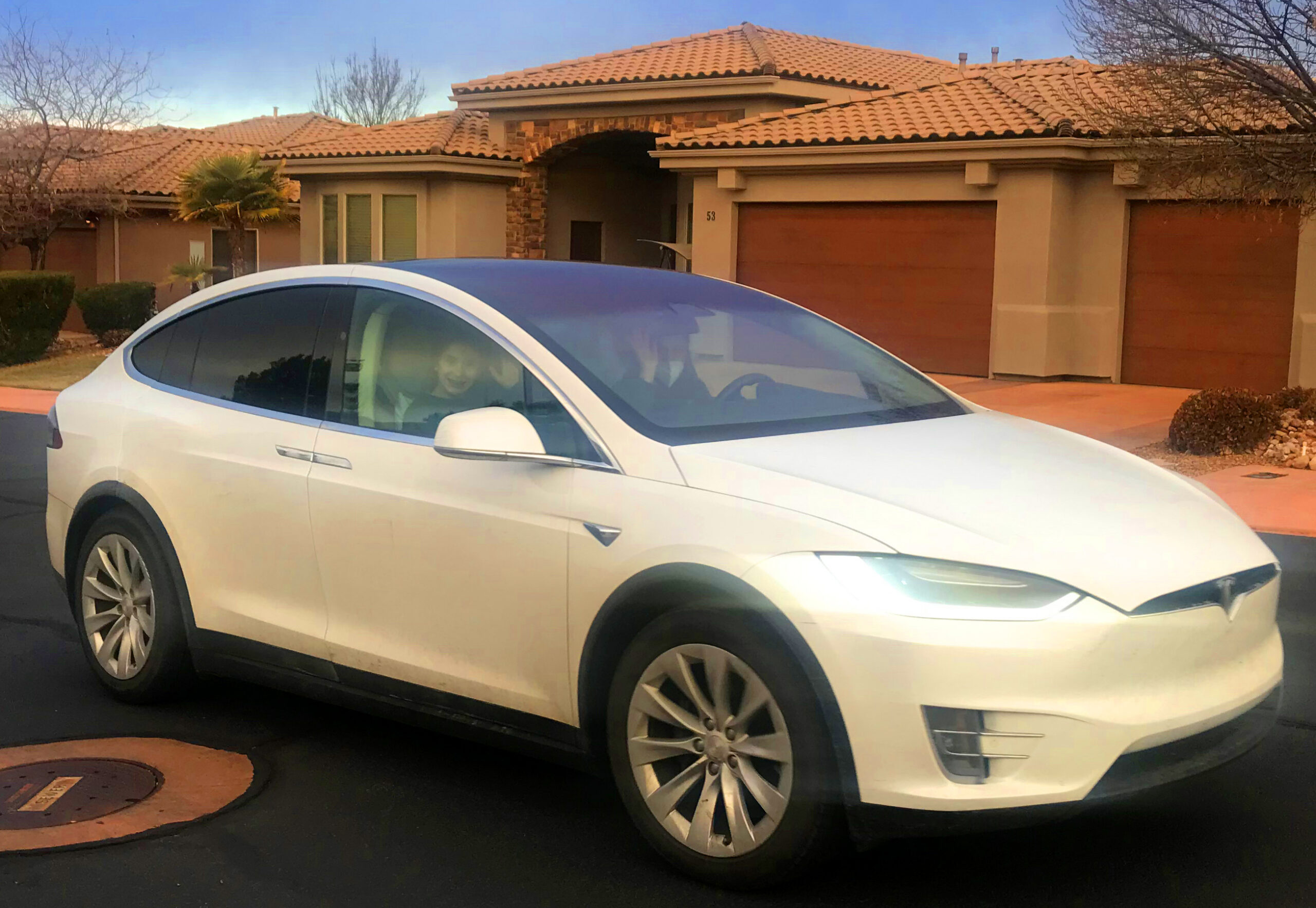
By 2018, longer-range electric SUVs—such as the Tesla Model X—opened up outdoor recreation lifestyles, offering 300 miles of range, robust all-wheel drive for winter snow, and ample cargo space for bicycles and ski gear. For urban-suburban dwellers with reliable home garage charging, these vehicles proved transformative.

However, structural edge cases began to emerge. Enthusiasts engaging in long-haul outdoor recreation noted a severe vulnerability: mounting external gear like mountain bikes on a rear rack dramatically increased aerodynamic drag, cutting highway range significantly. For cross-regional road trips through sparsely populated corridors, frequent charging stops turned routine journeys into grueling, time-consuming endeavors.
The Modern Pivot and the 2026 Landscape
By 2026, shifting life circumstances—such as relocating to rural lake houses in regions with sparse Supercharger deployment (e.g., Northern Wisconsin)—pushed certain multi-year EV owners to re-evaluate their garage lineups. At the same time, automakers updated their PHEV offerings. Toyota dropped the "Prime" moniker in favor of straightforward plug-in hybrid designations for vehicles like the Prius and RAV4, while simultaneously boosting electric-only range past the 50-mile mark. For outdoor enthusiasts needing a built-in hitch, heavy utility capacity, and zero-compromise long-distance road-tripping, high-range PHEVs carved out a compelling new niche.
Supporting Data: BEV vs. PHEV Efficiency, Maintenance, and Infrastructure
Evaluating the long-term viability of modern electric and hybrid vehicles requires analyzing three key pillars: mechanical simplicity, charging infrastructure realities, and real-world efficiency metrics.
Drivetrain Complexity and Maintenance
- Pure BEVs: Feature an astonishingly simple mechanical layout. They lack transmissions, exhaust systems, catalytic converters, oil pans, and traditional multi-gear gearboxes. With regenerative braking handling the vast majority of deceleration duties, friction brakes experience minimal wear and can often last the entire lifespan of the vehicle. Electric motors are engineered for exceptional longevity (potentially exceeding one million miles), and modern battery thermal management systems mean contemporary traction batteries routinely outlast the structural components of the vehicle itself.
- Plug-In Hybrids (PHEVs): Combine two separate drivetrains. Owners must manage an electric motor, a high-voltage battery pack, and a full internal combustion engine complete with fuel systems, exhaust plumbing, and oil requirements. While drivers who diligently plug in daily can execute 90% of their local errands on electricity—thereby avoiding frequent trips to gas stations—they remain tied to annual oil changes, emissions inspections, and the long-term wear associated with high-heat combustion mechanics.
Infrastructure and Charging Behavior
The success of any plug-in vehicle hinges heavily on charging access:
- Level 1 Charging (110V household current): Replenishing a modern PHEV battery via a standard wall outlet can take upwards of 10 hours. Many casual owners fail to install dedicated Level 2 (240V) hardware, leading to low utilization of the electric drivetrain and higher reliance on gasoline.
- Level 2 Charging (240V): When paired with a home-installed 240V charger—often leftover from a previous pure BEV ownership experience—a high-range PHEV can fully replenish its battery in just 2 to 3 hours. This makes daily local electric driving effortless.
- Long-Distance Travel: While DC fast-charging infrastructure continues its rapid expansion across major US highway corridors, remote recreational pockets (such as northern lake country or rural mountain passes) still suffer from sparse fast-charger density. In these regions, a high-efficiency hybrid powertrain eliminates range anxiety entirely, offering a combined gas-and-electric cruising range exceeding 500 miles without requiring public charging stops.
Official Responses and Industry Insights
Automotive analysts and manufacturers have adopted increasingly pragmatic stances regarding the energy transition, moving away from rigid mandates toward consumer choice.
Industry data indicates that while pure battery-electric vehicles remain the undisputed gold standard for urban commuting, central highway corridors, and minimal-maintenance ownership, plug-in hybrids serve as a vital bridge technology. By capturing drivers who might otherwise remain locked into traditional, high-emitting internal combustion vehicles, high-range PHEVs significantly lower municipal carbon footprints during daily local operations.
Furthermore, automakers have adjusted their nomenclature and marketing strategies to match consumer sentiment. Simplifying designations—such as eliminating esoteric sub-brand names like "Prime" in favor of clear, direct labeling—reflects a maturing market where consumers want transparent specifications: exact electric-only range, total combined range, and charging compatibility.
Implications: The Future of Consumer Choice in Clean Mobility
The ongoing coexistence of pure BEVs and advanced plug-in hybrids carries profound implications for the automotive market, energy grid management, and environmental policy.
- Tailored Infrastructure Over One-Size-Fits-All: The experience of rural homeowners and outdoor athletes demonstrates that electric vehicle adoption cannot rely on a single drivetrain solution. While urban centers benefit immensely from aggressive pure-BEV adoption supported by dense DC fast-charging networks, rural and recreational regions require either an aggressive buildout of remote chargers or an acceptance of transitional technologies like high-range PHEVs.
- Battery Resource Optimization: From a macro-environmental perspective, building five PHEVs with 50-mile electric ranges consumes roughly the same critical battery minerals (lithium, cobalt, nickel) as building one long-range pure BEV with a massive battery pack. If those five PHEVs execute 90% of their daily driving on electricity, the net carbon offset per ton of mined minerals can be remarkably high, easing immediate supply chain bottlenecks.
- The Ultimate Verdict: For drivers rooted in suburban or urban environments with reliable access to home charging and established highway supercharger routes, the pure battery-electric vehicle remains the superior, maintenance-free choice. However, for those whose lifestyles demand heavy towing, remote cross-country gear hauling through unserved regions, and absolute immunity to charging infrastructure gaps, the modern long-range plug-in hybrid proves that compromise does not automatically mean a step backward—it simply represents a different tool tailored for a specific journey.
