

By Investigative Reporting Desk
Published: August 2026
Introduction: The High-Stakes Battle Over Corporate Accountability
In early August, a contentious legislative battle concluded on Capitol Hill with the defeat of a proposed Farm Bill amendment that struck at the heart of public health and corporate accountability in American agriculture. Voted down strictly along party lines, the amendment—championed by Senator Cory Booker—sought to restore a fundamental consumer right: the ability to sue pesticide manufacturers for failing to warn users of proven, severe health risks associated with their products.
The legislative defeat follows closely on the heels of a landmark Supreme Court decision that prioritized federal pesticide labeling over state-level consumer protections. Critics argue that the intersection of this judicial ruling and the blocked amendment grants agrochemical giants unprecedented immunity, leaving everyday farmers, agricultural workers, and rural communities defenseless against toxic exposures. As lawmakers lock horns over the future of agricultural regulation, environmental health advocates are shifting their focus to emergency federal petitions, demanding accountability from agencies tasked with protecting public health.
Main Facts: What the Defeated Amendment Meant for Public Health
The core issue surrounding Senator Booker’s proposed amendment involves the legal liabilities of pesticide manufacturers and the safety of the millions of Americans who handle or live near agricultural chemicals.
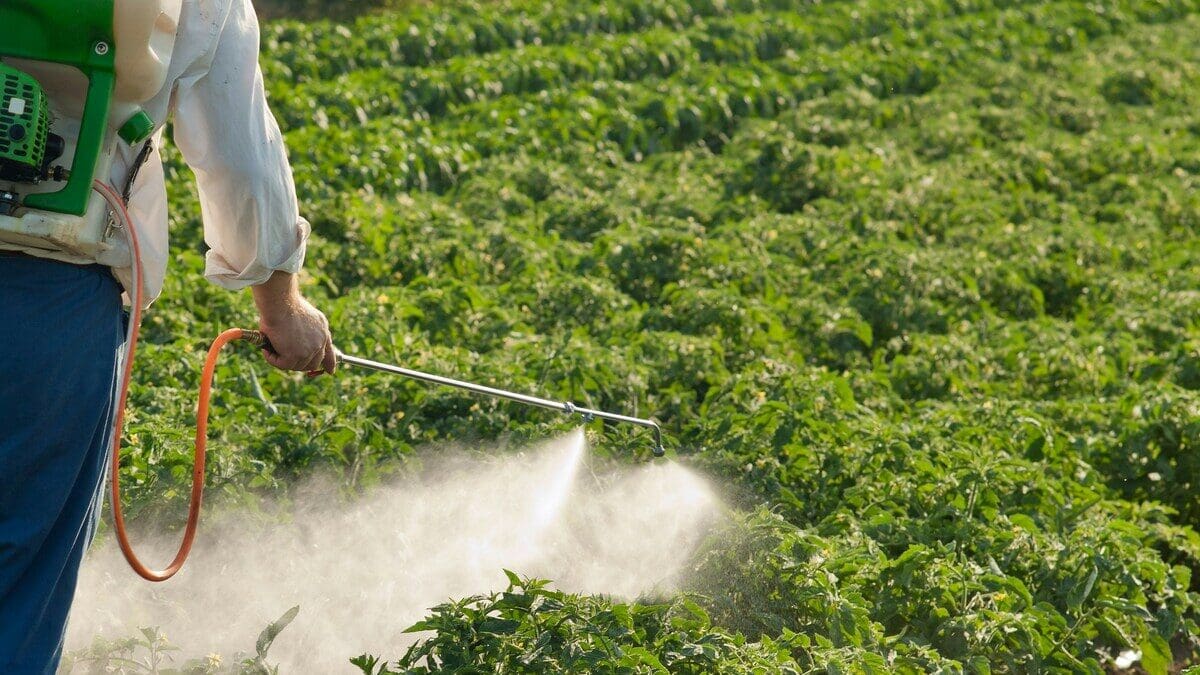
- The Legislative Push: Senator Booker introduced the Farm Bill amendment to counteract a recent shift in legal precedent. Had it passed, the legislation would have explicitly allowed cancer victims and injured consumers to sue pesticide producers for a "failure to warn."
- The Partisan Divide: The amendment faced staunch opposition, ultimately failing along party lines. Proponents viewed it as a vital safeguard for human health, while opponents aligned with agricultural and industrial interests maintained that a uniform federal standard is necessary to prevent a chaotic patchwork of state-level regulations.
- The Scope of the Crisis: According to data cited in recent environmental petitions, the U.S. Environmental Protection Agency (EPA) has identified nearly 200 pesticide active ingredients with proven links to cancer. Alarmingly, more than 100 of these chemicals remain actively registered for use in the United States without any mandatory public health warnings on their packaging.
Chronology: How the Crisis Unfolded
To understand how the debate over pesticide labeling and corporate liability reached a boiling point in August 2026, it is essential to trace the legal and legislative sequence of events that brought the issue to the national stage.
1. The Legal Precedent: Missouri Court of Appeals vs. Supreme Court (June 2026)
The catalyst for the legislative fight was a significant Supreme Court ruling delivered in June. The high court reversed a lower-court judgment from the Missouri Court of Appeals, which had previously awarded $1 million to John Durnell. Durnell had suffered a non-Hodgkin’s lymphoma diagnosis following two decades of using Roundup—a glyphosate-based herbicide manufactured by Bayer (which acquired Monsanto in a historic agrochemical merger).
The Supreme Court’s reversal hinged on federal preemption. The ruling established that individual states cannot impose labeling or packaging requirements that are "in addition to or different from" those mandated under the federal Federal Insecticide, Fungicide, and Rodenticide Act (FIFRA). Consequently, states were stripped of their authority to compel chemical companies to add stronger health warnings to product labels, regardless of emerging health data.
2. The Legislative Response: Senator Booker’s Farm Bill Amendment (Early August 2026)
Recognizing that the Supreme Court decision effectively shielded agrochemical corporations from accountability, Senator Cory Booker introduced an amendment to the overarching Farm Bill. Booker argued that the judicial ruling handed giant chemical corporations a "free pass when their toxic products make people sick" and granted them "permanent immunity from lawsuits about their failure to warn people about the known health risks of their products." Despite impassioned pleas from public health advocates, the amendment was defeated by a party-line vote in early August.
3. The Non-Profit Counteroffensive: Emergency EPA Petition (July–August 2026)
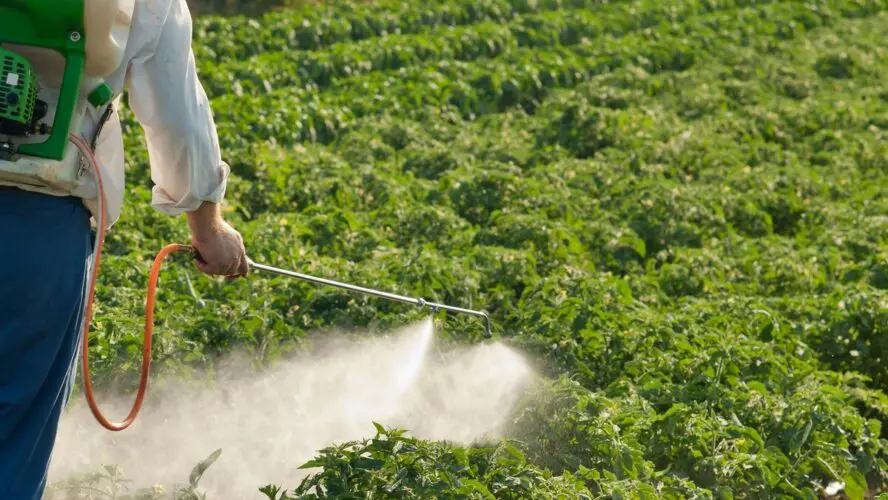
Simultaneously, environmental non-profits mobilized outside of the legislative arena. In July, the Center for Biological Diversity filed an emergency petition demanding that the EPA use its federal authority to mandate cancer warning labels on high-risk pesticide packaging. The petition targets chemicals such as mancozeb, a fungicide linked to elevated ovarian cancer risks, and carbaryl, an organophosphate insecticide associated with increased rates of stomach and esophageal cancers.
Supporting Data: The Disproportionate Toll on Rural Communities
The debate over pesticide warning labels is not merely an abstract legal dispute; it is a matter of life and death for specific segments of the American population.
High Cancer Rates in Agricultural Regions
Pesticide applicators, family farmers, and residents living in rural farming communities experience significantly higher cancer rates compared to the general U.S. population. Because these populations work and live in close proximity to broad-scale chemical applications, their cumulative exposure levels are exponentially higher than those of urban or suburban consumers.
The EPA’s Own Findings on Carcinogenic Ingredients
Data highlighted in the Center for Biological Diversity’s emergency petition reveals a stark disconnect between federal scientific findings and regulatory enforcement:

- 199 Active Ingredients: The EPA’s own evaluations have linked 199 pesticide active ingredients to various forms of cancer.
- 124 Active Registrations: Of those nearly 200 cancer-linked chemicals, 124 remain approved and actively utilized across American agriculture today.
- Absence of Warnings: Despite internal agency data acknowledging these carcinogens, federal rules do not currently require manufacturers to clearly communicate these risks to the farmers and workers handling the products daily.
Nathan Donley, environmental health science director at the Center for Biological Diversity, underscored the simplicity and urgency of the demand. "It’s more important than ever for the EPA to finally start requiring pesticide companies to put cancer warnings on products the agency itself has linked to cancer," Donley stated. "We’re asking for something ridiculously easy. Just warn the public of the serious health risks the EPA already knows about. In other words, do your job."
Official Responses and Institutional Stances
The conflict over pesticide liability has drawn sharp lines between corporate lobbies, federal agencies, and public health advocates.
- Agrochemical Industry Perspective: Manufacturers maintain that federal oversight by the EPA provides a scientifically rigorous and uniform standard for pesticide safety. Industry representatives argue that allowing individual states—or individual trial lawyers—to dictate product warning labels creates an unworkable regulatory environment that undermines national commerce and contradicts federal safety reviews.
- Legislative Proponents: Lawmakers like Senator Booker argue that relying solely on federal regulation has left a dangerous loophole. By blocking both state-level lawsuits and mandatory warning labels, the current system protects corporate balance sheets at the expense of poisoned workers.
- The EPA’s Official Stance: When approached regarding the emergency petition filed by environmental advocates, the EPA press office issued a brief and non-committal response: "As with all petitions, EPA will evaluate the incoming petition." Observers note that while the agency evaluates the legal arguments, immediate regulatory changes remain uncertain.
Broader Implications: Where Do Consumers and Farmers Go From Here?
The defeat of the Farm Bill amendment and the ongoing legal battles surrounding glyphosate and other toxic chemicals signal a critical juncture for American agriculture.
- The Erosion of State-Level Protections: With federal preemption solidified by the Supreme Court, states have lost a vital legal tool to protect their citizens. Consumers who fall ill from chronic chemical exposure now face immense legal hurdles in seeking compensation or holding manufacturers liable.
- The Burden on Rural Health: As long as chemical companies enjoy protection from "failure to warn" litigation and federal packaging requirements remain static, the burden of illness falls disproportionately on rural America. Farmers and agricultural workers remain on the front lines of chemical exposure without clear, transparent warnings about the materials they handle.
- The Pivot to Administrative Advocacy: With legislative avenues temporarily closed due to partisan gridlock in Congress, advocacy groups are placing increased pressure on federal agencies. The success of emergency petitions like the one filed by the Center for Biological Diversity will serve as a primary litmus test for whether the executive branch is willing to bridge the gap between scientific findings and consumer safety.
As the debate continues to unfold, the fundamental question remains: Will federal policy evolve to prioritize the health of farmers and consumers, or will corporate immunity continue to dictate the terms of American agriculture? For millions of individuals living in rural communities, the answer carries profound, long-term consequences.
