

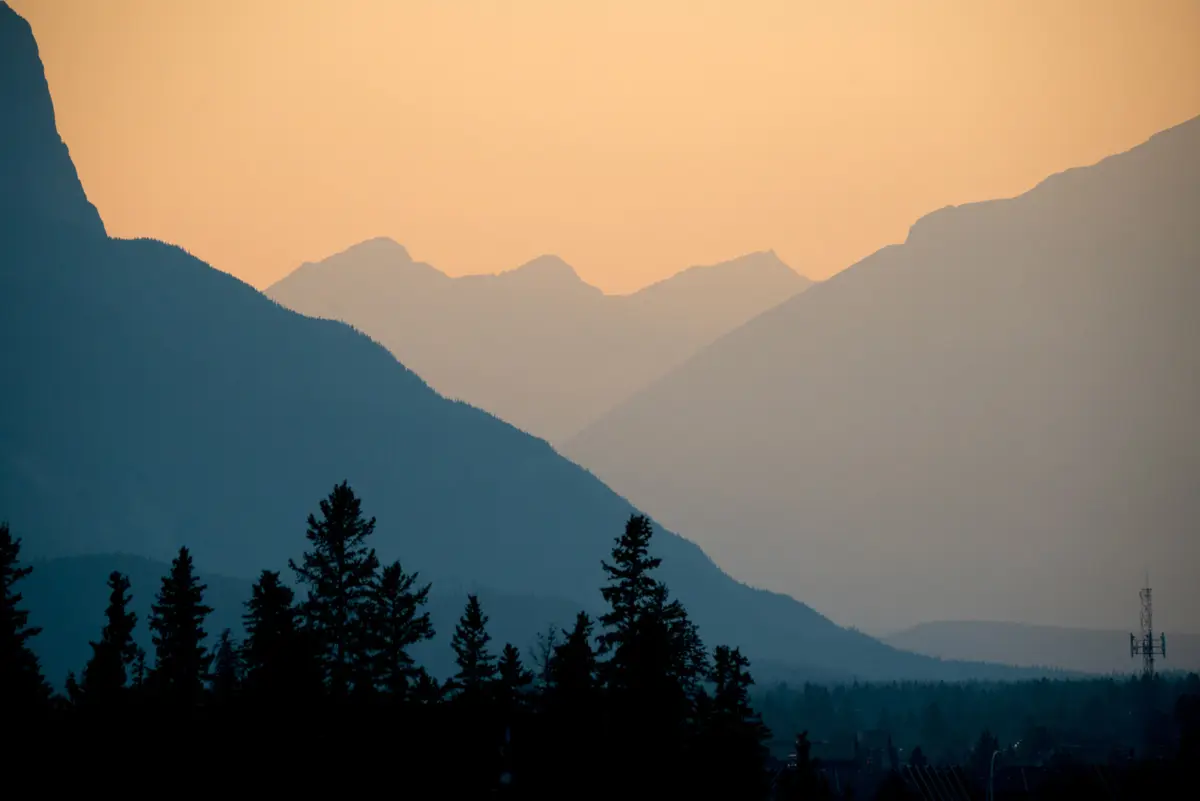
In the realm of visual storytelling, light is not merely a tool for exposure—it is the very substance of photography. While modern camera sensors possess staggering dynamic ranges and high-ISO capabilities that allow shooters to capture details in near-darkness, the fundamental truth of visual art remains unchanged: the quality of light dictates the emotional resonance, depth, and impact of an image.
Whether an artist is chasing the fleeting, amber hues of a coastal sunrise, navigating the deep shadows of an ancient temperate forest, or tracking wildlife backlit by a blazing evening sun, understanding illumination is the ultimate differentiator. This comprehensive guide explores the physics, philosophy, and practical application of light across four distinct photographic disciplines: wildlife, landscape, underwater, and macro photography.
The Main Facts: Why Light is the Cornerstone of Visual Art
At its core, photography literally translates to "drawing with light." Without it, capturing a three-dimensional world onto a two-dimensional sensor is impossible. However, moving past technical documentation into artistic expression requires mastering four primary characteristics of light: quality, direction, color temperature, and intensity.
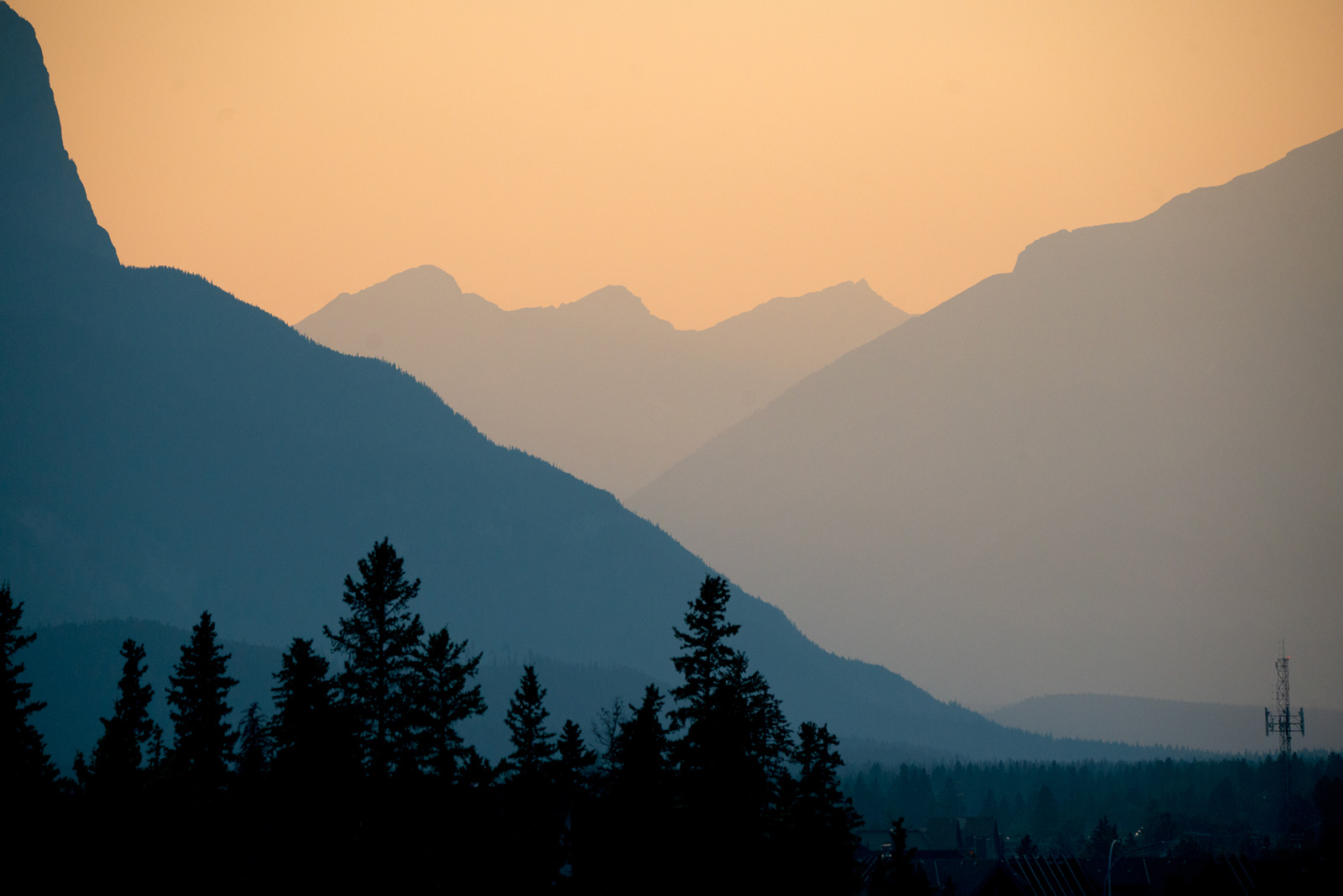
- Quality (Hard vs. Soft): Hard light—produced by harsh, direct sun or point-source strobes—creates crisp, well-defined shadows with high contrast. Soft light, diffused by clouds, mist, or shade, wraps around subjects, yielding gentle gradients and subtle transitions.
- Direction: Front light flattens a subject, removing dimension. Side light emphasizes texture and contours. Backlight (or rim lighting) separates a subject from its background, creating an ethereal, glowing silhouette.
- Color Temperature: Measured in Kelvin, light shifts from the cool blues of twilight and open shade to the warm, golden tones of the golden hour, and finally to the stark whites of midday.
- Intensity: The sheer volume of light dictates shutter speeds, aperture choices, and ISO constraints, fundamentally shaping the technical parameters of the shot.
Mastering these variables transforms casual image-making into intentional art.
Chronology and Evolution: From Natural Reliance to Controlled Illumination
The journey of understanding photographic light has evolved in parallel with technological advancements in camera gear and lighting modifiers.
The Era of Available Light (Pre-20th Century)
Early nature and landscape photographers were entirely beholden to natural atmospheric conditions. Heavy glass plates and low-sensitivity emulsions meant that shooters relied almost exclusively on bright, midday sunlight, often leading to stark, high-contrast, and flat imagery. It wasn’t until the late 19th and early 20th centuries that photographers began actively exploiting the "golden hours" surrounding dawn and dusk to introduce mood and emotional depth into their frames.

The Rise of Artificial Lighting (Mid-to-Late 20th Century)
As portable flash bulbs, and later electronic strobes, entered the market, macro and wildlife photographers began experimenting with artificial illumination. This technological leap allowed shooters to freeze motion in dense canopies, illuminate nocturnal creatures, and balance harsh background exposures with fill light.
The Modern Digital Era (21st Century)
Today, digital sensors with exceptional low-light performance, paired with sophisticated LED panels, high-speed sync strobes, and advanced post-processing tools, give photographers unprecedented control. Modern nature photographers no longer just "find" light—they shape, diffuse, and enhance it across environments as varied as deep ocean trenches and microscopic forest floors.
Supporting Data and Technical Perspectives: Light Across Diverse Ecosystems
To truly elevate one’s portfolio, a photographer must adapt their lighting strategies to the specific environmental challenges of their subject matter.

Lighting in Wildlife Photography
Wildlife rarely poses on command, meaning photographers must anticipate where the light will fall rather than moving the subject.
- The Power of Backlighting: Shooting toward the sun creates a striking rim-light effect around fur, feathers, and manes. This technique transforms ordinary animal portraits into dramatic, fine-art pieces.
- Early Morning and Late Evening: Active fauna is most frequently encountered during twilight hours. Utilizing low-angle light not only prevents harsh overhead shadows on an animal’s face but also bathes the surrounding habitat in rich, saturated colors.
Lighting in Landscape Photography
Landscape photography is an exercise in patience and predictive planning. Mastery goes far beyond calculating exposure values; it requires interpreting atmospheric shifts.
- Dynamic Range Management: High-contrast scenes—such as a bright sky paired with a dark forest floor—require a deep understanding of graduated neutral density (GND) filters, digital blending, or exposure bracketing.
- Weather as a Diffuser: Overcast days, often dismissed by amateurs, provide the ultimate soft-box effect for forest interiors, eliminating distracting hotspots and allowing rich greens and damp earthy tones to pop.
Lighting in Underwater Photography
Water is an aggressive filter of light. As you descend, longer wavelengths (reds, oranges, and yellows) are rapidly absorbed within the first few meters, leaving images monochromatic and blue-green.

- The Role of Artificial Strobes: Underwater macro and wide-angle shooters rely heavily on off-camera strobes or video lights to restore lost color spectrums.
- Backscatter Mitigation: Positioning strobes outward and away from the camera lens prevents the built-in flash from illuminating suspended particles in the water column, ensuring crisp, clean images of marine life.
Lighting for Macro Photography
In the miniature world, scale changes everything. Working inches away from insects, amphibians, or botanical details introduces unique lighting challenges.
- Diffusion is King: Direct flash on a glossy beetle or wet leaf creates blinding specular highlights. Macro photographers routinely employ mini softboxes, diffusers, or twin-flash setups to wrap light gently around minuscule subjects.
- Harnessing Natural Filters: Morning dew drops act as natural macro lenses and prisms. Utilizing sidelight through a dew-covered spider web can reveal breathtaking, jewel-like refractions.
Official Industry Perspectives and Expert Insights
Prominent figures in the fields of nature, conservation, and commercial imagery consistently emphasize that gear is secondary to a foundational understanding of illumination.
Renowned wildlife conservation photographers frequently note that the most compelling images are rarely captured during the middle of the day. Instead, they champion the philosophy of "chasing the edges of the day"—maximizing the twilight hours when animal behavior peaks and light quality is at its most malleable.

Similarly, master landscape artists stress that composition is dictated entirely by where the light draws the human eye. An ordinary subject illuminated by extraordinary, transient light (such as a sudden break in storm clouds hitting a distant mountain peak) will always outperform an iconic subject trapped under flat, uninspired midday glare.
Implications: Elevating Your Portfolio and Future-Proofing Your Skill Set
The implications of mastering photographic lighting extend far beyond immediate aesthetic improvements.
- Reduced Reliance on Post-Processing: Getting the light right "in-camera" preserves dynamic range, minimizes digital noise, and dramatically cuts down editing time in software like Adobe Lightroom or Photoshop.
- Creative Independence: Understanding how to modify available light or introduce artificial sources (such as subtle fill flashes in macro or off-camera strobes in wildlife scenarios) empowers photographers to shoot in challenging conditions where others pack up their gear.
- Market Differentiation: In a digital landscape saturated with millions of daily uploads, technical competence is no longer enough. Images driven by intentional, dramatic, or delicate lighting choices are precisely what distinguish professional-grade portfolios from snapshots.
Conclusion
Lighting remains the ultimate variable in photography—the invisible brush with which every image is painted. By stepping out of the comfort zone of midday shooting and deeply studying how light behaves across wildlife habitats, sweeping vistas, underwater trenches, and macro ecosystems, photographers can unlock an entirely new dimension of visual storytelling.

Harness these fundamental principles, experiment with the natural and artificial tools at your disposal, and watch your imagery transform from ordinary documentation to extraordinary art.
