

Executive Summary: Main Facts of the Case
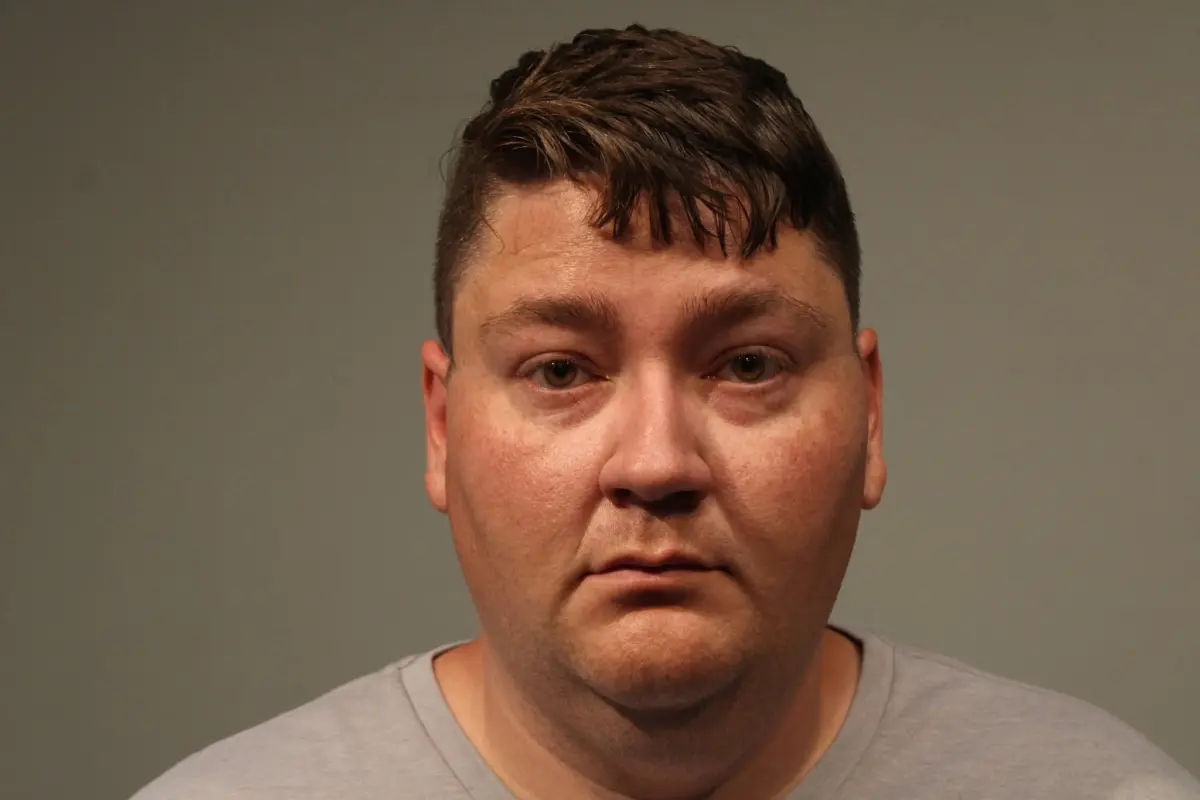
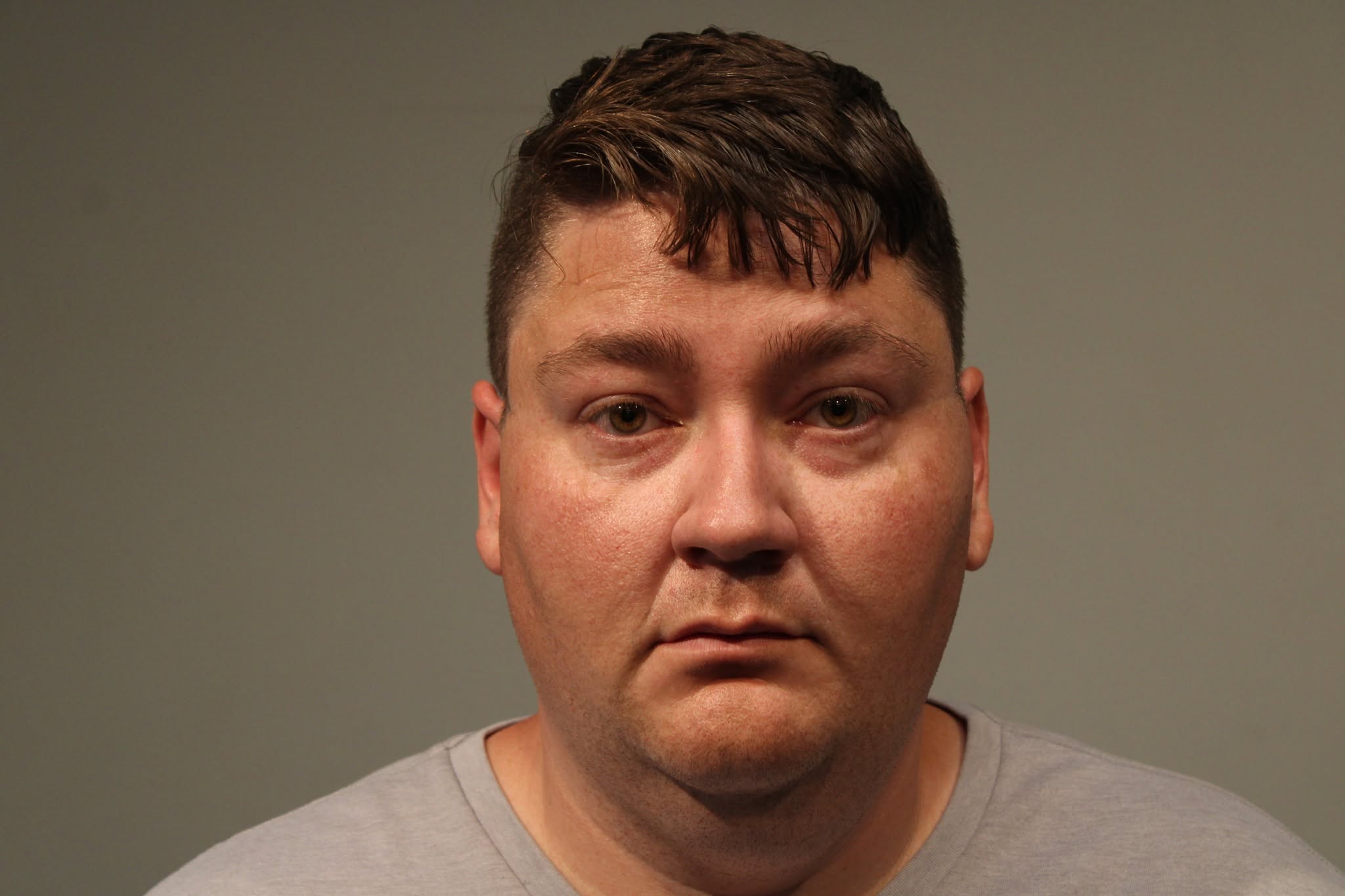
In August 2026, the Yavapai County Sheriff’s Office (YCSO) announced a significant expansion of the criminal case against 31-year-old Chester Cox of Cottonwood, Arizona. Cox, a former employee at Dr. Daniel Bright Elementary School, was initially arrested in June 2026 on severe allegations of historical child molestation. Following a comprehensive forensic analysis of electronic devices seized during his arrest, law enforcement officials uncovered evidence of a systemic, surreptitious recording operation targeting minor students within the school.
The subsequent investigation revealed that Cox had installed hidden video-recording devices in spaces under his direct control at Dr. Daniel Bright Elementary School. These locations included his classroom and a connected, private single-use restroom. Multiple minor children were secretly filmed without their knowledge or consent. On August 21, 2026, YCSO booked Cox on numerous additional charges, including surreptitious videotaping and the sexual exploitation of a minor. Cox remains in custody at the Yavapai County Detention Center, held without bond.
Chronology of Events
The legal proceedings and investigation surrounding Chester Cox developed over several months in 2026, moving from historical allegations to the discovery of active, technology-facilitated exploitation.
+-----------------------------------------------------------------+
|                           JUNE 2026                             |
| Initial arrest of Chester Cox following reports of historical   |
| child molestation. Six initial charges filed; held without bond.|
+------------------------------------+----------------------------+
                                     |
                                     v
+-----------------------------------------------------------------+
|                       JUNE - AUGUST 2026                        |
| YCSO detectives execute search warrants on Cox's electronic    |
| devices. Forensic analysis reveals hidden classroom footage.    |
+------------------------------------+----------------------------+
                                     |
                                     v
+-----------------------------------------------------------------+
|                         MID-AUGUST 2026                         |
| Physical search of Dr. Daniel Bright Elementary School; hidden  |
| recording devices located in classroom and private restroom.    |
+------------------------------------+----------------------------+
                                     |
                                     v
+-----------------------------------------------------------------+
|                         AUGUST 21, 2026                         |
| YCSO publicly announces new findings. Additional charges of     |
| surreptitious videotaping and sexual exploitation filed.       |
+-----------------------------------------------------------------+
The June 2026 Arrest and Initial Charges
The case began in June 2026 when the Yavapai County Sheriff’s Office received reports of child molestation involving Cox. The allegations stemmed from incidents that had occurred years prior to the reporting date. Following a preliminary inquiry, detectives established sufficient probable cause to arrest the 31-year-old Cottonwood resident.
Immediately following his arrest, the Yavapai County Attorney’s Office filed six initial felony charges against Cox:
- Three counts of sexual conduct with a minor
- Two counts of child molestation
- One count of continuous sexual abuse of a child
Due to the severity of the charges and the potential risk to public safety, judicial authorities ordered Cox to be held with no bond.
The Forensic Breakthrough
Following the initial arrest, YCSO detectives secured search warrants for Cox’s personal and professional electronic devices, including computers, external hard drives, and mobile phones. During the digital forensic examination, investigators recovered deleted files and hidden directories containing video footage of minor children.
The nature of the footage indicated that the recordings were captured secretly within an educational environment. This discovery shifted the trajectory of the investigation from historical abuse allegations to an active, campus-based surveillance operation.
The August 2026 Discoveries and Additional Bookings
Armed with digital evidence, detectives conducted a physical and targeted sweep of Dr. Daniel Bright Elementary School in Cottonwood. The search focused on areas previously under Cox’s direct control. Investigators located hidden video-recording equipment strategically positioned in Cox’s classroom and inside a private, single-use restroom connected to the room.
On August 21, 2026, the YCSO officially booked Cox on a new set of charges. These additional counts reflect the volume of illicit recordings recovered and the specific locations where the devices were deployed.
Supporting Data and Evidence Recovered
The expansion of the criminal case against Chester Cox relies heavily on physical and digital evidence processed by specialized forensic units.
Digital Forensics and Device Analysis
During the execution of the search warrant on Cox’s electronic devices, investigators utilized advanced data recovery techniques to retrieve media that had been hidden, encrypted, or marked for deletion. The recovered files contained video recordings of children in various states of undress and performing routine classroom and restroom activities.
| Metric / Category | Details |
|---|---|
| Suspect | Chester Cox, 31, Cottonwood, AZ |
| Primary Location | Dr. Daniel Bright Elementary School |
| Specific Rooms Involved | Designated classroom and connected single-use private restroom |
| Types of Devices Recovered | Hidden miniature cameras, local storage media, personal electronics |
| Current Distribution Status | No evidence of online or peer-to-peer distribution detected to date |
| Current Custody Status | Held at Yavapai County Detention Center, no bond |
Placement of Recording Devices
According to the Yavapai County Sheriff’s Office, the recording devices were placed surreptitiously to avoid detection by school staff, janitorial services, and students.
- Classroom Surveillance: Devices were positioned to capture student interactions and movements within the instructional area.
- Restroom Surveillance: A hidden camera was placed inside the private, single-use restroom connected to the classroom, specifically targeting children utilizing the facility.
Detectives confirmed that the children captured in the footage appeared entirely unaware of the cameras. A key finding of the investigation, as of late August 2026, is that there is no active evidence suggesting Cox distributed, uploaded, or shared the recorded material online or with third parties. The files appear to have been kept for personal access, though forensic analysis of network traffic and cloud storage accounts remains ongoing.
Official Responses and Institutional Cooperation
The revelation of hidden cameras at Dr. Daniel Bright Elementary School prompted immediate coordination between law enforcement, school administrators, and victim advocacy groups.
Yavapai County Sheriff’s Office Action Plan
Following the identification of the victims from the recovered video files, the YCSO initiated a victim notification protocol. Detectives contacted the families of all identified children individually to inform them of the situation.
The Sheriff’s Office has provided these families with:
- Crisis intervention resources
- Professional mental health counseling referrals
- Comprehensive information regarding victim rights under Arizona law
In an official press release, the YCSO emphasized the sensitivity of the case and requested community restraint:
"The Sheriff’s Office recognizes the extremely serious nature of this case. To protect the privacy and well-being of the victims, it respectfully asks the community not to share or post any information that could reveal the identity of the victims or their families, now or in the future."
Cottonwood-Oak Creek School District Cooperation
The Cottonwood-Oak Creek School District cooperated fully with the Yavapai County Sheriff’s Office throughout the investigation. School administrators granted detectives unrestricted access to the campus, academic records, and facilities to ensure a thorough sweep for any remaining recording devices.
The district has reportedly implemented internal reviews of its security protocols, personnel vetting procedures, and classroom safety measures in response to the incident. Administrative actions regarding Cox’s employment status were finalized swiftly following his initial arrest in June.
Implications for School Safety and Digital Privacy
The criminal case against Chester Cox highlights broader vulnerabilities regarding physical security, digital privacy, and personnel monitoring within public education systems.
The Challenge of Consumer-Grade Spy Technology
The proliferation of inexpensive, high-definition, and easily concealable recording devices presents a growing challenge for school security. Modern "spy cameras" can be disguised as everyday objects, such as:
- USB chargers
- Smoke detectors
- Wall hooks
- Pen holders
Because these devices often operate on internal batteries or draw power from standard outlets while recording to internal micro-SD cards, they do not require complex wiring, making them difficult to detect during standard physical inspections.
Policy Reforms and Preventive Measures
In the wake of cases involving surreptitious recording in schools, educational policymakers and security experts recommend several systemic reforms:
- Regular Electronic Sweeps: Implementing periodic sweeps of semi-private and private school areas—such as restrooms, changing utility rooms, and locker rooms—using radio frequency (RF) detectors and lens-finder equipment.
- Strict Classroom Modifications: Restricting employees from making unauthorized physical modifications to classrooms or installing personal electronic appliances (e.g., custom clocks, personal air purifiers, or unapproved chargers) where cameras could easily be hidden.
- Enhanced Auditing of Connected Restrooms: Restricting or redesigning classroom layouts to ensure that private restrooms connected directly to classrooms are subject to strict administrative oversight and clear visibility of entry/exit points by multiple staff members.
- Comprehensive Digital Vetting: Expanding background checks for educational employees to include forensic sweeps of public social media footprints and deeper continuous monitoring of professional conduct.
The legal proceedings against Chester Cox will continue in the Yavapai County Superior Court, where he faces a complex combination of historical abuse charges and modern, technology-facilitated exploitation offenses.
