

Published August 28, 2026
Yoga retreats can be many things: transformative (cliché, but entirely true), adventurous, deeply relaxing, and occasionally physically challenging. The precise way your experience plays out depends on a multitude of factors, including your underlying motivation for attending, the philosophy of your teacher, the style of yoga practiced, the destination itself—and, crucially, your packing list.
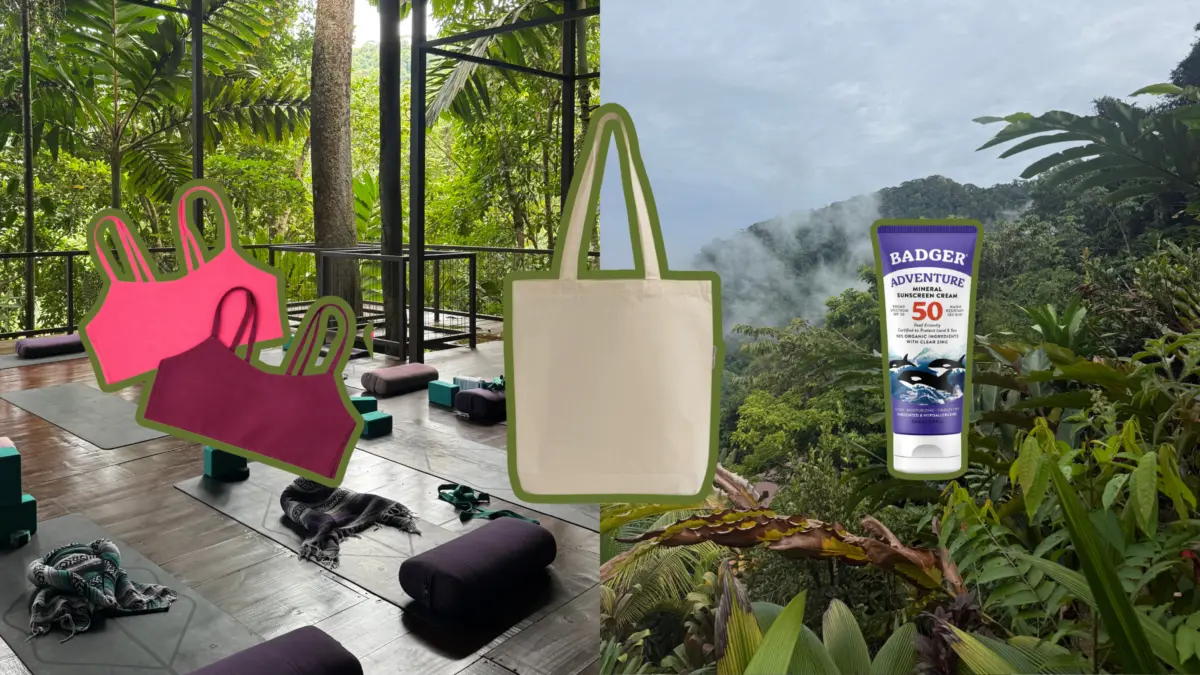
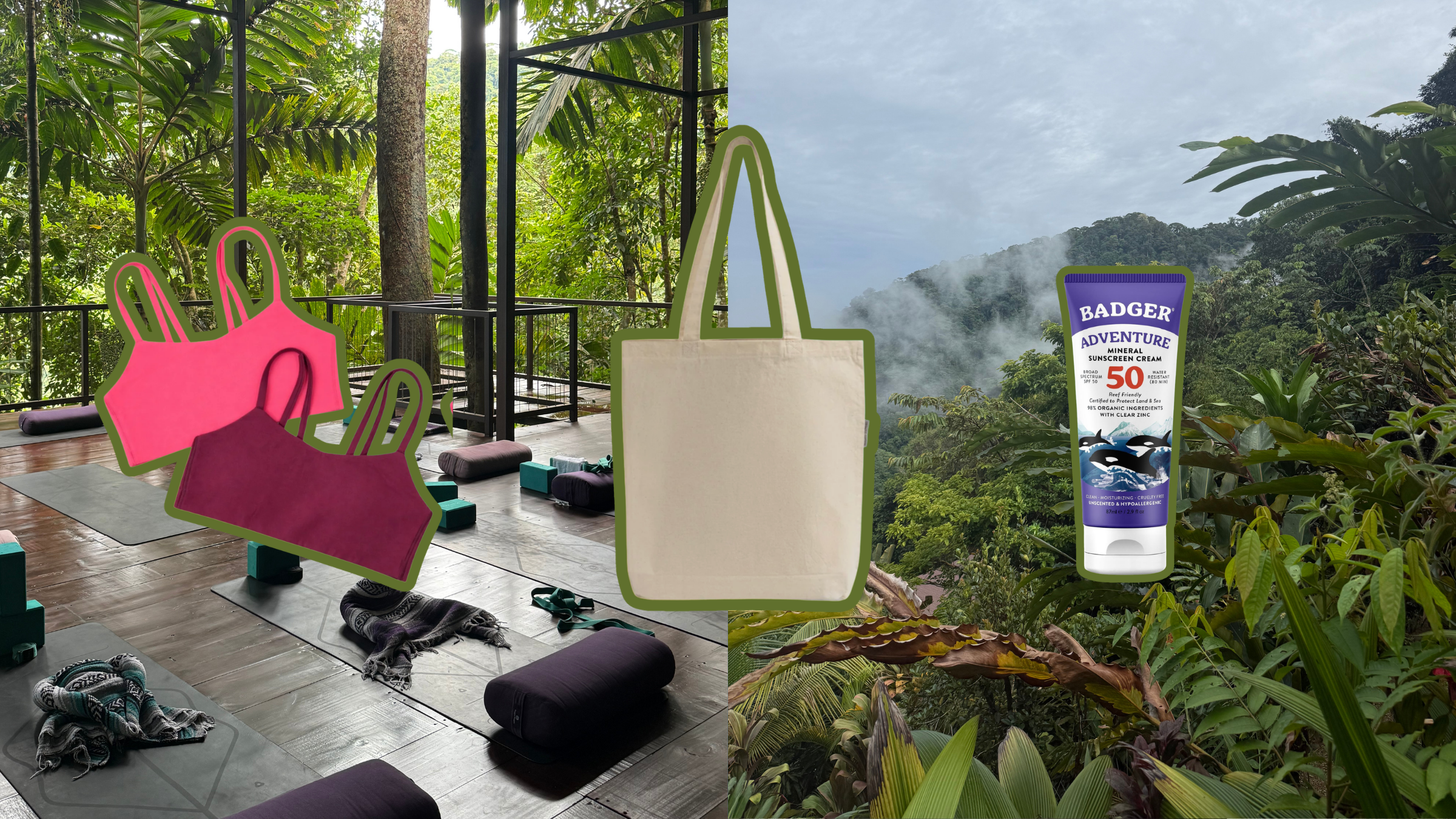
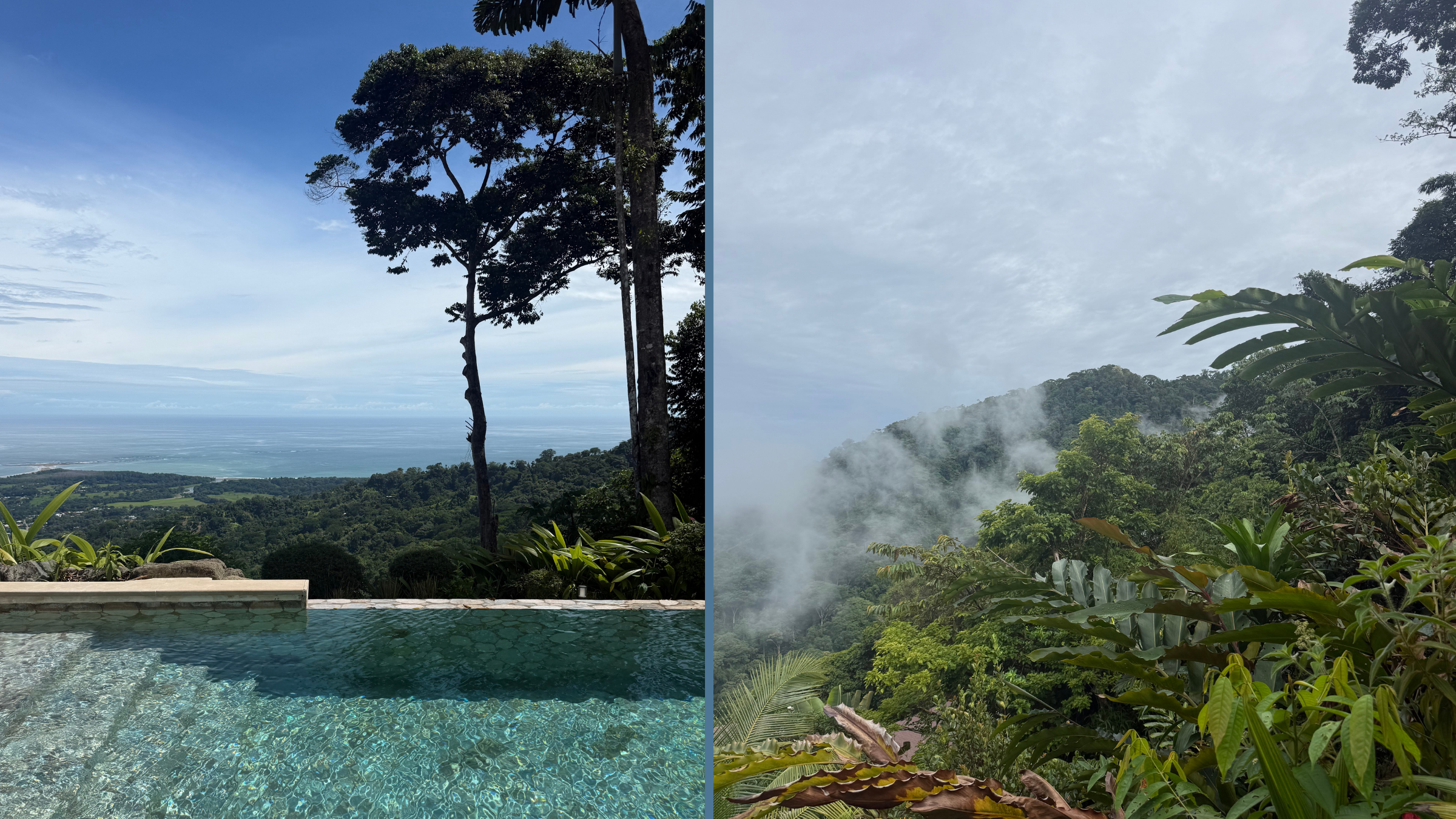
These realities were underscored during a recent yoga retreat hosted at Vista Celestial, an exclusive getaway perched high in the jungled hills of Uvita, Costa Rica. While the resort offered high-end amenities—ranging from complimentary umbrellas to efficient laundry service—that could have minimized the burden of over-packing, the experience reinforced a golden rule of travel: packing light yields peace of mind. Still, finding the right balance between necessary items and comforting personal luxuries requires intentional curation.
Main Facts: The Philosophy of Minimalist Travel
For seasoned travelers and frequent retreat-goers, the minimalist approach consistently proves superior. Traveling with carry-on luggage only is not merely a preference; it is a strategic advantage that eliminates baggage claim delays, reduces transit stress, and forces a disciplined evaluation of what is truly essential versus what is merely superfluous.
On a recent trip to Costa Rica, the reality of tropical climates quickly exposed the uselessness of certain items. Three polished blouses and a silk slip dress brought for potential evenings out remained largely untouched, worn only briefly for photography sessions or a short dinner excursion to a neighboring property. Similarly, a heavy sweatshirt and a light jacket took up valuable luggage space while serving no practical purpose in the humid Central American climate.
The core takeaway is simple: research the destination’s regional culture, expected weather patterns, and planned activities prior to departure. Tailoring a capsule wardrobe around these factors ensures absolute comfort and success, while leaving unnecessary garments at home.
Chronology: A Retreater’s Journey Through the Costa Rican Jungle
To understand the practical application of a minimalist packing list, it helps to trace the timeline of a typical tropical retreat experience from preparation to daily execution.
Phase 1: Pre-Departure Curation (Weeks Before)
The adventure begins at home weeks before departure. This is the stage where research dictates gear selection. Knowing that Uvita, Costa Rica features a delicate balance of pristine beaches, steep rainforest trails, and unpredictable tropical downpours allows the traveler to swap out fashion-forward apparel for high-performance outdoor wear.
Phase 2: Transit and Arrival (Days 1–2)
Navigating international airports and regional transport with a single carry-on bag streamlines the journey. Upon arrival at Vista Celestial, the transition from travel gear to retreat attire is immediate. The humid jungle air makes lightweight, breathable fabrics an instant necessity, instantly validating the decision to skip heavy jackets and structured evening wear.
Phase 3: Daily Immersion (Days 3–6)
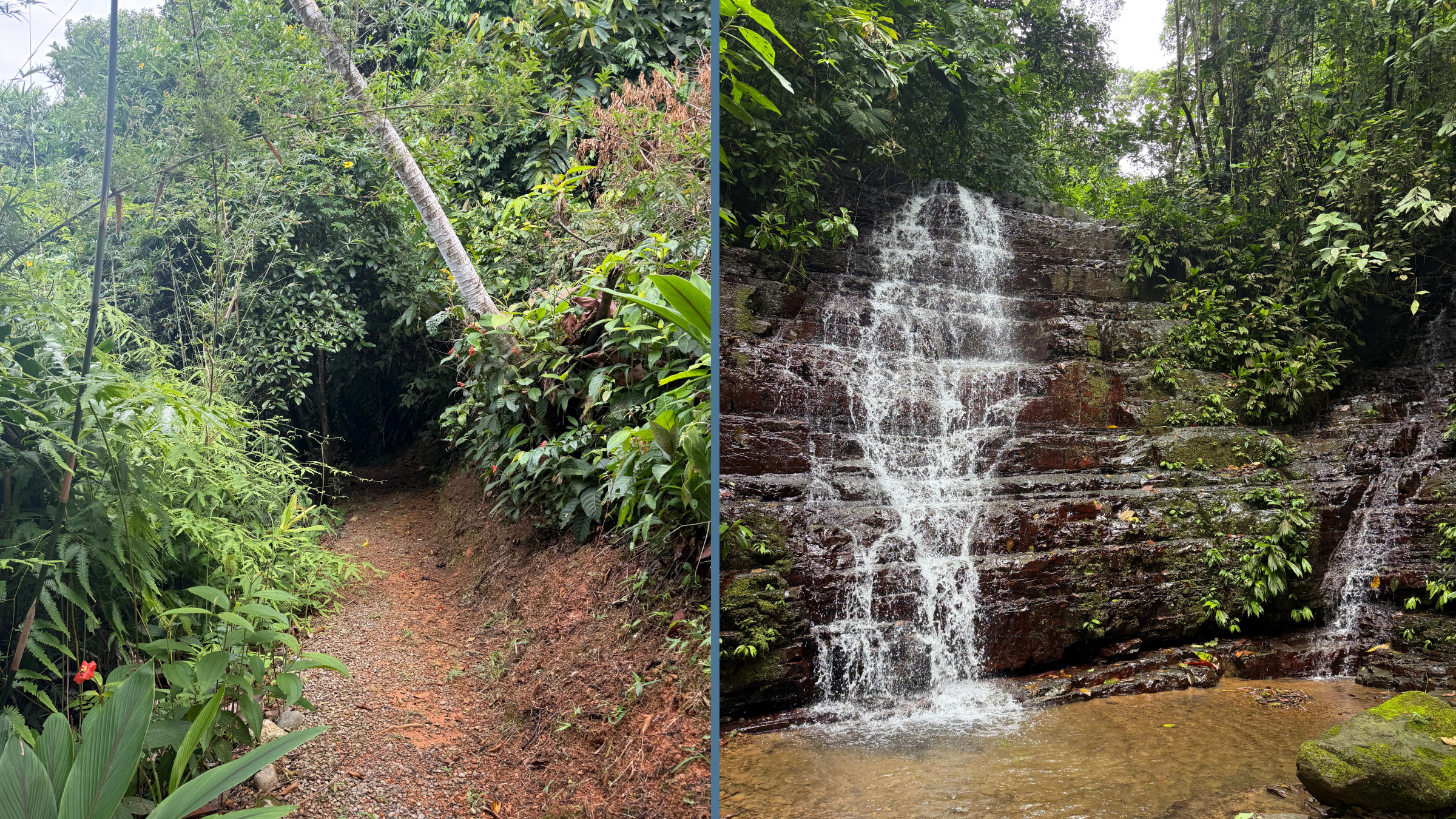
As the retreat settles into a rhythm of morning meditation, rigorous vinyasa flows, and afternoon explorations, the value of specialized gear becomes apparent. Whether navigating a slippery, mud-drenched private trail down to the resort’s secluded waterfall—accompanied by the echoing calls of howler monkeys—or sweating through multiple daily yoga sessions, the functional items in the suitcase are put to the test.
Supporting Data: The Reality of Tropical Climates
When packing for a high-humidity, biodiverse destination like Costa Rica, environmental factors heavily dictate what will actually be used. Data from wellness and travel statistics indicate that over 60% of first-time retreat attendees over-pack clothing items by at least double their actual daily needs.
High humidity significantly alters laundry drying times. Items that might air-dry overnight in arid climates can take upwards of 24 to 48 hours to dry in tropical rainforest environments. This logistical hurdle transforms seemingly excessive items—such as extra sports bras and moisture-wicking socks—from luxury options into absolute necessities.
Furthermore, environmental impact data highlights the fragility of tropical ecosystems. Costa Rica protects hundreds of miles of coral reefs and dense rainforest habitats that face escalating threats from chemical runoff and climate change. Consequently, logistical choices regarding personal care products carry measurable ecological weight.
Official Responses and Expert Recommendations
Industry experts, retreat leaders, and hospitality professionals consistently emphasize preparation that respects both the traveler’s comfort and the local environment. While luxury resorts often provide baseline amenities, relying on institutional supplies for personal outdoor activities can leave guests unprepared.
Based on field-tested experiences in tropical environments, here are the five essential categories of items that consistently prove indispensable:
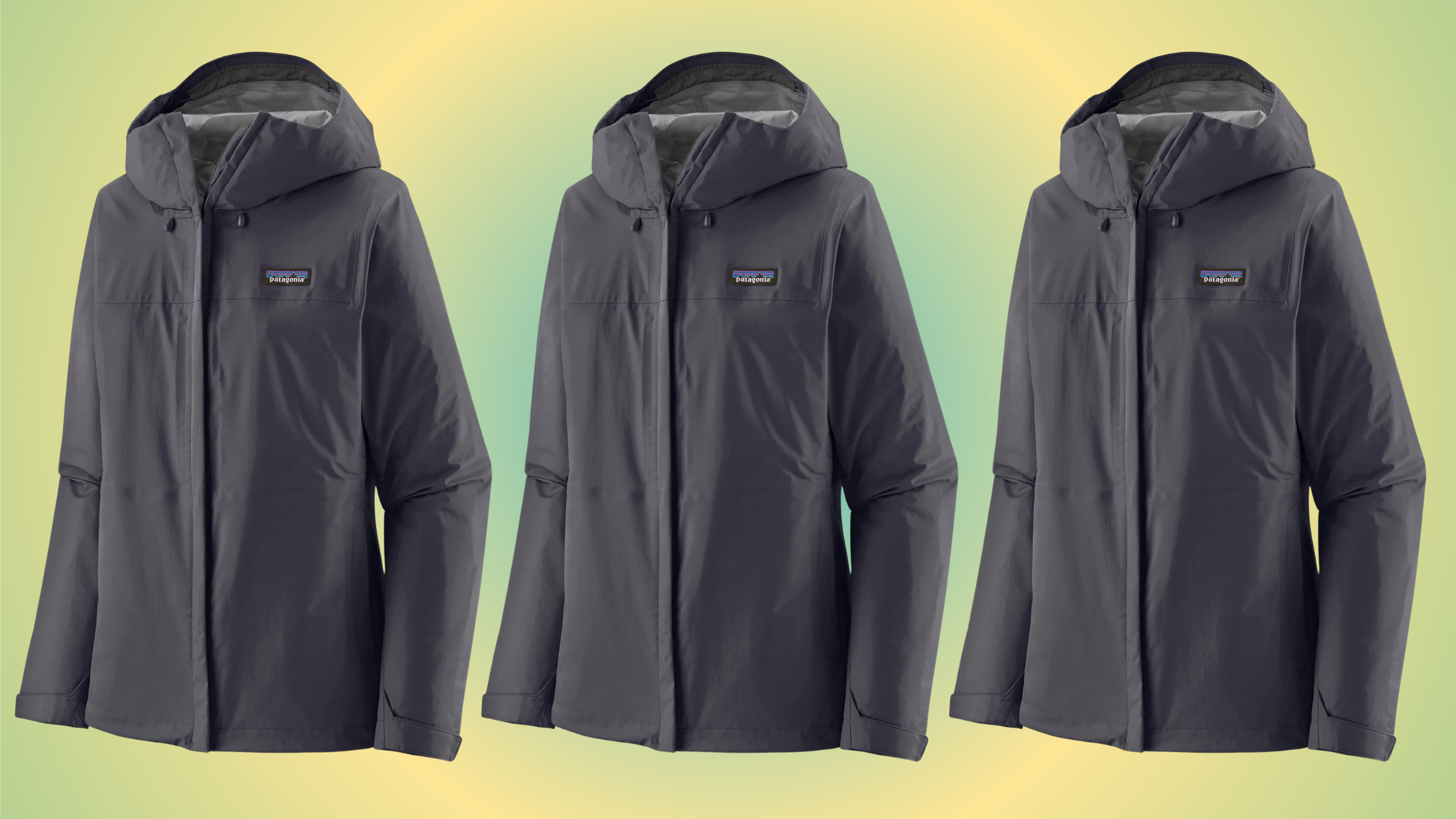
1. Lightweight Rain Jacket
When picturing a yoga retreat, most travelers imagine endless sunshine in a breezy tank top and shorts. In reality, tropical environments feature micro-climates where sudden downpours can disrupt schedules. While hotels may provide umbrellas, exploring local trails or towns requires personal, mobile protection.
- Expert Pick: A durable, multi-layer shell like the Patagonia Women’s Torrentshell serves as a lifelong investment against inclement weather. (Approx. $189 at Patagonia)
2. Closed-Toed Shoes with High Traction
Sandals and bare feet are standard for roughly 80 percent of a beach or resort-based yoga retreat. However, the remaining 20 percent—comprising jungle hikes, waterfall treks, and cultural excursions—demands robust footwear.
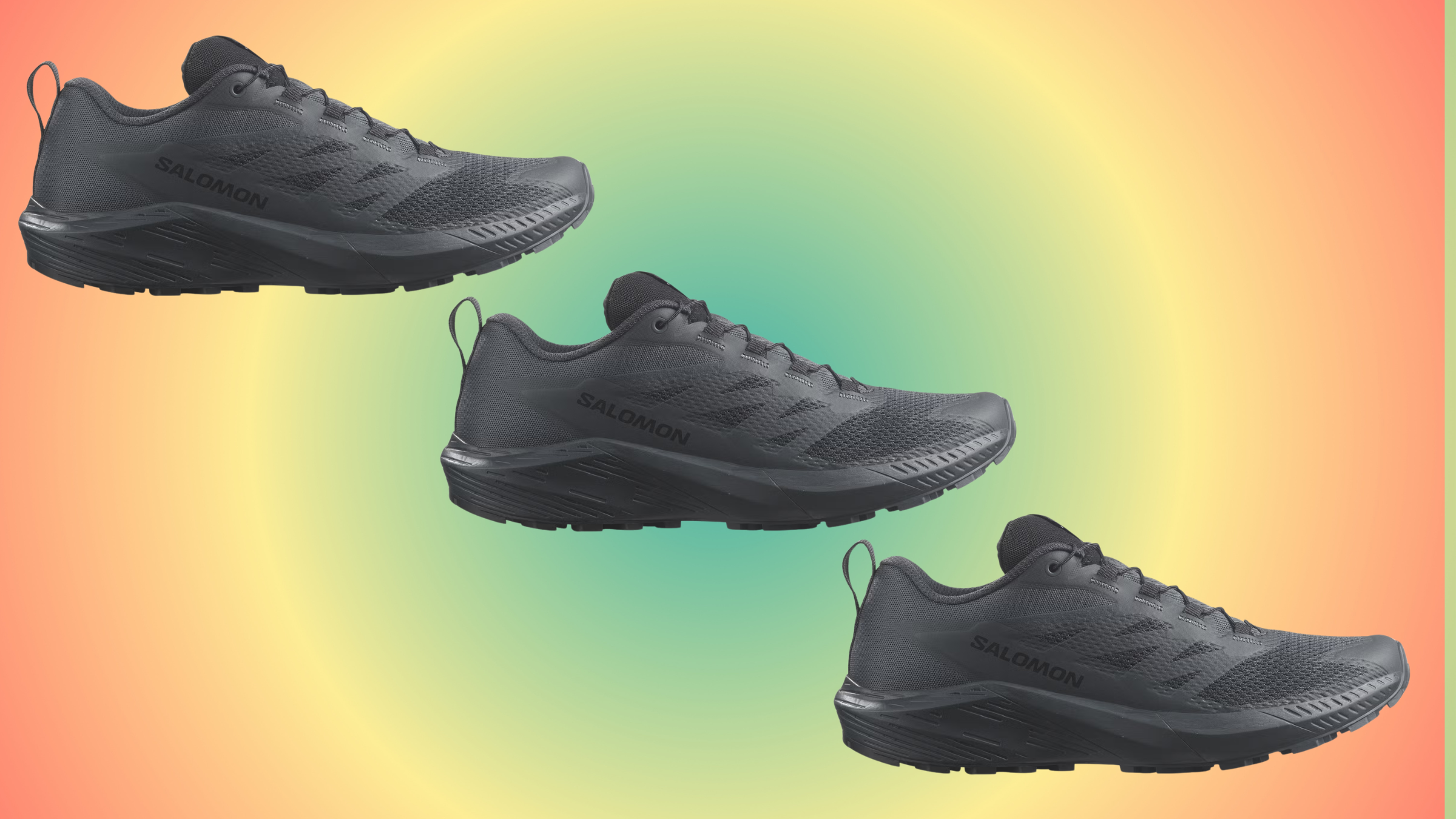
- Why it matters: Slippery, mud-heavy trails, such as the private path to Vista Celestial’s on-property waterfall, present safety hazards for exposed toes and inadequate footwear. Proper trail sneakers or hiking shoes keep you safe and ensure you never miss an adventure. (Salomon Sense Ride options available around $118)
3. Reef-Safe Sunscreen
Costa Rica is among the most biodiverse regions on Earth, featuring extensive marine ecosystems vulnerable to chemical pollutants. Standard sunscreens contain oxybenzone and octinoxate, which accelerate coral bleaching.
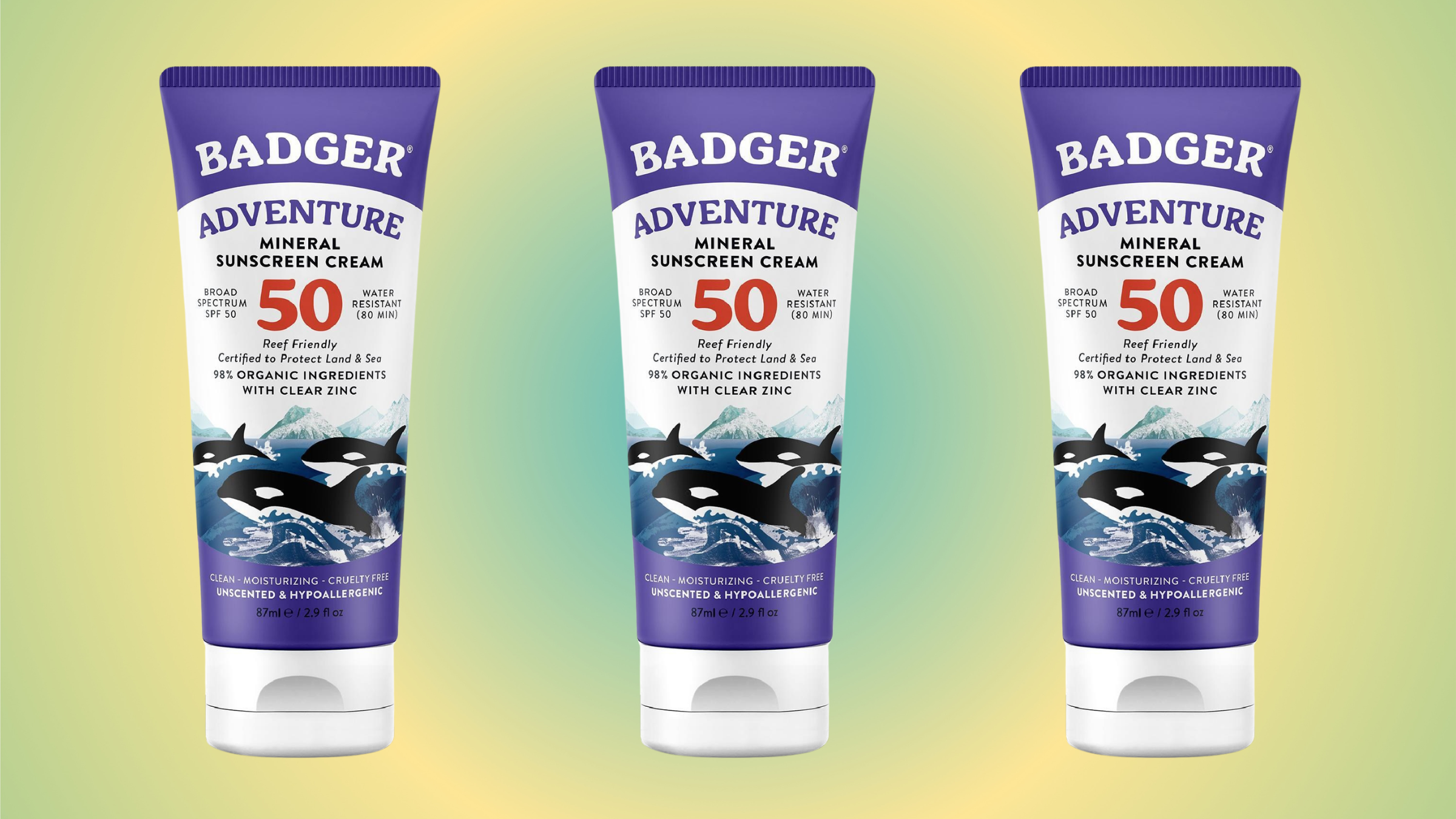
- The Ethical Standard: Choosing a mineral, reef-safe sunscreen is a non-negotiable step for conscious travelers. Because grey-water runoff eventually enters local waterways, extending this eco-conscious mindset to all personal hygiene products is strongly encouraged. (Badger Adventure Mineral Sunscreen is available at REI for approximately $20)
4. Multiple Sports Bras and Athletic Wear
While minimalism applies to casual clothing, athletic wear is the exception to the rule. High-intensity yoga practices combined with tropical humidity mean high-volume sweating is guaranteed.
- The Logistics: Because high humidity severely inhibits clothes-drying times, relying on quick sink-washes can leave you without dry garments. Packing multiples of your favorite sports bras, moisture-wicking leggings, and athletic socks ensures fresh, clean options throughout the week. (Target All in Motion sports bras retail around $20)
5. A Durable, Functional Tote Bag
A versatile catch-all bag is an everyday essential for any traveler. Whether carrying a journal and reading material to an open-air shala, heading out for local artisan shopping, or packing a towel and swimwear for a beach excursion, a reliable tote is endlessly useful.
- Key Feature: The ideal retreat tote should be unfussy, capable of handling moisture and dirt, and spacious enough to hold your daily essentials. (Organic cotton canvas options can be sourced via Tote Bag Factory for roughly $2)
Implications for Future Travelers
The lessons learned from a minimalist packing strategy extend far beyond a single trip to Central America. As wellness tourism continues to expand globally, travelers are increasingly seeking authentic, immersive experiences in remote or ecologically sensitive regions.

Adopting a streamlined, intentional approach to travel preparation yields several long-term benefits:
- Reduced Environmental Footprint: Traveling light minimizes fuel consumption during transit, while choosing eco-friendly products protects local flora and fauna.
- Enhanced Mental Clarity: Aligning with the core tenets of yoga—simplicity, mindfulness, and intentionality—begins long before stepping onto the mat, starting right at the suitcase zipper.
- Greater Adaptability: Freeing oneself from the burden of excessive baggage allows travelers to immerse fully in the present moment, prioritizing exploration, personal growth, and authentic connection over material maintenance.
Ultimately, taking what you truly need—and leaving the rest behind—ensures that your next tropical yoga retreat remains focused on what matters most: your practice, your well-being, and the world around you.
