

Main Facts
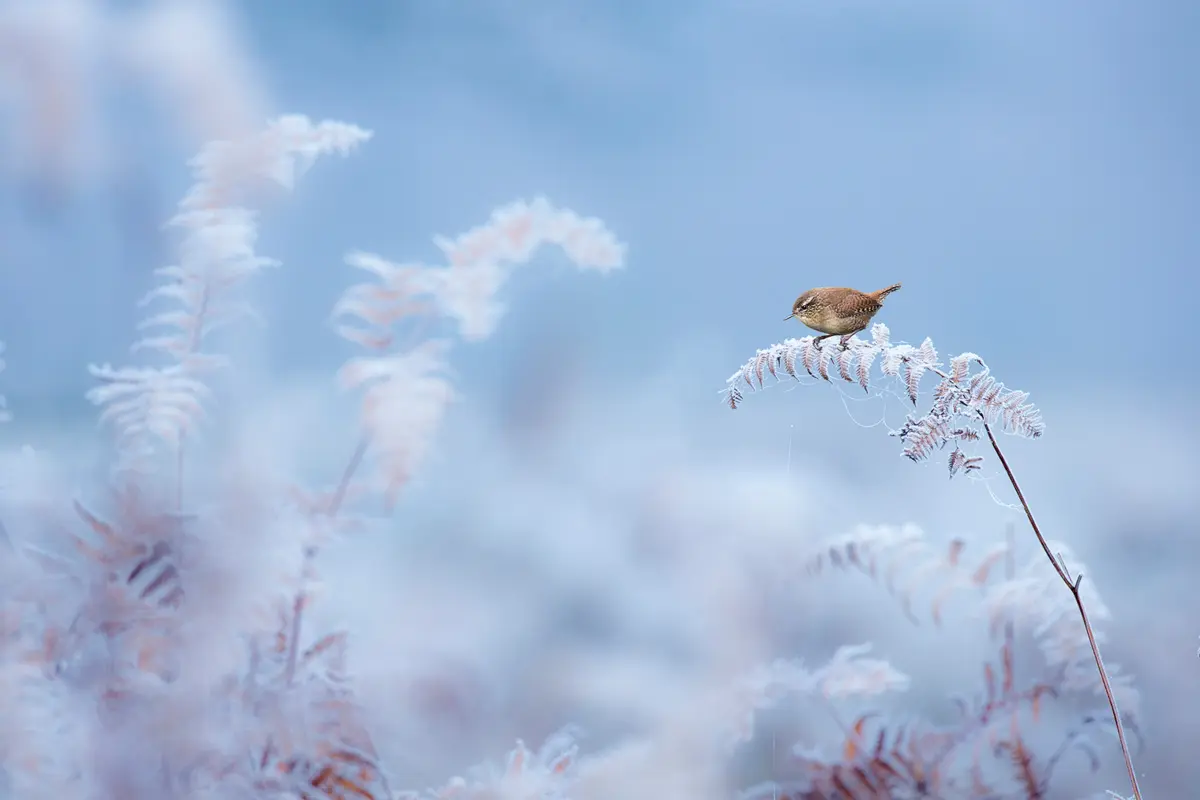
Passerine birds, scientifically classified within the order Passeriformes and commonly referred to as perching birds, represent the largest and most diverse avian order on the planet. Comprising over half of all known bird species globally, passerines are immediately recognizable by their specialized anisodactyl toe arrangement—featuring three digits pointing forward and one facing backward. This anatomical adaptation provides them with an exceptional grasp, enabling these agile creatures to inhabit gardens, dense forests, and open fields across every continent.

Ranging from the striking, brilliant yellow of the goldfinch to the familiar crimson breast of the garden robin, passerines are generally small in stature and exceptionally fast-moving. These physical traits present a formidable hurdle for wildlife photographers. However, their ubiquity and proximity to human habitation make them an accessible and immensely rewarding subject for both novice and seasoned photographers alike.

Chronology and Evolution of Bird Photography Techniques
The methodology of capturing passerine birds on film and digital sensors has undergone a dramatic transformation over the past century.

- Early 20th Century: Bird photography was primarily restricted to static nest documentation using bulky, heavy wooden plate cameras. Photographers relied heavily on long exposures and natural sunlight, rendering action shots nearly impossible.
- Mid-20th Century: The advent of faster 35mm film stocks, reliable mechanical focal-plane shutters, and telephoto lenses allowed wildlife photographers to step back from nesting sites, shifting the focus toward capturing birds in active woodland environments.
- The Digital Revolution (Late 1990s–2010s): The transition from film to digital sensors revolutionized exposure control. Photographers could instantly review histograms, adjust ISO settings dynamically to cope with low-light woodland conditions, and utilize rudimentary continuous autofocus systems to track erratic movements.
- Modern Era (Present Day): Today’s mirrorless camera systems feature lightning-fast electronic shutters capable of firing at 20 to 30 frames per second, paired with sophisticated AI-driven animal eye-detection autofocus. These technological leaps allow modern practitioners to freeze ultra-fast avian behaviors—such as mid-air food grabs and territorial squabbles—with unprecedented sharpness.
Supporting Data and Fieldcraft Metrics
Successfully photographing passerines requires adherence to strict technical standards driven by the physical realities of these animals. Field ornithology and wildlife photography data emphasize specific operational parameters:

- Shutter Speeds: To freeze the rapid movements of a small passerine sitting on a branch, a minimum shutter speed of 1/1000th of a second is required. For active flight photography, this threshold increases to 1/2500th of a second or faster.
- Aperture Ranges: Working distances are frequently short, necessitating wide apertures (f/2.8 to f/5.6) to isolate the subject via a shallow depth of field. Conversely, frame-filling portraits or multi-bird interactions require stopping down to ensure both subjects remain critically sharp.
- Focal Lengths: Telephoto lenses ranging from 300mm to 600mm are considered the industry standard. Prime lenses at the longer end of this spectrum effortlessly render backgrounds into smooth, creamy bokeh, separating the subject from cluttered foliage.
- Dietary Attractants: Field studies demonstrate that offering high-energy foods—such as black-oil sunflower seeds, nyjer seeds, high-fat suet blocks, and live mealworms—exponentially increases garden visitation rates, particularly during lean winter months.
Official Guidelines and Ethical Considerations
As interest in backyard bird photography surges, conservation bodies and wildlife organizations emphasize the importance of ethical fieldcraft. The welfare of the bird must always supersede the desire for a compelling photograph.

Wildlife authorities strongly advise against disturbing nesting sites during the delicate breeding season. Photographers must maintain a respectful distance, utilize telephoto reach rather than physical encroachment, and avoid trimming active foliage around nests, which can expose vulnerable chicks to predators and harsh weather elements.

Furthermore, maintaining rigorous hygiene at artificial feeding stations is paramount. Ornithologists recommend routinely sanitizing feeders using a mild bleach solution followed by thorough drying. This protocol prevents the transmission of fatal avian diseases, such as trichomonosis and avian pox, which can decimate local passerine populations concentrated around communal food sources.

Implications for Conservation and Citizen Science
The growing popularity of backyard passerine photography extends far beyond artistic expression; it plays a vital role in modern conservation and ecological research.

As urban sprawl encroaches upon natural habitats, backyard gardens transformed into optimized wildlife feeding and watering stations serve as critical refuges for declining migratory and resident bird species. Photographers who meticulously document local bird populations often contribute valuable data to citizen science initiatives, such as the Cornell Lab of Ornithology’s Project FeederWatch or regional bird atlases.

By closely observing passerine behavior, identifying subtle shifts in species distribution, and documenting physical anomalies or plumage variations, photographers act as frontline observers of environmental health. Ultimately, fostering a deep appreciation for these small, dynamic creatures through visual storytelling inspires public support for broader habitat preservation efforts, ensuring that the vibrant song of the passerine remains a fixture of our natural world for generations to come.
