

For anyone who has spent months nurturing a bubbling sourdough starter, coaxing wild yeasts into life, and eagerly waiting for a dough to double in size, the moment of truth arrives at the oven door. Too often, home bakers pull back the lid only to find a pale, flat loaf that lacks the dramatic rise, blistered exterior, and hollow-sounding, crackling crust of a professional bakery purchase.
The culprit is rarely a lack of skill or a flawed recipe. Instead, it comes down to physics and specialized equipment. While home cooks rely on standard wire racks and thin metal baking sheets, commercial artisan bakeries utilize heavy-duty deck ovens with rotating stone surfaces that retain and distribute intense, uniform heat.
Fortunately, bridging the gap between amateur and professional baking doesn’t require a costly kitchen renovation. According to extensive testing by seasoned culinary experts, one simple piece of cookware can revolutionize a home baking routine: the heavy, cast-iron bread oven.
The Main Facts: Why Professional Results Require Specialized Equipment
To understand why a cast-iron bread oven is transformative, one must examine the science of baking artisan bread. Professional bakeries use commercial deck ovens to achieve two critical elements: rapid heat transfer and steam retention.
When cold, unbaked dough hits piping-hot cast iron, thermal energy transfers instantly to the loaf. This aggressive thermal shock triggers the "oven spring"—the rapid expansion of gas pockets inside the dough during the first few minutes of baking.
Simultaneously, the physics of a covered bread oven solves a major limitation of standard home kitchen appliances. Standard household ovens are specifically designed to vent steam to keep foods dry. However, baking bread requires a moist environment. A tight-fitting domed lid traps the steam naturally released by the baking dough. This moisture keeps the exterior of the loaf soft and pliable just long enough to allow for maximum vertical expansion before the crust sets and hardens.
Cast iron surpasses metal, silicone, glass, and ceramic baking vessels due to its superior thermal mass. It heats slowly, stores thermal energy efficiently, and distributes it evenly across the entire loaf. The end result is a structurally sound loaf featuring a deeply colored, blistered crust, an open and airy crumb, and that satisfying acoustic crunch when sliced.
Chronology and Evolution: From Improvised Dutch Ovens to Dedicated Bread Pans
For decades, pioneering home sourdough bakers improvised solutions to mimic commercial deck ovens. In the 1990s and 2000s, early adopters discovered that baking sourdough inside a heavy enameled Dutch oven—with the lid on for the first half of the bake and removed for the browning phase—dramatically improved crust development.
However, standard Dutch ovens presented distinct ergonomic challenges. Lowering a sticky, delicate round of fermented dough into a deep, narrow pot often resulted in burned knuckles, misshapen loaves, or deflated boules.
Recognizing this design flaw, the culinary market evolved. Innovators began engineering dedicated cast-iron bread ovens specifically tailored to the unique geometry of artisan bread.
- The Challenger Era: Independent creators, such as home baker Jim Challenger, developed broad, low-profile cast-iron pans with inverted lids. These systems allowed bakers to slide dough onto a flat, spacious base effortlessly while trapping steam beneath a shallow dome.
- The Enameled Renaissance: Major cookware manufacturers, including Le Creuset and Tramontina, subsequently introduced specialized enameled cast-iron bread ovens. These combined the steam-trapping benefits of traditional baking vessels with the low-maintenance, non-stick convenience of porcelain enamel.
Today, home bakers can choose from a well-established market of specialized bread-baking vessels tailored to various skill levels, spatial constraints, and budgetary considerations.
Supporting Data: Comparing the Top Cast-Iron Bread Ovens on the Market
To help home bakers select the ideal equipment for their kitchens, culinary experts tested the top three bread ovens available today, evaluating them across several strict criteria: heat retention and distribution, steam-trapping efficiency, size and shape versatility, weight, maintenance requirements, and overall value.
| Oven Model | Best For | Material | Size & Shape | Price (USD) | Overall Rating |
|---|---|---|---|---|---|
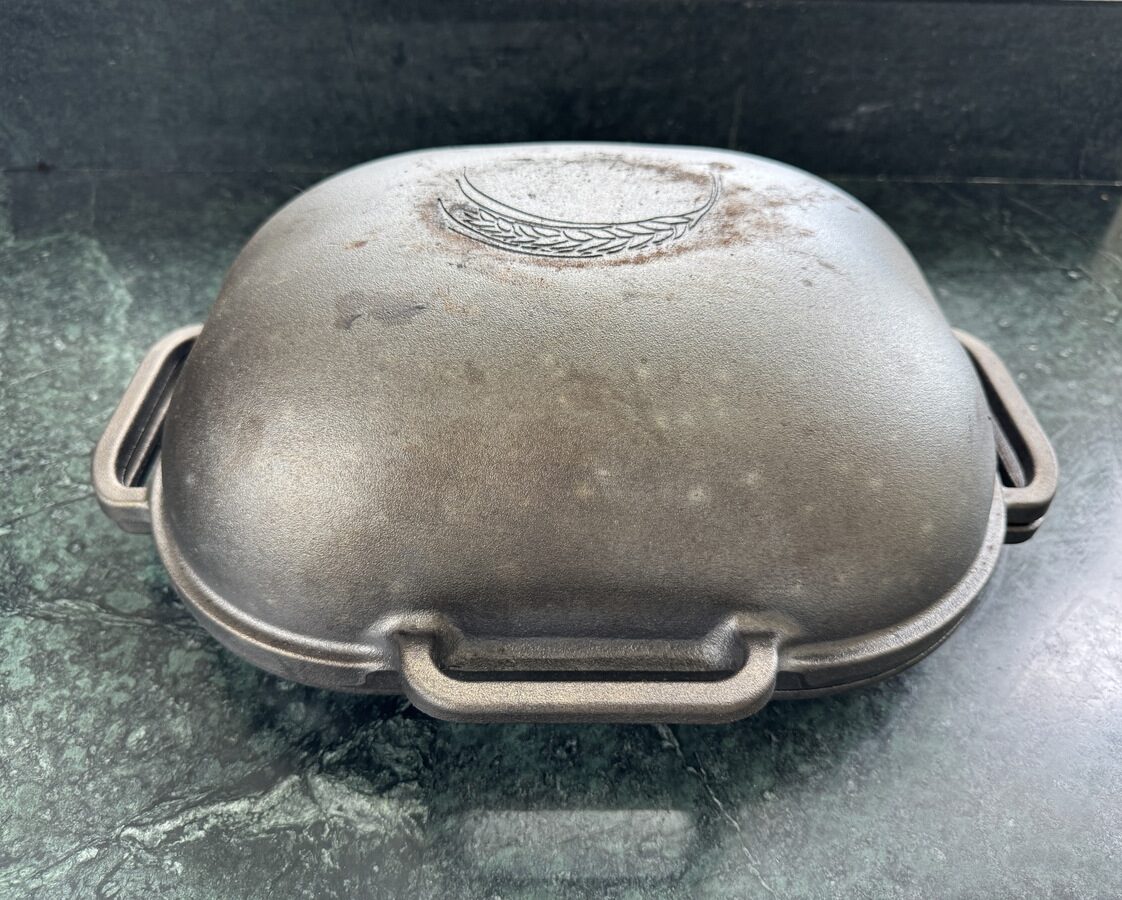
| Challenger Breadware Bread Pan | Serious artisan bakers | Bare black cast iron | 15.5 × 10.5-inch base (Rectangular) | $299.00 | 4.6 / 5 |
| Tramontina Cast Iron Bread Oven | Budget-conscious bakers | Enameled cast iron | 9.5-inch round base | $59.95 | 4.2 / 5 |
| Le Creuset Bread Oven | Premium design enthusiasts | Enameled cast iron | 9.5-inch round base | $324.95 | 4.4 / 5 |
1. Challenger Breadware Bread Pan: The Professional Standard
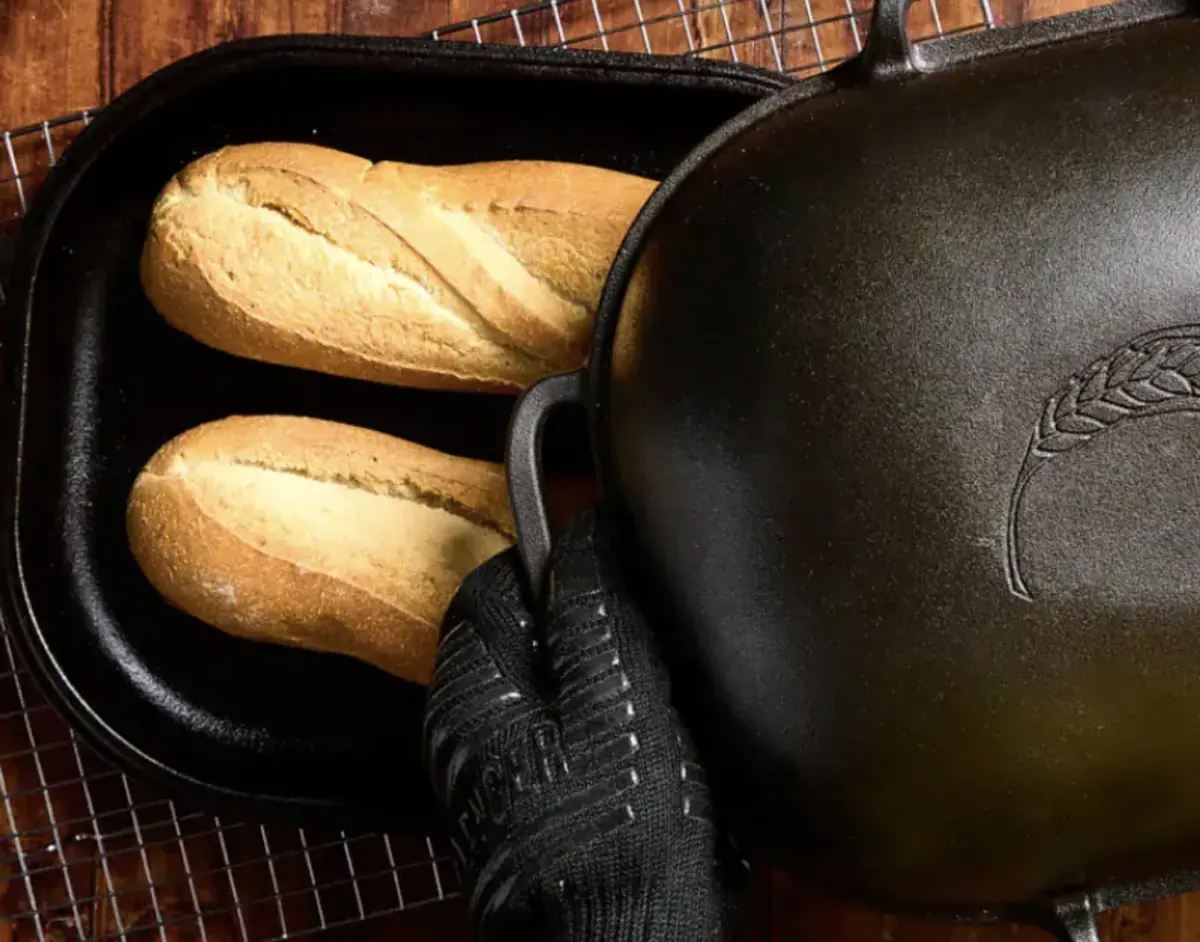
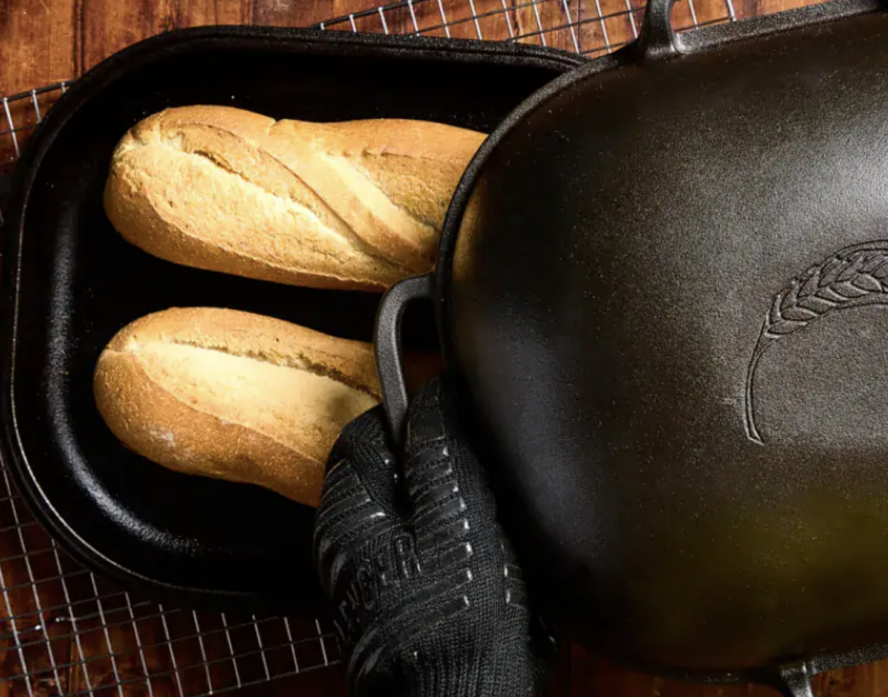
Designed by a baker frustrated by the limitations of standard cookware, the Challenger Bread Pan features a broad, low-profile 15.5 x 10.5-inch rectangular base cast from thick, heavy bare iron.
- Performance: Because it is made of bare cast iron, it delivers direct, uninhibited thermal radiation to the dough, producing exceptionally dark, crackling crusts and robust oven spring.
- Versatility: The spacious base comfortably accommodates full-sized oval batards, traditional round boules, long baguettes, focaccias, and even roasting chickens. The gently domed rectangular lid seals tightly to trap steam and can be flipped upside down to double as a secondary baking surface.
- Trade-offs: Weighing in at 20 pounds, it is the heaviest option on the market, requiring caution when maneuvering in and out of a hot oven. It also commands a premium price point of $299.
2. Tramontina Cast Iron Bread Oven: The Value Champion
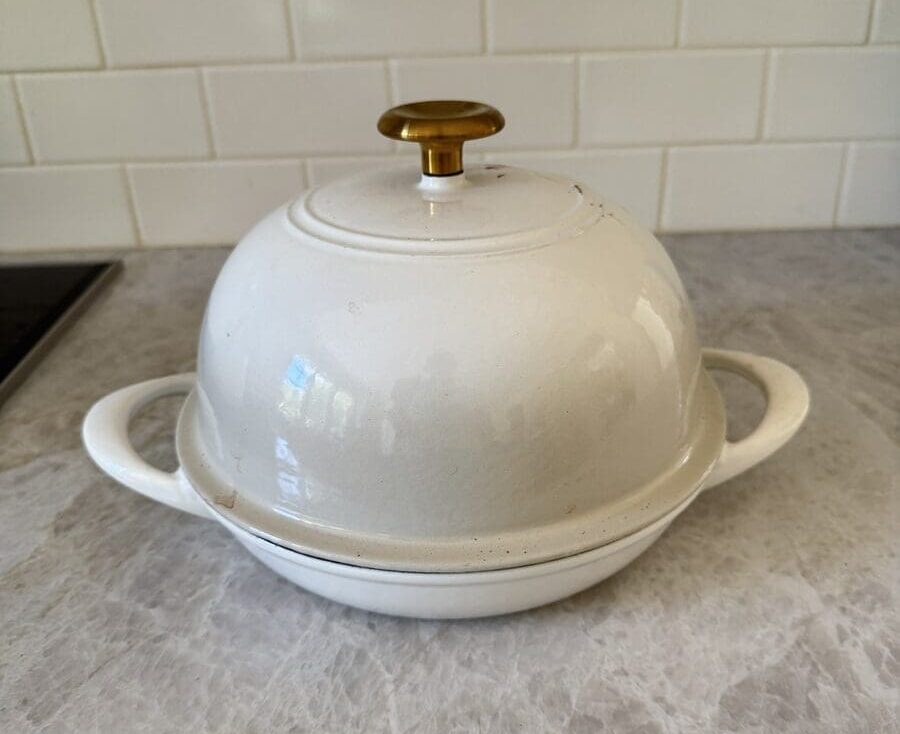
For bakers seeking high-end performance without a steep financial investment, the Tramontina Cast Iron Bread Oven delivers remarkable results at a fraction of the cost.
- Performance: Constructed from dense cast iron with a high domed lid, it creates an optimal steam-trapping environment that encourages a strong vertical rise.
- Design: Featuring an enameled exterior available in multiple chic colors and an off-white porcelain interior, it requires no seasoning and releases baked loaves effortlessly.
- Trade-offs: The 9.5-inch round base limits baking strictly to circular boules, meaning elongated batards will not fit. Additionally, the white interior enamel and light exterior finishes show smudges and discoloration more readily over time.
3. Le Creuset Bread Oven: The Luxury Choice
A favorite among collectors of premium cookware, the Le Creuset Bread Oven offers the legendary durability and aesthetic appeal of the brand’s iconic Dutch ovens in a form factor optimized for baking.
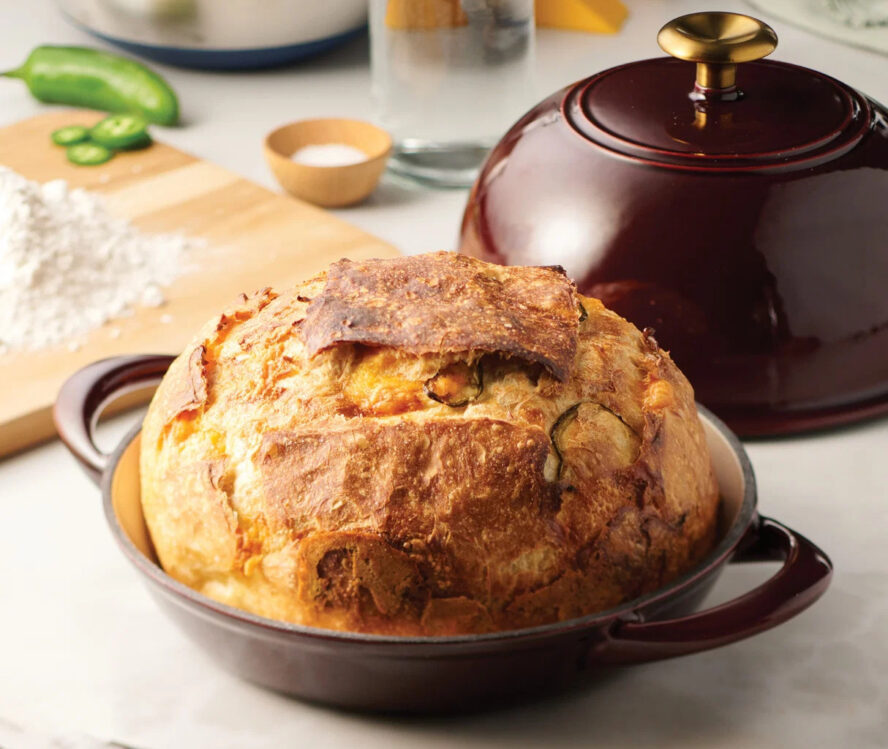
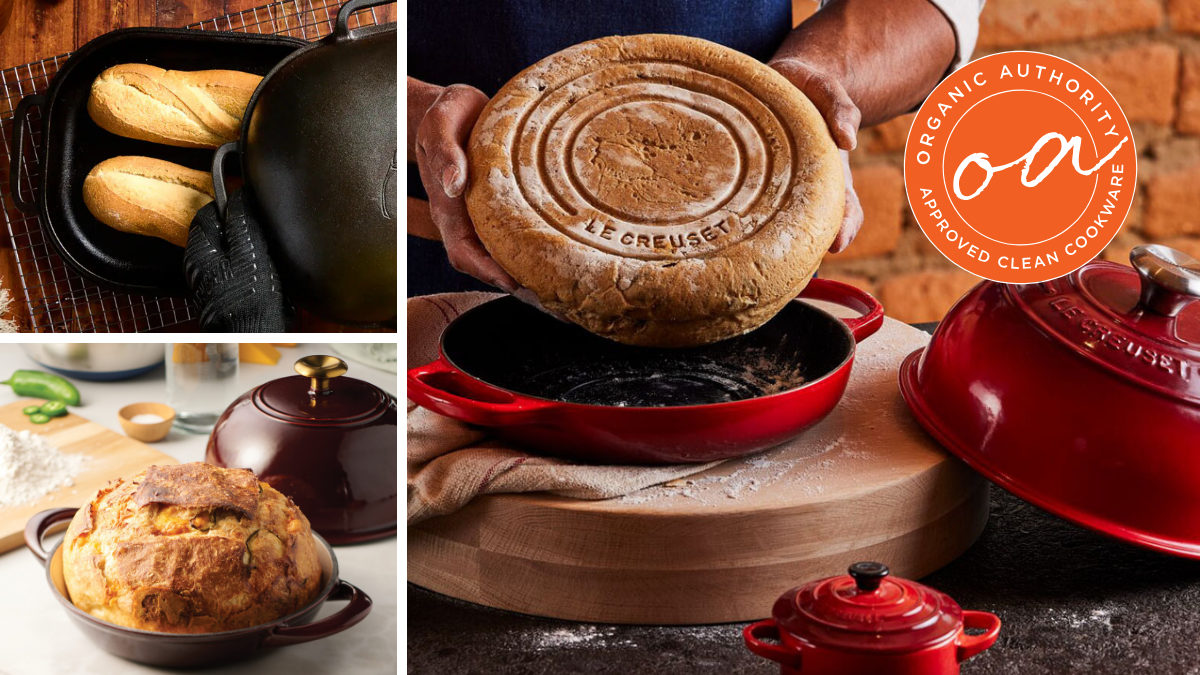
- Performance: The deep, domed lid is designed to capture and circulate steam, while the matte black interior enamel absorbs and transfers heat efficiently for crisp, golden bottom crusts. The base features concentric circular ridges that distribute heat evenly and imprint a subtle brand hallmark onto the bottom of the loaf.
- Design: Lightweight relative to its peers, it features ergonomic handles and requires no seasoning.
- Trade-offs: At $324.95, it is the most expensive model tested. Like the Tramontina, its 9.5-inch round footprint restricts bakers to standard round loaves.
Official Perspectives: Bare Cast Iron vs. Enameled Surfaces
A central debate among culinary professionals and gear manufacturers concerns the choice between bare cast iron and enameled surfaces.
Baking experts point out that bare cast iron radiates thermal energy directly into the dough without an intervening barrier. This direct contact maximizes crust blistering and deepens coloration. Proponents of bare cast iron argue that while seasoning maintenance is required, bread naturally releases cleanly from well-maintained iron surfaces, rendering deep soap-and-water cleaning unnecessary.
Conversely, cookware manufacturers emphasize the convenience of enameled cast iron. Enameled surfaces require no seasoning, resist rust completely, and simplify cleanup. While the porcelain layer slightly moderates direct heat transfer—resulting in a marginally lighter crust color—manufacturers note that most home bakers find this aesthetic difference negligible compared to the ease of maintenance.
Practical Implications for Home Bakers
Investing in a dedicated bread oven shifts the horizon of home baking. Whether choosing the heavy-duty professional utility of the Challenger, the accessible value of the Tramontina, or the luxury craftsmanship of Le Creuset, the practical implications are clear:
- Elevated Consistency: Quality cookware removes environmental variables in home ovens, ensuring reliable crust development and oven spring loaf after loaf.
- Expanded Culinary Horizons: Beyond traditional sourdough boules, these vessels excel at producing artisan flatbreads, pull-apart breads, focaccia, and roasted proteins.
- Reduced Waste and Frustration: By eliminating failed bakes caused by improper steam retention or weak thermal transfer, bakers save time, ingredients, and effort.
Ultimately, upgrading to a cast-iron bread oven brings the craft of the professional artisan kitchen directly into the home, transforming everyday baking into an effortless, rewarding culinary art.
