


In the current landscape of the American automotive industry, the introduction of a new electric vehicle (EV) usually signals another entry into the high-end, luxury tier. Most manufacturers targeting North America focus their electrification efforts on large, high-margin SUVs and premium crossovers, relying on affluent buyers willing to pay a premium for luxury driving dynamics and home-charging convenience.
Against the backdrop of a shifting regulatory environment—marked by federal rollbacks on clean air standards, fuel economy targets, and consumer EV subsidies under the Trump administration—introducing a compact, accessible electric vehicle might seem counterintuitive. Yet, South Korean automaker Kia is pressing forward, bringing its acclaimed subcompact electric crossover, the Kia EV3, to the U.S. market.
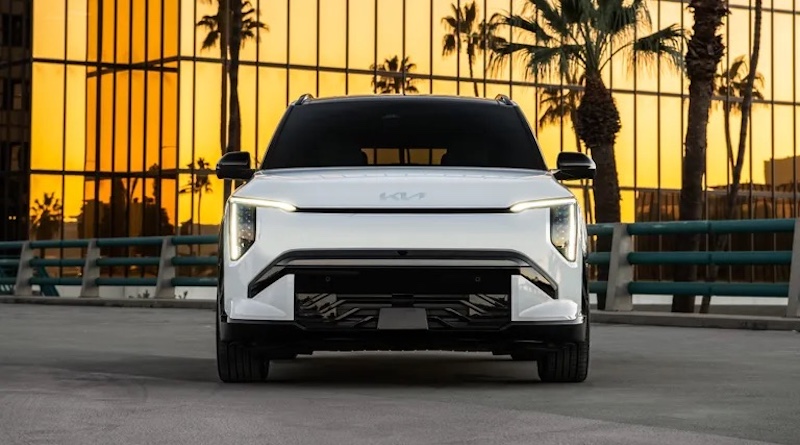
For urban commuters, downsizers, and EV advocates longing for genuinely accessible electric mobility, the EV3 represents a rare and welcome option at the lower end of the pricing spectrum.
Main Facts
The Kia EV3 arrives in the United States with a compelling value proposition, challenging the notion that EVs must be expensive luxury items.
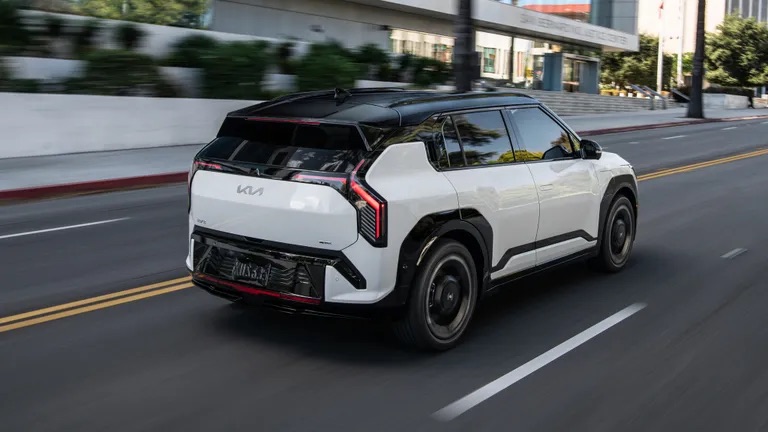
- Base Pricing and Entry-Level Specs: The entry-level Kia EV3 starts at an aggressive $31,385, offering an estimated driving range of approximately 220 miles on a single charge.
- Top-Tier Performance and Range: For buyers seeking enhanced performance and extended utility, higher trims deliver an impressive 321 miles of range. At the pinnacle of the lineup sits the GT AWD trim, priced at $47,385—roughly 50% higher than the base model, adding dual-motor all-wheel drive and performance tuning.
- Market Positioning: While it may not immediately undercut legacy ultra-budget options like the Chevrolet Bolt, industry analysts recognize that the EV3 is positioned to claim the mantle of the go-to affordable EV as older models phase out.
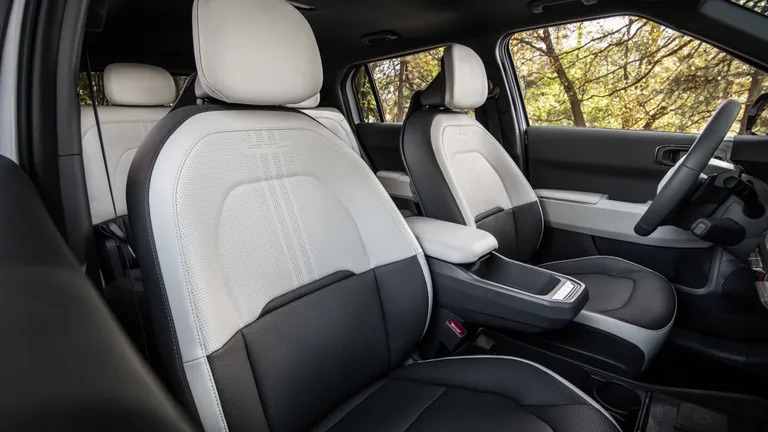
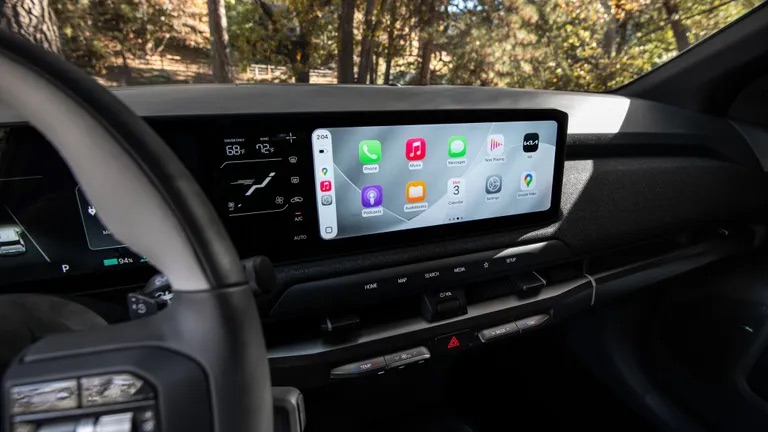
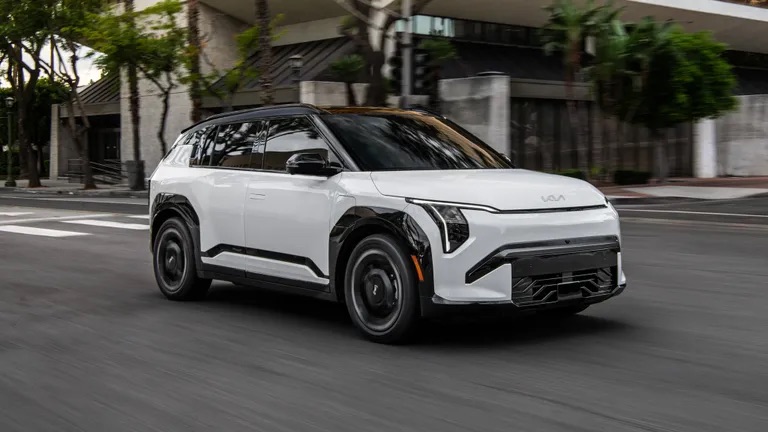
- Design and Philosophy: Adopting a scaled-down version of Kia’s bold, futuristic design language seen on larger models like the EV9, the EV3 combines a compact footprint with optimized interior packaging, proving that small cars can still deliver immense utility, modern technology, and high-end styling.
Chronology of the EV3’s Journey to the U.S. Market
The path of the Kia EV3 from a global concept to American showrooms reflects the rapid evolution of the electric vehicle market and the regulatory headwinds manufacturers face.
- Initial Global Unveiling: Kia first introduced the EV3 concept and production specifications to the global market, earning high praise from international automotive journalists. Observers quickly highlighted its striking design, practical dimensions, and advanced cabin technology as benchmarks for the subcompact segment.
- The International Contrast: While markets like China have raced ahead with a dizzying array of affordable, high-tech, and stylish small EVs, Western markets—particularly the United States—have lagged in providing low-cost electric choices.
- Policy Shifts in Washington: The launch window coincides with a challenging political and economic climate in the U.S. The current administration’s systematic dismantling of federal clean air rules, Corporate Average Fuel Economy (CAFE) standards, and consumer-facing EV tax credits has forced many automakers to pump the brakes on their electrification timelines.
- U.S. Market Arrival: Despite these headwinds, Kia decided to greenlight the EV3 for North American distribution. By carving out a niche in the subcompact space, Kia is betting that a significant segment of American buyers still wants efficient, lower-cost electric transportation without sacrificing build quality or aesthetic appeal.
Supporting Data & Vehicle Specifications
Understanding the Kia EV3 requires looking closely at how its packaging, pricing, and performance tiers stack up against the realities of modern EV ownership.

Pricing and Trim Hierarchy
| Trim Level | Estimated Starting Price | Estimated Range | Drivetrain |
|---|---|---|---|
| Base Model | $31,385 | ~220 miles | Front-Wheel Drive (FWD) |
| Long-Range Trims | Higher than base | ~321 miles | Front-Wheel Drive (FWD) |
| GT AWD Trim | $47,385 | ~321 miles (optimized) | All-Wheel Drive (AWD) |
Segment Comparison
- The Size Factor: In a market dominated by massive three-row SUVs and oversized pickup trucks, the EV3’s small footprint makes it exceptionally agile for city parking and daily commuting. Automotive purists who appreciate nimble, space-efficient design—comparable to cult-classic hatchbacks and city EVs like the BMW i3—find the EV3’s proportions refreshing.
- The Battery and Range Balance: Offering a 220-mile range on the base model keeps the initial sticker price below the psychological $32,000 threshold, making it viable for daily urban and suburban use. Meanwhile, the step-up battery packs delivering 321 miles eliminate range anxiety for longer road trips, putting the EV3 on par with much larger and more expensive electric crossovers.
Official Responses and Industry Perspective
Industry analysts and corporate stakeholders have offered varied takes on Kia’s bold move to introduce an affordable EV during a regulatory pullback.
Automotive commentators have pointed out the stark contrast between domestic and international EV strategies. Zach Shahan, editor-in-chief of CleanTechnica, notes the unique positioning of the vehicle:
"Most of the time, new electric car models in the United States are located way up in the premium vehicle territory… So, I have to say that it’s a little surprising Kia is even still bringing a new EV to the market, especially a small, cheap one."
Shahan further emphasizes the appeal of the vehicle’s form factor:
"The Kia EV3 is definitely one of my favorite electric cars on the market on this side of the globe… I love smaller cars — one big reason I bought the BMW i3 twice. The EV3 is small, yet classy and useful, and gives American buyers a rare electric option on the lower end of the market. In fact, it will probably become the cheapest electric car on the US market eventually."
While traditional domestic automakers have scaled back production of entry-level electric hatchbacks due to compressed profit margins and shifting federal incentives, foreign automakers like Kia are betting on long-term consumer demand for economical urban transit. Kia’s leadership maintains that maintaining a diverse lineup—spanning from large family haulers like the EV9 down to the nimble EV3—is essential for capturing market share as consumer preferences inevitably mature.
Implications for the American EV Market
The introduction of the Kia EV3 carries profound implications for the future of sustainable transportation in the United States.
- Filling the Affordable EV Void: With regulatory bodies softening fuel economy requirements and phasing out purchase incentives, the pressure on automakers to innovate at the lower end of the price spectrum has diminished. Kia’s willingness to launch the EV3 at a $31,385 starting price fills a glaring void left as older budget models (such as the current iteration of the Chevrolet Bolt) prepare to exit the market.
- Changing American Perceptions of Small Cars: For decades, the American automotive market has adhered to the mantra that "bigger is better." By offering a vehicle that is compact yet premium, Kia challenges this paradigm. The EV3 proves that drivers do not need to pilot a 5,000-pound SUV to enjoy modern infotainment, sleek styling, and quiet electric propulsion.
- Navigating Regulatory Headwinds: The success or failure of the EV3 in the U.S. will serve as a bellwether for the broader industry. If an affordable import-backed EV can capture consumer imagination and sales volume despite the absence of aggressive federal subsidies, it will send a clear message to policymakers and competing manufacturers: demand for economical electric mobility is organic, resilient, and ready to break into the mainstream.
As the Kia EV3 rolls onto American streets, it stands not just as a new car model, but as a testament to the resilience of clean-transportation advocates who believe that the electric future must be accessible to everyone—not just those who can afford luxury-tier pricing.
