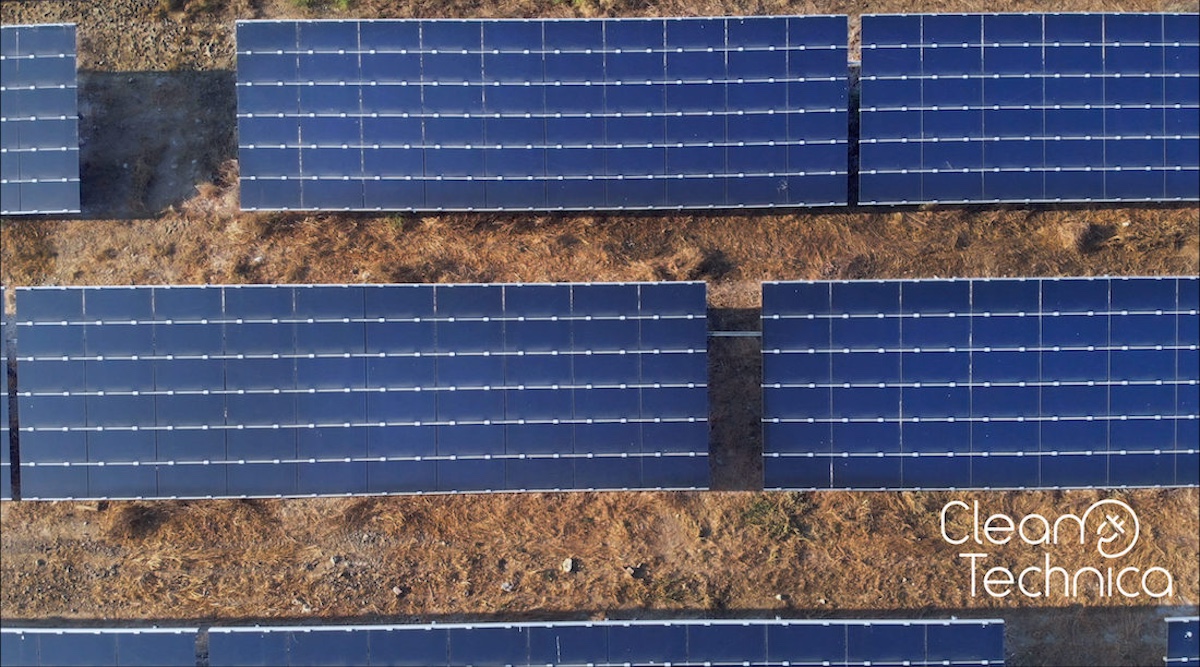
LEXINGTON, Kentucky — As municipalities across the United States grapple with the dual pressures of accelerating climate change and the urgent need for localized energy security, the Lexington-Fayette Urban County Council is set to vote on a transformative policy. On Thursday, the council will hear a pivotal zoning ordinance text amendment (ZOTA) that could redefine land use in central Kentucky.
If approved, the ZOTA will unlock no greater than one percent of Fayette County’s total land area—including select agriculturally zoned properties—for large-scale solar energy development. However, this is not a blanket greenlight for traditional photovoltaic (PV) sprawl. The ordinance mandates a strictly regulated approach known as "agrivoltaics," a practice that integrates agricultural production directly with renewable energy generation on the same acreage.
The policy arrives as a critical milestone for Lexington’s ambitious "Race to Net Zero" initiative, which charts the city’s course toward absolute greenhouse gas emissions reductions by 2050. Proponents argue that the measure strikes a delicate, necessary balance between preserving Fayette County’s storied agricultural heritage and aggressively transitioning away from fossil fuels.
Main Facts: The Proposed ZOTA and Agrivoltaics
At its core, the proposed zoning ordinance text amendment seeks to solve a modern logistical dilemma: how to site utility-scale renewable energy without sacrificing valuable farmland or compromising soil integrity.
Key parameters of the ZOTA include:
Strict Land Caps: The ordinance restricts large-scale solar installations to a maximum of one percent of Fayette County’s total landmass.
The Agrivoltaic Mandate: Any approved project must incorporate dual-use methodologies. Rather than rendering land sterile, the sites must continue to support agricultural operations.
Diversified Farm Income: Permitted practices within these solar arrays include "solar grazing" (using livestock such as sheep for vegetation management) and the cultivation of dedicated pollinator habitats.
Guardrails and Oversight: The Lexington-Fayette Urban County Council has embedded rigorous policy guardrails to protect soil quality, maintain agricultural aesthetics, and ensure that participating farmers secure dependable secondary revenue streams.
Supporters emphasize that large-scale ground installations are mathematically necessary. While rooftop solar and covered parking structures are vital components of a decentralized grid, they face severe policy hurdles, structural limitations, and prohibitive deployment costs in the region. By permitting carefully managed agrivoltaic projects on a minuscule fraction of county land, Lexington can achieve energy generation scales that would otherwise require tens of thousands of smaller, fragmented installations.
Chronology: The Road to Thursday’s Vote
The path to this week’s council hearing has been paved by years of grassroots organizing, policy drafting, and escalating regional concerns regarding energy reliability and climate vulnerability.
Laying the Groundwork (2020–2023): As Lexington formally adopted its "Race to Net Zero" climate action framework, city planners and local environmental groups began evaluating the city’s energy dependencies. Studies consistently highlighted a glaring deficit: over 90% of Kentucky’s electricity is derived from fossil fuels.
Drafting the Guardrails (Late 2023–Early 2024): Recognizing that renewable energy development in central Kentucky was inevitable, Councilwoman Liz Sheehan spearheaded efforts to craft a legislative framework. Collaborating with planning staff, agricultural stakeholders, and environmental advocates, the council designed a policy focused specifically on agrivoltaics to protect local farming interests.
Advocacy and Coalition Building (2024–Present): Sierra Club Kentucky and its members mobilized heavily in support of the initiative. Through public awareness campaigns, educational forums, and direct engagement with local policymakers, the coalition framed the ZOTA not as an encroachment on agriculture, but as an economic lifeline for modern farmers.
The Legislative Threshold (Thursday): The Lexington-Fayette Urban County Council officially convenes to hear the ZOTA. The session marks the culmination of months of debate and sets the stage for what could be a landmark vote for Kentucky’s clean energy transition.
Supporting Data: The Energy Reality in Kentucky and Fayette County
To understand why the ZOTA is drawing intense scrutiny and support, one must examine the broader energy landscape of the Commonwealth.
Kentucky remains heavily tethered to coal and natural gas. More than 90% of the state’s energy supply originates from fossil fuel combustion. This reliance yields predictable and profound negative externalities:
Economic Strain: Households and businesses across Kentucky frequently shoulder disproportionate energy burdens, paying high utility bills for electricity generated by aging, inefficient fossil-fuel infrastructure.
Public Health and Air Quality: Fossil fuel emissions significantly degrade regional air quality, contributing to high rates of respiratory illnesses in parts of the state and worsening urban heat island effects.
Climate Vulnerability: Extreme weather events, driven by global climate change, increasingly threaten local infrastructure, agricultural yields, and water supplies.
Independent energy analysts note that the least-cost energy path for Kentucky requires immediate, large-scale investments in renewables paired with aggressive energy efficiency programs.
The arithmetic of the proposed Fayette County ZOTA illustrates its profound impact. Siting large-scale solar across just one percent of the county’s land area will yield an energy output equivalent to more than 30,000 smaller residential rooftop solar installations. This massive leap in localized, zero-emission generation bypasses the logistical bottlenecks of rooftop installations, providing a robust injection of clean power directly into the regional grid.
Official Responses: Voices from the Front Lines
The intersection of agriculture and renewable energy has sparked robust public discourse, drawing commentary from key policymakers and environmental leaders who view the ZOTA as a model for forward-thinking municipal policy.
Judy Humble, Sierra Club Kentucky Executive Committee Member
Ahead of Thursday’s hearing, Sierra Club Kentucky leader Judy Humble released a statement underscoring the innovative nature of the policy:
"Agrivoltaic Solar is an exciting innovation that maintains farmland in agricultural production, with options including solar grazing and pollinator habitat, while also creating a dependable income stream for farmer partners. This opportunity for Fayette County comes at a time when visions of rooftop solar and photovoltaic parking structures are prohibited by barriers of policy and cost. With the well-crafted guardrails created by Council, this is not an existential threat to our agricultural lands, but rather a win-win opportunity in our Race to Net Zero."
Councilwoman Liz Sheehan, ZOTA Sponsor
Councilwoman Liz Sheehan, who championed the legislation, emphasized the inevitability of the clean energy transition and the proactive stance taken by local government:
"It’s not a matter of if solar projects will come to central Kentucky but when, and Council has put the necessary guardrails in place to make sure we become more sustainable while also protecting farmland and enriching the agricultural economy."
Implications: A Blueprint for Central Kentucky and Beyond
The implications of Thursday’s council hearing extend far beyond the borders of Lexington and Fayette County. If the ZOTA passes, it will establish a powerful precedent for how urban-rural fringe communities can successfully integrate utility-scale renewables without sacrificing their cultural and economic foundations.
1. Economic Resilience for Farmers
Farming in the 21st century faces unprecedented economic volatility, driven by unpredictable weather patterns, fluctuating commodity prices, and rising operational costs. Agrivoltaics introduces a drought-resistant, inflation-proof revenue stream. By leasing a fraction of their land for solar generation while simultaneously grazing livestock or growing shade-tolerant crops beneath the panels, farmers can secure financial stability that buffers them against agricultural downturns.
2. Advancing the Race to Net Zero
Lexington’s commitment to achieving net-zero emissions by 2050 cannot be realized through incremental measures alone. The city requires structural shifts in its energy procurement. By unlocking a reliable pathway for utility-scale solar generation locally, the ZOTA accelerates municipal decarbonization while reducing transmission losses associated with importing power from distant generation sites.
3. Fostering Energy Equity and Affordability
A cleaner grid directly correlates with enhanced economic equity. By diversifying the local energy supply and introducing market competition through renewable generation, Fayette County can help stabilize energy prices over the long term, shielding low- and moderate-income residents from the volatile price spikes traditionally associated with fossil fuel markets.
4. A Precedent for Land-Use Policy Nationwide
Across the United States, rural counties frequently push back against solar developments out of fear that farmland will be permanently paved over or industrialized. Lexington’s mandate for agrivoltaics directly addresses these anxieties. By legally binding energy production to ongoing agricultural stewardship, the ZOTA offers a template that other agricultural counties nationwide can emulate to resolve land-use conflicts.
As the Lexington-Fayette Urban County Council takes up the ordinance on Thursday, all eyes will be on central Kentucky. The decision will determine whether the region can successfully harmonize its proud agricultural legacy with the imperative of a clean energy future, charting a course that other communities may follow for decades to come.