

Main Facts
Legacy automakers are facing an unprecedented tidal wave of disruption in China, the world’s largest and most fiercely contested automotive market. Once a reliable growth engine and a lucrative profit center for traditional Western brands, the Chinese market has rapidly transitioned into an electric vehicle (EV) fortress dominated by domestic manufacturers. For years, legacy brands enjoyed a near-monopoly on prestige, engineering reputation, and consumer aspiration. Today, that competitive advantage has evaporated. Local Chinese EV startups and tech giants have captured the imagination—and wallets—of local buyers by offering superior software ecosystems, rapid product iteration, and exceptional value-for-money.
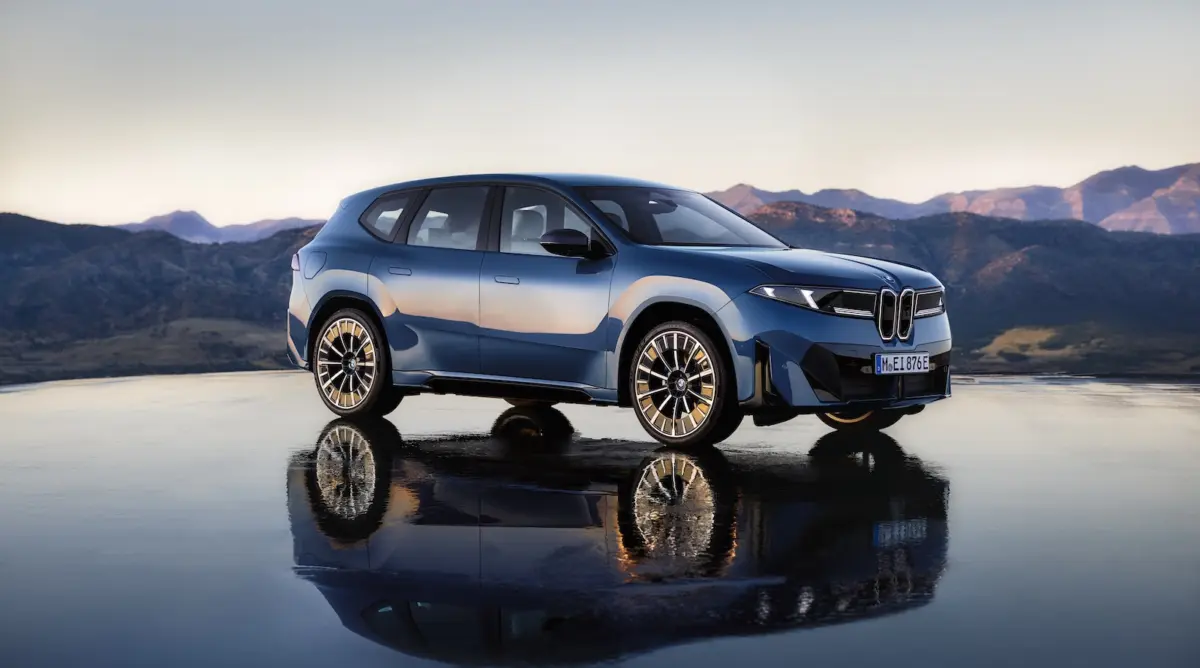
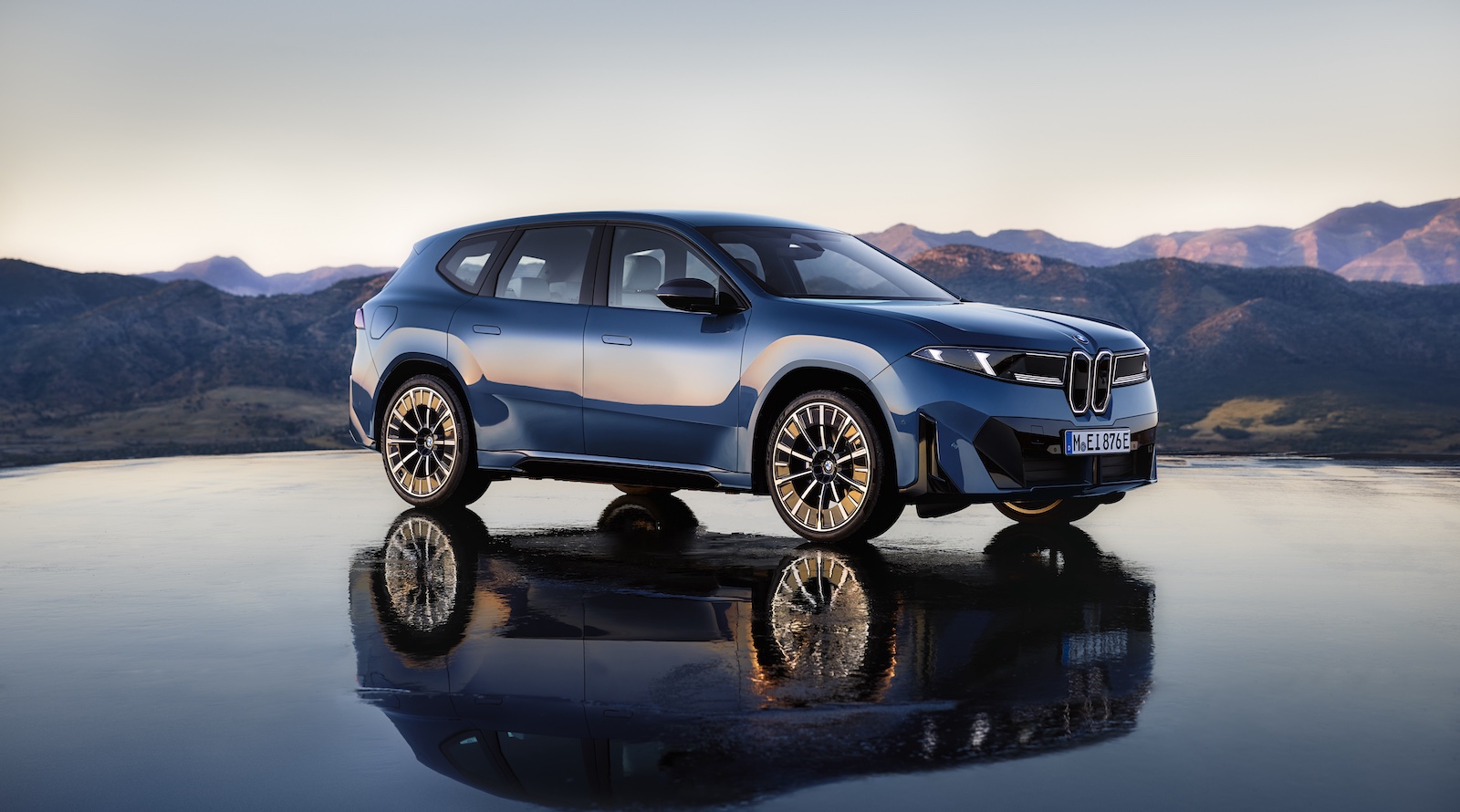
Amid this broader market hemorrhage, BMW is mounting an aggressive counter-offensive. At the ongoing 2026 Chengdu Motor Show, the German luxury automaker pulled the covers off two China-exclusive electric models, headlined by the pre-sales launch of the long-wheelbase Neue Klasse iX3 electric SUV. This vehicle represents a critical milestone: it is the first long-wheelbase variant built on BMW’s cutting-edge Neue Klasse architecture, custom-tailored to meet the specific demands of Chinese consumers who heavily prioritize rear-seat legroom and advanced digital cockpit experiences.
BMW has opened pre-sales for three distinct variants of the iX3, with pricing anchored between 269,900 yuan and 339,900 yuan (approximately $40,150 to $50,565 USD). In a move designed to build consumer trust and stimulate immediate demand, BMW has officially confirmed that these pre-sale figures will match the final retail launch prices. Mass deliveries are scheduled to commence in November 2026.
The technical specifications of the new iX3 are undeniably formidable. Powered by an advanced 800-volt electrical architecture, the SUV boasts an astonishing estimated range of up to 900 kilometers (approximately 560 miles) on a single charge under optimal conditions. Yet, despite these impressive engineering credentials, industry analysts remain deeply divided over whether hardware specifications alone will be enough to turn the tide against a fiercely patriotic and hyper-innovative domestic Chinese EV sector.
Chronology of Events
The journey leading to BMW’s high-stakes debut at the 2026 Chengdu Motor Show has been marked by a profound structural shift in the global automotive landscape.
- Pre-2024 (The Golden Era): Legacy automakers, including BMW, Mercedes-Benz, and Audi, experienced years of continuous volume and profit growth in China. Internal combustion engine (ICE) vehicles reigned supreme, and Western luxury badges carried immense social cachet.
- 2024–2025 (The EV Tsunami): The market dynamics flipped dramatically. Local Chinese EV manufacturers—backed by robust supply chains, aggressive pricing strategies, and advanced in-cabin technology—began draining legacy sales. Domestic brands captured dominant market share, leaving traditional imports struggling with steep sales declines.
- 2025 (European Success): BMW introduced the standard-wheelbase variant of the Neue Klasse iX3 in Europe. The vehicle quickly became a resounding commercial success, pulling in a staggering 100,000 orders following its European launch and proving the core technical viability of the Neue Klasse platform.
- August 2026 (The Chengdu Debut): Recognizing that European success does not automatically translate to the Chinese market, BMW utilized the 2026 Chengdu Motor Show to unveil two China-exclusive models. The centerpiece of this showcase was the world premiere of the long-wheelbase Neue Klasse iX3.
- August 24, 2026 (Pre-Sales Open): BMW officially initiated pre-sales for the long-wheelbase iX3 across three trim levels, locking in price parity between the pre-order phase and the official market launch.
- November 2026 (Upcoming Milestone): Mass deliveries of the long-wheelbase iX3 are scheduled to officially kick off across dealerships in China, marking the true test of BMW’s new market strategy.
Supporting Data and Technical Specifications
To evaluate whether BMW’s latest offering can successfully disrupt the status quo, one must examine the hard data surrounding the vehicle, its pricing strategy, and the broader macroeconomic climate in China.
Pricing and Market Positioning
- Price Range: 269,900 yuan to 339,900 yuan.
- USD Equivalent: Approximately $40,150 to $50,565 USD.
- Price Guarantee: Pre-sale prices are locked in as the final launch prices, mitigating buyer hesitation.
Powertrain and Performance Metrics
- Platform: Neue Klasse dedicated EV architecture (long-wheelbase configuration).
- Electrical Architecture: 800-volt system, enabling ultra-fast charging capabilities and reduced thermal losses.
- Estimated Range: Up to 900 kilometers (560 miles) on a full charge, placing it at the upper echelon of long-range electric crossovers.
Market Context and Sales Performance
- European Trajectory: 100,000 cumulative orders secured since its initial European rollout in 2025.
- Chinese Sales Challenge: Experiencing acute margin and volume compression prior to the iX3 launch, reflecting a broader downturn for legacy luxury brands in the region.
- Competitive Density: Facing off against dozens of domestic competitors offering rapid software updates, autonomous driving suites, and aggressive price points that consistently squeeze foreign profit margins.
Official Responses and Industry Perspectives
The unveiling of the long-wheelbase iX3 has generated intense commentary from automotive journalists, economic analysts, and BMW’s corporate leadership.
According to reports from China Daily, BMW’s strategic pivot is a deliberate attempt to reverse lackluster sales figures that have plagued its luxury electric vehicle division in the world’s most important automotive arena. By designing a vehicle specifically around the preferences of Chinese consumers—most notably through an extended wheelbase that maximizes rear passenger comfort—BMW is demonstrating a willingness to localize its product development pipeline more deeply than it has in the past.
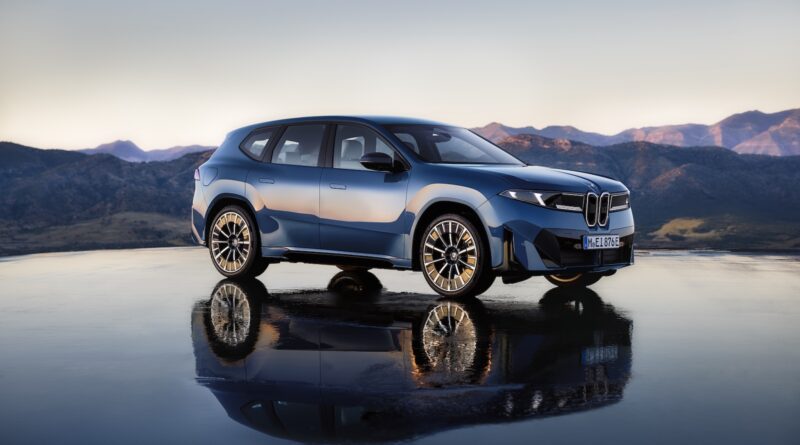
However, industry observers maintain a healthy dose of skepticism. While publications like CleanTechnica acknowledge the engineering triumph of the 800V powertrain and the 900-kilometer range, editors point out that the Chinese market operates under an entirely different set of rules compared to Europe.
"That said, the new iX3 has been a huge hit in Europe, where it has pulled in 100,000 orders since it launched in 2025. However, the Chinese market is much more competitive, insanely packed with compelling, competitive, high-value-per-dollar (or yuan) electric vehicles. We will see…"
Local buyers are often less impressed by traditional badge prestige and far more critical of digital user interfaces, in-car entertainment ecosystems, and autonomous navigation features—areas where domestic giants like BYD, NIO, XPeng, and Huawei-backed automotive ventures have set an exceptionally high bar. BMW’s executive team is well aware of these hurdles, positioning the Neue Klasse rollout not merely as a product launch, but as an existential transformation of the brand’s operational philosophy in Asia.
Implications for the Global Automotive Industry
The outcome of BMW’s localized electric vehicle offensive carries profound implications that extend far beyond China’s borders.

1. The Survival Blueprint for Legacy Automakers
If BMW can successfully reclaim market share in China using the long-wheelbase Neue Klasse iX3, it will provide a validated blueprint for other legacy Western and Japanese automakers struggling against Asian EV dominance. Conversely, if a vehicle with 900 km of range and aggressive pricing fails to reverse the downward trend, it will signal a harsh reality: traditional global brands may no longer be able to compete effectively in the world’s leading EV market on hardware alone.
2. Acceleration of Global EV Technology Standards
The widespread adoption of 800-volt architectures and ultra-extended ranges (approaching 900 kilometers) pushes the entire automotive supply chain forward. As premium brands race to meet these benchmarks, component manufacturers will scale production of silicon carbide semiconductors, high-density battery cells, and high-voltage thermal management systems, ultimately driving down costs for global consumers.
3. Localization as a Corporate Imperative
BMW’s decision to engineer a China-exclusive long-wheelbase Neue Klasse model underscores a broader economic truth: centralized vehicle development for global markets is dead. To survive the modern automotive transition, legacy giants must decentralize engineering, partnering heavily with local tech ecosystems to ensure their software, user interfaces, and cabin ergonomics align precisely with regional tastes.
As November 2026 approaches and mass deliveries of the iX3 begin on Chinese soil, the global automotive community will be watching closely. Whether BMW’s high-stakes gamble pays off will determine not only the German marque’s future viability in Asia, but also the ultimate limits of legacy reinvention in the age of electric mobility.
