

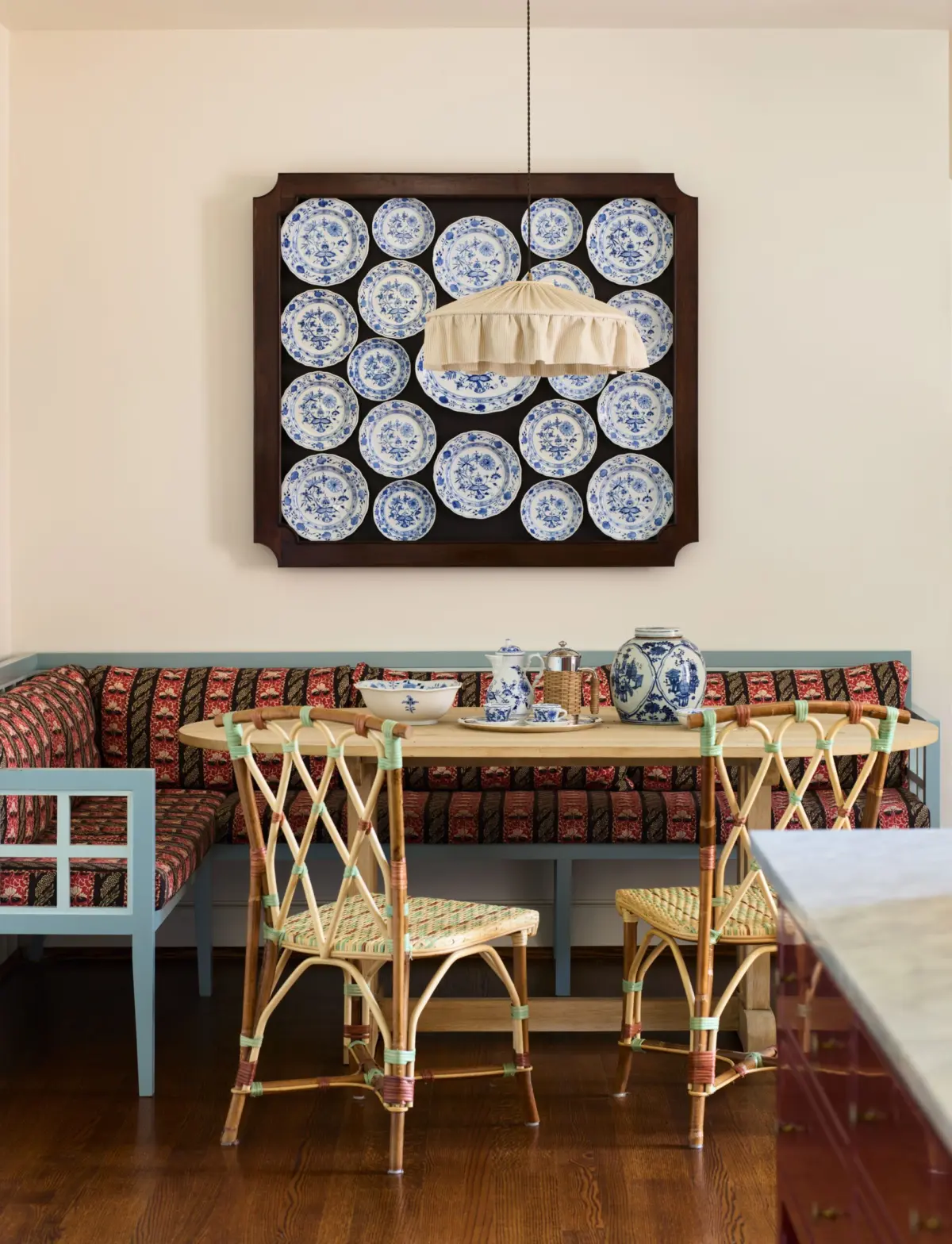
Main Facts: The Return of "White Gold" to the Contemporary Table
Porcelain has long held a singular, almost reverent status in the decorative arts. Fired at higher temperatures than any other ceramic material, its remarkably thin, delicate build belies an unexpected resilience and durability. For centuries, fine porcelain was the exclusive domain of royal courts, imperial palaces, and centuries-old European ateliers. It carried a heavy, undeniable gravitas that could instantly transform even the most casual weeknight supper into a formal occasion.
Over the past decade, however, the cultural pendulum swung decisively away from the high-gloss world of fine china. In its place, a preference for heavier, more rustic, and affordable clay pottery dominated interior design trends, flooding modern tablescapes with earthy, matte-finished stoneware.
Yet, a notable shift is underway. Design lovers, particularly younger demographics, are actively rediscovering heritage porcelain houses—brands like Ginori 1735, Wedgwood, and Royal Copenhagen that once filled the pristine china cabinets of their grandparents. This resurgence is not merely a nostalgic exercise in historical mimicry. Instead, it reflects a broader lifestyle trend: a desire to infuse daily routines with tactile luxury, blending storied craftsmanship with contemporary, irreverent styling. Today’s collectors are just as likely to mix a 250-year-old hand-painted motif with minimalist modern tableware as they are to display it behind glass.
Chronology: A Brief History of Porcelain Powerhouses
To understand the enduring allure of these brands, one must trace the timeline of European porcelain manufacturing, which evolved from an obsession with replicating Chinese trade secrets into an art form entirely its own.
- 1718 — Augarten (Vienna, Austria): Established as Europe’s second-oldest porcelain manufactory, Augarten began its long history under the patronage of Habsburg rulers, setting a standard for imperial opulence that continues in its historic Vienna headquarters today.
- 1735 — Ginori 1735 (Florence, Italy): Founded outside Florence by Marquis Carlo Andrea Ginori, the house set out to master what the visionary founder referred to as "white gold," establishing Italy’s premier tradition of fine porcelain.
- 1748 — Villeroy & Boch (Germany): François Boch expanded his family’s pottery operations into an industrial powerhouse, ultimately merging with competitor Jean-François Boch to create a dynasty known for grounded, graphic, and functional European design.
- 1759 — Wedgwood (England): Josiah Wedgwood founded his eponymous English brand, quickly revolutionizing the industry by pushing the boundaries of fine bone china into both classical and avant-garde territories.
- 1775 — Royal Copenhagen (Denmark): Denmark’s oldest porcelain house introduced its iconic, hand-painted blue floral motifs under royal patronage, cementing a minimalist Scandinavian aesthetic that has endured for nearly 250 years.
- 1824 — J.L. Coquet (Limoges, France): Rooted near Limoges, the French capital of porcelain, this atelier eventually emerged as the gold standard for Michelin-starred chefs and luxury hospitality worldwide.
- 1889 — Lenox (United States): Founded as an American art studio producing hand-painted ivory china, Lenox broke the American market’s reliance on European imports and became the first domestic brand commissioned for official White House service.
- 1948 — Mikasa (California, USA): Emerging in postwar California as a dinnerware importer, Mikasa democratized accessible, fuss-free porcelain, quickly becoming a staple of modern wedding registries.
Supporting Data: Iconic Houses and Their Signatures
The contemporary fine porcelain market is defined by a diverse array of aesthetics, ranging from hyper-traditional craftsmanship to avant-garde designer collaborations.
Ginori 1735: The Italian Classic
Synonymous with Italian heritage and unmatched elegance, Ginori 1735 remains a darling of the global design community. Its most legendary pattern, Oriente Italiano, dates back to the tenure of legendary artistic director Gio Ponti. Featuring a Chinoiserie-inspired floral layout rendered in saturated, vibrant tones and rimmed in gold, the pattern has undergone a radical youth movement. Following a creative injection by former Gucci creative director Alessandro Michele, the brand expanded into hyper-colorful home fragrances, decorative objects, and global experiential spaces like Café Ginori.
- Notable Pieces: Oriente Italiano Malachite Salad Plate ($130); Il Viaggio di Nettuno Luna Mug ($215).
Villeroy & Boch: Graphic & Grounded
Founded in 1748, this German institution leans toward bold geometry and functional innovation. While historical floral motifs remain part of its DNA, collections like MetroChic incorporate striking black-and-gold architectural details. Meanwhile, the iconic La Boule set—originally conceived by Helen von Boch in 1971—ingeniously stacks plates and bowls into a singular, sculptural sphere when not in use.
- Notable Pieces: MetroChic Bone Bowl ($196); La Boule Dinnerware Set of 7 ($500–$667).
Royal Copenhagen: The Blue-And-White Standard
As Denmark’s oldest operating porcelain house, Royal Copenhagen is internationally revered for its hand-painted Blue Fluted pattern, unchanged in essence since 1775. Because every piece is painted entirely freehand by master artisans, no two plates or teapots are identical; every item bears the stamped number "1" underneath as a homage to its historic origins. The brand also bridges heritage with the avant-garde through reissues like Arje Griegst’s coveted Triton seashell collection.
- Notable Pieces: Princess Dinner Plate ($120); Blue Fluted Salad Plate ($145).
Lenox: The American Milestone
Lenox accomplished what many thought impossible in the late 19th century: proving that American-made fine porcelain could rival centuries-old European ateliers. As the first domestic brand selected to produce official White House china, Lenox balances understated daily collections—such as the streamlined 24 Seven line—with playfully romantic tableware like the ruffled French Perle Scallop series.
- Notable Pieces: French Perle Scallop Dinnerware Set of 12 ($210–$300); Oneida 24 Seven Dinnerware Set of 18 ($70–$140).
Wedgwood: The British Shape-Shifter
Operating since 1759, Wedgwood continually challenges the rigid definitions of fine bone china. By partnering with visionary designers like Kit Kemp of Firmdale Hotels on the whimsical, folk-art-inspired Mythical Creatures collection, Wedgwood proves that traditional bone china can effortlessly embrace theatrical storytelling alongside minimal, gold-banded staples like Gio Gold.
- Notable Pieces: Mythical Creatures Dinnerware Set of 5 ($500); Gio Gold Dinnerware Set of 4 ($265).
J.L. Coquet: The Michelin-Star Favorite
For elite gastronomy, J.L. Coquet stands uncontested. Based near Limoges, France, since 1824, the house captured the attention of top-tier international chefs in the latter half of the 20th century. Its signature Hémisphère collection features delicate, concentric grooves that mimic planetary rings. A recent landmark collaboration with cognac icon LOUIS XIII introduced eleven new proprietary porcelain techniques, cementing the brand’s elite status in the realm of Art de la Table.
- Notable Pieces: Hémisphère Serving Plate ($195); LOUIS XIII "Soil is our Soul" Dessert Plates Set of 2 ($550).
Mikasa: The Accessible Registry Staple
Founded in California in 1948, Mikasa changed the landscape of everyday dining by prioritizing durable, handsome tableware free of pretension. Its Swirl Bone series remains a wedding registry cornerstone due to its clean white glaze and subtle textured rim, while lines like Akira Vegan Bone inject vibrant botanical palettes into traditional materials.
- Notable Pieces: Akira Vegan Bone Dinner Plate Set of 4 ($42–$50); Swirl Bone Dinnerware Set of 36 ($239).
Bernardaud: The Artist’s Canvas
Limoges-based Bernardaud moves fluidly between royal historical reproductions and contemporary conceptual art. Over the decades, the house has collaborated with titans like Marc Chagall, Jeff Koons, and JR, treating fine porcelain as a limited-edition canvas. Simultaneously, historical tributes like the Marie-Antoinette collection and the delicate, foliage-adorned Albertine line cater to collectors seeking timeless botanical elegance.
- Notable Pieces: Marie-Antoinette Salad Plate ($235); Albertine Dinner Plate ($110).
Augarten: The Imperial Masterpiece
Representing the pinnacle of luxury, Vienna-based Augarten—founded in 1718—still crafts every single item entirely by hand within its historic imperial workshops. Known for the delicate Viennese Rose motif and high-profile collaborations with fashion designers like Giambattista Valli (whose sculptural fruit boxes and botanical plates blur the line between dinnerware and fine art), Augarten commands the highest tiers of the luxury market, with specialty caviar services fetching upwards of $9,800.
- Notable Pieces: Schubert Dinnerware ($186); Augarten x Giambattista Valli Plein Air Dessert Plate No. 4 ($685).
Official Responses and Industry Perspectives
The renaissance of fine porcelain has not gone unnoticed by the chief executives and creative directors steering these historic houses. Industry leaders emphasize that the modern consumer’s relationship with luxury tableware has fundamentally evolved.
"Today’s design enthusiasts are looking for authenticity paired with personal expression," notes a representative from the Bernardaud leadership team. "They are no longer interested in locking away a pristine set of china for a once-a-year holiday dinner. They want to use art on their tables every single day, mixing historical patterns with modern minimalism."
Similarly, hospitality experts note that the post-pandemic lifestyle has accelerated a "home-as-sanctuary" mentality. Fine porcelain brands report a surge in younger buyers who view setting a beautiful table as an act of self-care and creative hospitality. By lowering the intimidation factor—encouraging mix-and-match styling across collections rather than demanding rigid adherence to a single 12-piece suite—ateliers have successfully positioned their centuries-old craft as an essential component of modern interior design.
Implications: The Future of the Tabletop Market
The resurgence of heritage porcelain carries significant implications for both the global luxury goods market and contemporary interior design culture.
- Sustainability Through Longevity: In an era dominated by fast-furniture and disposable homewares, fine porcelain represents the ultimate sustainable purchase. Fired at extreme temperatures, high-grade porcelain is remarkably durable, dishwasher-safe (when unbanded with precious metals), and built to endure across generations. The cultural shift back to heritage brands signals a broader consumer rejection of disposable culture in favor of "buy-it-for-life" heirlooms.
- The Democratization of Luxury: While ultra-luxury houses like Augarten and J.L. Coquet continue to serve elite culinary markets, legacy brands like Lenox and Mikasa have successfully captured the younger demographic by offering accessible entry points. Social media platforms like Instagram and TikTok have played a massive role, where creators spotlight "tablescaping" as a vital form of interior styling.
- The Evolution of Collaborative Design: By partnering with contemporary fashion designers, street artists, and interior visionaries (such as Alessandro Michele, Giambattista Valli, and Kit Kemp), historic porcelain houses are proving that heritage is not a static museum piece, but a living, breathing medium.
As the lines between fine art, interior design, and culinary presentation continue to blur, fine porcelain has firmly reclaimed its throne. Far from being confined to dusty antique cabinets, "white gold" is once again illuminating modern dining rooms, proving that true craftsmanship never goes out of style.
