

By the Health & Wellness Editorial Desk
With global dementia cases projected to surge past current estimates, the race to understand, mitigate, and prevent cognitive decline is more urgent than ever. According to the World Health Organization (WHO), approximately 57 million people worldwide currently live with dementia—a figure expected to multiply significantly in the coming decades, as underscored by recent landmark research published in The Lancet.
However, a groundbreaking study published in JAMA Network Open offers a powerful message of hope: our neurological destiny is not entirely written in our biology. Researchers have discovered robust evidence suggesting that adopting an anti-inflammatory diet can substantially lower the risk of developing Alzheimer’s disease. Even more encouragingly, the findings reveal that dietary interventions can make a profound difference for individuals who already display elevated biological markers for neurodegeneration.
Main Facts: What the Research Shows
At its core, the JAMA study challenges the fatalistic view that once the biological machinery of Alzheimer’s disease sets into motion, the outcome is inevitable.

- The Core Discovery: An anti-inflammatory dietary pattern was significantly associated with a lower risk of developing dementia, even among individuals whose blood profiles already exhibited elevated biological risk markers for Alzheimer’s disease and neurodegeneration.
- Quantifying the Risk Reduction: Participants with high biological risk scores who adhered closely to the empirical Dietary Inflammatory Index (rEDII)—a measure of a diet’s inflammatory potential—experienced a remarkable 21% to 29% reduction in dementia risk.
- The Underlying Mechanism: Chronic low-grade systemic inflammation is increasingly recognized as a primary driver of biological aging and neurodegenerative disease. By lowering systemic inflammation through targeted nutrition, individuals can effectively protect vascular and neurological health.
- Beyond the Mediterranean Diet: While traditional heart-healthy diets like the Mediterranean diet remain gold standards, the study highlights that scoring foods specifically by their capacity to suppress inflammatory blood markers (such as IL-6 and TNF-alpha) yielded a more potent protective association in high-risk populations.
Chronology: Unpacking the 15-Year Swedish Study
To arrive at these paradigm-shifting conclusions, researchers analyzed extensive data sourced from the Swedish National Study on Aging and Care in Kungsholmen (SNAC-K).
- The Cohort: The observational study tracked 1,865 healthy older adults aged 60 and older over a rigorous 15-year period.
- The Tracking Process: Participants underwent comprehensive health evaluations, lifestyle assessments, and routine blood draws at intervals of every three to six years.
- The Outcome: Over the course of the 15-year tracking window, 240 participants developed clinical dementia.
- The Biomarker Analysis: Researchers analyzed blood plasma samples to establish baseline biological risks for Alzheimer’s disease, comparing these markers against three distinct dietary patterns adopted by the participants over time.
- The June Publication: The findings were formally published in JAMA, instantly igniting global discussions among neurologists, dietitians, and longevity experts regarding the timing and application of nutritional therapy in aging populations.
Supporting Data: Diet, Biomarkers, and the Gut-Brain Axis
To understand why an anti-inflammatory diet holds such immense power over cognitive health, experts point to a convergence of vascular, metabolic, and immunological factors.
The Shift from "Regional" to "Functional" Diets
Historically, nutrition science has focused heavily on regionally specific eating frameworks, such as the traditional Mediterranean diet (AMED), which emphasizes olive oil, fish, vegetables, and whole grains while restricting red meat.
However, the recent study utilized the empirical Dietary Inflammatory Index (rEDII). Rather than evaluating whether a plate "looks" Mediterranean, the rEDII measures the proven physiological impact of specific foods on inflammatory blood markers. This distinction proved vital: while the Mediterranean diet remained profoundly beneficial, the diet with the lowest overall inflammatory potential showed the strongest correlation with reduced dementia risk in biomarker-positive participants.

The Power of Fiber and the Gut-Brain Axis
Dietary fiber plays an irreplaceable role in keeping neuroinflammation at bay. Yet, data shows that only about 5% of adults meet recommended daily fiber intake levels, consuming an average of just 17 grams per day.
High-fiber foods—such as legumes, whole grains, nuts, and brightly colored vegetables—feed a diverse gut microbiome. This microbial fermentation produces short-chain fatty acids (SCFAs), which preserve the integrity of the intestinal barrier and regulate systemic immune pathways. Through the gut-brain axis, these SCFAs help mitigate the neuroinflammatory cascades that accelerate cognitive decline.
Official Responses and Expert Perspectives
The medical and nutritional communities have responded to the JAMA findings with a mixture of professional validation and forward-looking optimism.
-
Lorraine Kearney, RDN, CDN (Founder of New York City Nutrition, not involved in the study):

"The anti-inflammatory dietary pattern was associated with a lower risk of developing dementia even among people whose blood already showed elevated biological markers associated with Alzheimer’s disease and neurodegeneration. It suggests that the window to support brain health may not be closed once these biological changes begin accumulating."
-
Anja Mrhar (PhD student and researcher at the University of Ljubljana, and corresponding author of the study):
While noting that the study remains observational and cannot definitively prove causation, Mrhar emphasizes: "That said, the findings are consistent with the broader view that diet quality remains relevant for brain health."
-
Dr. Rab Nawaz Khan, M.D. (Neurologist and stroke physician):

"We already know that vascular health, inflammation, diabetes, and diet quality are closely tied to brain aging. What is interesting here is that a lower inflammatory diet was linked with lower dementia risk even among people with blood biomarkers suggesting higher Alzheimer’s or neurodegenerative risk. The most important point is that Alzheimer’s biology is not always destiny."
-
Melanie Murphy Richter, MS, RDN (Longevity and metabolic health expert):
"Chronic inflammation is one of the hallmarks of aging and is connected to so many of the chronic diseases we see today, including cognitive decline… This reinforces that our daily food choices aren’t just about prevention early in life, but may continue to influence how we age, even after changes have already begun."
-
Liz Dene (Senior Lecturer in Nutrition at Torrens University Australia):

Highlighting the role of oily fish, Dene notes that long-chain omega-3 fatty acids (EPA and DHA) form major structural components of brain cell membranes: "They play important roles in neuron signalling, neuroplasticity, and maintaining healthy cerebral blood flow. They also have well-established anti-inflammatory and neuroprotective properties."
Practical Implications: How to Implement an Anti-Inflammatory Lifestyle
The overwhelming consensus from researchers and clinicians is that perfection is the enemy of progress. Rather than chasing elusive "superfoods," long-term brain health relies on consistent, sustainable dietary patterns.
1. Fill Your Plate with Anti-Inflammatory Foods
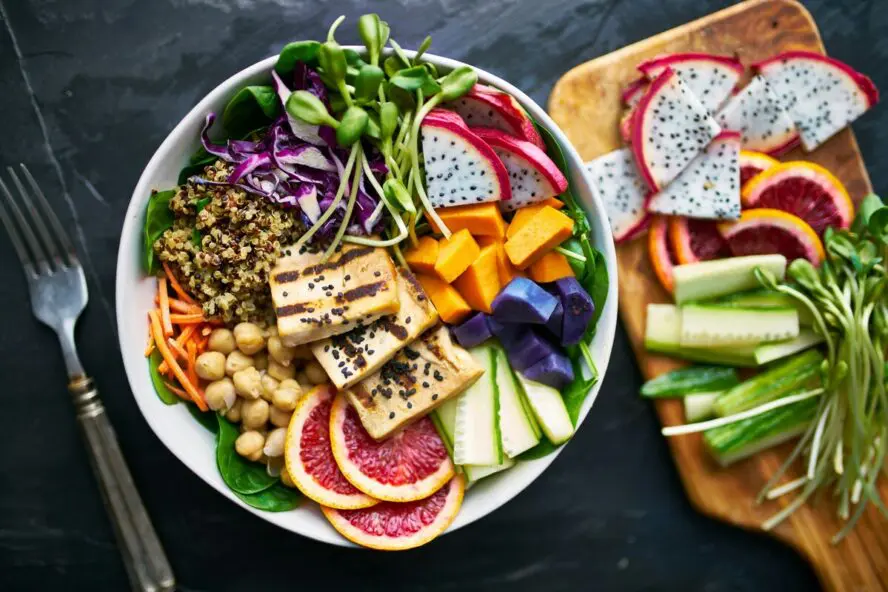
- Colorful Fruits and Vegetables: Berries, leafy greens, and deeply pigmented produce are packed with polyphenols, anthocyanins, and antioxidants that protect the brain from oxidative stress.
- Healthy Proteins and Fats: Prioritize oily fish rich in omega-3s (salmon, sardines, mackerel, trout, and herring), alongside plant-based proteins like beans and lentils, and healthy fats like extra-virgin olive oil, nuts, and seeds.
- Everyday Extras: Incorporate brain-friendly beverages like coffee and green tea, and elevate your meals with healing herbs and spices like turmeric.
2. Minimize Inflammatory Triggers ("Sometimes Foods")
To truly lower your inflammatory burden, actively reduce your intake of processed meats, red meats, refined carbohydrates, sugary beverages, fried foods, and highly processed snack items.
3. Adopt a Holistic Anti-Inflammatory Lifestyle
Diet is a cornerstone of cognitive protection, but it operates within the broader ecosystem of lifestyle choices. Experts recommend a comprehensive approach:
- Manage Chronic Stress: Chronic psychological stress fuels the exact same inflammatory pathways as poor diet. Incorporating stress-reduction techniques, breathwork, and consistent sleep hygiene is vital.
- Stay Active and Avoid Toxins: Regular physical activity, avoiding smoking, and moderating alcohol consumption all compound to protect neural pathways over time.
As the science of longevity continues to evolve, the message from the clinical community is clear: every positive dietary choice acts as a deposit in your neurological savings account. By leaning into anti-inflammatory nutrition, individuals hold the power to shape their cognitive future—proving that biology does not have to dictate destiny.
