

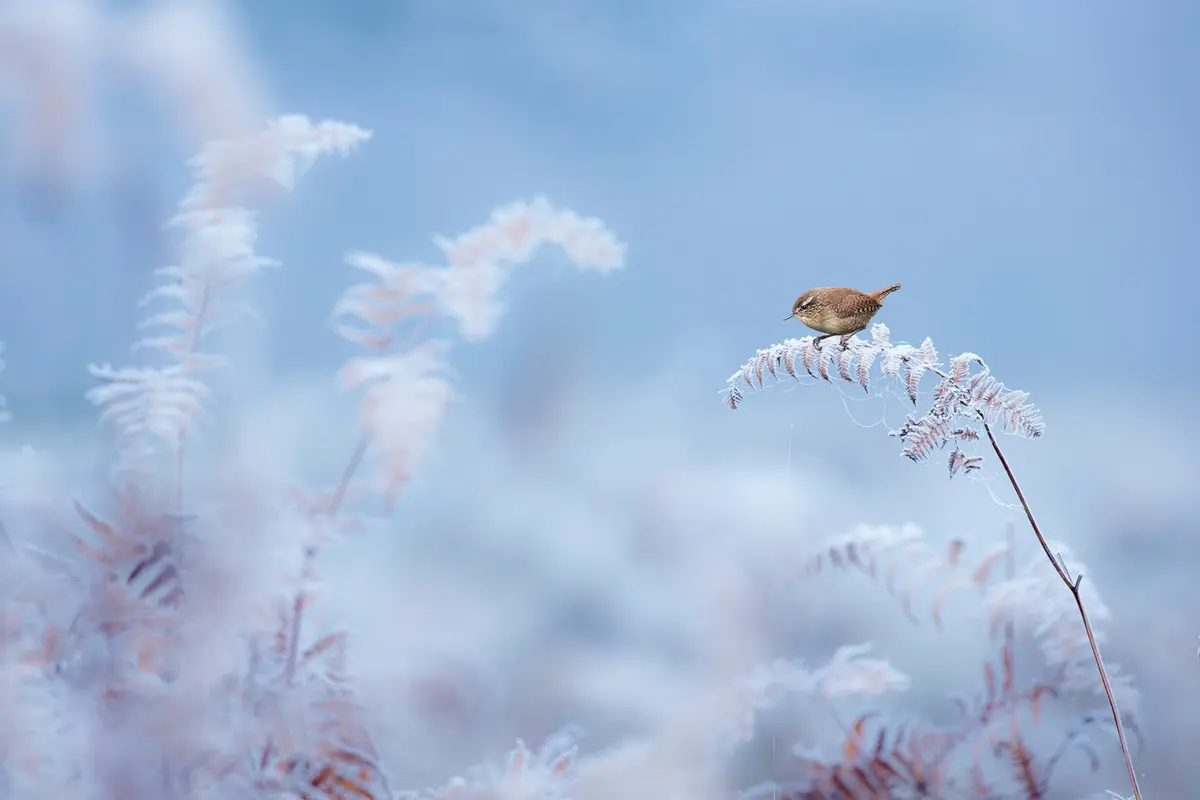
GLOBAL — To the casual observer, the blur of a goldfinch darting toward a garden feeder or the sharp, melodic chatter of a robin in the early morning brush represents little more than fleeting backyard wildlife. To the wildlife photographer, however, these moments are the prelude to one of the most demanding yet rewarding disciplines in nature imaging.
Passerine birds—collectively known as perching birds or songbirds—make up the largest avian order, Passeriformes, encompassing over half of all known bird species globally. Recognised universally by their distinctive anisodactyl toe arrangement (three digits pointing forward and one pointing backward), these remarkably agile creatures inhabit nearly every terrestrial biome on Earth, from urban community gardens and dense temperate woodlands to expansive open fields.

Yet, capturing their vibrant plumage, lightning-fast movements, and complex behaviors requires a meticulous blend of fieldcraft, technical precision, and ecological understanding.
Main Facts: Decoding the World of Passerine Photography
At first glance, photographing passerines appears deceptively simple. Unlike elusive apex predators or rare migratory mammals, passerines are highly accessible. They frequent our backyards, public parks, and local wetlands in vast numbers. Common representatives of the order include sparrows, tits, finches, warblers, and swallows.

However, their primary defense mechanism against predation is their speed and diminutive size. Because they rarely sit still for long, framing a crisp, compelling portrait pushes both photographer and equipment to their absolute limits.
[Passeriformes Order: >50% of all bird species]
       │
       ├── Ubiquitous Habitats (Gardens, Woodlands, Fields)
       ├── Physical Trait: Anisodactyl Toe Arrangement (3-forward, 1-back)
       └── Photographic Challenges: Rapid movement, small size, skittish behavior
Rather than relying purely on high-end gear, successful passerine photography hinges on leveraging their daily routines. Because these birds are heavily driven by basic survival needs—feeding, bathing, and territorial defense—photographers can anticipate their actions by setting up controlled environments, such as dedicated feeding stations and natural reflection pools.

Chronology: The Field workflow for a Successful Shoot
Capturing museum-quality images of fast-moving songbirds cannot be rushed. Professional wildlife photographers typically approach a session through a structured, multi-phase chronological workflow that maximizes comfort for the subject and control for the artist.
Phase 1: Research and Observation (Pre-Shoot)
Before setting up a single piece of equipment, days or even weeks should be spent observing target species.

- Acoustic Identification: Many passerines are far more vocal than they are visible. Learning specific bird songs allows photographers to pinpoint their locations and anticipate when they might break cover.
- Behavioral Mapping: Note the times of day birds visit certain areas. Early morning and late afternoon are prime feeding windows, while midday often sees birds retreating to dense foliage to preen and rest.
Phase 2: Habitat and Station Setup
Building a feeding station is the single most effective way to draw passerines into close range, particularly during harsh winter months when natural foraging becomes scarce.
- Nutritional Variety: Offer high-energy foods such as black-oil sunflower seeds, nyjer seeds, suet, and mealworms to attract a diverse roster of species.
- Hygiene Management: Clean feeders regularly with a mild bleach solution, allowing them thoroughly to dry to prevent the spread of avian diseases.
- Water Features: Integrate a shallow water source, such as a rectangular planting tray with a submerged rock or log. Position the tray carefully to capture soft, natural reflections of surrounding foliage rather than a glaring, washed-out sky.
Phase 3: The Live Shoot and Field Execution
Once the station is active and birds are accustomed to the setup, the active photography phase begins. Patience dictates success here. Whether shooting from a portable wildlife hide or operating a remote shutter release, the photographer must remain entirely motionless during peak activity windows to avoid startling skittish subjects.

Supporting Data & Technical Specifications
Achieving critical sharpness on a bird that can accelerate from a branch in milliseconds requires absolute mastery of camera settings. Modern mirrorless and DSLR bodies equipped with high frame rates (10+ frames per second) and advanced autofocus tracking are distinct advantages, though fundamental exposure triangles remain paramount.
| Parameter | Recommended Setting | Purpose / Rationale |
|---|---|---|
| Shutter Speed | $ge 1/1000$ sec (Action) $ge 1/2500$ sec (Flight) |
Freezes rapid wing beats and sudden head turns. |
| Aperture | $f/2.8$ to $f/5.6$ (Portraits) Narrower for groups |
Isolates the subject via a shallow depth of field; creates smooth bokeh backgrounds. |
| ISO | Auto ISO with high ceiling | Prioritizes a fast shutter speed over a noise-free image; digital noise is easily managed, motion blur is not. |
| Focus Mode | Continuous AF (AI Servo / AF-C) | Tracks erratic movement across the focal plane effectively. |
Optimizing Perches and Backgrounds
An image’s background can make or break its aesthetic value. To eliminate distractions, backgrounds must be distant enough to render completely out of focus. Photographers should strategically place natural perches—such as lichen-covered branches, weathered twigs, or spring blossoms—directly adjacent to feeders.

Perches should mirror the bird’s natural habitat to avoid a contrived, artificial look. Furthermore, aligning the perch with the natural arc of sunlight ensures optimal illumination: front-lighting in the morning, back-lighting during the golden hour, and utilizing overcast cloud cover as a massive natural diffuser to reveal intricate feather patterns and muted earth tones.
Behavioral Dynamics: Capturing Character
While standard portraits are visually striking, seasoned wildlife photographers look for storytelling moments that reveal the inner character of the avian subject.

Territorial Disputes and Feeding Squabbles
Harsh weather conditions invariably bring higher concentrations of birds to backyard feeders. Scarcity breeds competition, leading to dynamic, fast-paced interactions and aerial skirmishes over food. Documenting these disputes requires stopping down the aperture slightly to ensure multiple subjects remain within the depth of field, while simultaneously pushing ISO values to maintain shutter speeds well above $1/2500$th of a second.
[Harsh Weather / Food Scarcity]
       │
       ├── Increased Feeder Traffic
       ├── Territorial Squabbles & Flocking Dynamics
       └── Action Opportunity: Fast Shutter Speeds (1/2500s+) to Freeze Conflict
Parenting and Fledging
During the spring breeding season, adult passerines work tirelessly to feed demanding chicks. Once fledglings leave the nest, they often gravitate toward reliable garden food sources while parents guide them through the basics of foraging. Photographers must exercise strict ethical restraint here, ensuring that their presence never stresses the parents or exposes vulnerable fledglings to predators.

Bathing and Preening Rituals
Water sources provide some of the most dynamic photographic opportunities. Watching a small tit or finch vigorously splash in a reflection pool, sending a spray of diamond-like water droplets into the air, yields high-energy action sequences. Following a bath, birds will invariably spend minutes meticulously preening their feathers, offering intimate, textured character studies.
Implications for Conservation and Backyard Ecology
Beyond the artistic satisfaction of capturing a pristine photograph of a robin or a goldfinch, passerine photography fosters a deeper public appreciation for local biodiversity. As urban sprawl encroaches upon natural green spaces, backyard feeding stations and wildlife-friendly garden designs serve vital ecological lifelines for migrating and resident songbirds alike.

By documenting local populations, photographers contribute to a broader culture of conservation awareness. Every striking portrait of a warbler or intimate capture of a fledgling acts as visual advocacy for protecting the delicate ecosystems that sustain them.
Ultimately, mastering passerine photography transforms an ordinary backyard into a boundless macro-wilderness. Armed with patience, ecological insight, and technical precision, photographers unlock a hidden, fast-paced avian theater happening right outside their windows—proving that you do not need to travel to the ends of the Earth to capture breathtaking wildlife imagery.
